

 Tiếng Việt
  English
  日本語
日本語  简体中文
简体中文  한국어
한국어 Ngành công nghiệp điện tử của Việt Nam đã phát triển nhanh chóng, trở thành trụ cột kinh tế quan trọng và trung tâm sản xuất toàn cầu.

25/09/2025
Tin tức & Báo cáo mới nhất / Vietnam Briefing
Bình luận: Không có bình luận.
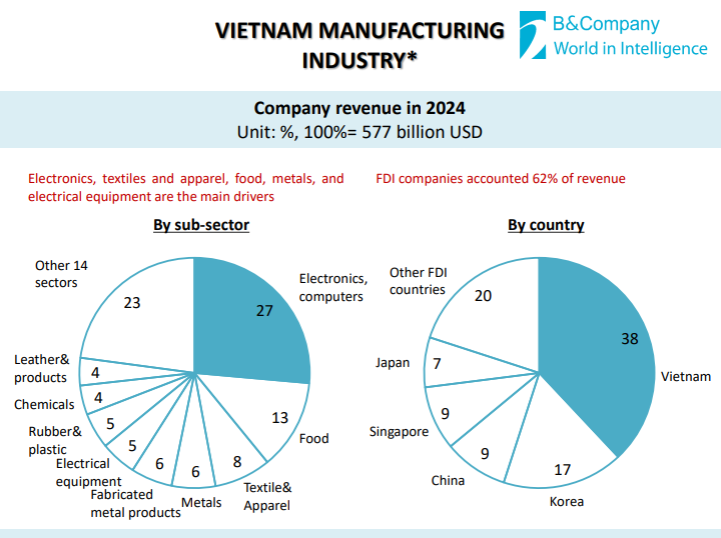
Ngành điện tử Việt Nam đã tăng trưởng nhanh chóng, trở thành một trụ cột kinh tế then chốt và trung tâm sản xuất toàn cầu. Với kết quả xuất khẩu mạnh mẽ, ngành cho thấy tiềm năng rất lớn nhưng vẫn phụ thuộc vào khâu lắp ráp, giá trị gia tăng nội địa thấp và FDI.
Gần đây, ngày càng nhiều doanh nghiệp Việt Nam tham gia vào chuỗi cung ứng của các doanh nghiệp lớn như Samsung, cho thấy tiến bộ trong nội địa hóa dù vẫn chủ yếu ở các khâu có giá trị thấp. Chính phủ đang thúc đẩy bằng các chính sách rõ ràng, đặc biệt trong lĩnh vực bán dẫn. Để tiến lên các nấc thang cao hơn trong chuỗi giá trị, Việt Nam cần những hành động mạnh mẽ để vượt qua các thách thức mang tính hệ thống và chuyển từ vai trò “nhà máy” sang điểm đến chuỗi cung ứng toàn cầu có giá trị cao.
Tổng quan về quy mô và đóng góp kinh tế
Ngành điện tử đã trở thành một trong những động lực tăng trưởng kinh tế chủ chốt của Việt Nam, chiếm 17.8% toàn ngành công nghiệp chế biến, chế tạo (theo báo cáo của VCCI năm 2023), khẳng định vị thế là lĩnh vực mũi nhọn[1]. Quy mô xuất khẩu của ngành đã ghi nhận mức tăng trưởng đáng kể, chính thức vượt mốc 100 tỷ USD trong năm 2024, mức cao nhất kể từ năm 2013. Cụ thể, tổng kim ngạch xuất khẩu của ngành điện tử năm 2024 đạt gần 126,5 tỷ USD, tăng 15.53% so với năm 2023, đóng góp hơn một phần ba tổng kim ngạch xuất khẩu của cả nước.
Trong đó, nhóm máy tính, điện tử và linh kiện đạt 72,58 tỷ USD trong năm 2024, tăng 26.6% so với năm 2023; trong khi điện thoại và linh kiện đạt 53,9 tỷ USD, tăng 2.9% so với năm 2023.[2]
Giá trị xuất khẩu của sản phẩm điện tử, máy tính và linh kiện giai đoạn 2014-2024
Đơn vị: tỷ USD
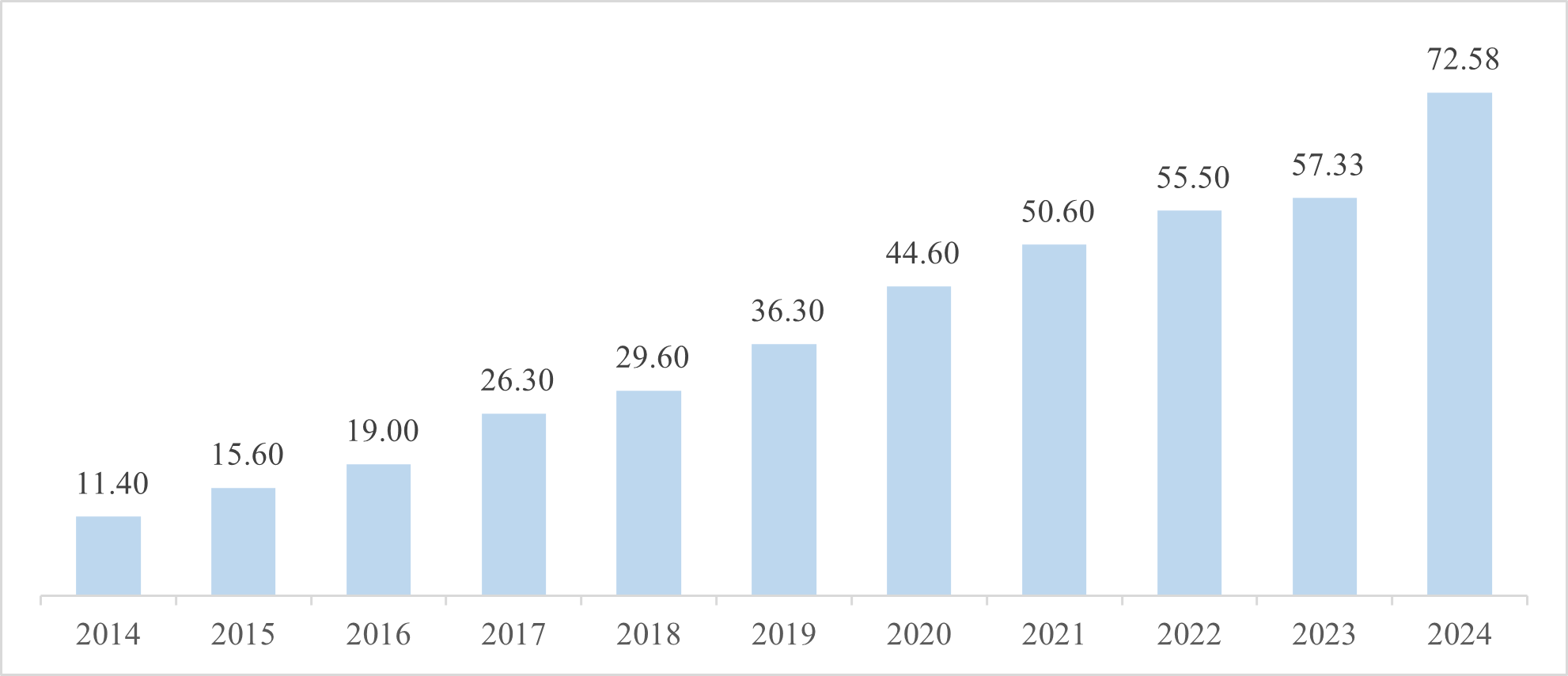
Nguồn: Tổng cục Thống kê Việt Nam (GSO), Hải quan Việt Nam
Thực tế này cho thấy ngành điện tử đã trở thành một trụ cột quan trọng, duy trì tốc độ tăng trưởng cao ngay cả trong bối cảnh kinh tế toàn cầu đầy thách thức. Theo dữ liệu của Tổng cục Thống kê, kim ngạch xuất khẩu máy tính, sản phẩm điện tử và linh kiện dẫn đầu với 6,9 tỷ USD, tăng 29.1% so với cùng kỳ năm 2024. Mức tăng trưởng mạnh này một phần được thúc đẩy bởi sự dịch chuyển trong chuỗi cung ứng toàn cầu và sự hiện diện của các tập đoàn công nghệ hàng đầu thế giới tại Việt Nam. Tuy nhiên, tăng trưởng về quy mô không đồng nghĩa với gia tăng giá trị nội địa. Các báo cáo ngành cho thấy khoảng 95% giá trị xuất khẩu của ngành vẫn thuộc khu vực FDI, cho thấy tăng trưởng chủ yếu đến từ hoạt động lắp ráp và gia công hơn là năng lực công nghệ cốt lõi. Các hoạt động cốt lõi tạo ra giá trị cao nhất như R&D, thiết kế chip và phát triển thương hiệu vẫn được các tập đoàn này giữ tại quốc gia của họ.[3]
Tuy nhiên, một sự chuyển dịch chiến lược đã bắt đầu diễn ra. Nhận thức được những hạn chế của mô hình tăng trưởng hiện tại, Việt Nam đang triển khai các bước đi có chủ đích để tiến lên các phân khúc có giá trị cao hơn.
Tình hình mức độ nội địa hóa của ngành điện tử Việt Nam
Mặc dù kim ngạch xuất khẩu tăng mạnh, tỷ lệ nội địa hóa của ngành điện tử Việt Nam vẫn rất thấp, chỉ khoảng 5-10%[4], cho thấy sự phụ thuộc lớn vào chuỗi cung ứng toàn cầu.
Nội địa hóa trong ngành điện tử Việt Nam
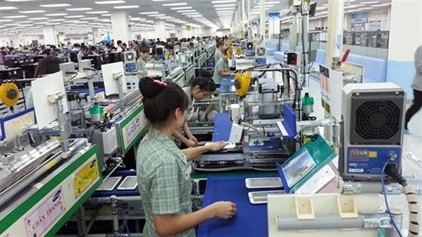
Nguồn: Vietnamnews.vn
Hiện Việt Nam có hơn 2.000 doanh nghiệp tham gia vào ngành điện tử, chiếm 54.8% tổng số doanh nghiệp, nhưng phần lớn là doanh nghiệp nhỏ và vừa, chủ yếu thực hiện các công đoạn gia công đơn giản và chưa thực sự làm chủ công nghệ hay thiết kế.[5] Sự khác biệt lớn giữa “có thể sản xuất” và “có thể làm chủ” công nghệ là một vấn đề cốt lõi. Doanh nghiệp trong nước có thể sản xuất các sản phẩm điện tử hoàn chỉnh như tivi và điện thoại[6], nhưng phần lớn vẫn được lắp ráp từ các linh kiện nhập khẩu.[7]
Doanh nghiệp trong nước tham gia vào chuỗi cung ứng của các tập đoàn FDI lớn như Samsung nhưng với vai trò còn khiêm tốn. Hiện có tổng cộng 340 doanh nghiệp Việt Nam trong chuỗi cung ứng của Samsung, nhưng chỉ khoảng 35 đến 39 doanh nghiệp là nhà cung cấp cấp 1. Ngoài ra, doanh nghiệp Việt Nam chủ yếu cung cấp vật tư tiêu hao, bao bì và sản phẩm in ấn, với giá trị cung ứng rất nhỏ so với nhu cầu về linh kiện và phụ tùng của các tập đoàn này.[8]
Sự phụ thuộc của ngành điện tử Việt Nam vào nhập khẩu là rất lớn. Kim ngạch nhập khẩu máy tính, sản phẩm điện tử và linh kiện đã vượt mốc 102 tỷ USD trong năm 2024, lần đầu tiên vượt ngưỡng 100 tỷ USD và tăng 21.4% so với năm trước.[9] Danh mục này chiếm gần 36% tổng kim ngạch nhập khẩu của cả nước trong 8 tháng đầu năm 2025. Nguồn cung nhập khẩu lớn nhất đến từ Trung Quốc, đạt 33,48 tỷ USD vào tháng 8 năm 2025.[10]
Một trong những nhóm hàng nhập khẩu quan trọng nhất là chip bán dẫn. Doanh nghiệp trong nước gần như không thể tự chủ trong nghiên cứu, thiết kế và sản xuất chip, mà phải phụ thuộc hoàn toàn vào nguồn nhập khẩu. Tình trạng thiếu hụt chip xử lý đã gây khó khăn cho nhiều ngành sản xuất tại Việt Nam, từ điện tử tiêu dùng đến ô tô.[11]
Chính sách và cơ chế hỗ trợ hiện hành
Quyết định số 68/QD-TTg đặt ra mục tiêu đầy tham vọng là đáp ứng 45% nhu cầu trong nước vào năm 2020 và 65% vào năm 2025, nhưng phân tích chuyên gia gần đây cho thấy tỷ lệ nội địa hóa thực tế trong ngành điện tử chỉ vào khoảng 5-10%. Khoảng cách này cho thấy cần có một cách tiếp cận mới, thực tế hơn.
Chiến lược hiện tại của Chính phủ đã chuyển trọng tâm từ nội địa hóa sản phẩm sang gia tăng giá trị, với mục tiêu khiêm tốn hơn nhưng mang tính chiến lược là đạt mức gia tăng giá trị 10-15% trong ngành điện tử và bán dẫn vào năm 2030.[12] Sự chuyển dịch này phản ánh tư duy hoạch định chính sách trưởng thành hơn, tập trung vào việc nắm bắt các công đoạn có giá trị cao trong chuỗi cung ứng toàn cầu (như thiết kế, đóng gói và kiểm thử), thay vì chạy theo các chỉ số bề mặt.
Ngành bán dẫn và điện tử của Việt Nam
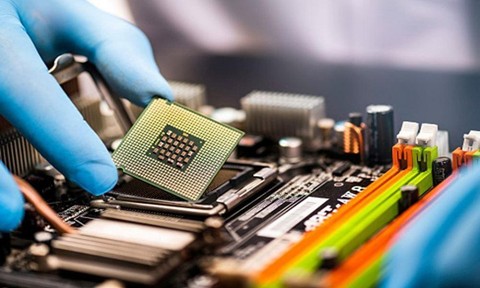
Nguồn: Tin tức Chính phủ
Chiến lược phát triển ngành bán dẫn và điện tử Việt Nam đến năm 2030, tầm nhìn đến năm 2050, được xây dựng trên công thức đột phá C = SET + 1.[13] Công thức này tập trung vào phát triển chip chuyên dụng (Schuyên dụng), nguồn nhân lực chất lượng cao (Tnhân lực) và xây dựng hệ sinh thái (Ehệ sinh thái) để đưa Việt Nam trở thành điểm đến an toàn (+1) trong chuỗi cung ứng bán dẫn toàn cầu. Thay vì cố gắng cạnh tranh với các cường quốc trong sản xuất chip (điều này quá tốn kém và phức tạp), Việt Nam đang lựa chọn một hướng đi thực tế hơn, tập trung vào các công đoạn như thiết kế, đóng gói và kiểm thử, nơi tri thức và vị trí địa lý đóng vai trò quyết định.[14]
Các chính sách hỗ trợ cụ thể bao gồm ưu đãi thuế suất. Ví dụ, các dự án đầu tư công nghệ cao có thể được hưởng thuế suất thuế thu nhập doanh nghiệp (CIT) ưu đãi 10% trong 15 năm.[15] Ngoài ra, Chính phủ đang nghiên cứu và thành lập Quỹ hỗ trợ đầu tư để thu hút các nhà đầu tư chiến lược và các tập đoàn đa quốc gia. Một cơ chế quan trọng khác là thiết lập cơ chế “Một cửa” nhằm đơn giản hóa thủ tục hành chính, tạo môi trường đầu tư thuận lợi hơn cho doanh nghiệp trong lĩnh vực bán dẫn. [16]
Kết luận và Khuyến nghị chiến lược
Việt Nam đã thành công trong việc định vị mình là trung tâm sản xuất điện tử toàn cầu, đặc biệt ở khâu lắp ráp và chế biến, và hiện đang tiến tới các công đoạn có giá trị cao hơn. Sự tham gia ngày càng tăng của doanh nghiệp Việt Nam trong các chuỗi cung ứng FDI cho thấy động lực nội địa hóa mạnh mẽ, dù vẫn còn nhiều thách thức về nhân lực, R&D và công nghiệp hỗ trợ.
Đối với các nhà đầu tư FDI, đây vừa là cơ hội vừa là lợi thế. Chính phủ Việt Nam đã vạch ra một tầm nhìn chiến lược rõ ràng, bao gồm các mục tiêu đầy tham vọng như kim ngạch xuất khẩu điện tử đạt $140 tỷ vào năm 2025 và các kế hoạch dài hạn cho phát triển bán dẫn. Để đạt được điều này, Việt Nam đang ưu tiên:
– Đột phá về nguồn nhân lực thông qua đào tạo chung với các tập đoàn FDI và các trường đại học, bảo đảm lực lượng lao động công nghệ cao có tay nghề.
– Tăng cường ưu đãi R&D với các chính sách hỗ trợ, ưu đãi thuế và bảo hộ SHTT nhằm thúc đẩy đổi mới sáng tạo.
– Nâng cao năng lực chuỗi cung ứng để doanh nghiệp trong nước có thể đáp ứng tốt hơn các tiêu chuẩn toàn cầu và tham gia vào các công đoạn có giá trị cao hơn.
– Thu hút FDI có chọn lọc không chỉ chú trọng vốn mà còn nhấn mạnh chuyển giao công nghệ thực chất và phát triển R&D tại chỗ.
Việt Nam đã “sẵn sàng” về tầm nhìn và chính sách, đồng thời đang xây dựng năng lực nội tại để không chỉ trở thành một “nhà máy” mà còn là một điểm đến chiến lược, gia tăng giá trị cao cho FDI trên bản đồ công nghệ toàn cầu.
[1] VCCI-HCM, Tình hình hiện tại của ngành điện tử Việt Nam (https://vcci-hcm.org.vn/hien-trang-cua-nganh-cong-nghiep-dien-tu-viet-nam/ )
[2] Baodautu.vn, Xuất khẩu điện tử hướng tới mốc 140 tỷ USD (https://baodautu.vn/xuat-khau-dien-tu-huong-toi-moc-140-ty-usd-d239625.html)
[3] Bộ Công Thương nước Cộng hòa Xã hội Chủ nghĩa Việt Nam, Ngành điện tử đã chuyển dịch chuỗi giá trị (https://moit.gov.vn/tin-tuc/phat-trien-cong-nghiep/cong-nghiep-dien-tu-can-tao-buoc-dot-pha-de-phat-trien.html )
[4] Bộ Công Thương nước Cộng hòa Xã hội Chủ nghĩa Việt Nam, Ngành điện tử Việt Nam có nhiều lợi thế và tiềm năng phát triển (https://moit.gov.vn/tin-tuc/phat-trien-cong-nghiep/nganh-cong-nghiep-dien-tu-viet-nam-nhieu-loi-the-va-tiem-nang-phat-trien.html )
[5] Congnghieptieudung.vn, Công nghiệp hỗ trợ điện tử và bài toán tham gia sâu vào chuỗi cung ứng (https://congnghieptieudung.vn/cong-nghiep-ho-tro-dien-tu-va-bai-toan-tham-gia-sau-vao-chuoi-cung-ung-dt48176 )
[6] GSO, Xuất khẩu và nhập khẩu thiết bị điện tử, máy tính và linh kiện – động lực tăng trưởng và kỳ vọng cho năm 2024 (https://www.nso.gov.vn/tin-tuc-thong-ke/2024/10/xuat-nhap-khau-dien-tu-may-tinh-va-linh-kien-dong-luc-tang-truong-va-ky-vong-nam-2024/ )
[7] Bộ Công Thương nước Cộng hòa Xã hội Chủ nghĩa Việt Nam, Ngành điện tử Việt Nam có nhiều lợi thế và tiềm năng phát triển (https://moit.gov.vn/tin-tuc/phat-trien-cong-nghiep/nganh-cong-nghiep-dien-tu-viet-nam-nhieu-loi-the-va-tiem-nang-phat-trien.html )
[8] Bộ Công Thương nước Cộng hòa Xã hội Chủ nghĩa Việt Nam, Tỷ lệ nội địa hóa của một số ngành tại Việt Nam đã được cải thiện (https://moit.gov.vn/tin-tuc/phat-trien-cong-nghiep/ty-le-noi-dia-hoa-cua-mot-so-nganh-cong-nghiep-tai-viet-nam-da-duoc-cai-thien.html )
[9] Kinhte.congthuong.vn, Nhập khẩu máy tính, sản phẩm điện tử và linh kiện của Việt Nam đã đạt hơn 102 tỷ USD (https://kinhte.congthuong.vn/nhap-khau-may-vi-tinh-san-pham-dien-tu-va-linh-kien-cua-viet-nam-dat-hon-102-ty-usd-366133.html )
[10] VnEconomy.vn, Việt Nam nhập khẩu máy tính và linh kiện nhiều nhất từ Trung Quốc (https://vneconomy.vn/viet-nam-nhap-khau-nhom-hang-may-tinh-va-linh-kien-nhieu-nhat-tu-trung-quoc.htm )
[11] Vietnamplus.vn, Thiếu hụt chip xử lý, nhiều ngành sản xuất tại Việt Nam gặp khó khăn (https://www.vietnamplus.vn/thieu-hut-chip-xu-ly-nhieu-nganh-san-xuat-tai-viet-nam-gap-kho-post713522.vnp )
[12] Vjst.vn, Chiến lược phát triển ngành công nghiệp bán dẫn Việt Nam đến năm 2030, tầm nhìn đến năm 2050 (https://vjst.vn/chien-luoc-phat-trien-cong-nghiep-ban-dan-viet-nam-den-nam-2030-tam-nhin-2050-69695.html )
[13] B&Company Vietnam, Sản xuất máy tính và điện tử tại Việt Nam: Tổng quan về doanh nghiệp và xu hướng đầu tư nước ngoài – B&Company (https://b-company.jp/computer-electronics-manufacturing-in-vietnam-overview-of-companies-and-foreign-investment-trends/ )
[14] Congly.vn, Việt Nam đang dần bước vào phân khúc giá trị cao của ngành công nghiệp bán dẫn (https://congly.vn/viet-nam-tung-buoc-tien-vao-khau-gia-tri-cao-trong-nganh-ban-dan-492852.html )
[15] B&Company Vietnam, Sản xuất máy tính và điện tử tại Việt Nam: Tổng quan về doanh nghiệp và xu hướng đầu tư nước ngoài – B&Company (https://b-company.jp/computer-electronics-manufacturing-in-vietnam-overview-of-companies-and-foreign-investment-trends/ )
[16] Baochinhphu.vn, Hoàn thiện cơ chế, chính sách thúc đẩy phát triển ngành công nghiệp bán dẫn (https://baochinhphu.vn/hoan-thien-cac-co-che-chinh-sach-thuc-day-phat-trien-nganh-cong-nghiep-ban-dan-102250106210838727.htm )
* Nếu bạn muốn trích dẫn bất kỳ thông tin nào từ bài viết này, xin vui lòng ghi rõ nguồn cùng với liên kết đến bài viết gốc để tôn trọng bản quyền.
| B&Company
Công ty Nhật Bản đầu tiên chuyên về nghiên cứu thị trường tại Việt Nam từ năm 2008. Chúng tôi cung cấp một loạt các dịch vụ bao gồm báo cáo ngành, phỏng vấn ngành, khảo sát người tiêu dùng, kết nối kinh doanh. Ngoài ra, chúng tôi đã phát triển một cơ sở dữ liệu với hơn 900.000 công ty tại Việt Nam, có thể được sử dụng để tìm kiếm đối tác và phân tích thị trường. Xin vui lòng liên hệ với chúng tôi nếu bạn có bất kỳ câu hỏi nào. info@b-company.jp + (84) 28 3910 3913 |
Bài viết liên quan






















Đăng nhập / Đăng ký
ĐĂNG KÝ NHẬN BẢN TIN