
 Tiếng Việt
  English
  日本語
日本語  简体中文
简体中文  한국어
한국어 
15/03/2024
Đánh giá ngành
Bình luận: Không có bình luận.
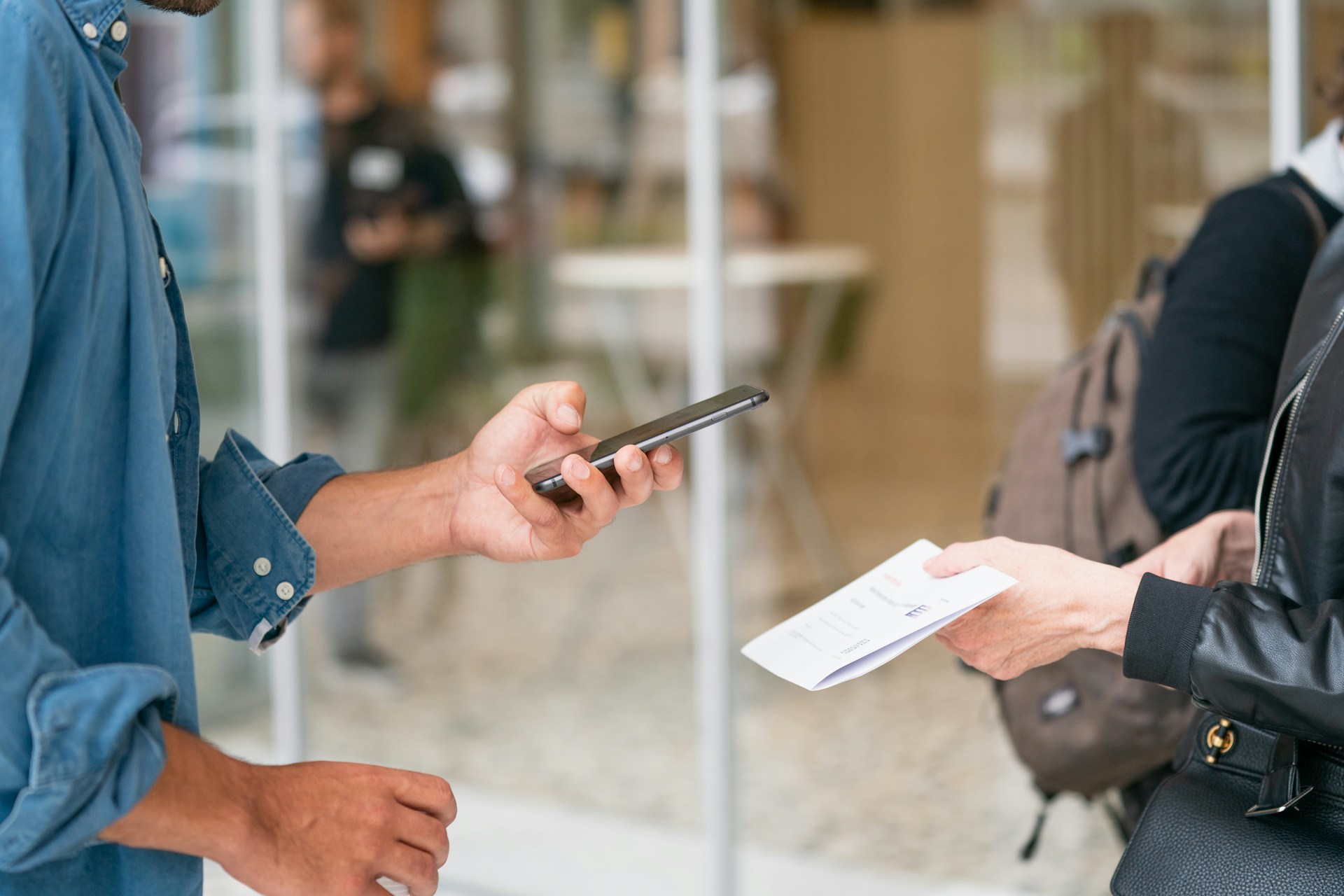
Các giao dịch tiền mặt phát sinh nhiều bất lợi, bao gồm các chi phí liên quan đến việc tổ chức hoạt động thanh toán như in ấn, vận chuyển, lưu trữ và kiểm đếm tiền. Hơn nữa, các giao dịch tiền mặt thường bị lợi dụng để trốn thuế trong các giao dịch lớn và gây ra những vấn đề liên quan đến an sinh xã hội như trộm cắp, tiền giả và rửa tiền. Để ứng phó với những thách thức này, các hạn chế đối với việc sử dụng tiền mặt đã được áp dụng và xu hướng thanh toán không dùng tiền mặt ngày càng trở nên phổ biến.
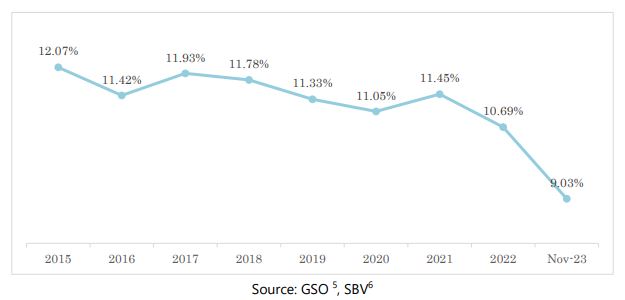
Nỗ lực giảm tỷ trọng tiền mặt trong tổng các phương thức thanh toán bắt đầu được triển khai từ năm 2016 theo Quyết định 2545/QĐ-TTg (Đề án phát triển thanh toán không dùng tiền mặt tại Việt Nam giai đoạn 2016 – 2020). Tuy nhiên, những thay đổi đáng kể trong hành vi thanh toán đã diễn ra trong đại dịch Covid-19 khi người dân phải hạn chế tiếp xúc trực tiếp. Mặc dù đã có những nỗ lực này, mục tiêu giảm tỷ trọng xuống dưới 10% vào cuối năm 2020 vẫn chưa đạt được, và tỷ trọng này có xu hướng tăng vào năm 2021[1]. Hơn nữa, theo một báo cáo về xu hướng thanh toán của người tiêu dùng khi mua sắm trực tuyến và tại các điểm bán lẻ vật lý của Fidelity National Information Services (FIS) – một công ty công nghệ của Mỹ chuyên cung cấp phần mềm và giải pháp xử lý ngân hàng và thanh toán, tỷ lệ thanh toán bằng tiền mặt trong các giao dịch cá nhân tại Việt Nam vẫn ở mức cao trong năm 2022. Việt Nam xếp thứ ba tại khu vực châu Á với tỷ lệ 47%, sau Thái Lan (56%) và Nhật Bản (51%)[2]. Thanh toán không dùng tiền mặt trong các giao dịch dân sinh, đặc biệt tại khu vực nông thôn và vùng sâu, vùng xa; cũng như trong lĩnh vực y tế và giáo dục, đã có một số thay đổi nhưng vẫn còn tương đối khiêm tốn[3]. Để tiếp tục thúc đẩy sự gia tăng của các giao dịch không dùng tiền mặt, Chính phủ tiếp tục triển khai Đề án phát triển thanh toán không dùng tiền mặt giai đoạn 2021-2025 (Quyết định số 1813/QĐ-TTg ban hành ngày 28 tháng 10 năm 2021) và Kế hoạch chuyển đổi số ngành ngân hàng đến năm 2025, định hướng đến năm 2030[4] (Quyết định số 810/QĐ-NHNN ban hành ngày 11 tháng 5 năm 2021). Mục tiêu giảm tỷ trọng thanh toán tiền mặt xuống dưới 10% đã đạt được vào tháng 10 năm 2022 (9.78%), với xu hướng giảm ổn định trong năm 2023, đạt tỷ lệ thấp nhất (8.53%) vào tháng 9 năm 2023.
Tỷ trọng tiền mặt trong tổng phương tiện thanh toán, 2015 -2021 (%)
 Một sự chuyển dịch đáng kể trong thói quen sử dụng tiền mặt đã được ghi nhận ở nhóm tuổi 18-27, những người sớm tiếp nhận công nghệ, nhờ đó dễ dàng tiếp cận và hiểu các phương thức thanh toán không dùng tiền mặt. Họ ưa chuộng mua sắm trực tuyến và các giao dịch không dùng tiền mặt hơn so với hình thức mua hàng truyền thống tại cửa hàng. Việc tích hợp nhiều tính năng và các dịch vụ liền mạch khiến thanh toán không dùng tiền mặt ngày càng thuận tiện đối với thế hệ trẻ. Bên cạnh đó, phương thức thanh toán này còn cung cấp các mã giảm giá rõ ràng và minh bạch [7]. Thanh toán không dùng tiền mặt đã mở rộng từ nhóm người trẻ sang các nhóm tuổi khác, ngày càng phổ biến trong cả hoạt động mua sắm trực tuyến và trực tiếp, cũng như trong nhiều hoạt động thanh toán hằng ngày.
Bên cạnh những lợi ích và tiến bộ của thanh toán không dùng tiền mặt, hình thức này cũng đối mặt với một số rủi ro. Các rủi ro bao gồm tội phạm mạng công nghệ cao như đánh cắp thông tin tài khoản cá nhân và các hoạt động gian lận liên quan đến việc xâm phạm tài khoản ngân hàng. Các ngân hàng đang triển khai nhiều giải pháp công nghệ nhằm giúp khách hàng tăng cường bảo mật và ứng phó với các hình thức gian lận mới có sử dụng trí tuệ nhân tạo, nhưng đây vẫn là một thách thức đang tiếp diễn và không ngừng biến đổi [8]. Thanh toán bằng tiền mặt không thể được thay thế hoàn toàn, và cả hai hình thức thanh toán sẽ tiếp tục cùng tồn tại trong tương lai.
B&Company
Bài viết này đã được đăng trong chuyên mục “Đọc xu hướng Việt Nam” của ASEAN Economic News. Vui lòng xem bên dưới để biết thêm thông tin

|
Công ty B&Company, Inc. Công ty Nhật Bản đầu tiên chuyên về nghiên cứu thị trường tại Việt Nam từ năm 2008. Chúng tôi cung cấp một loạt các dịch vụ bao gồm báo cáo ngành, phỏng vấn ngành, khảo sát người tiêu dùng, kết nối kinh doanh. Ngoài ra, chúng tôi đã phát triển một cơ sở dữ liệu với hơn 900.000 công ty tại Việt Nam, có thể được sử dụng để tìm kiếm đối tác và phân tích thị trường. Xin vui lòng liên hệ với chúng tôi nếu bạn có bất kỳ câu hỏi nào. info@b-company.jp + (84) 28 3910 3913 |