

 简体中文
简体中文  English
  日本語
日本語  Tiếng Việt
  한국어
한국어 本文探讨了日本大米最有可能在越南、泰国和印度尼西亚这三个国家找到产品市场契合点。
313 月2026
最新新闻与报告 / 越南简报
评论: 没有评论.
抽象的
大米仍是东南亚各地的主食,但并非所有大米市场都同样适合日本大米。随着日本大米出口从大宗商品贸易逐步转向高端、餐饮服务和增值渠道,越南、泰国和印度尼西亚呈现出三种截然不同的需求环境。各市场在消费者口味、消费模式、对进口大米的开放程度以及日本食品生态体系的成熟度方面各不相同。在此背景下,本文将考察日本大米在这三个国家中最有可能实现产品与市场匹配的市场。.
什么样的市场适合日本大米?
如今,日本大米更明确地被定位为一种增值品类,而不是通过低价或单纯规模展开竞争的产品。它主要属于短粒粳米,以米粒圆润、煮熟后黏性强且口感柔软而著称;与此同时,日本的出口产品组合也已从商业大米扩展至包装米饭、米制即食餐食、米粉及米粉制品。2025年,日本大米最大的出口目的地依次为中国香港、美国、新加坡、中国台湾和泰国,这表明该产品在对高端产品和日式餐饮体验具有明确需求的市场中表现最佳[1].
越光米——日本标志性的高端稻米品种
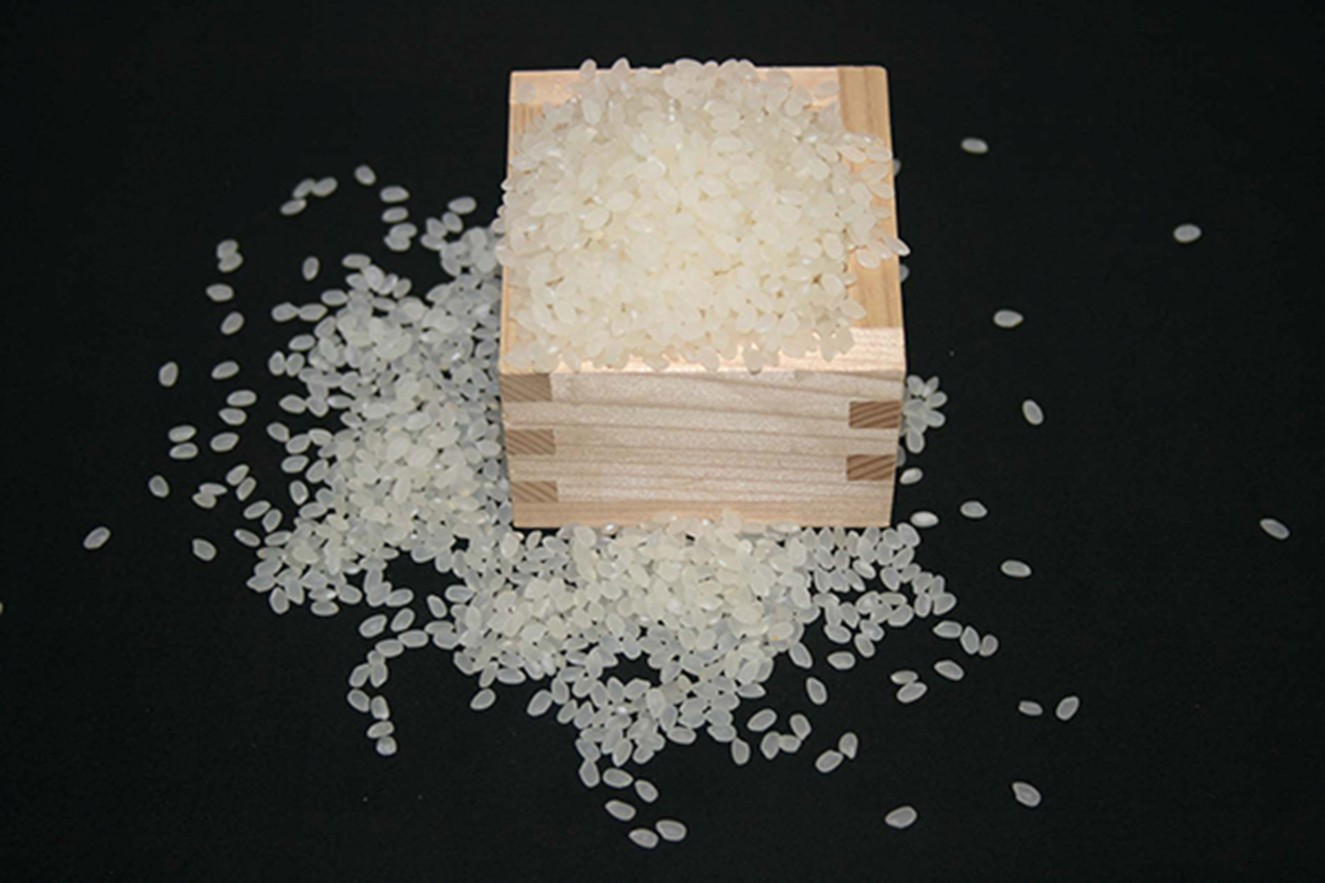
来源: Japan.net
由于日本大米在价格和规模方面都不具备明显优势,因此评估市场匹配度不能仅依据整体大米消费量。更重要的是,一个市场是否真正准备好接受具有鲜明特征和明确烹饪属性的产品。根据该产品的特性以及MAFF当前的出口促进方向[2] (日本农林水产省),可以通过以下主要维度评估各市场的匹配度:
– 口味契合度
– 为高端细分市场支付溢价的能力
– 日本餐饮服务生态体系的成熟度
– 对进口大米的开放程度
– 国产高端大米带来的竞争压力
越南:最具潜力的新兴日本大米适配市场
从规模来看,越南仍是该地区主要的大米市场之一。2025年,稻谷产量达到4,354万吨,为四年来最高水平[3]然而,在需求方面,市场正在趋于成熟,预计到2024年,人均大米月消费量将降至6.5公斤,比2008年下降40%。[4]. 。这表明,未来的增长重点将不再是提高产量,而更多在于品质、市场细分以及大米的消费方式。.
从口味角度来看,越南目前还不是粳米天然的大规模市场。湄公河三角洲的稻米生产仍然集中在优质白米和长粒香米品种上,如 ST25、OM5451、Dai Thom 8 和 OM18,而粳稻仅占种植面积的 4% 左右。实际上,这使得日本大米更适合寿司、饭团、便当和日式米饭料理等特殊消费场景,而非大众市场的日常膳食。
OM5451大米——越南种植最广泛的稻米品种之一
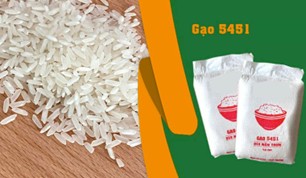
来源: VIFOOD
与此同时,越南高端餐饮市场也呈现出令人鼓舞的迹象。《2025年越南米其林指南》收录了181家餐厅,比上一年增长了10%,反映出消费者对高品质餐饮体验日益增长的需求。此外,在收入增长以及对食品安全、卫生和健康生活方式日益关注的推动下,消费者也逐渐从传统的菜市场转向超市和现代化商店。[5].
越南的日本食品生态体系也在快速扩张。截至2025年5月,该国共有2,688家日本餐厅,其中仅胡志明市就有1,219家,几乎是2015年水平的四倍[6]. 。这为日本大米创造了天然的销售渠道,尤其是在餐厅、即食食品以及需要保留正宗日式用餐体验的产品形态中。.
不过,越南对进口大米仍维持相对严格的保护,最惠国税率最高可达40%,但老挝和柬埔寨等部分邻国合作伙伴可享受基于配额的0%优惠[7]. 。因此,日本大米不太可能在大众市场以价格展开竞争,更适合定位于高端细分市场。.
日本大米在越南面临的最大挑战是来自越南本土优质品种的竞争。根据美国农业部的数据,OM5451、Dai Thom 8 和 OM18 占湄公河三角洲 2025 年冬春季作物种植面积的 60% 和夏秋季作物种植面积的 68%,凸显了越南对高质量大米生产和出口日益增长的重视。在此背景下,日本大米只有与正宗日本料理以及本土大米无法完全复制的原产地价值主张紧密相连时,才能脱颖而出。
泰国:当前最适合日本大米的市场
泰国仍是大米消费大国,但已明显进入成熟阶段。美国农业部预计,2025/26市场年度泰国国内大米消费量为1,240万吨,与上一季基本持平;与此同时,人均消费量已从2018年的100千克降至近年来约75千克[8]. 。这表明,该市场的增长不再由消费量驱动,而是越来越多地依赖品质和专业化消费场景。.
从主流口味偏好来看,泰国并不是最自然适合日本大米的市场。消费者对长粒香米,尤其是茉莉香米,有着根深蒂固的偏好;而日本大米属于短粒粳米,口感更柔软、黏性更强。.
茉莉香米——泰国标志性的香米
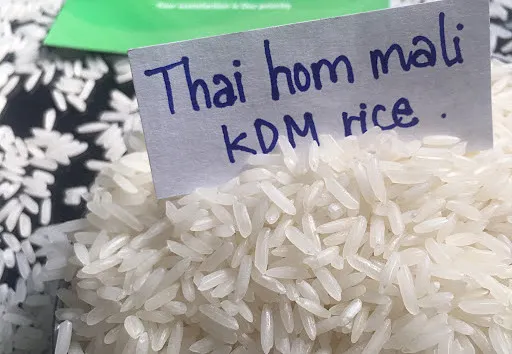
来源: Phuong Nam Food
不过,泰国对高端食品展现出较强的购买力,尤其是在城市消费者群体中。根据美国农业部的数据,2025年1月,茉莉香稻谷价格达到每吨15,003泰铢,远高于普通白稻谷每吨9,180泰铢的价格。价格差异表明,消费者愿意为大米的品质和品牌价值支付更高价格。.
泰国的日本料理生态体系是另一项重大优势。JETRO最新调查显示,2025年泰国共有5,781家日本料理餐厅,较2007年的745家大幅增加[9]. 。这使泰国拥有该地区最深厚、最广泛的日本餐饮基础之一,且以曼谷为中心,也使餐厅成为日本大米最自然的切入点。.
然而,市场准入并非易事。大米进口仍受关税配额和严格许可证管制,配额内关税为30%,配额外关税为52%。[10] 在249,757吨的配额数量基础上,进口食品总体上还必须符合许可、生产标准和标签要求。.
在高端市场,泰国已经拥有Hom Mali这一强有力的国内标杆。因此,只有当日本大米不被定位为另一种高端大米,而是被塑造为正宗日本餐饮体验中不可或缺的组成部分,并突出产地、品质、故事和感官体验的精准性时,才有进一步增长的空间。.
印度尼西亚:日本大米最大的长期机遇
印尼仍然是一个庞大的大米市场,预计2024年人口将达到约2.835亿。然而,目前印尼大米市场更多地受到粮食自给自足政策的影响,而非开放贸易:菲律宾统计局(BPS)报告称,2025年粮食消费用大米产量为3469万吨,比2024年增长13.29%。[11], ,而USDA Indonesia指出,政府在2025/26市场年度仅允许进口特色大米。这表明,尽管潜在需求规模巨大,但进口大米的市场准入目前已基本局限于专业化细分市场。.
从大众市场的口味偏好来看,印度尼西亚并不是日本大米最自然的适配市场。最明确的信号来自政府自身的立场:目前进口大米仅用于特定餐饮场景,包括供日本餐厅使用的日本大米,以及供阿拉伯或印度餐厅使用的巴斯马蒂大米,因为这些需求无法由国产大米替代[12].
印尼确实拥有愿意为高端食品买单的城市消费群体,但这种需求主要集中在中高收入家庭以及专业的现代零售渠道。根据菲律宾统计局(BPS)的数据,中产阶级和有志成为中产阶级的人群占总人口的66.35%,但却占家庭支出的81.49%。[13], ,而USDA Indonesia指出,消费者对健康、营养和高端产品的需求仍在持续增长 [14].
MAFF在2025年的调查估计,印度尼西亚约有6,580家日本料理餐厅,较上一调查期增加2,580家。这使印度尼西亚成为该地区较为重要的日本餐饮市场之一,也证实日本大米在餐饮服务领域确实存在一个真实的细分市场[15].
尽管印度尼西亚一度是主要大米进口国,但其已收紧管控措施,以优先实现大米自给;从2025/26市场年度起,仅允许进口用于无法由国产大米替代的用途的特色大米。由于主要障碍在于严格的许可制度,而非关税水平,日本大米目前局限于服务高端餐厅和加工需求的狭窄市场,尚未实现面向大众零售市场的扩张。.
Farmers cultivating rice in Indonesia
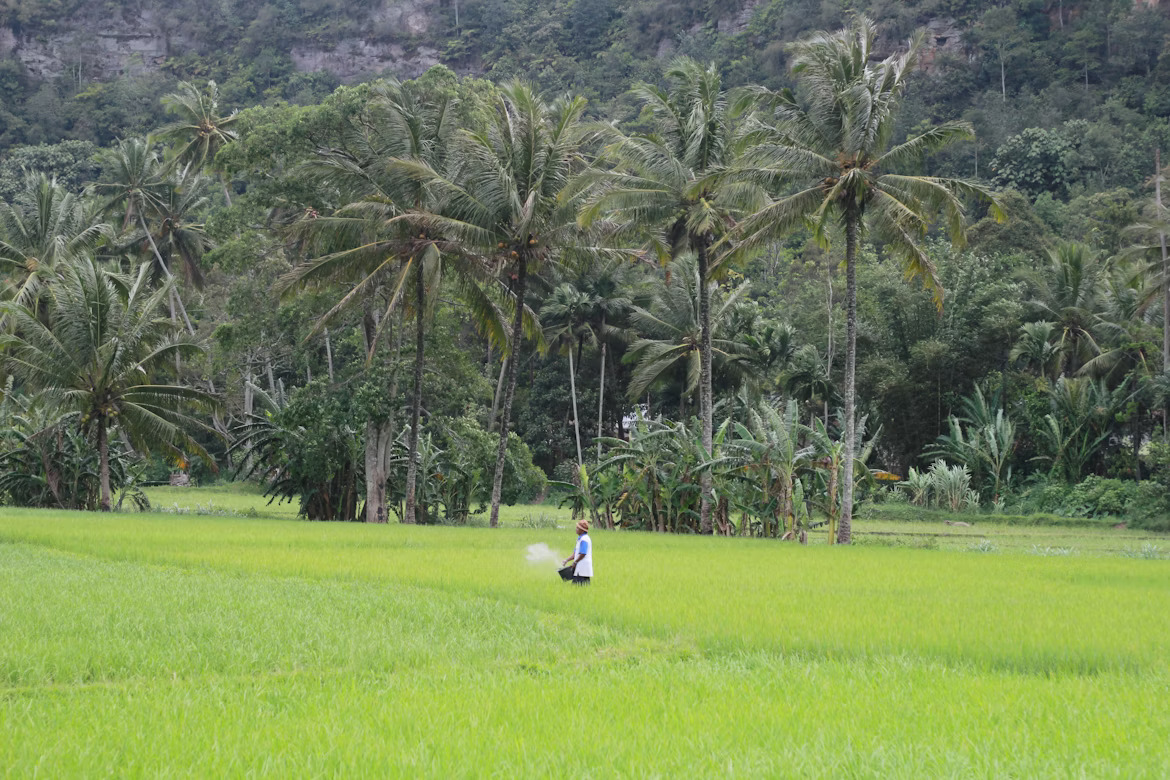
国家综合分析:日本大米在哪些市场具备产品–市场匹配度?
泰国目前为日本大米提供了最明确的市场匹配度,这并非源于大众需求,而是因为当地已经形成了理解并接受日本料理价值的消费者层。庞大的日本料理餐厅基础和强劲的城市高端需求,共同构成了一个现成的细分市场。即便如此,只有当日本大米被定位为正宗日本餐饮体验的核心要素,而非另一种高端大米时,才能在泰国市场脱颖而出。.
越南目前在市场匹配度方面可能尚未达到泰国的深度,但它是匹配度显现速度最快的市场。高端餐饮的扩张以及日本餐饮服务的快速增长,表明城市消费者正日益接受品质、体验和品牌故事。因此,与日常主食大米的竞争相比,越南最有希望通过餐饮服务、即食食品和高端零售渠道推动日本大米增长。.
得益于规模可观的中产阶级和对高端食品日益浓厚的兴趣,印度尼西亚拥有最大的长期增长潜力,但日本大米仍受到政策的严重限制。尽管日本料理餐厅网络和家庭购买力已达到足以支撑真实客户细分市场的规模,但政府仅允许进口特色大米的政策大幅收窄了市场准入。目前,印度尼西亚市场的匹配度具有高度选择性,其发展更多取决于政策窗口,而不仅仅是潜在需求。.
结论
综合来看,这三个市场表明,日本大米的最佳表现并不取决于大米需求规模最大的市场,而取决于高端需求、日本餐饮服务和市场准入能否实现匹配。泰国似乎具备最佳的当前市场匹配度,越南拥有最强劲的新兴市场匹配度,而印度尼西亚则在最狭窄的准入窗口下展现出最大的长期潜力。对出口商而言,这意味着成功与否将较少取决于将日本大米作为普遍意义上的高端产品进行推广,而更多取决于为每个市场匹配正确的定位、渠道和消费场景。.
阅读更多
* 如果您希望引用本文中的任何信息,请同时注明来源并附上原文链接,以尊重版权。.
| B&Company
自2008年以来,第一家专注于越南市场研究的日本公司。我们提供广泛的服务,包括行业报告、行业访谈、消费者调查、商业匹配。此外,我们最近开发了一个包含超过900,000家越南公司的数据库,可用于寻找合作伙伴和分析市场。. 如果您有任何疑问,请随时与我们联系。. info@b-company.jp + (84) 28 3910 3913 |
[1] https://www.maff.go.jp/j/syouan/keikaku/soukatu/kome_yusyutu/attach/pdf/kome_yusyutu-774.pdf
[2] https://www.maff.go.jp/j/seisaku_tokatu/antei/attach/pdf/keiei_antei-298.pdf
[3] https://www.nso.gov.vn/tin-tuc-thong-ke/2026/01/thong-cao-bao-chi-tinh-hinh-kinh-te-xa-hoi-quy-iv-va-nam-2025/
[4] https://apps.fas.usda.gov/newgainapi/api/Report/DownloadReportByFileName?fileName=Grain+and+Feed+Quarterly_Ho+Chi+Minh+City_Vietnam_VM2025-0028.pdf
[5] https://www.jetro.go.jp/ext_images/agriportal/platform/vn/pf_vho_202512.pdf
[6] https://www.jetro.go.jp/biznews/2025/05/bfb176ac0ce97af1.html
[7] https://www.vietnamtradeportal.gov.vn/index.php?id=11201&r=tradeInfo%2Fview
[8] https://apps.fas.usda.gov/newgainapi/api/Report/DownloadReportByFileName?fileName=Grain+and+Feed+Annual_Bangkok_Thailand_TH2025-0011.pdf
[9] https://www.jetro.go.jp/ext_images/thailand/food/2025survey/japaneserestaurantsurvey202601.pdf
[10] https://www.wto.org/english/news_e/news_docs/s480_e.pdf
[11]https://www.bps.go.id/en/pressrelease/2026/02/02/2545/luas-panen-padi-pada-tahun-2025-mencapai-sekitar-11-32-juta-hektare-dengan-produksi-padi-sebanyak-60-21-juta-ton-gabah-kering-giling–gkg-.html
[12] https://en.antaranews.com/news/379265/indonesias-rice-imports-limited-to-specialty-dining-needs-sudaryono
[13] https://www.bps.go.id/en/news/2024/10/25/622/kelas-
[14]https://apps.fas.usda.gov/newgainapi/api/Report/DownloadReportByFileName?fileName=Retail%20Foods%20Annual_Jakarta_Indonesia_ID2025-0036
[15] https://www.maff.go.jp/j/shokusan/eat/attach/pdf/160328_shokub-21.pdf
相关文章

















登录 / 注册
订阅新闻通讯