
 한국어
한국어  English
  日本語
日本語  Tiếng Việt
  简体中文
简体中文 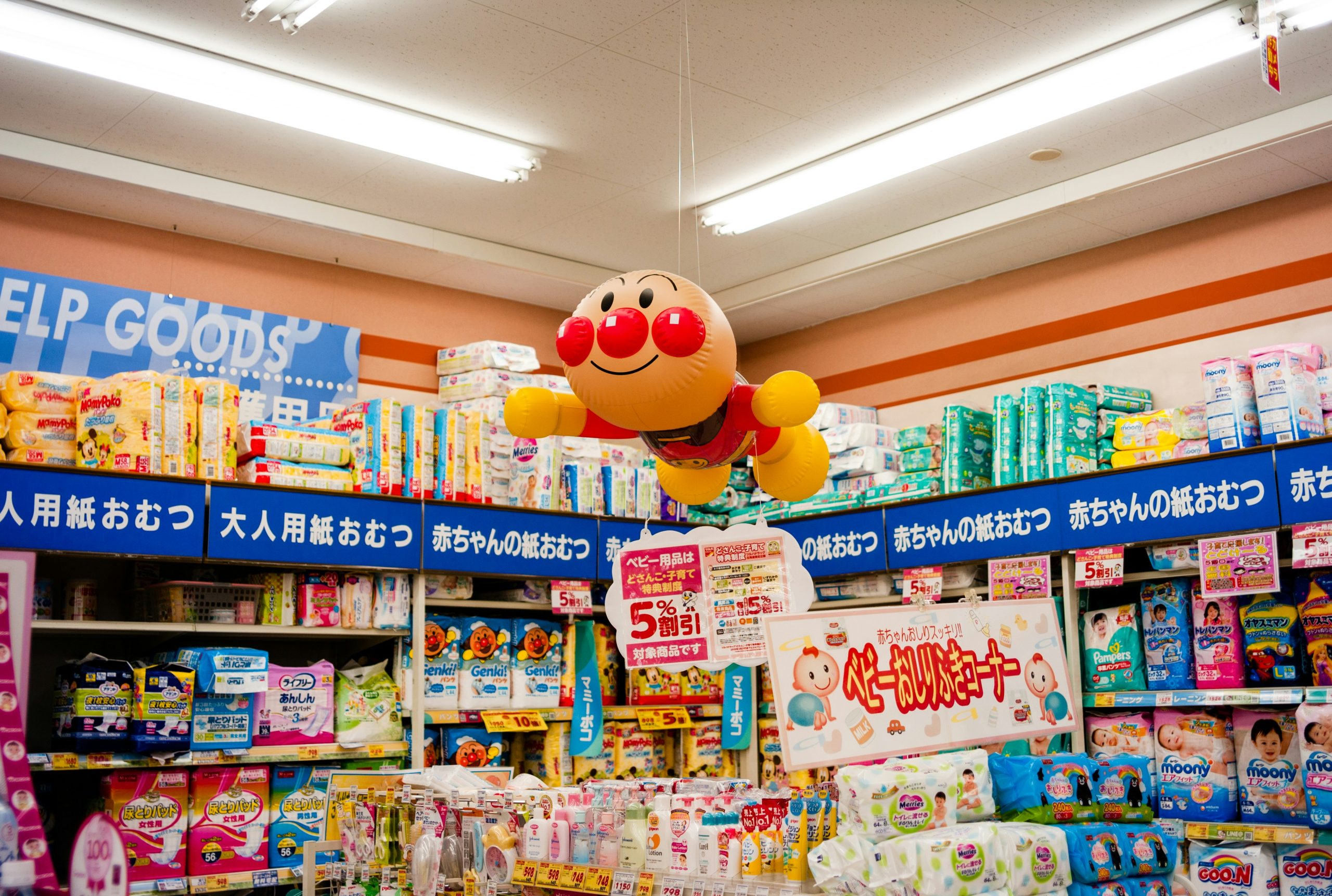
3012월2024
업계 리뷰 / 최신 뉴스 및 보고서
댓글: 댓글 없음.
Market overview of Japanese retail situation
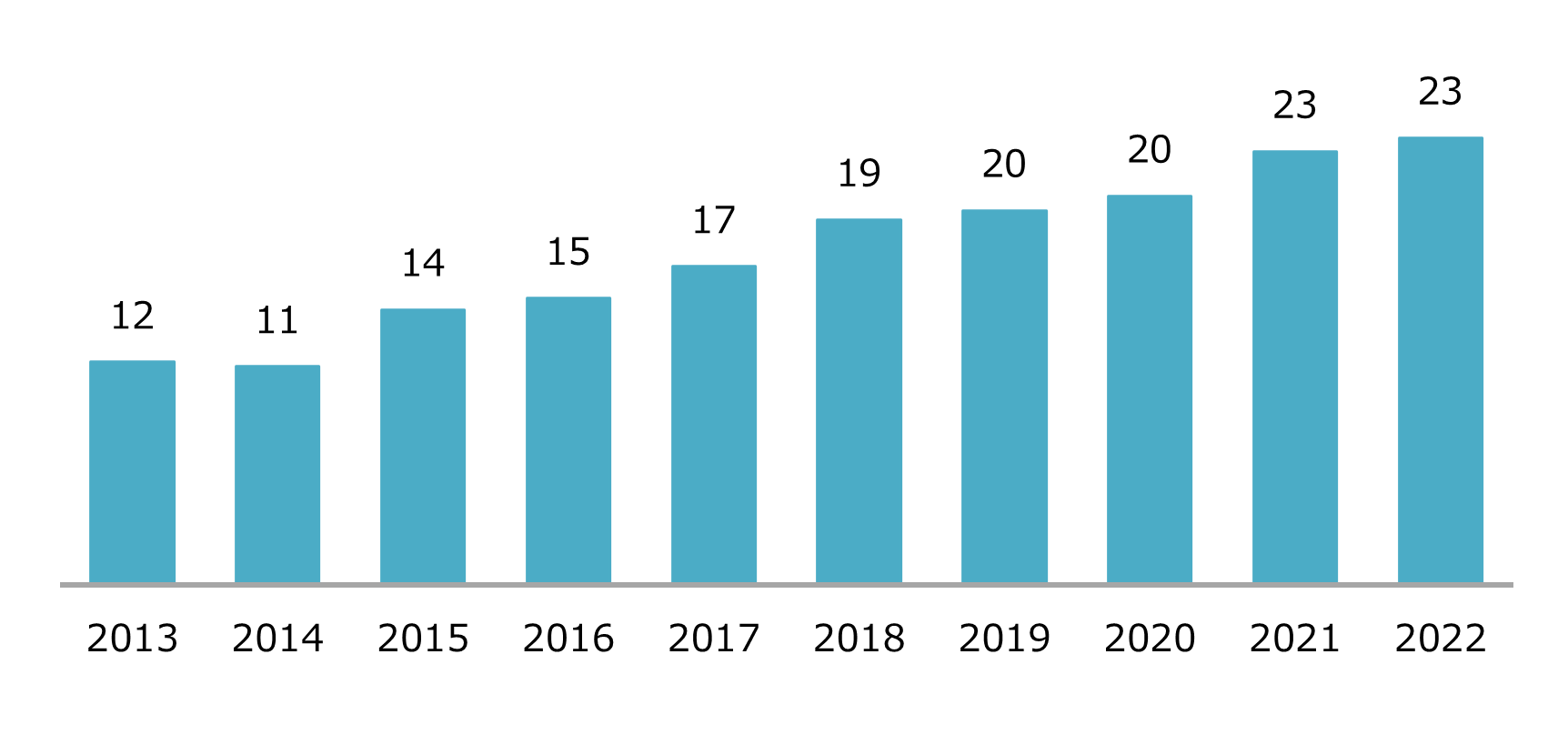
Japan has established a significant presence in Vietnam’s retail market over the past few decades, reflecting the growing economic ties between the two countries. As one of the fastest-growing economies in Southeast Asia, Vietnam has become an attractive destination for foreign investment, particularly in retail. The chart below shows how retail goods imported from Japan in Vietnam has continued to increase in recent years.
Export value of Japanese retail goods to Vietnam (2013-2022)
단위: 10억 달러
출처: Statista
This article mostly focuses on convenience store chains, malls and apparel chains as a reflection on the situation of Japanese retail products in Vietnam.
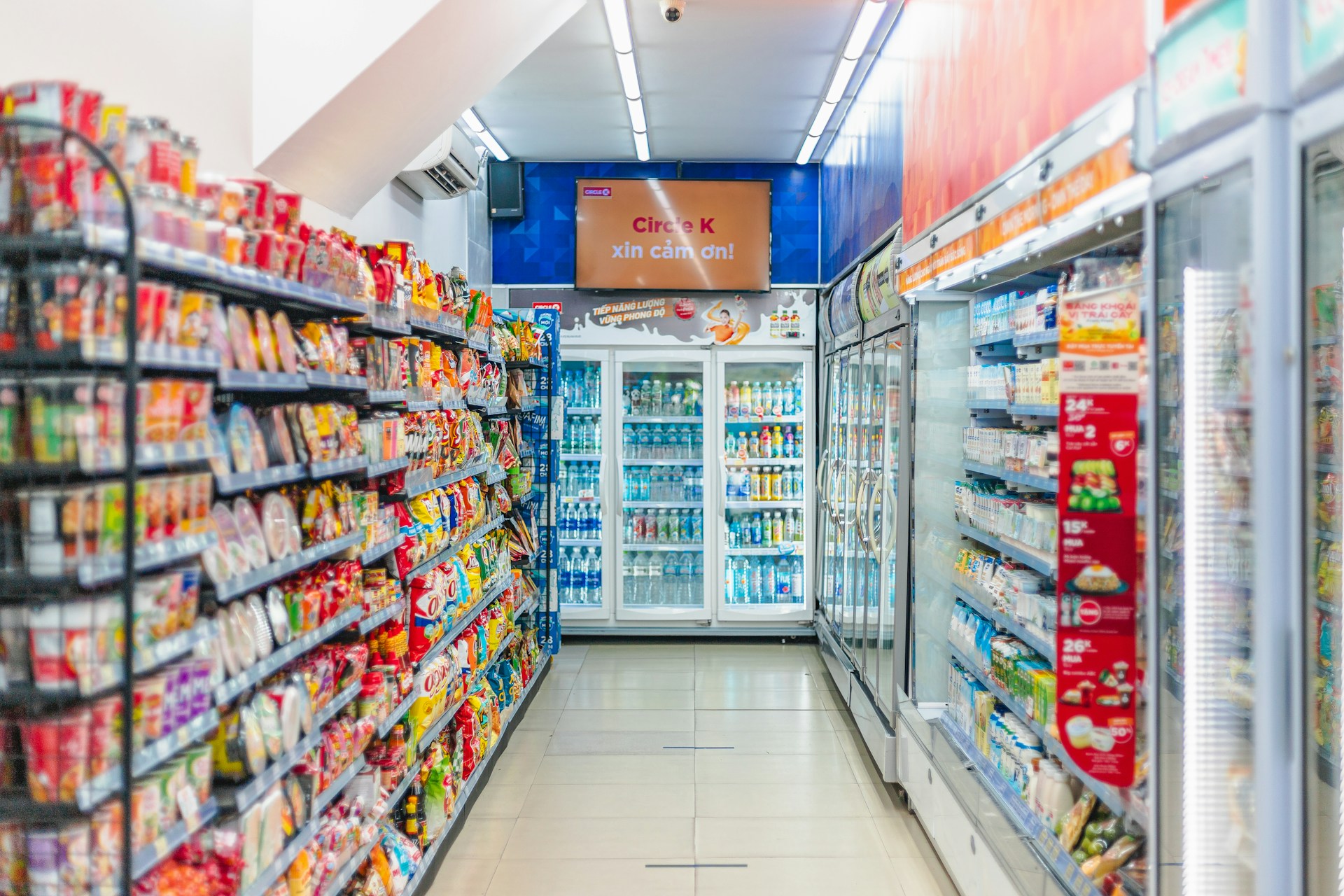
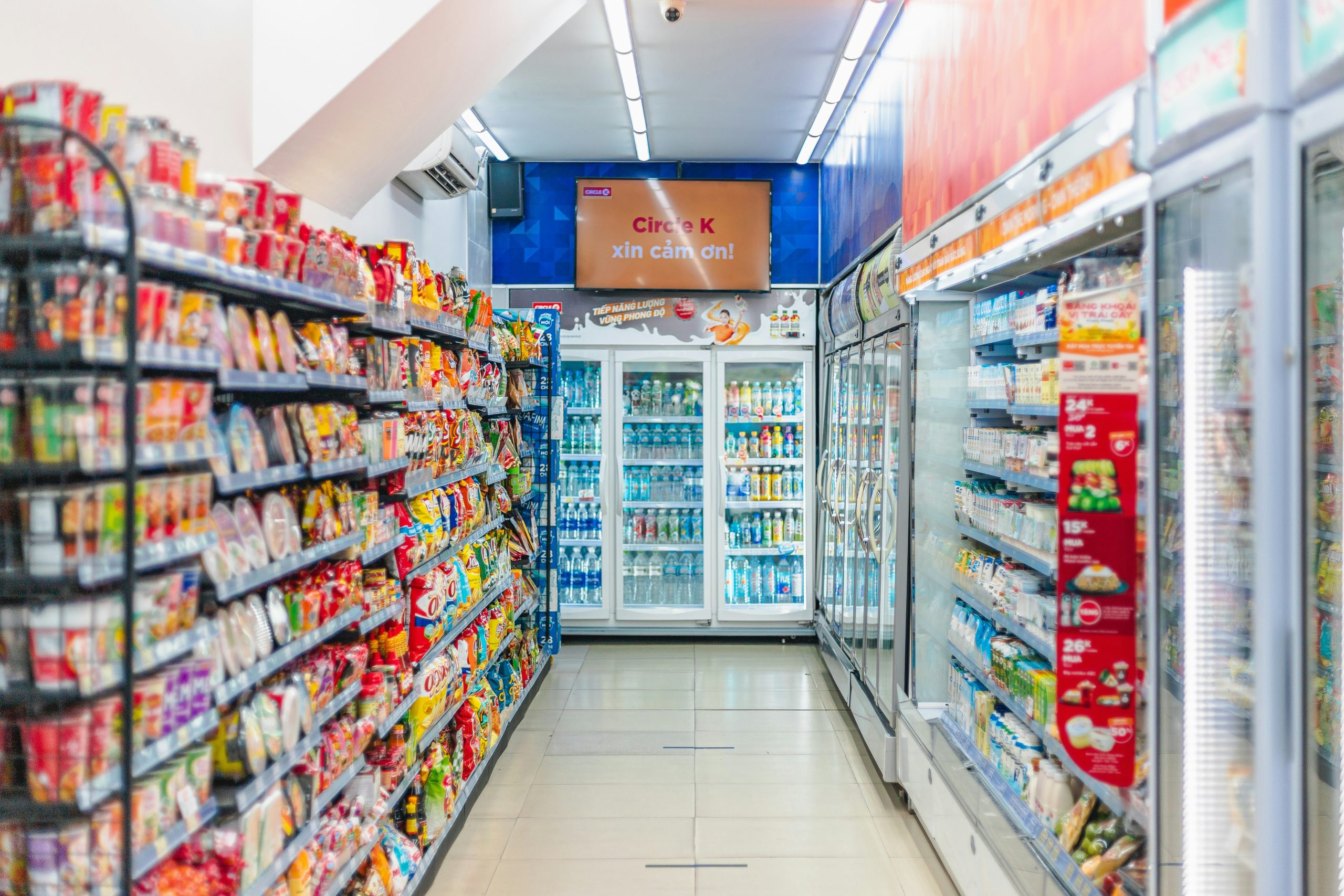
The history of Japanese consumer goods retail started with convenience stores. The introduction of Japanese convenience stores in Vietnam began with MiniStop, which opened its first store in 2011[1], following the successful case of Circle K. This marked the start of Japanese retail presence in the country, setting off a competitive wave in the convenience store sector. MiniStop’s entry established a foundation for Japanese-style convenience shopping in Vietnam, paving the way for other chains like FamilyMart or 7-Eleven to become familiar names in the market. This initial success created opportunities for additional foreign brands to enter and contribute to the vibrant convenience store landscape. In July, 2024, it is recorded that there are 1,374 convenience stores across the country[2]. The table below presents the most popular convenience stores in Vietnam, including three well-known Japanese store chains MiniStop, Family Mart and 7-Eleven.
The most popular convenience stores in Vietnam
| 체인 | 기원 | Vietnam entry year | 아니요. stores (2024) |
| 서클 K | 우리를 | 2008 | 400 |
| GS25 | 대한민국 | 2018 | 300 |
| 미니스톱 | 일본 | 2011 | 178 |
| 패밀리마트 | 일본 | 2013 | 160 |
| 세븐일레븐 | 일본 | 2017 | 66 |
출처 : B&Company의 종합
Building on the momentum of FamilyMart’s entry, AEON – representing the mall segment – launched its first retail center in Vietnam in 2014[3]. This marked a major milestone, as AEON not only brought a modern retail format but also emphasized high standards in product quality, customer service, and a broad selection of fresh foods, grocery, home appliances and other consumer goods. AEON now operates 11 shopping centers[4], with the newest one recently developed in Hue[5].
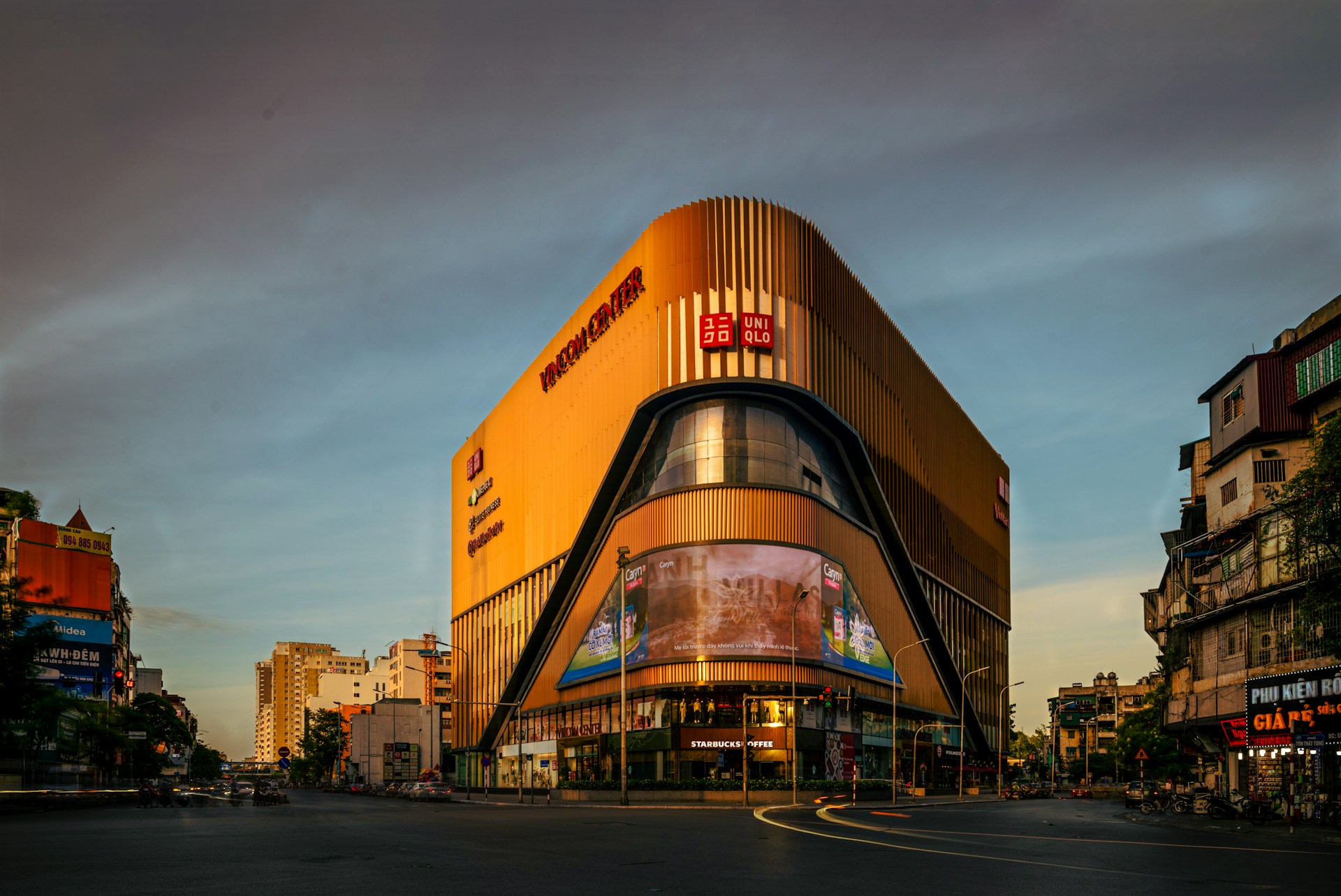
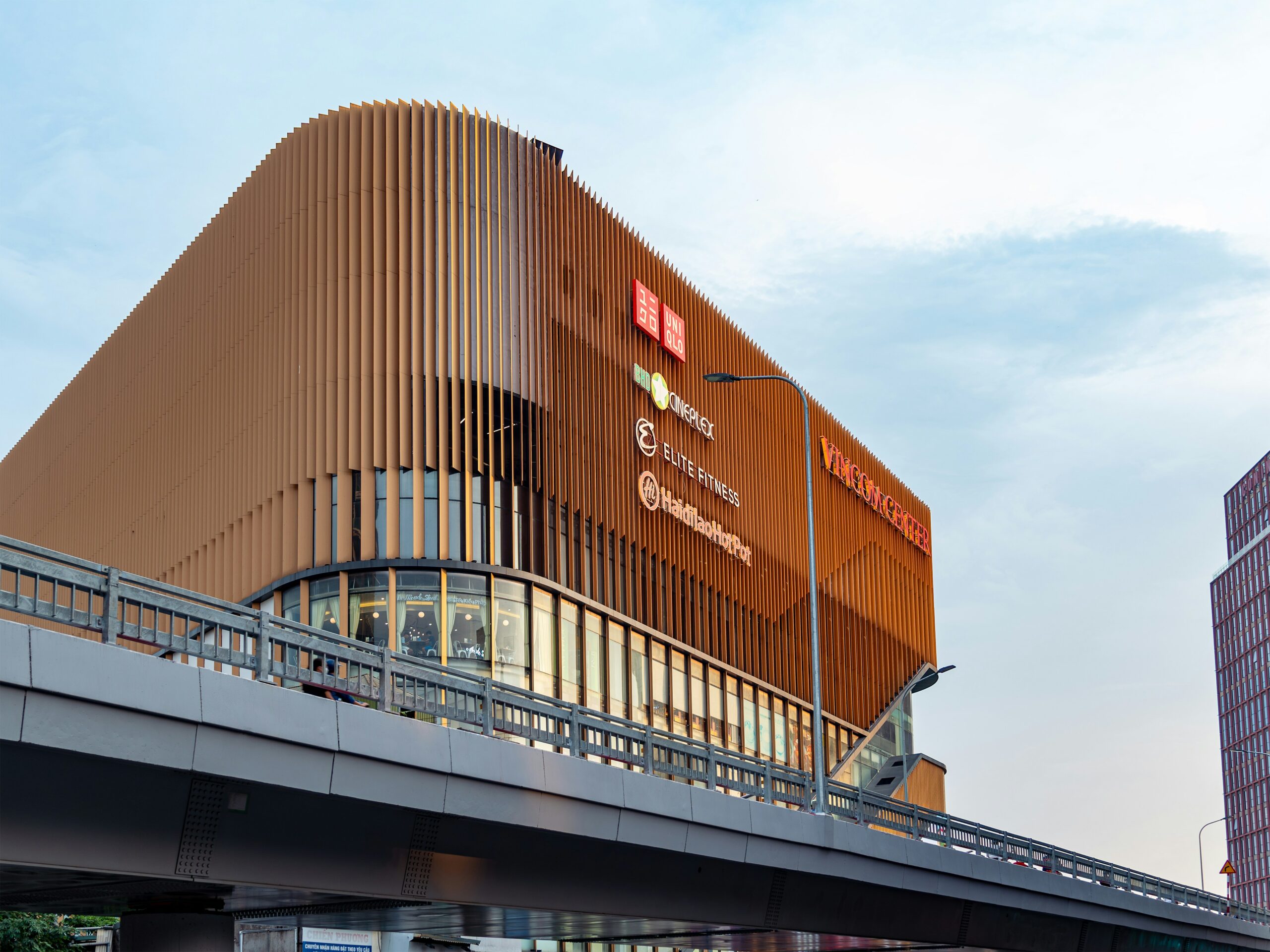
As Japanese products continued to establish a strong presence in Vietnam, consumers gradually shifted their interest from essential goods to branded products, premium goods and discretionary items. This shift is particularly evident in the fashion sector, with Japanese brands like Uniqlo and Muji entering the Vietnamese market. Uniqlo has now established 25 stores[6] and Muji has opened 10 stores[7] across the country, making the market more vibrant.
Alongside Japanese-origin enterprises, Vietnamese-owned businesses focusing on importing Japanese goods have also found their place in the market. Of which, Hachi Hachi and Sakuko are two prominent names, specializing in imported Japanese products in the retail chain models. Established in 2007 with around 05 stores in Ho Chi Minh City, Hachi Hachi follows a fixed-price model, offering affordable household items, food, and cosmetics[8]. In contrast, Sakuko, founded in 2011 and operating over 40 stores across the country, exclusively imports 100% of Japanese products, including health supplements, cosmetics, and baby care items, catering to higher-end consumer needs[9]. These chains have brought Japanese style and quality closer to Vietnamese consumers.