

 日本語
日本語  English
  Tiếng Việt
  简体中文
简体中文  한국어
한국어 ベトナムでは、国産のTMSプラットフォーム、GPS追跡システム、AIを活用したルート最適化ツールの応用が急速に拡大しています。

2025年12月3日
最新ニュース&レポート / ベトナム速報
コメント: コメントはまだありません.
ベトナムの物流セクターでは、政策面の後押しと業界需要を背景に、デジタル化が急速に進んでいる。物流は、国家デジタルトランスフォーメーション・プログラム2025(2030年ビジョン)で優先対象とされた8業種の一つであり、物流費が依然として企業にとって大きな負担となっている市場において、先端技術を活用して業務コストを削減することが期待されている。こうした背景のもと、ベトナムでは国内TMSプラットフォーム、GPS追跡システム、AIを活用したルート最適化ツールの導入が急速に拡大している。導入は大手3PL企業やEコマース事業者で最も進んでいる一方、データ品質の問題や車両群の分散が、全面的な導入を引き続き制約している。.
Organizational structure of the Ministry of Transport
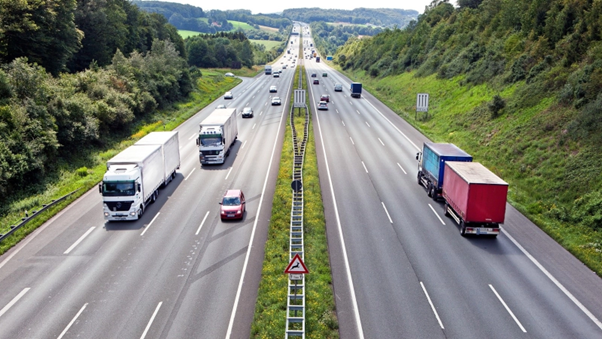
出典: Luat Viet Nam
市場概観:規模、特徴、デジタル導入状況
ベトナムの物流・貨物輸送市場はすでに大規模であり、拡大を続けている。同業界は顕著な進展を遂げており、ベトナムの物流パフォーマンス指数(LPI)は2023年に3.3へ上昇し、139カ国・地域中43位となった。これは、2010年の53位からの上昇である[1]. 。2023年には、ベトナムはASEAN域内でも5位となり、フィリピンと同順位で、シンガポール、マレーシア、タイに次ぐ位置となった。最近の推計では、物流市場の総額は2024年に806.5億米ドルに達し、予想CAGRは約6.40%で、2034年には1,499.8億米ドルに達すると見込まれている[2].
。現在、ベトナムには3,000社を超える物流企業があり、その89%は国内企業で、その大半が中小企業(約95%)である。しかし、これらの企業が占める市場シェアは約30%にとどまる。残りのシェアは外国企業が支配しており、特にコールドチェーン物流などの高付加価値分野でその傾向が強い。ベトナムの物流費も、GDPの約18%と依然として高く、世界平均の14%を大きく上回り、シンガポール(8.5%)やタイ(15.5%)よりも高い水準にある[3].
Six Digital Maturity Levels of Logistics businesses
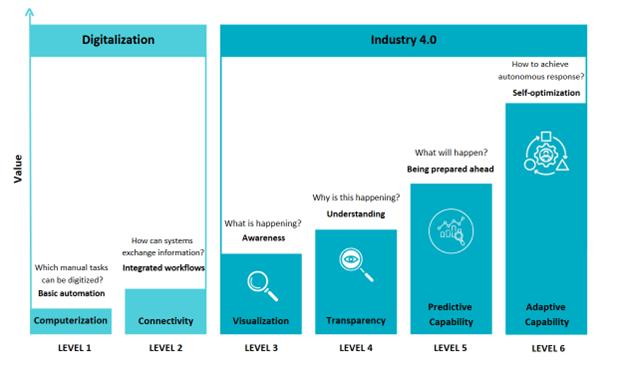
出所:B&Companyによる 産業貿易省の報告書
物流企業464社を対象とした全国調査から、ベトナムの物流セクターは依然としてデジタルトランスフォーメーションの初期段階にあることが明らかになった。90%超の企業が依然として基礎的なデジタル化(レベル1~2)の段階にあり、そのうちレベル2(基本的接続性)が73.5%を占める。高度な段階に進んだ企業はごく少数で、レベル3(可視化)が5%、レベル6(適応能力)を達成した企業はわずか0.4%にとどまる[4]. 。これらの結果は、物流企業が競争力を高め、AI、GPSベースの最適化、輸送管理システム(TMS)などの技術を導入するために克服すべき、デジタル成熟度の大きな格差を示している。TMSとは、輸送業務、ルート設定、運送業者の選定、貨物予約、追跡、輸送書類を管理することで、企業による貨物の移動の計画、実行、最適化を支援するソフトウェアプラットフォームである。.
ベトナムの物流サービス企業における現在のデジタルトランスフォーメーション水準
100% = 物流企業464社
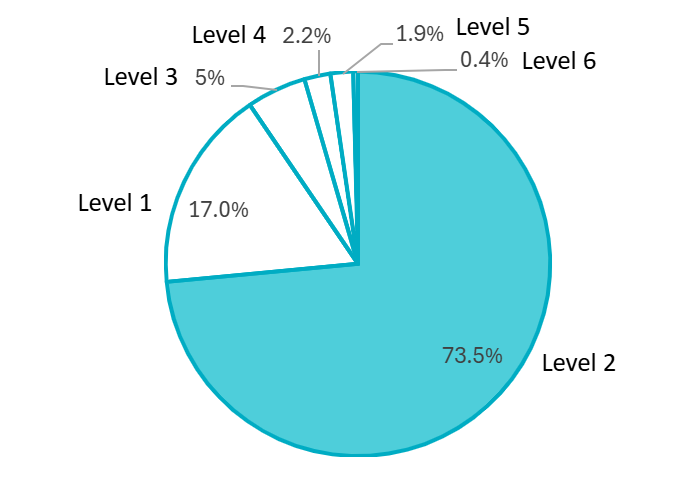
出典: Vietnam Logistics Report 2023
また、輸送管理システム(TMS)、倉庫管理システム(WMS)、注文管理システム(OMS)は大きな発展可能性を持つものの、導入は依然として限定的であり、調査対象企業の導入率はそれぞれ11.0%、10.1%、6.3%にとどまる。.
Software currently used by logistics service enterprises in Vietnam
100% = 物流企業464社
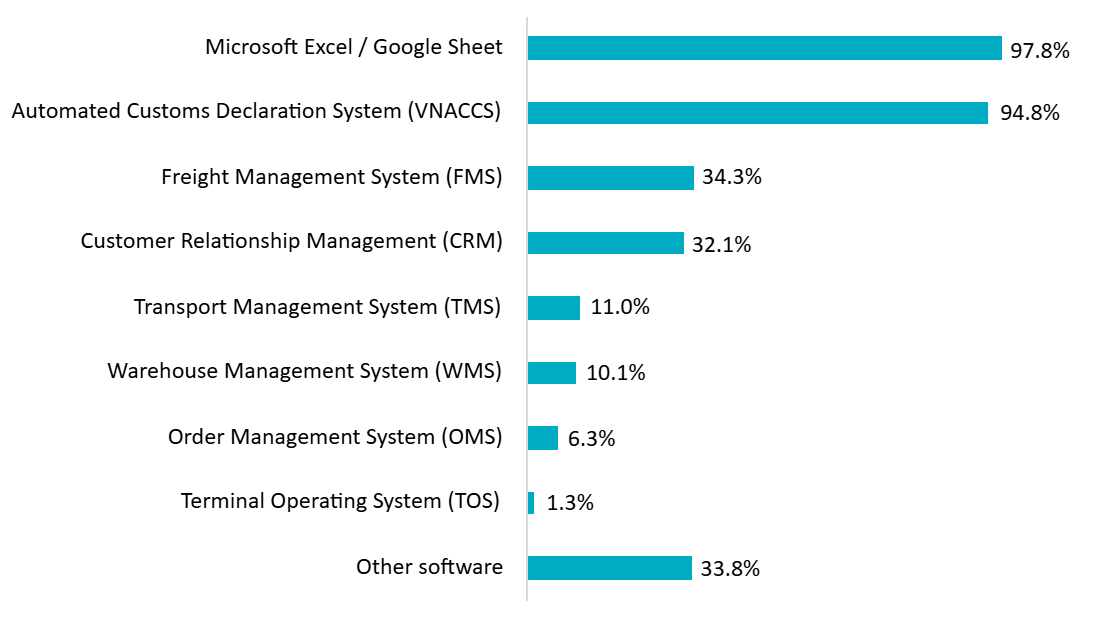
出典: Vietnam Logistics Report 2023
道路輸送におけるTMS導入状況
道路輸送はベトナムの物流セクターで最大のシェアを占め、国内貨物輸送量全体の70%超を構成している。2025年第1四半期の道路貨物輸送量は5億2,580万トンと推定され、16.2%増加した。一方、貨物輸送量は319億トンキロに達し、前年同期比で5.9%増加した[5]. 。さらに、道路輸送はTMS、GPS、AIによるルート最適化が適用される主要な分野であり続けている。.
ベトナムでのTMS導入は、大手3PL企業や国際フォワーダーから始まったが、現地のトラック輸送企業、卸売・流通業者、小売業者へと徐々に拡大している。TMSを活用した積載、配車、ルート計画ソリューションにより、計画策定時間、車両数、総走行距離が大幅に削減されるとともに、電子納品証明や詳細な業務報告などの機能もサポートされることが示されている[6].
ベトナムの道路輸送・物流分野ではTMSへの関心が高まっているものの、導入は依然として限定的かつ均一ではなく、分散した小規模運送事業者よりも、大規模車両群や3PLに集中している。2024年3月に科学技術省が公表した調査によると、中堅・大手物流企業の73%が輸送管理システム(TMS)を導入しており、2021年の58%から上昇した[7]. 。しかし、多くの中小企業は、ルート最適化、分析、システム連携を備えた完全なTMSではなく、GPS追跡やスプレッドシートなど、依然としてデジタル化の初期段階にある。.
GPS追跡およびテレマティクスの普及
ベトナムのフリートマネジメント市場は2024年に7,172万米ドルと評価され、2024年から2032年にかけて年平均成長率(CAGR)11.39%で成長する見込みである[8]. 。ベトナムのフリートマネジメント市場を構成するGPS追跡デバイス市場は、輸送・物流活動の拡大、フリートマネジメント需要の高まり、ならびにEコマースとインフラのデジタルトランスフォーメーションの進展を背景に、急速に拡大している。GPS技術は、各分野におけるルート最適化、リアルタイムの可視化、業務管理に不可欠となっている。GPS追跡デバイス市場は2024年に約2,865万米ドルと評価され、ベトナムのフリートマネジメント市場価値の40%を占めており、2025年から2032年にかけて年平均成長率(CAGR)11.98 %で力強く成長すると予測されている。.
ベトナムのフリートマネジメント市場(2024年~2032年)
単位=百万米ドル
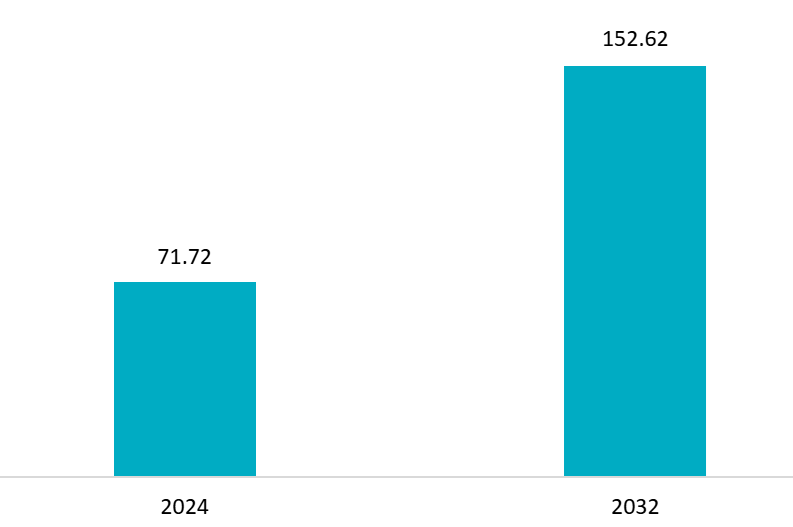
出典: Data Bridge
GPS追跡市場には、Teltonika、Queclinkなどのグローバルブランドと、Vietmap、Taris、Khanh Hoiなどの国内サプライヤーが存在し、SmartlogやEMDDIなどのソフトウェアプロバイダーがこれを支えている。現在、GPS追跡は長距離輸送車両および都市部の車両群の大半で標準的に導入されており、リアルタイム監視、ドライバー行動分析、燃料管理、TMSやAIルーティングエンジンとのシームレスな連携を可能にしている。ベトナムの道路輸送規制では、商用車への走行監視装置およびGPSトラッカーの設置が義務付けられており、強固な国内テレマティクスエコシステムの成長を促している。さらに、ベトナムでは中小企業が大半を占めるため、多くの道路輸送事業者は小規模車両群またはオーナードライバーであり、今なお電話、スプレッドシート、基本的なGPSを使って配車管理を行っている。.
ルート最適化におけるAIの新たな役割
ベトナムはスマート物流イノベーションの活発な拠点にもなりつつあり、Abivin vRouteなどのプラットフォームが、走行距離、計画時間、燃料消費量を削減するAIベースの車両ルーティングソリューションを提供している。科学技術省は、Abivin vRouteを、排出量の削減とより効率的な道路輸送に貢献する主要なスマート物流イノベーションとして公に認定している。.
しかし、AIによるルート最適化を利用しているのは、主に大手3PL、荷主大手、テクノロジーに精通した事業者であり、分散したトラック輸送市場全体にはまだ広く普及していない。主な制約は、純粋に技術的なものというより、構造面および組織面にある。ベトナムの物流分野におけるデジタルトランスフォーメーションに影響を与える要因に関する研究では、資本制約、専門的なIT・AI人材の不足、多くの中小企業におけるデジタルスキルの低さ、システム連携の弱さが主要な障壁として挙げられている[9].
全体として、道路輸送ルートの最適化における国内TMS、GPS、AIの活用は、実証プロジェクトから大規模車両群での幅広い導入へと急速に進展しているが、小規模トラック輸送会社のデジタル成熟度は依然として限定的である。.
道路輸送ルートの最適化におけるTMS、GPS、AIの主要導入企業
AIによるルート最適化は、Viettel Post、GHN、Shopee Express、Ninja Van、J&T Expressなどの急成長するEコマース物流事業者や、DHL、FedExなどのグローバル事業者で最も進んでおり、これらの企業はいずれもTMS、GPSテレマティクス、AIを組み合わせて、複雑で大量の配送ネットワークを管理している。Transimex、Gemadept、Vinafco、AL,Sなどの従来型3PLは、TMSとGPSを広く導入しているが、分析機能やAIベースのルーティングの統合は始まったばかりである。これは明確な傾向を示している。すなわち、配送密度と時間的緊急性が最も高い領域でAIの導入が最も進んでいる一方、従来型の道路輸送事業者は基盤的なデジタルツールに重点を置いている。.
| いいえ。. | 企業名 | 設立年 | 国 | 概要とテクノロジー導入状況 |
| 1 | Viettel Post / Viettel Logistics | 1997 | ベトナム | ベトナム最大級の物流・エクスプレス配送グループの一つ。ラストマイルおよび幹線輸送の計画に、TMS、全国規模のGPSテレマティクス、AIベースのルート最適化を活用している。Viettel Groupのテクノロジーエコシステムを背景に、デジタル化が大きく進展している。. |
| 2 | Vietnam Post (VNPost) | 2005 | ベトナム | State-owned postal and logistics provider. Applies TMS and telematics across its national trucking & delivery network; pilots AI-powered routing to optimize mail & parcel flows. |
| 3 | Scommerce (GHN, AhaMove) | 2012 | ベトナム | Leading e-commerce logistics network in Vietnam. GHN uses real-time GPS, TMS, and AI-driven route planning to optimize thousands of daily last-mile deliveries. |
| 4 | Ninja Van Vietnam | 2014 | シンガポール | Major Southeast Asian express logistics firm. Deploys AI-based dynamic routing, GPS fleet tracking, and automated load planning across its Vietnam operations. |
| 5 | J&T Express Vietnam | 2013 | インドネシア | Operates an extensive road-based parcel network in Vietnam. Uses TMS, scanning/telematics systems, and algorithmic routing to manage high-volume e-commerce deliveries. |
| 6 | Shopee Express (SPX Vietnam) | 2020 | シンガポール | E-commerce delivery arm of Shopee. Heavy user of AI for route sequencing, driver allocation, and real-time GPS monitoring to support nationwide high-density last-mile operations. |
| 7 | Transimex Corporation | 1983 | ベトナム | Leading logistics & 3PL provider. Uses TMS, GPS fleet management, and data-driven route scheduling for domestic trucking and container drayage services. |
| 8 | Gemadept Logistics | 1990 | ベトナム | Large integrated logistics company. Applies TMS, GPS telematics, and optimization tools for inland transport (trucks, ICD-port moves), improving routing and asset utilization. |
| 9 | Vinafco | 1987 | ベトナム | 3PL with strong FMCG distribution network. Uses TMS + GPS for route planning and delivery visibility; applies analytics-based optimization to enhance delivery routes. |
| 10 | ALS (Aviation Logistics Services) Road Transport Division | 2007 | ベトナム | Provides airport-relate trucking and inland transport. Uses TMS, GPS fleet management, and automated routing to meet strict time windows for air logistics. |
| 11 | DHL Vietnam | 1989 (Vietnam operations) | ドイツ | Uses global TMS, telematics, and AI optimization engines in its Vietnam domestic-road distribution, especially in DHL Supply Chain’s FMCG and retail networks. |
| 12 | FedEx Vietnam | 1994 | アメリカ合衆国 | Applies FedEx’s global AI routing and optimization systems in Vietnam’s ground operations, including GPS-connected delivery fleets. |
B&Companyの総括
Key Drivers of Digital Transformation
E-commerce and same-day delivery are pushing route-optimization demand
Vietnam’s rapidly expanding e-commerce sector, expected to reach USD 57 billion by 2025[10] has intensified demand for efficient route planning. The surge in parcel volumes has created denser last-mile networks, more frequent returns, and increasingly complex urban delivery routes. In this environment, large 3PLs, express carriers and online retailers have become early adopters of domestic TMS platforms and AI-driven route-optimization tools to reduce failed deliveries and minimize empty mileage.
Digital transformation and green logistics
At the same time, national logistics development goals for 2030 emphasize reducing logistics costs to 16-18% of GDP[11], increasing outsourcing, and improving sectoral efficiency. This policy direction encourages logistics enterprises to accelerate digital transformation, especially through AI, data analytics and automated route-planning systems that reduce fuel use and support Vietnam’s green logistics and net-zero commitments. Such measures position TMS, GPS and AI as central enablers of both operational savings and environmental objectives.
Tightening regulations and enforcement via GPS data
Regulatory tightening also shapes market behavior. Stricter rules on driving hours, overspeeding and vehicle load limits increasingly rely on GPS-derived journey-monitoring data for enforcement. This pushes transport companies to adopt more reliable telematics and TMS solutions capable of generating compliant digital records. It also strengthens interest in intelligent scheduling and route-optimization engines that help fleets meet legal requirements while still achieving on-time delivery performance.
Growing local software ecosystem
Finally, Vietnam’s software ecosystem is expanding, with new domestic vendors offering cloud-based TMS/FMS platforms tailored to local trucking operations. These systems feature affordable SaaS pricing, integration with common Vietnamese GPS devices, and compatibility with e-invoicing and ERP/WMS platforms. Industry analyses highlight rising demand for integrated fleet-management and route-planning solutions, particularly among 3PLs and large shippers facing cost pressures and service-level demands.
Key Obstacles of Digital Transformation
High Costs and Limited Capital
The majority of Vietnam’s logistics companies are SMEs with tight financial capacity, making digital transformation a significant burden. With two-thirds holding under VND 3 billion in capital[12] and a lack of funding, many firms view TMS, telematics, and AI-powered routing as too expensive compared with short-term operational needs. Comprehensive systems require substantial upfront spending covering software, hardware, training, and ongoing maintenance, which many companies find difficult to justify. As a result, digital transformation is often perceived as something only large enterprises can pursue, leaving smaller operators slower to adopt modern optimization technologies.
Shortage of Skilled Workforce and Limited IT Capability
AI-driven optimization requires strong IT capability, project management skills, and a digitally literate workforce – capabilities many logistics firms lack. Vietnam Logistics report 2024’s findings show 66.6% lack internal digital experts and 53.7% struggle to find employees with adequate technical skills. Without qualified staff to manage and integrate new systems, companies hesitate to deploy advanced technologies like predictive routing or automated dispatch.
Weak Technical Infrastructure and Cybersecurity Concerns
Technical limitations also hinder the adoption of AI-based route optimization. Many logistics firms still operate on outdated or fragmented IT infrastructure, making it difficult to support real-time data exchange, system integration, or high-performance analytics. Concerns about cybersecurity and data protection further discourage companies from adopting cloud-based or AI-enabled platforms, as they fear potential breaches or operational risks.
Operational Disruption, Customer Readiness, and Regulatory Barriers
Many logistics firms remain hesitant to adopt advanced routing technologies because digital transformation can disrupt day-to-day operations and requires significant time and organizational adjustment. Customer readiness is another constraint, as many shippers and partners still operate on manual processes, reducing the incentive for transport companies to upgrade their own systems. In addition, frequent changes in technology and evolving customer expectations make it difficult for firms to commit to long-term digital tools. Regulatory frameworks can also be unclear or slow to adapt, creating uncertainty around compliance and limiting the speed at which new digital solutions can be deployed.
* この記事からの情報を引用する場合は、著作権を尊重するために、元の記事へのリンクと共に出典を引用してください。.
| B&Company
2008年からベトナムで市場調査を専門とする初の日本企業です。業界レポート、業界インタビュー、消費者調査、ビジネスマッチングなど、幅広いサービスを提供しています。さらに、最近ではベトナム国内の90万社以上のデータベースを開発しており、パートナーを検索したり、市場を分析したりするために利用できます。. ご不明点がございましたら、お気軽にお問い合わせください。. info@b-company.jp + (84) 28 3910 3913 |
[1] https://lpi.worldbank.org/international/global
[2] https://www.expertmarketresearch.com/reports/vietnam-logistics-market
[3] https://vie10.vn/2025/05/26/cong-bo-top-10-doanh-nghiep-doi-moi-sang-tao-va-kinh-doanh-hieu-qua-nam-2025-nganh-logistics/
[4] https://valoma.vn/wp-content/uploads/2023/12/Bao-cao-Logistics-Viet-Nam-2023.pdf
[5] https://www.nso.gov.vn/tin-tuc-thong-ke/2025/04/hoat-dong-van-tai-soi-dong-trong-quy-i-nam-2025/
[6] https://vynncapital.com/wp-content/uploads/2024/11/Vietnam-Logistics-Report.pdf
[7] https://valoma.vn/wp-content/uploads/2024/12/Sach-Bao-cao-Logistics-2024-full-ngay-7-12.pdf
[8] https://www.databridgemarketresearch.com/nucleus/vietnam-fleet-management-market
[9] https://www.mdpi.com/2079-9292/12/8/1825
[10] https://intech-group.vn/forecast-of-logistics-market-in-vietnam-in-the-second-half-of-2025-bv1251.htm
[11] https://logitrackvn.com/en/digital-transformation-in-vietnams-logistics-sector-2025
[12] https://www.quanlynhanuoc.vn/2024/05/14/chuyen-doi-so-trong-linh-vuc-logistics-o-viet-nam/
関連記事




























ログイン / 新規登録
ニュースレターを購読する