
 简体中文
简体中文  English
  日本語
日本語  Tiếng Việt
  한국어
한국어 
153 月2021
行业评论
评论: 没有评论.
概述
食品加工是越南到 2025 年优先发展的行业之一,并展望 2035 年。越南食品加工行业在过去几年中稳步增长。2013-2017 年期间,食品加工行业的工业生产指数 (IIP) 年均增长 6.82%(VGP,2018 年)。尽管受到 COVID-19 疫情的影响,但 2020 年该行业的 IIP 仍比 2019 年增长了 5.3%(GSO,2020 年),产品质量和公司数量也有所提高。
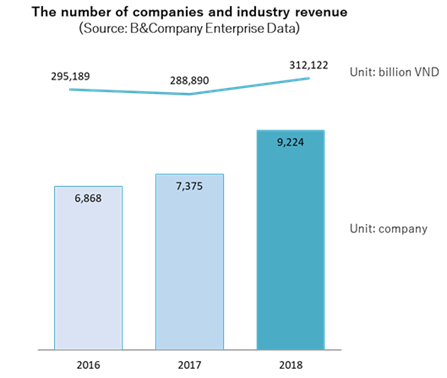
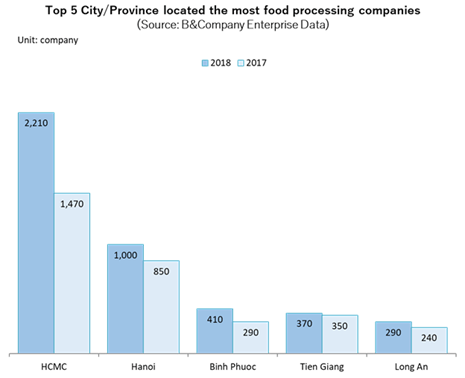
仅在 2016-2018 年的两年时间内,食品加工行业就急剧增加了 30%,达到近 10,000 家公司。食品加工公司最多的前 5 个城市/省份包括胡志明市、河内、平福、前江和隆安。这 5 个城市/省份占全国食品加工企业总数的近 50%(B&Company 企业数据)。南部省份的食品加工公司密度最高,这可以解释这里丰富的农业资源和肥沃的稻米种植区,尤其是在湄公河三角洲。
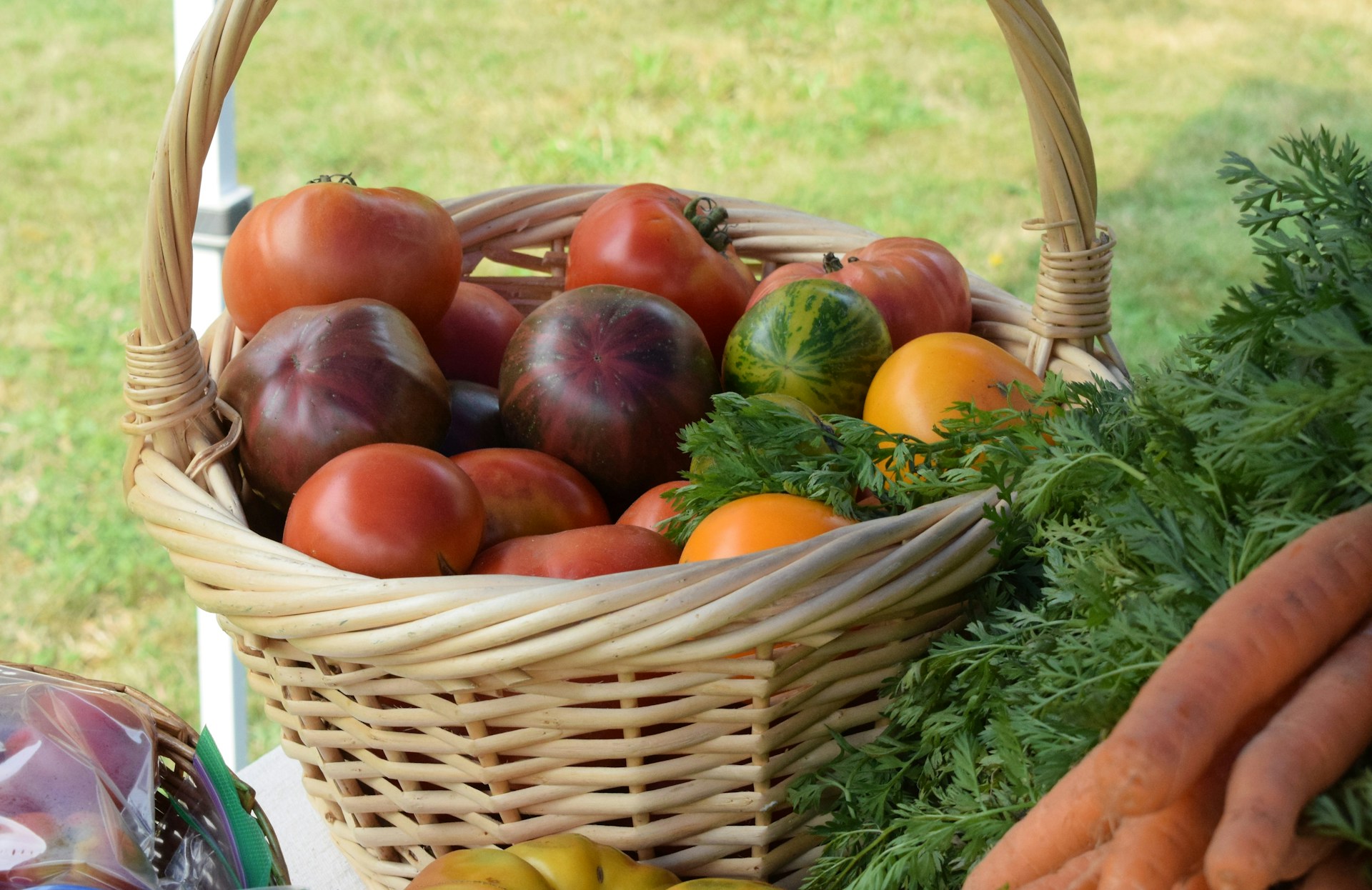
Being considered as the food basket of the world, Vietnam has many advantages for the processing industry with a diverse range of products, from rice, vegetable, coffee, pepper to cashew, tropical fruits and seafood, etc. In 2020, Vietnam ranks 16th in the world in terms of exports of agricultural, forestry, and aquatic products with a USD 41.25 billion export value. The agricultural sector has also made a great contribution to the national economy, being the only sector that continuously maintains the trade surplus. The Ministry of Agriculture and Rural Development (MARD) sets a target that by 2025, the export value of agricultural, forestry, and fishery products of Vietnam will reach about USD 50 – 51 billion and increase to USD 60 – 62 billion by 2030 (Communist Party of Vietnam Online Newspaper, 2020).
增加并购交易
Even though Vietnam’s agricultural, forestry, and aquatic product exports on the world market still increase mainly in volume, the proportion of deeply processed products and products with added value goods is not high. In fact, the country’s agricultural product processing technology merely meets regional and international standards. On the bright side, according to experts, these shortcomings attract foreign companies to invest in and complete the value chain for the food processing industry in Vietnam. In 2018, there were about 370 companies with 100% FDI and 70 joint-venture companies in food processing (B&Company Enterprise Data). Until January 2019, total FDI flows in the food processing sector reached USD 11.2 billion, spanning over 717 projects, excluding M&A activities (Agro info, 2019).
Recent years also witnessed many M&A cases within the sector, including CJCJ (a subsidiary specializing in food and biomedical technology of South Korean conglomerate CJ Group), acquired or bought significant shares in a number of local food brands and companies, which specialize in vegetables, fruit processing, and preservation, producing cakes and ready-to-eat foods, and food wholesaling. These include Ong Kim and the Cau Tre Processing Joint Stock Company (Agroinfo, 2019). Kido Group Joint Stock Company, Vietnam’s leading snack business, transferred 100% of shares in Binh Duong Kinh Do Joint Stock Company to Mondelez International Group (USA) with USD 370 million for 80% shares, 20% shares were sold later (Investment Online Newspaper, 2020). Vietnam Dairy Products Joint Stock Company (Vinamilk) transferred nearly 20% of its shares to Fraser & Neave Group (F&N – Singapore) (Central Committee the Vietnam Fatherland Front Online Newspaper, 2019).
Government’s perspectives and future of food processing industry
政府还希望外国投资在提升该国食品加工行业方面发挥重要作用。政府给予激励和优惠条件,优先考虑采用先进环保技术并创造高附加值产品的项目。高科技综合生产链完全免税。此外,投资者可享受比正常税率(25%)低 5% 的企业所得税。优先项目将免税长达 4 年,之后将在未来 9 年内享受比平时低 50% 的税率(Agroinfo,2019 年)。目前,大多数外国投资者来自亚洲国家和地区,例如泰国、台湾、马来西亚、韩国和中国。通过提供优惠政策,政府希望吸引来自食品加工行业和现代技术强大的国家(如日本、美国、澳大利亚和欧盟成员国)的投资。
随着年轻人口的增加和收入水平的提高,越南国内对食品和饮料的需求正在增加。此外,越南一直在参与新一代自由贸易协定,如全面与进步跨太平洋伙伴关系协定(CPTPP)、欧盟-越南自由贸易协定(EVFTA),因此扩大农产品特别是加工产品出口市场的机会更加开放。因此,越南食品加工行业在国内市场和出口方面都具有巨大的潜力,这对外国投资者更具吸引力。