ベトナムの農業における温室効果ガス排出削減:新興技術

ベトナムの農業は2050年までにネットゼロ達成に貢献できる大きな可能性を秘めているが、温室効果ガス排出量を削減するには新たな技術と世界的なパートナーシップが必要となる。
Agriculture Vietnam

2025年2月6日

B&Company

最新ニュースとレポート / ベトナムブリーフィング

コメント: コメントはまだありません.

B&Companyは、2008年からベトナムにおいて市場調査および投資コンサルティングを専門とする日本の初の企業です。.

この「ベトナム速報」セクションでは、B&Companyの若手研究者たちが、ベトナムの産業動向、消費動向、社会運動に関する最新情報をお届けします。.

この記事は英語で書かれ、他の言語バージョンには自動翻訳が使用されています。正確なコンテンツのために、英語版をご参照ください。原情報の正確性を確保するよう努めていますが、各情報については別途確認してください。解釈や将来の展望は各研究者の個人的な意見です。.

Vietnam’s agriculture sector holds significant potential to help the country achieve Net Zero emissions by 2050. However, it is currently a major contributor to the annual greenhouse gas (GHG) emissions, highlighting the need for emerging technologies and international partnerships to support the country’s environmental commitments.

Overview of Vietnam’s agricultural GHG emissions

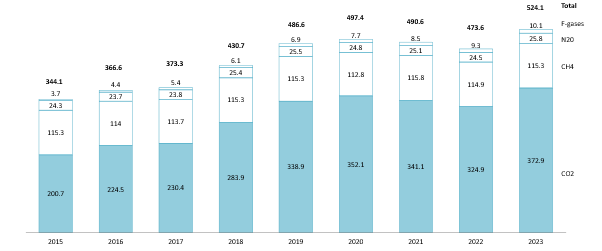
Despite the country’s efforts, Vietnam is still recording rising yearly GHG emissions. According to the Emissions Database for Global Atmospheric Research (EDGAR), in 2023, the country released 524 million tonnes of CO2 equivalent (Mt CO2eq), an increase of 11% from the previous year and 5% from the 2020 base level[1]. This level of emissions makes Vietnam the second largest GHG emitter of the ASEAN and 17th globally. The majority of GHG emissions consisted of fossil CO2 making up over 71% of total emissions, followed by CH4 (22%), N20 (5%), and other F-gasses (2%). The increasing volume of annual GHG emissions poses significant threats to the nation’s development as Vietnam is among one of the most detrimentally impacted countries by climate change, especially for the Mekong River Delta[2].

Vietnam’s annual GHG emissions, from 2015 to 2023 (Unit: Mt CO2eq)

Vietnam annual GHG emissions, from 2015 to 2023

出典: エドガー.

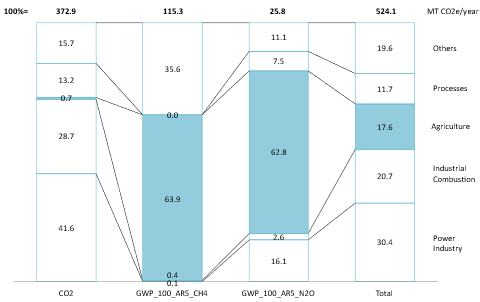
The agriculture sector is among the leading GHG emitters in Vietnam. The sector released 92.5 Mt CO2eq in 2023, accounting for 17.6% of the country’s total emissions[3]. While agriculture contributed less than 1% of the amount of released CO2, it made up nearly two-thirds of the total emitted CH4 and N2O, which have significantly higher global warming potential values[4]. The World Bank highlighted that such high emissions of CH4 and N2O can be attributed to three main sub-sectors, which are rice cultivation (48%), livestock (15%), and usage of fertilizers (13%)[5].

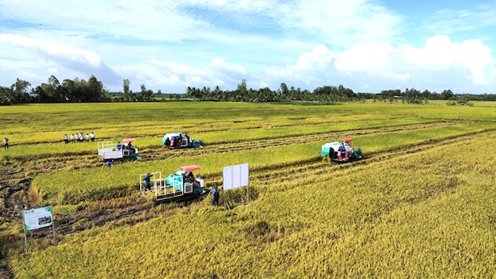
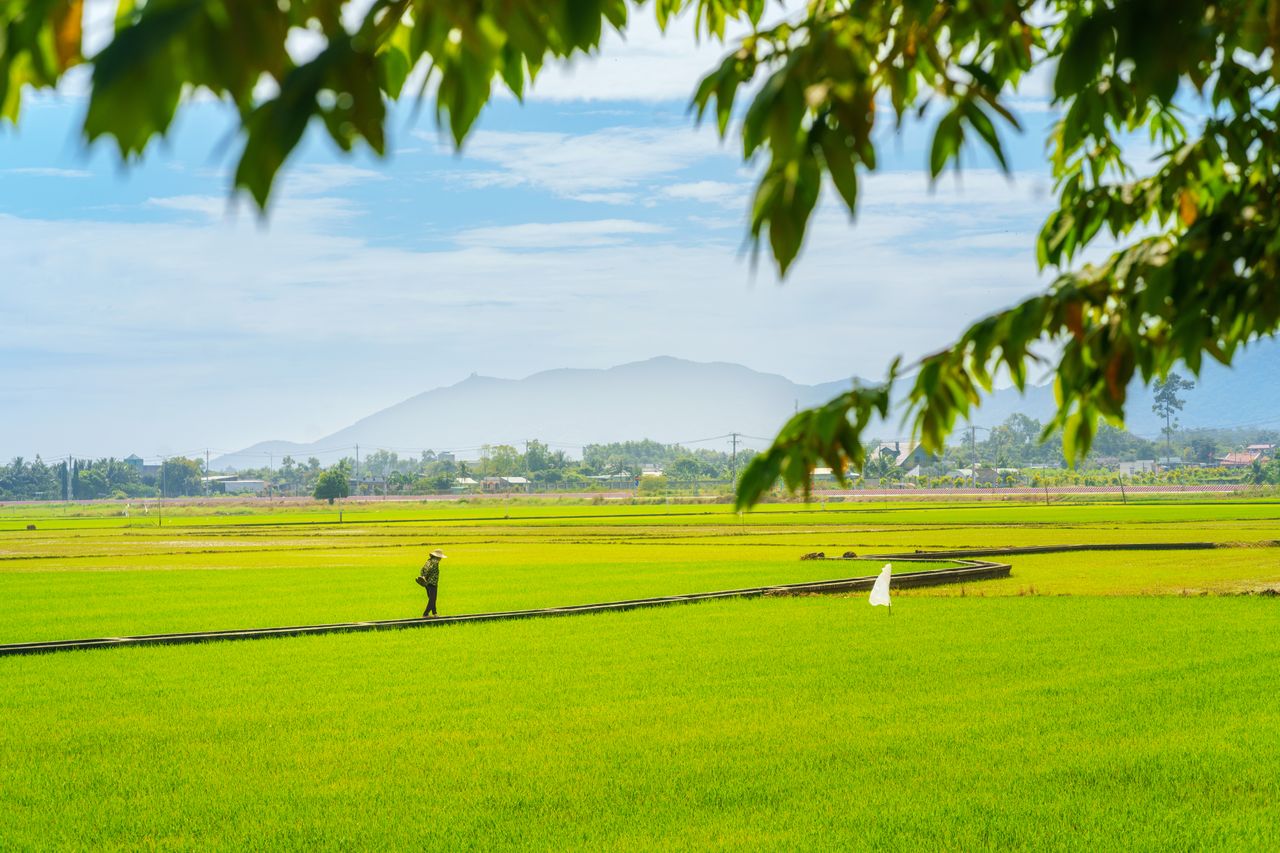
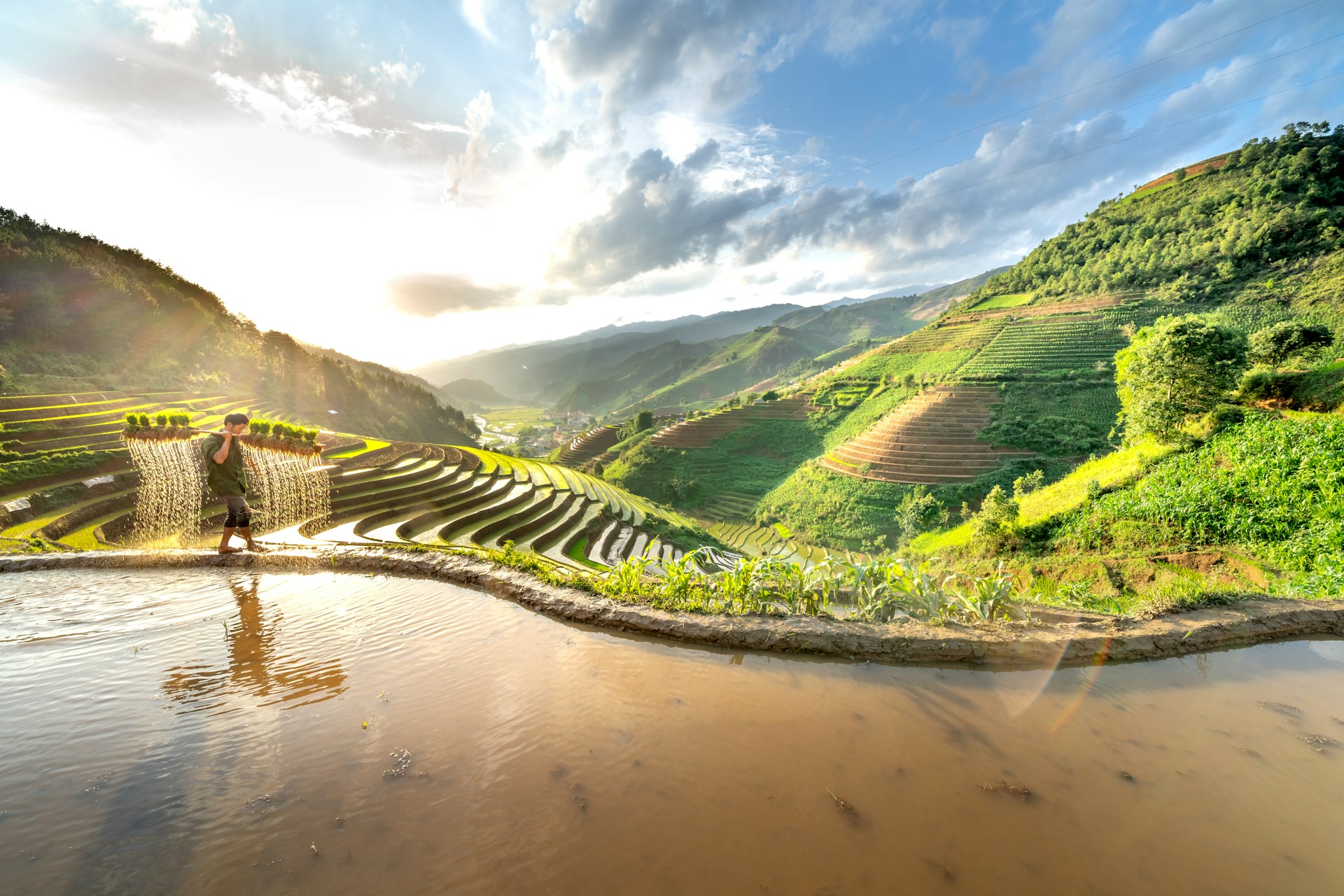
– Rice cultivation: Paddy fields are a significant source of methane (CH4), generated during the anaerobic decomposition of organic matter in flooded fields.

– Livestock production: Enteric fermentation in ruminants produces methane, while manure management contributes both CH4 and N2O emissions.

– Fertilizer use: Overapplication of synthetic nitrogen fertilizers leads to N2O emissions.

Vietnam’s structure of GHG emissions by category and economic sector in 2023 (Unit: %)

Vietnam’s structure of GHG emissions by category and economic sector in 2023

ログインまたは無料会員登録をして、続きを読むにははこちら。

関連記事

ニュースレターを購読する