

 Tiếng Việt
  English
  日本語
日本語  简体中文
简体中文  한국어
한국어 Nghiên cứu tình huống này, được chia sẻ với sự đồng ý của công ty, cung cấp những hiểu biết có giá trị cho các doanh nghiệp đang có kế hoạch thâm nhập thị trường Việt Nam hoặc gặp khó khăn trong giai đoạn đầu mở rộng. B&Company đã hỗ trợ OEVN trong 10 năm kể từ khi công ty này lần đầu tiên thâm nhập thị trường. Vì đây là hợp đồng tư vấn nên các vấn đề mà họ xử lý rất rộng.
30/05/2025
Thông báo / Nội dung nổi bật / Tin tức & Báo cáo mới nhất
Bình luận: Không có bình luận.
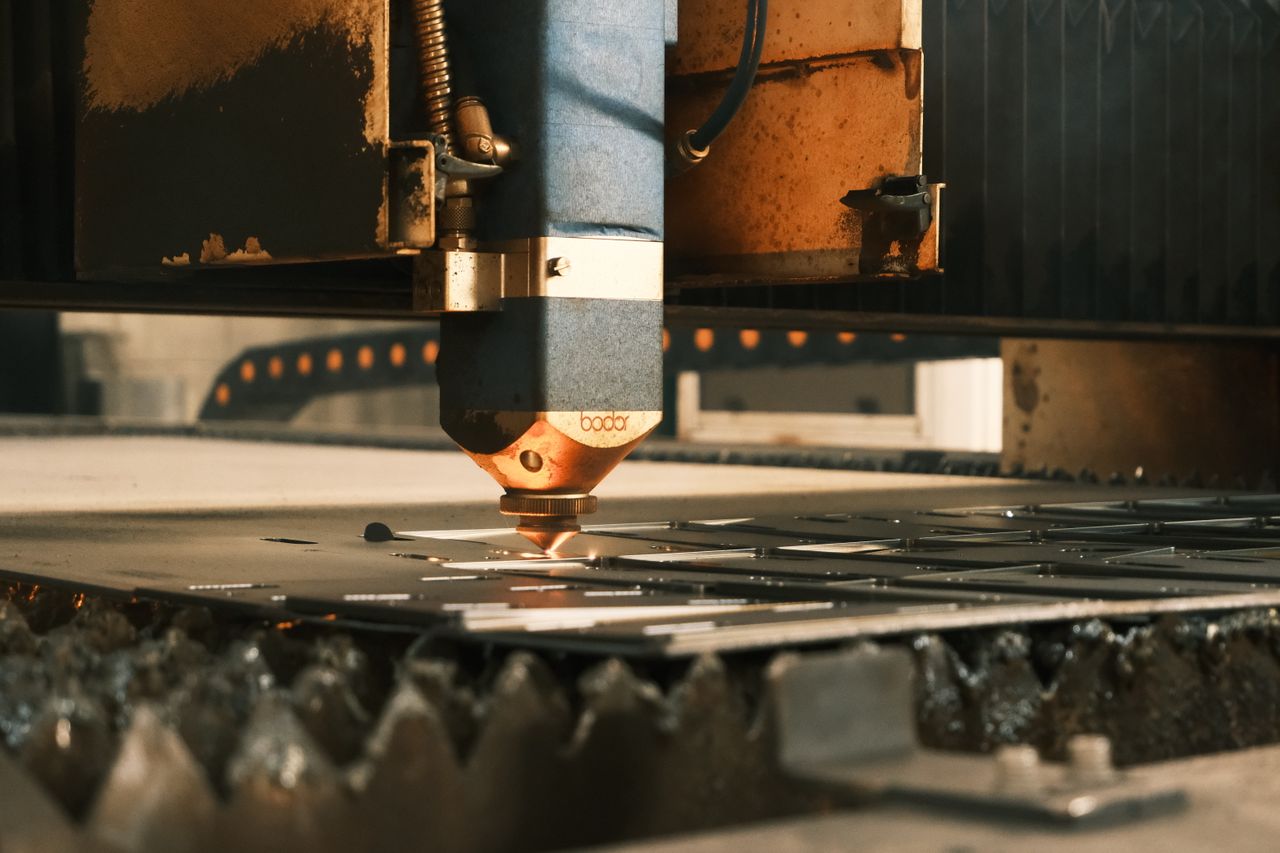
Được thành lập vào năm 2013 tại tỉnh Vĩnh Phúc, vùng ngoại ô Hà Nội, Okamoto Engineering Vietnam (OEVN) là công ty con ở nước ngoài của Okamoto Corporation, một nhà sản xuất linh kiện chính xác được thành lập cách đây hơn 50 năm tại tỉnh Saitama, Nhật Bản.
Mặc dù gặp những thách thức trong giai đoạn đầu vận hành, OEVN đã không ngừng phát triển và hiện đóng vai trò quan trọng trong việc hỗ trợ công ty mẹ. Được chia sẻ với sự đồng ý của công ty, nghiên cứu tình huống này cung cấp những thông tin hữu ích cho các doanh nghiệp đang có kế hoạch gia nhập thị trường Việt Nam hoặc gặp khó khăn trong giai đoạn mở rộng ban đầu.
Giai đoạn trước khi thành lập tại Việt Nam
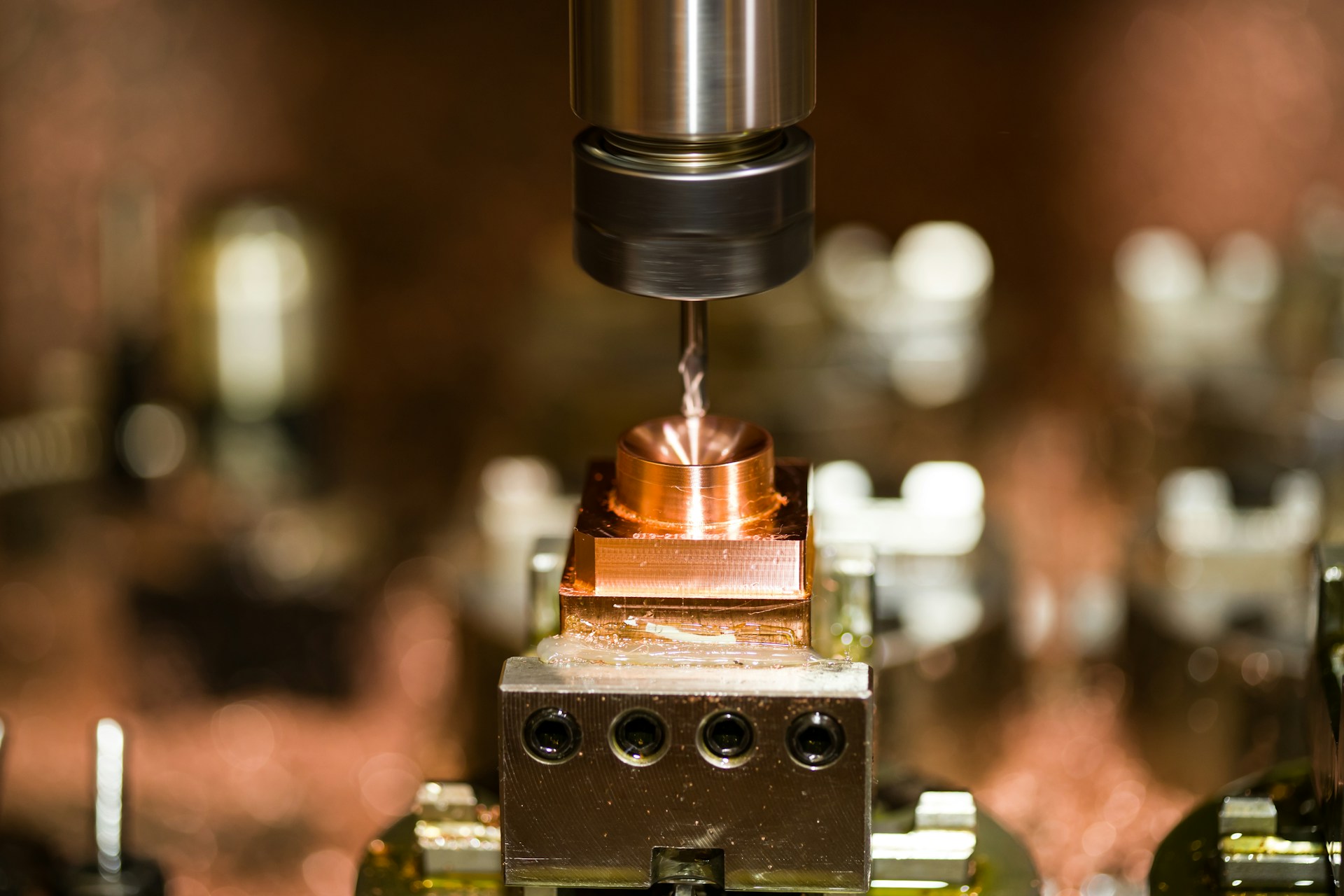
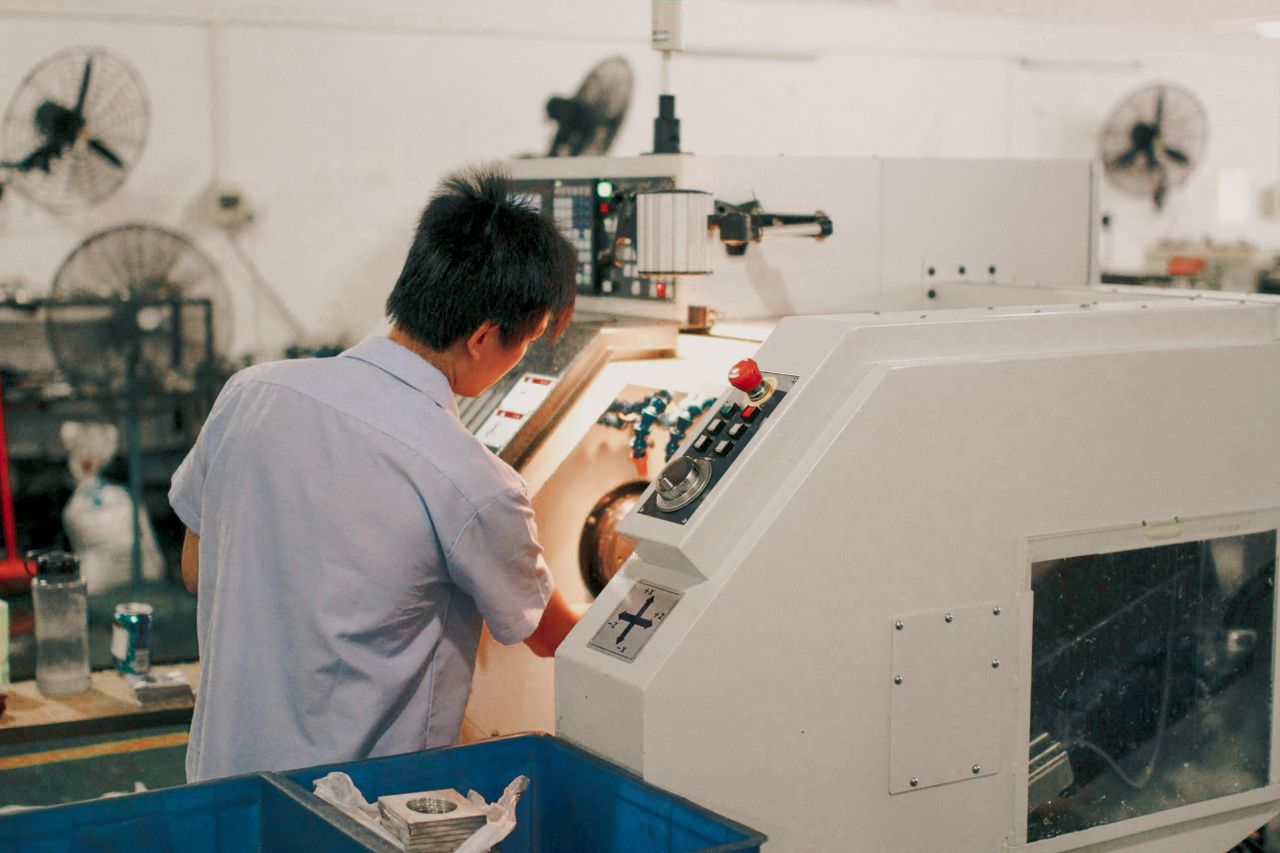
– Okamoto Corporation bắt đầu hoạt động vào năm 1971 với tư cách là một xưởng sản xuất vít nhỏ tại thành phố Yono (nay thuộc thành phố Saitama). Dưới sự lãnh đạo của chủ tịch thế hệ thứ hai, ông Tomonori Okamoto, công ty với khoảng 30 nhân viên chuyên sản xuất các linh kiện kim loại và nhựa siêu chính xác bằng máy tiện.
– Đến năm 2010, mặc dù hoạt động trong nước vẫn ổn định, những thách thức nội bộ bắt đầu xuất hiện. Người sáng lập đã nghỉ hưu để trở thành chủ tịch vào năm 2002, giao công ty cho vị chủ tịch hiện tại điều hành. Tuy nhiên, công ty tồn tại một số vấn đề. Đã xảy ra sự bất đồng giữa các nhân viên lớn tuổi được giữ lại từ thế hệ trước và thế hệ trẻ. Những nhân viên lớn tuổi, hơn thế hệ trẻ vài chục tuổi, không muốn hướng dẫn nhiều cho nhân viên trẻ, trong khi các nhân viên trẻ cũng không thể hiện sự quan tâm đến việc học hỏi từ họ. Hoạt động giao tiếp trong công ty và việc chuyển giao kỹ năng còn chưa đầy đủ, khiến các sáng kiến mới khó đạt được tiến triển. Chủ tịch nhận thấy cần tạo ra một luồng sinh khí mới, vì vậy ông quyết định tận dụng chương trình thực tập kỹ thuật. .
– Năm 2012, hai thực tập sinh đầu tiên được tuyển dụng từ Việt Nam, và số lượng dần tăng lên trong năm tiếp theo. Hiệu quả mang lại rất lớn. Các thực tập sinh, những người cởi mở và thẳng thắn đặt câu hỏi cũng như thể hiện tinh thần ham học hỏi, đã tạo thêm sức sống cho nhà máy và lan tỏa tinh thần sẵn sàng hướng dẫn.
– Theo quy định của chương trình, các thực tập sinh phải trở về quê hương sau ba năm. Điều này đồng nghĩa với việc công ty không có vị trí nào để bố trí các thực tập sinh sau khi đào tạo họ. Vì vậy, công ty quyết định thành lập một pháp nhân tại Việt Nam. .
Hoạt động tại Việt Nam
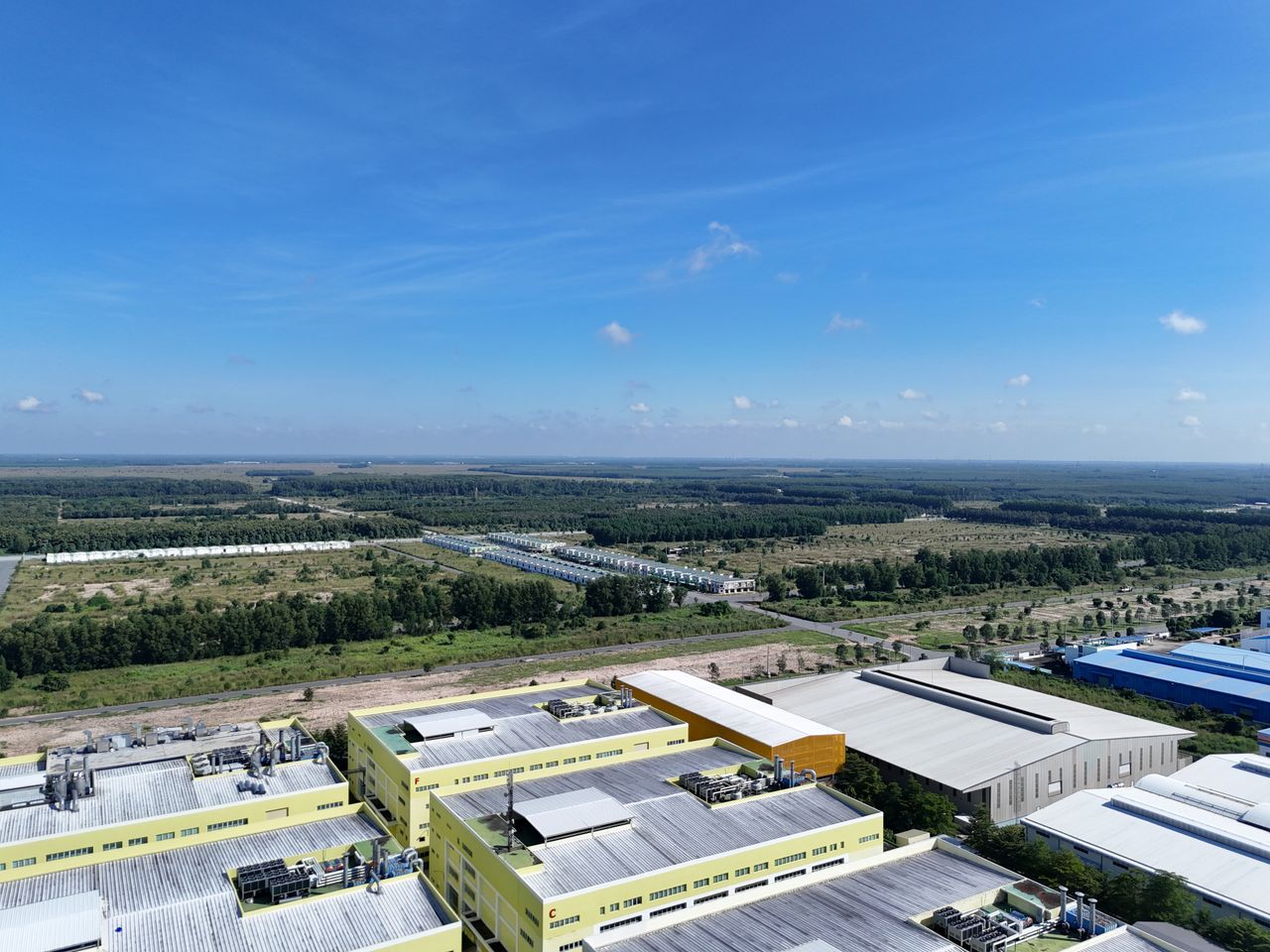
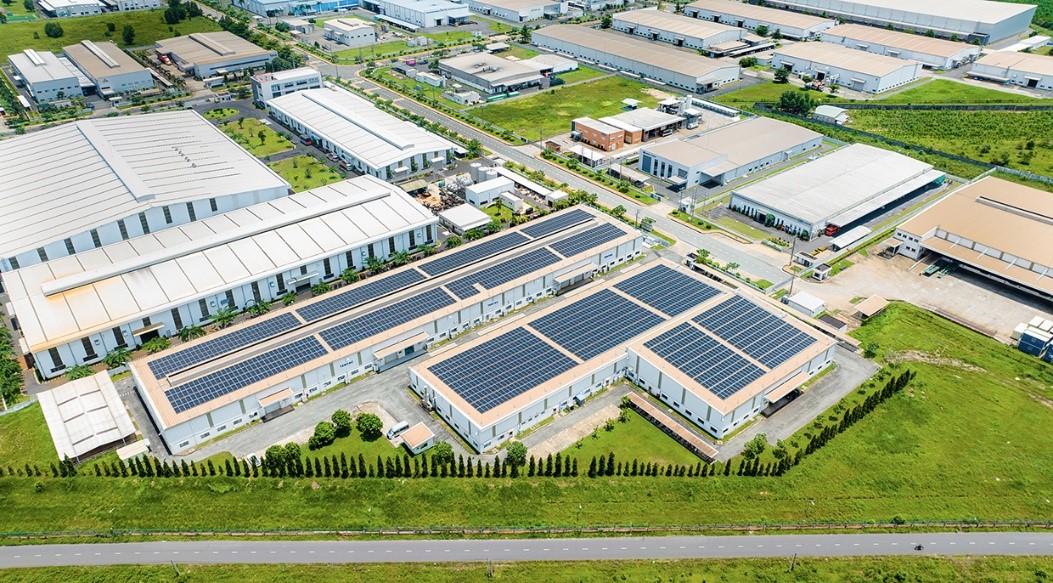
Theo truyền thống, các khu công nghiệp tại Việt Nam áp dụng hệ thống thuê đất 50 năm, theo đó doanh nghiệp sẽ tự xây dựng nhà máy. Chỉ những khu đất lớn trên 10.000 mét vuông mới được cung cấp, và tùy thuộc vào vị trí, chi phí mua đất và xây dựng nhà máy có thể lên tới hàng trăm triệu. Khi ngày càng nhiều doanh nghiệp vừa và nhỏ chuyển vào khu vực này, dịch vụ nhà xưởng cho thuê, theo đó doanh nghiệp thuê các khu đất bên trong những nhà máy đã được xây dựng, ngày càng trở nên phổ biến như một lựa chọn ít rủi ro hơn.
Công ty bắt đầu vận hành một nhà máy tại Việt Nam vào năm 2013 với năm nhân viên và năm máy móc tại một nhà xưởng thuê trong Khu công nghiệp Khai Quang, tỉnh Vĩnh Phúc. Mục tiêu của nhà máy này không phải là tăng doanh thu hay lợi nhuận. Nếu các thực tập sinh trở về được tuyển dụng bởi pháp nhân tại Việt Nam, họ có thể được điều chuyển sang Nhật Bản. Điều này giúp công ty tiếp tục sử dụng những nhân viên Việt Nam đã được đào tạo sau khi kết thúc thời hạn ba năm của chương trình thực tập kỹ thuật.
Do quy mô và mục đích hoạt động còn hạn chế, nhà máy không chịu áp lực phải vận hành ở mức cao, và mục tiêu đầu tiên là thiết lập hoạt động ổn định. Đội ngũ nhân sự, chủ yếu là các thực tập sinh đã trở về Nhật Bản, đã nỗ lực xây dựng hoạt động hằng ngày, và dây chuyền sản xuất dần đi vào vận hành. Tuy nhiên, doanh thu hằng năm chỉ đạt khoảng 6 triệu yên, còn cách rất xa mức có thể thu hồi vốn đầu tư.
Bước ngoặt tạo ra sự bứt phá này đến hai năm sau khi công ty được thành lập, khi Makito Okamoto (chủ tịch hiện tại) được tuyển dụng từ bên ngoài công ty. Nhân tiện, Chủ tịch Okamoto tại Nhật Bản là chủ tịch của công ty con tại địa phương. Hai người không có quan hệ họ hàng và việc họ có cùng họ chỉ là sự trùng hợp, nhưng để tránh nhầm lẫn, tôi sẽ gọi họ lần lượt là Chủ tịch Okamoto và Chủ tịch Makito.
Khi gia nhập công ty, Chủ tịch Makito 35 tuổi và đã có vài năm kinh nghiệm làm việc tại một nhà máy sản xuất của Nhật Bản ở Việt Nam. Vợ ông là người Việt Nam và ông có thể nói tiếng Việt, khiến ông trở thành ứng viên lý tưởng. Ông được lựa chọn trong số nhiều ứng viên khác và rất háo hức bắt đầu xây dựng công ty từ con số không. Tuy nhiên, khi gia nhập công ty, ông bị sốc khi biết doanh thu chỉ khoảng 800.000 yên mỗi tháng. Chủ tịch hội đồng quản trị bảo ông cứ từ từ, nhưng ông thực sự nghĩ: “Không đời nào họ lại trả cho tôi nhiều tiền đến vậy.”
Để vượt qua tình trạng này, trước tiên chúng tôi tập trung cải cách tại hiện trường. Đội ngũ người Việt có một người lãnh đạo và rất chăm chỉ, nhưng họ thiếu kinh nghiệm và vẫn còn nhiều vấn đề tồn tại. Ngoài ra, hệ thống quản lý của công ty, chẳng hạn như công tác kế toán, còn thiếu sót, đồng thời có những vấn đề liên quan đến cả hiện trường và công tác quản lý, chẳng hạn như quản lý hàng tồn kho. Chúng tôi đã giải quyết từng vấn đề một.
Tăng trưởng thực chất
Bài viết liên quan






















Đăng nhập / Đăng ký
Tiếp tục mà không cần tài khoản
Đăng nhập / Đăng ký
ĐĂNG KÝ NHẬN BẢN TIN