

 English
  日本語
日本語  Tiếng Việt
  简体中文
简体中文  한국어
한국어 This case study, shared with the company’s consent, provides valuable insights for businesses planning market entry into Vietnam or facing difficulties during early expansion. B&Company has supported OEVN for 10 years since it first entered the market. Since it was an advisory contract, the issues they handled were wide-ranging.
30May2025
Announcement / Highlight content / Latest News & Report
Comments: No Comments.
Founded in 2013 in Vinh Phuc Province, on the outskirts of Hanoi, Okamoto Engineering Vietnam (OEVN) is the overseas subsidiary of Okamoto Corporation, a precision parts manufacturer established over 50 years ago in Saitama Prefecture, Japan.
Despite initial operational challenges, OEVN has steadily grown and now plays a vital role in supporting its parent company. This case study, shared with the company’s consent, provides valuable insights for businesses planning market entry into Vietnam or facing difficulties during early expansion.
The Pre-establishment in Vietnam
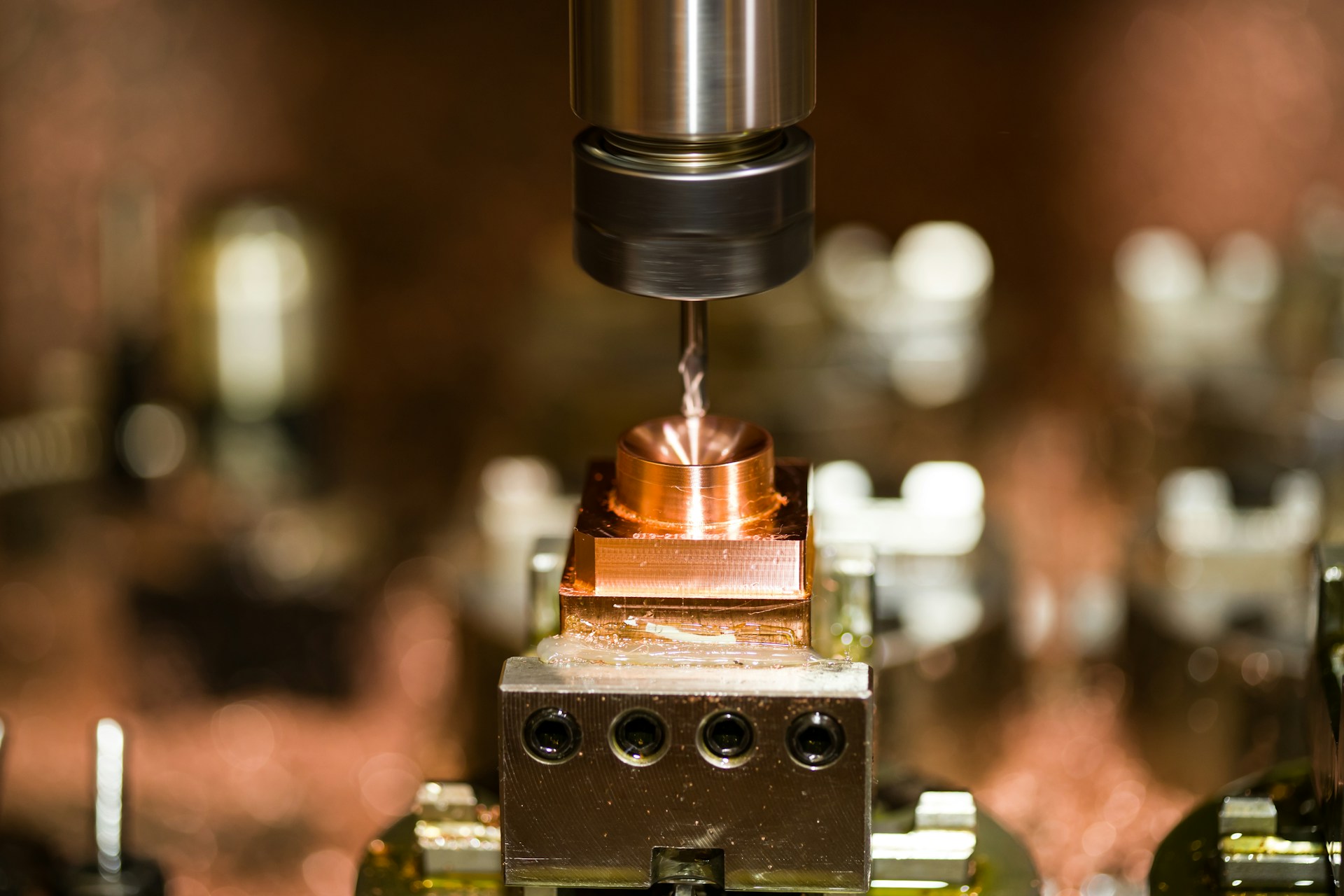
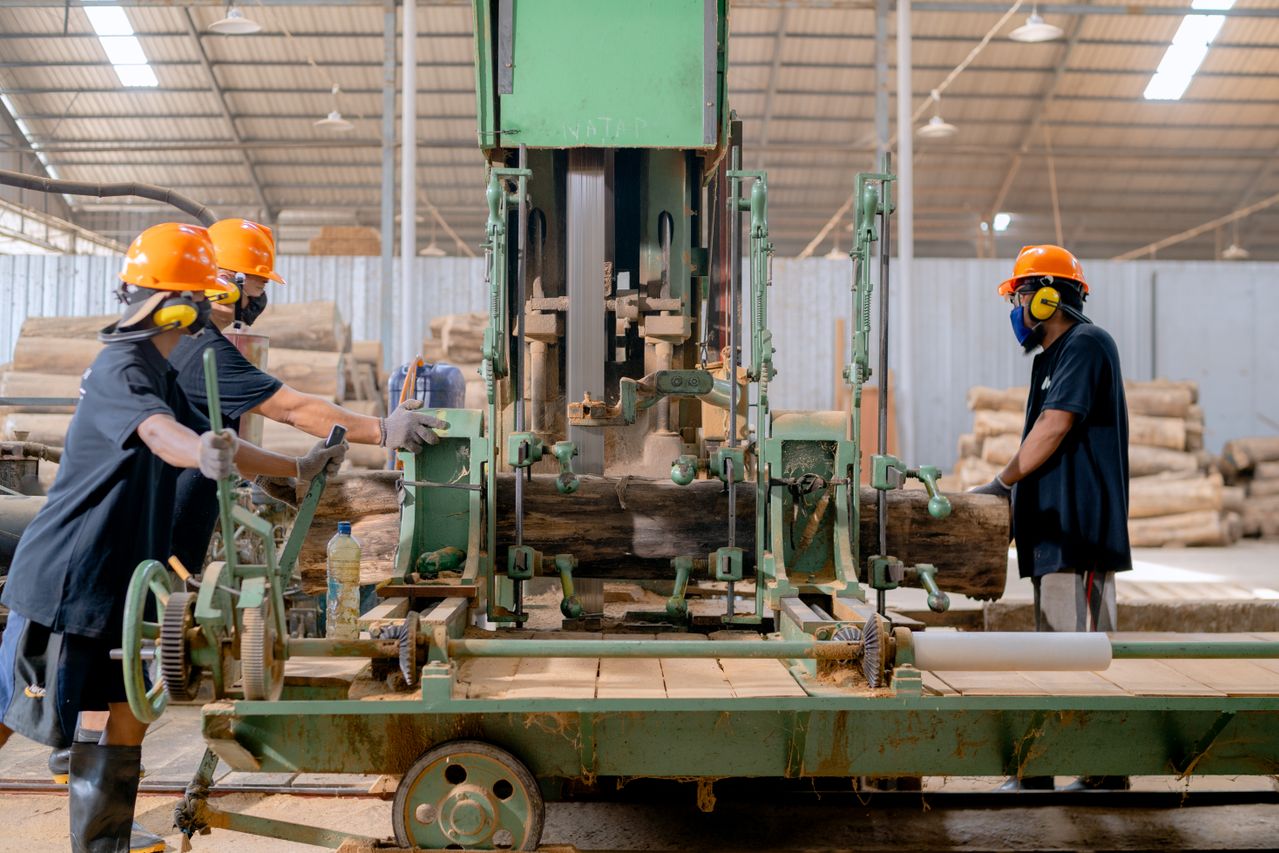
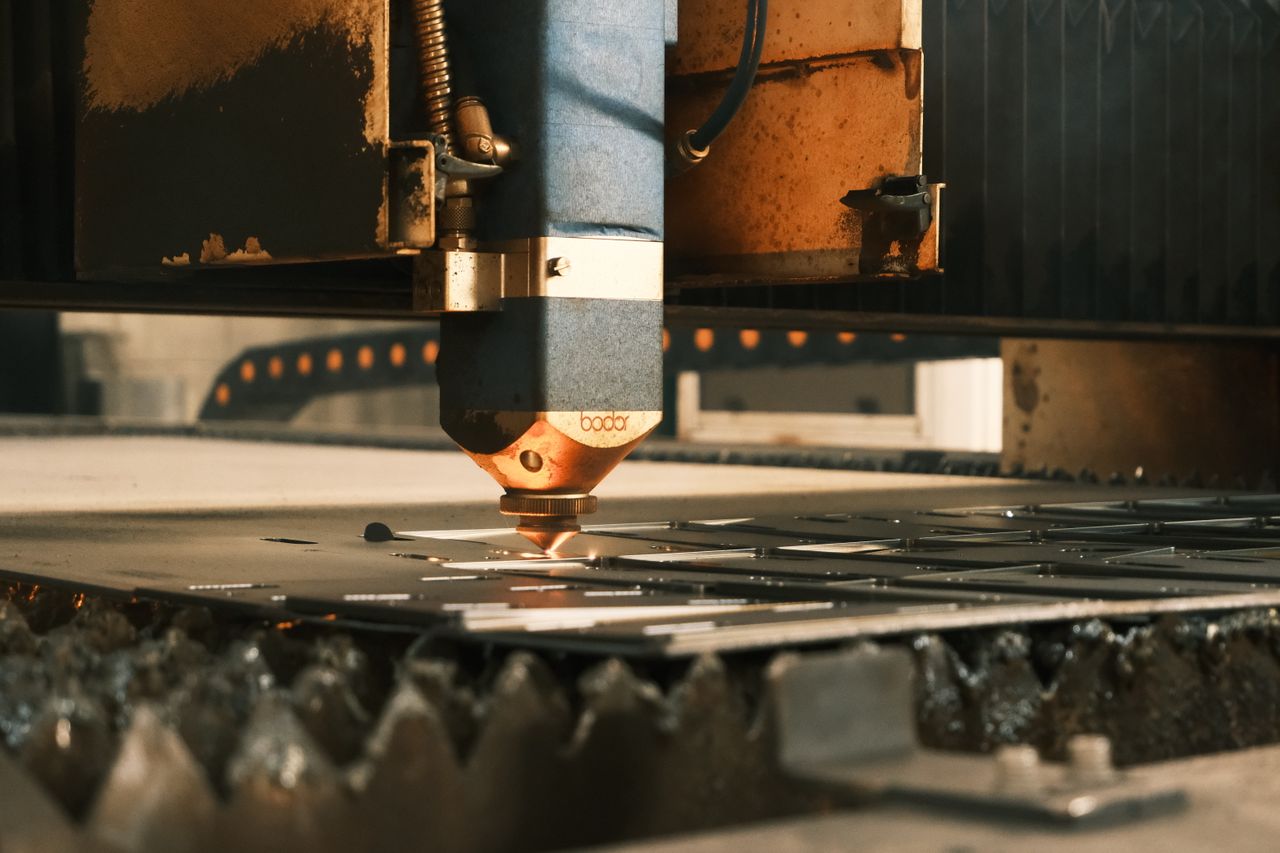
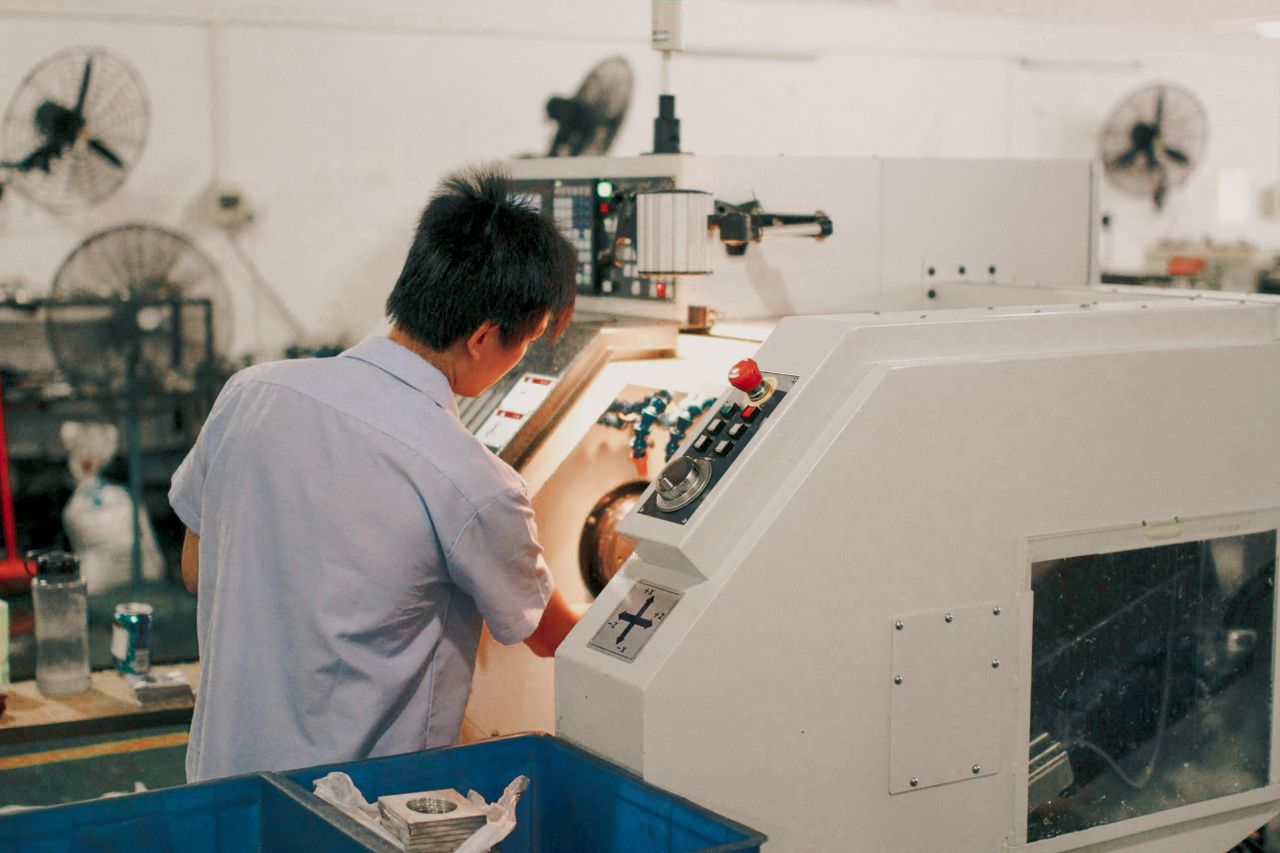
– Okamoto Corporation began in 1971 as a small screw factory in Yono City (now part of Saitama City). Under the leadership of the second-generation president, Mr. Tomonori Okamoto, the company with about 30 people and specializes in ultra-precision metal and plastic parts using lathes.
– By 2010, although domestic operations were stable, internal challenges surfaced. The founder had retired to become chairman in 2002, leaving the company to the current president. However, there were issues within the company. There was friction between the older employees who had been retained from the previous generation and the younger generation. The older employees, who were several decades older than the younger generation, were reluctant to teach the younger employees much, while the younger employees showed no interest in learning from them. Communication within the company and the transfer of skills were insufficient, making it difficult to make progress on new initiatives. The president felt the need to bring in some fresh air, so he decided to utilize the technical internship program .
– In 2012, the first two trainees were hired from Vietnam, and the number gradually increased the following year. The effect was great. The trainees, who asked questions openly and frankly and showed a willingness to learn, brought vitality to the factory and spread a willingness to teach.
– The system required trainees to return to their home countries after three years. This meant that there was nowhere for the trainees to go after training them. So, the company decided to establish a Vietnamese corporation .
Operations in Vietnam
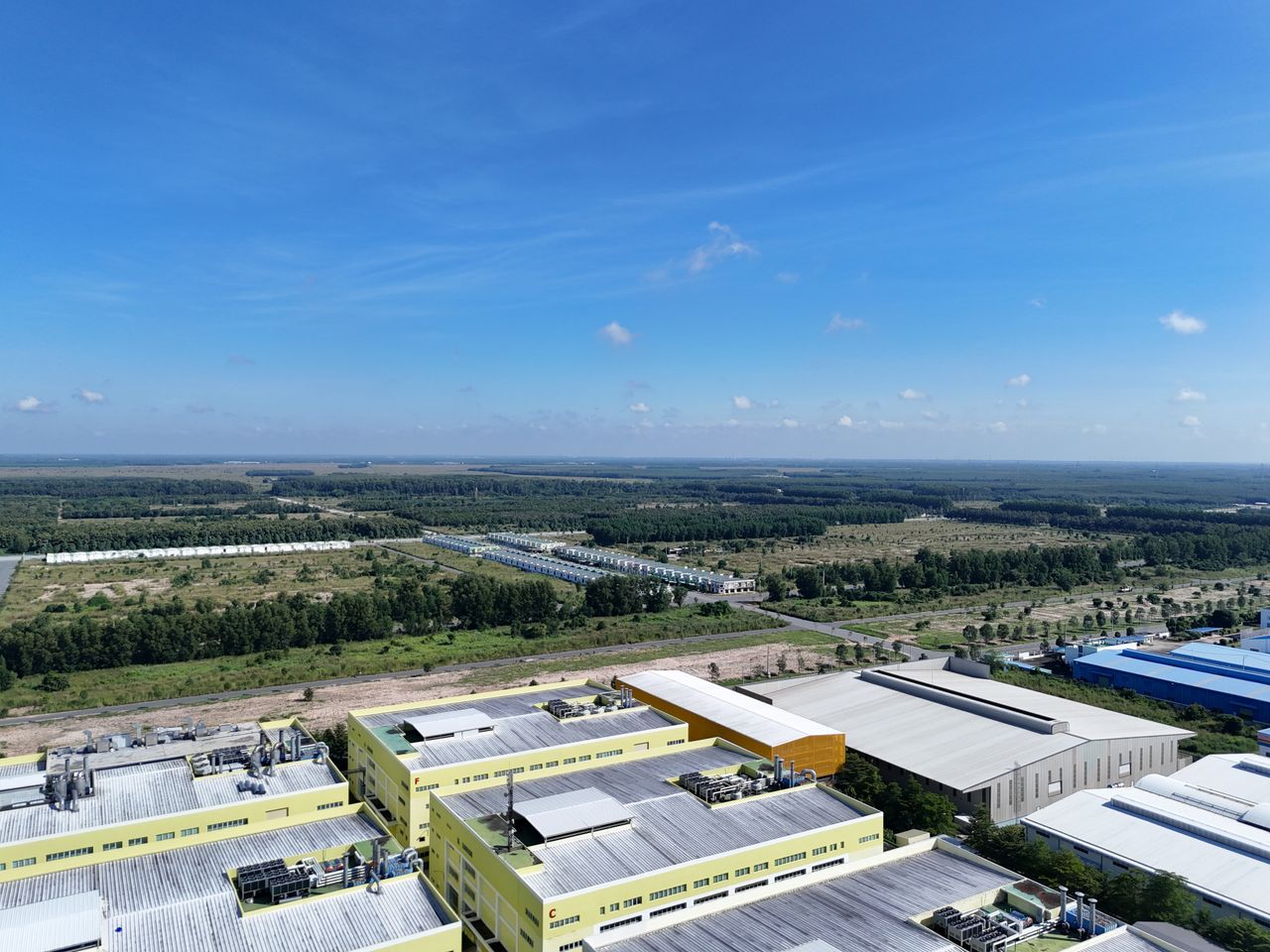
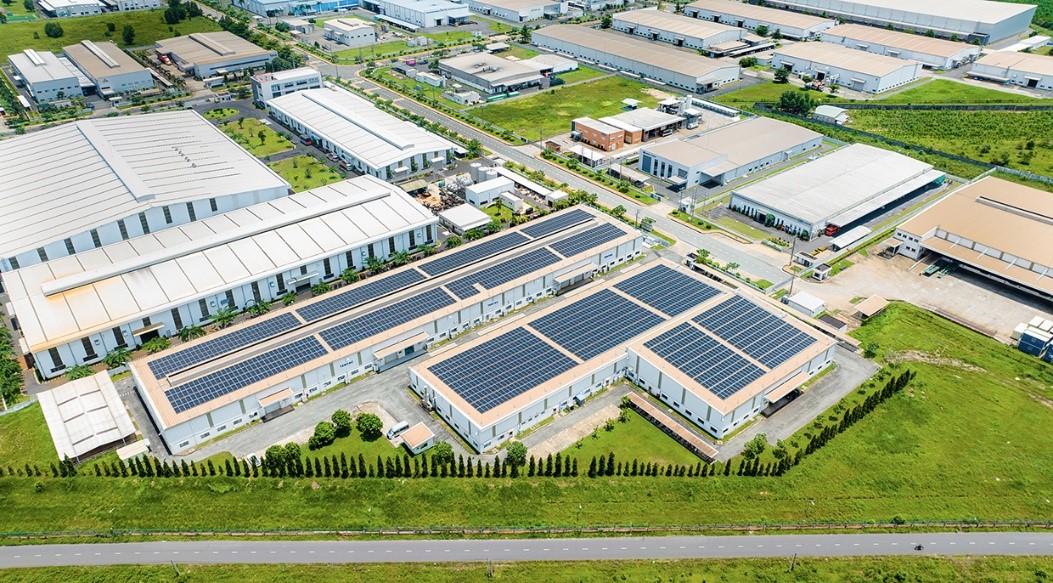
Traditionally, industrial parks in Vietnam have been based on a 50-year land lease system, and the model was that companies would build their own factories. Only large plots of over 10,000 square meters were available, and depending on the location, the cost of acquiring land and building a factory can run into the hundreds of millions. As more and more small and medium-sized enterprises move into the area, rental factory services, which involve renting plots inside already-built factories, have been gaining popularity as a lower-risk option.
The company started a Vietnamese factory in 2013 with five employees and five machines in a rented factory in the Khai Quang Industrial Park in Vinh Phuc Province. The aim was not to increase sales or profits at this factory. If the returning trainees were made employees of the Vietnamese corporation, they could be transferred to Japan. This would make it possible to utilize the Vietnamese employees that had been trained beyond the three-year limit for technical intern trainees.
Due to the limited scale and purpose, there was no pressure to operate the plant, and the first goal was to establish stable operations. The staff, mainly trainees who had returned to Japan, worked hard to establish daily operations , and the production line slowly began to move. However, the annual sales were only about 6 million yen, which was far from a recovery in the investment.
The turning point for this leap came two years after the company was founded , when Makito Okamoto (current president ) was hired from outside the company . Incidentally, President Okamoto in Japan is the chairman of the local subsidiary. The two men are not related and it is only a coincidence that they have the same last name, but to avoid confusion, I will refer to them as Chairman Okamoto and President Makito.
When he joined the company, President Makito was 35 years old and had several years of experience working at a Japanese manufacturing factory in Vietnam. His wife was Vietnamese and he could speak Vietnamese, making him an ideal candidate. He was selected from many other candidates and was eager to start the company from scratch. However, when he joined the company, he was shocked to find that sales were only about 800,000 yen per month. The chairman told him to take it easy, but he honestly thought, “There’s no way they’re paying me that much.”
To overcome this situation, we first tackled reforms at the site. The Vietnamese team had a leader and was diligent, but they were inexperienced and many issues remained. In addition, the company’s management system, such as accounting, was insufficient, and there were issues that spanned both the site and management, such as inventory management. We solved these issues one by one.
Real growth
Related article























Log in / Register
Continue without an account
Log in / Register
SUBSCRIBE NEWSLETTER