

 English
  日本語
日本語  Tiếng Việt
  简体中文
简体中文  한국어
한국어 Vietnam supporting industry is growing as demand rises for precision mechanical engineering, localisation, and advanced manufacturing.
23Jun2026
Latest News & Report / Vietnam Briefing
Comments: No Comments.

Abstract
Vietnam’s supporting industry is growing as demand rises for precision mechanical engineering, localisation, and advanced manufacturing. Electronics, automotive, semiconductor, and automation sectors are driving the need for high-precision components and engineering services. This creates opportunities for Japanese companies in investment, outsourcing, partnerships, and technical cooperation.
Overview of Vietnam supporting industry
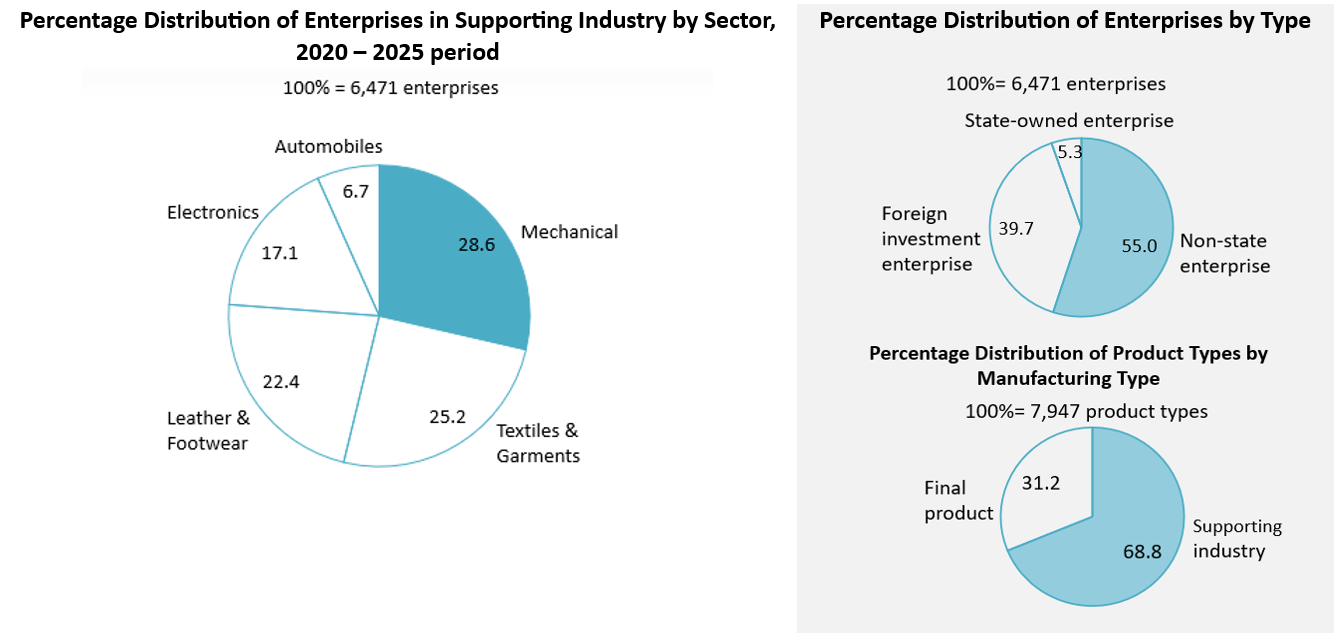
Vietnam’s supporting industry has developed under a clearer national policy framework during the 2016–2025 period. Decision No. 68/QĐ-TTg, issued in 2017 and later amended by Decision No. 71/QĐ-TTg in 2024, specifically targets three main areas: components and spare parts, supporting industries for textiles, garments, leather, and footwear, and supporting industries for high-tech industries. The programme focuses on improving production capacity through technical support, technology transfer, supplier linkages with FDI firms, credit incentives, and workforce training. These measures have helped create a more favourable environment for enterprise growth[1]. However, the sectoral structure remains uneven. Mechanical engineering accounts for the largest share of enterprises at 28.6%, but textiles and garments, together with leather and footwear, still represent 47.6%, showing that many firms remain tied to labour-intensive manufacturing. Meanwhile, electronics and automobiles account for only 23.8% combined[2], indicating limited capacity in more technology-intensive supporting industries.
Source: Ministry of Industry and Trade of Vietnam
The ownership structure shows that the sector is mainly driven by private and foreign-invested enterprises. Non-state enterprises account for 55.0%, while foreign-invested enterprises make up 39.7%, together representing 94.7% of all enterprises2. This reflects the important role of private domestic firms and FDI enterprises in expanding the industry, but also suggests continued dependence on foreign capital, technology, and production networks.
The product structure confirms that Vietnam’s supporting industry is mainly positioned within manufacturing supply chains. Supporting-industry products account for 68.8% of total product types, more than twice the share of final products at 31.2%2, indicating that firms are increasingly producing materials, parts, components, and other intermediate goods.
However, localisation rates remain low in several key industries, at around 45–50% in textiles, garments, leather and footwear, 15–20% in mechanical engineering, and only 5–20% in automobile assembly, while electronics production continues to depend heavily on imported components[3]. These figures reveal a significant gap in Vietnam’s industrial ecosystem, showing that the domestic supplier base is still not strong enough to replace imported inputs or fully meet the requirements of multinational manufacturers. Therefore, developing a stronger domestic supporting-industry market is necessary to reduce import dependence and increase Vietnam’s value capture in manufacturing. In this context, precision mechanical processing will become increasingly important, as it supports the production of high-accuracy components, tooling, moulds, jigs, and other standardised parts required across supply chains.
Rising Demand for Precision Mechanical Engineering and Manufacturing Know-how in Vietnam
Vietnam’s mechanical engineering industry includes around 3,100 enterprises and more than 53,000 production facilities, employing over 1.2 million workers and generating approximately VND 1.7 quadrillion in revenue. In 2023, the sector contributed nearly 24% of Vietnam’s GDP, highlighting its important role in industrial development[4]. However, precision engineering capability remains relatively underdeveloped compared with regional competitors, limiting Vietnam’s ability to supply high-accuracy components, tooling, moulds, jigs, and other specialised mechanical parts for advanced manufacturing industries.
This gap is becoming more important as high-value manufacturing industries continue to expand. Electronics is currently the strongest growth driver, with export turnover reaching about USD 126.5 billion in 2024, including USD 72.56 billion from electronics and components and USD 53.9 billion from phones and components[5]. These sectors require high-precision parts with tight tolerances, repeatability, and stable surface quality, including circuit-related components, tooling, robotic system parts, and automated assembly equipment[6].
Other sectors are also expanding the demand for precision mechanical engineering. Automotive and motorcycles require components such as camshafts, gears, transmission systems, moulds, dies, and CNC-machined parts6. The medical device market is projected to reach around USD 1.77 billion in 2025[7], while remaining highly import-dependent, creating demand for surgical instruments, prosthetic components, and other precision products6. In semiconductors, Amkor Technology’s USD 1.6 billion advanced packaging plant[8] and Hana Micron’s planned USD 930 million expansion[9] are driving demand for ultra-precision parts used in chip packaging equipment, robotics, and circuit-related assemblies. Aerospace remains smaller, but aviation and MRO development are gradually creating demand for high-reliability aircraft and control system components.
As a result, Vietnam’s precision manufacturing market is gradually shifting from basic machining toward higher-value and higher-precision production. Suppliers are increasingly expected to provide advanced capabilities such as prototyping, precision measurement, defect reduction, and stable serial production. However, domestic supply remains limited in critical areas such as high-precision mould manufacturing for electronics and automotive applications. The market is therefore still dominated by Japanese-invested and other foreign precision manufacturers, while Vietnamese firms continue upgrading their capabilities to meet global quality and reliability standards.
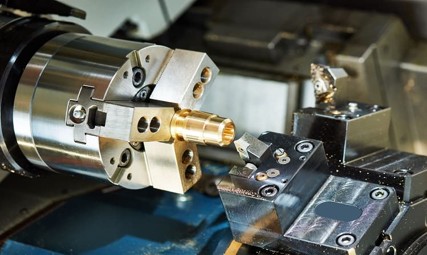
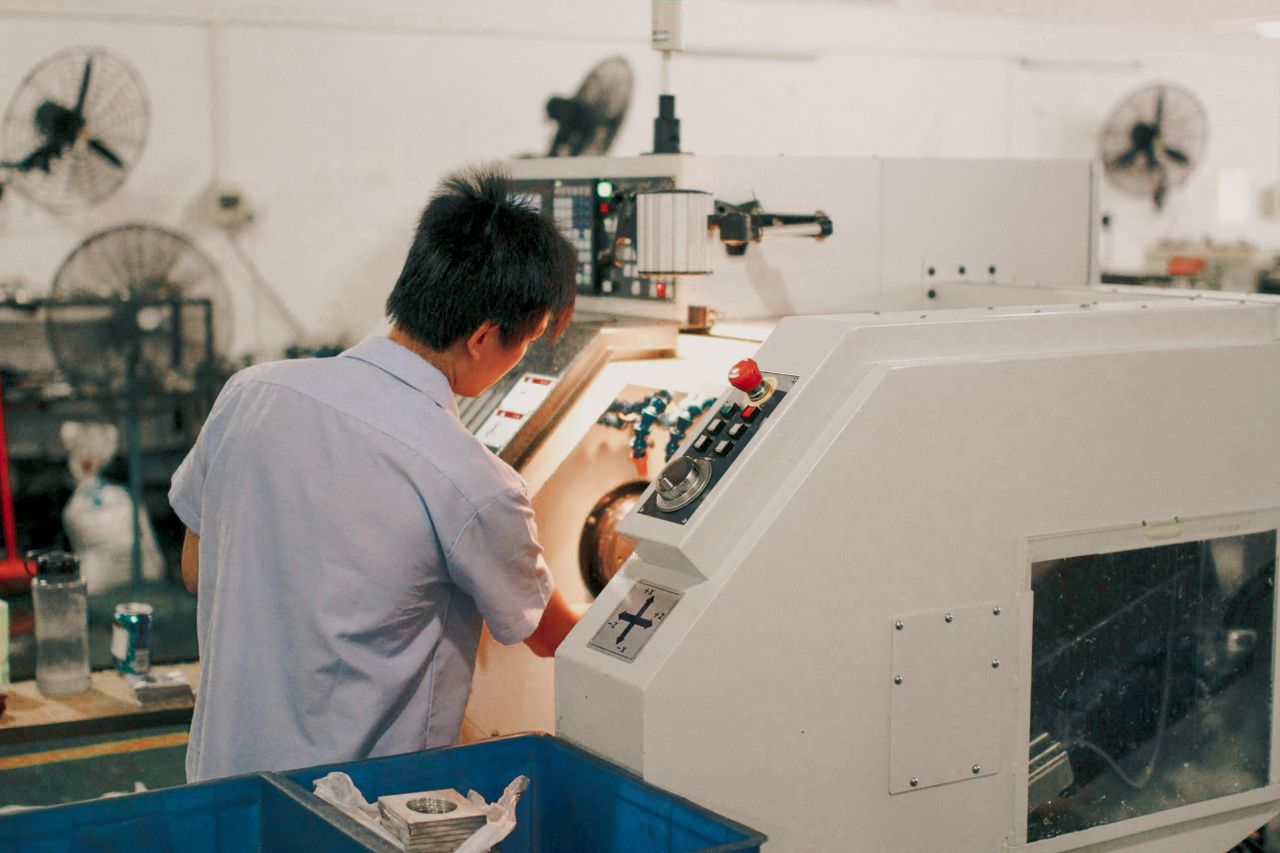
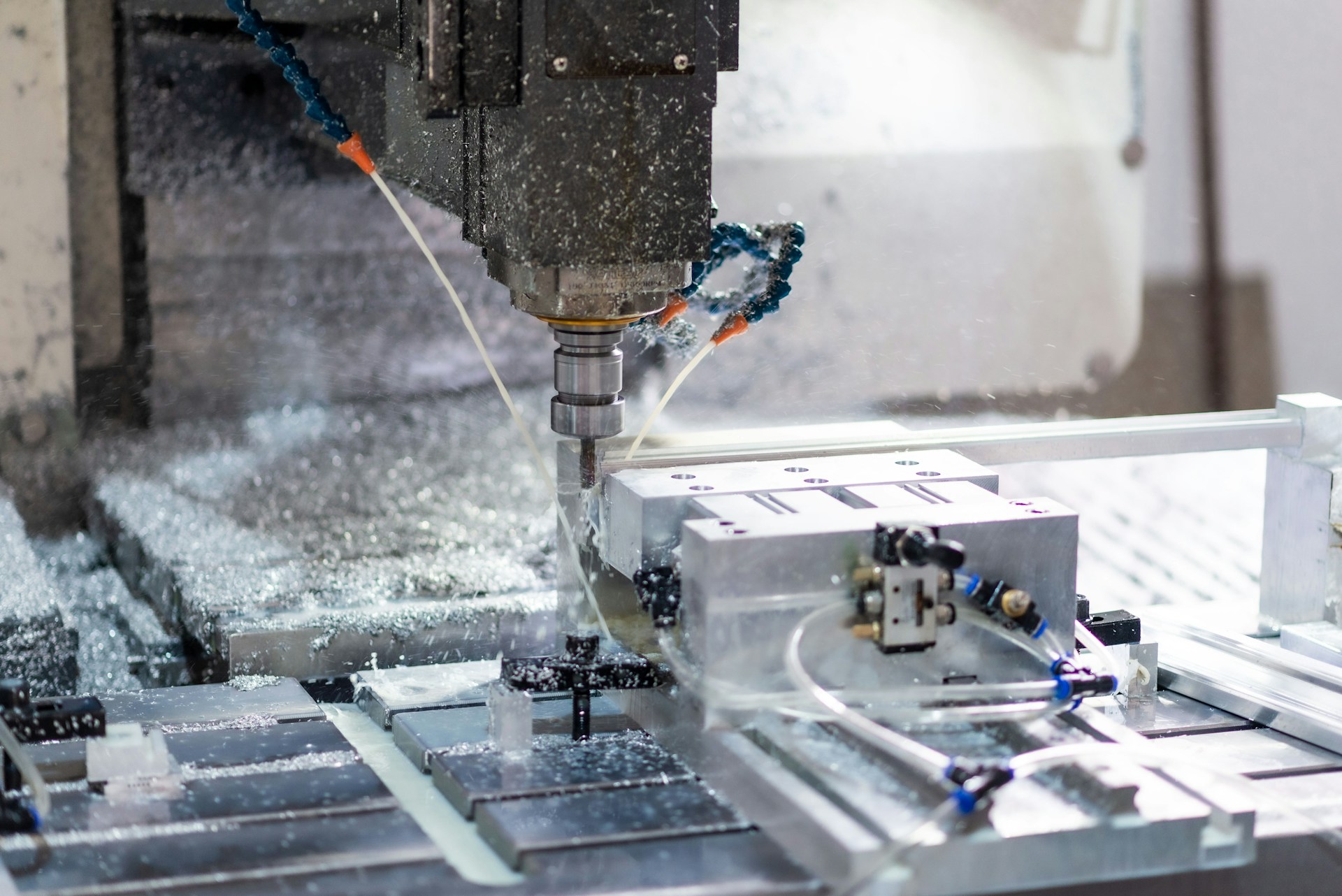
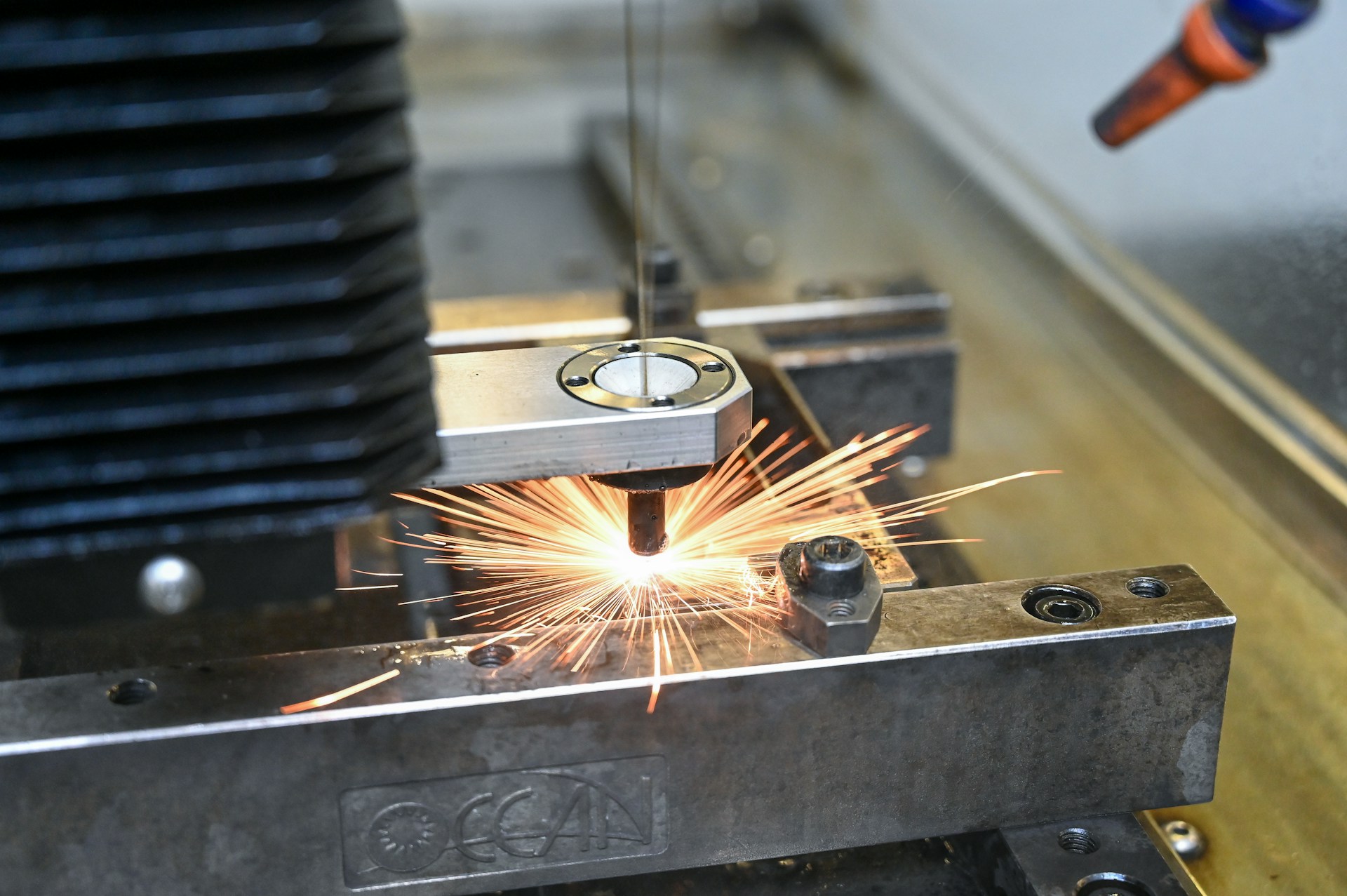
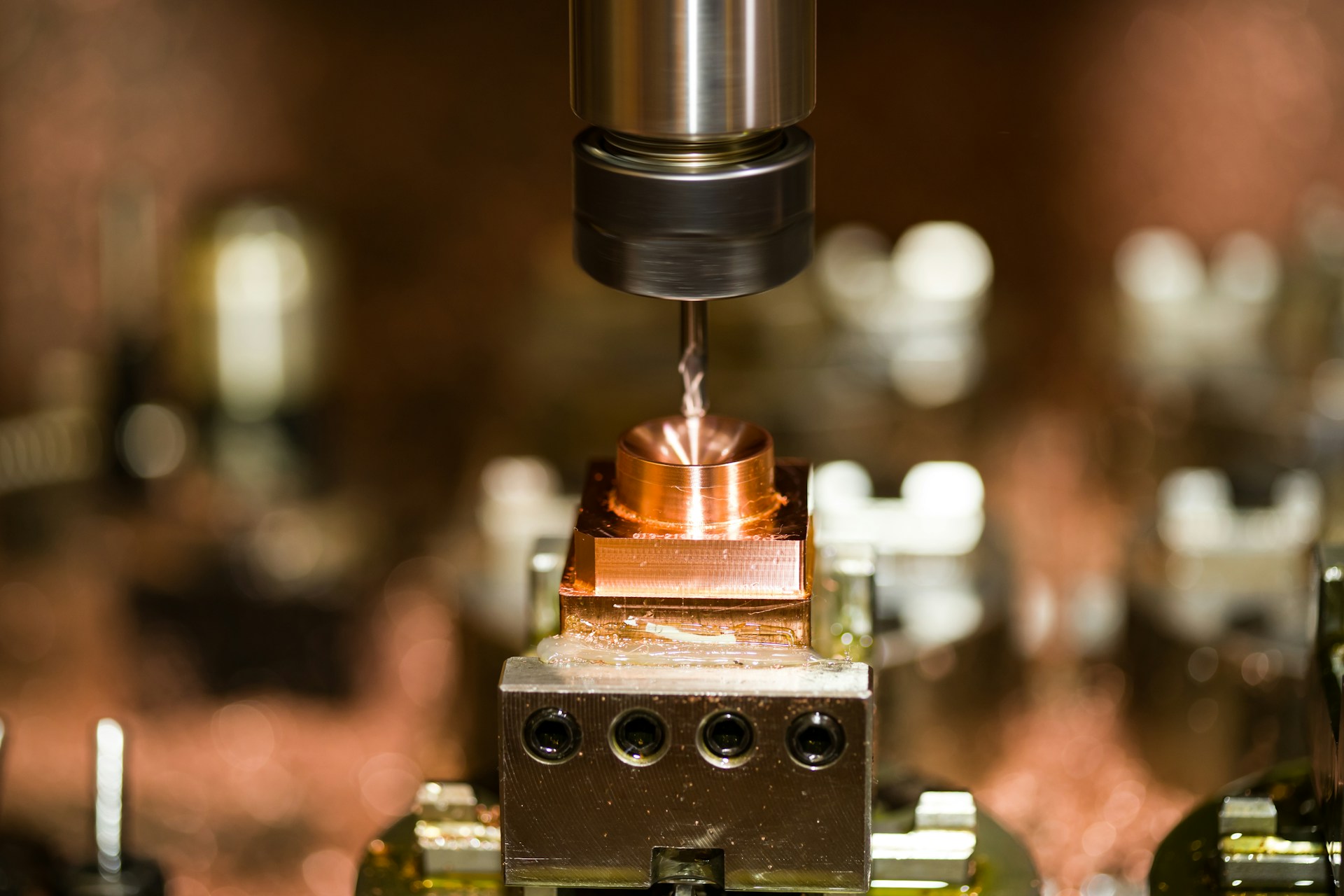
Precision mechanics
Source: Yamaguchi Vietnam
Given these capability gaps, Vietnam’s precision manufacturing landscape includes both foreign-invested specialists and domestic firms that are gradually upgrading their capabilities. The table below provides selected examples of companies in precision manufacturing, rather than a ranking of leading players.
Examples of precision manufacturing companies in Vietnam
| No. | Company | Head office | Origin | Main precision manufacturing focus |
| 1 | Misumi Vietnam | Northern | Japan | Precision mechanical components for factory automation, press dies, plastic moulds, high-tech machines, and measuring equipment |
| 2 | Aizaki Vietnam | Southern | Japan | 5-axis CNC milling, CNC turning, grinding, wire EDM, tight-tolerance metal components |
| 3 | Takako Vietnam | Southern | Japan | Hydraulic piston pumps, motors, and related precision components |
| 4 | Yamaguchi Vietnam | Northern | Japan | CNC precision machining, aluminium die-casting, jig design and manufacturing, surface treatment, heat treatment, and industrial measuring/testing equipment trading |
| 5 | Yamazen Vietnam | Southern | Japan | CNC machine tools, machining centres, grinding machines, cutting tools, measuring tools, automation equipment, and technical support for precision machining |
| 6 | THACO Industries | Southern | Vietnam | Plastic injection moulds, stamping dies, extrusion moulds, blow moulds, precision mechanical processing |
| 7 | Intech Group | Northern | Vietnam | CNC precision machining, inspection jigs, assembly jigs, machine parts, CNC turning, CNC milling, laser cutting |
| 9 | Hameco | Northern | Vietnam | Casting, fabrication, CNC machining, heat treatment, assembly, moulds/tooling, gears, shafts, flanges, bearings, couplings, and large-sized machined parts |
| 10 | Duy Tan Precision Mold | Southern | Vietnam | Plastic mould design and manufacturing |
Source: B&Company’s synthesis
Overall, as supporting industries shift toward supplying intermediate goods and as manufacturers seek to increase localization, precision mechanical processing is becoming a necessary capability rather than a niche specialization. Firms that can meet higher technical requirements will be better positioned to move beyond basic subcontracting and participate more deeply in manufacturing supply chains.
Implications for Japanese Companies
For Japanese companies, Vietnam presents a potential market for precision mechanical processing as the country continues to strengthen its domestic manufacturing and supporting industries. Although the number of supporting-industry enterprises has increased, localisation rates in several industries remain relatively low, indicating continued dependence on imported components and foreign suppliers. This creates opportunities for companies with advanced production capabilities, stable quality control, and technical know-how to support the expansion of local supply chains and localization activities. The opportunity is particularly relevant in industries with higher technical requirements, such as electronics, automobiles, motorcycles, medical devices, semiconductors, and automation-related manufacturing, where demand for precision parts, moulds and dies, jigs and fixtures, CNC-machined components, measuring tools, and production engineering support is expected to grow.
For market entry, Japanese companies may consider different forms of cooperation depending on their business objectives and required level of control. Establishing a new manufacturing or engineering company in Vietnam may be suitable for firms that need direct control over technology, quality, and production standards. At the same time, cooperation with experienced Vietnamese companies can also be a practical option, especially through supplier partnerships, technical collaboration, joint ventures, outsourcing, or training support. In this context, Japanese companies may not only expand production activities in Vietnam but also contribute to improving localization capability and strengthening the domestic supporting-industry ecosystem.
Read more
Vietnam manufacturing outlook: Key data, Policy insights, and Major players
Kochi Vietnam Support Desk: Strengthening business bridges between Kochi and Vietnam
* If you wish to quote any information from this article, please kindly cite the source along with the link to the original article to respect copyright.
| B&Company
The first Japanese company specializing in market research in Vietnam since 2008. We provide a wide range of services including industry reports, industry interviews, consumer surveys, business matching. Additionally, we have recently developed a database of over 1,000,000 companies in Vietnam, which can be used to search for partners and analyze the market. Please do not hesitate to contact us if you have any queries. info@b-company.jp + (84) 28 3910 3913 |
Cover photo: Yamaguchi Vietnam
[1] https://xaydungchinhsach.chinhphu.vn/sua-doi-bo-sung-quyet-dinh-cua-thu-tuong-chinh-phu-ve-phat-trien-cong-nghiep-ho-tro-119240118061748761.htm?
[2] https://vsi.gov.vn/en/statistic.html
[3] https://vneconomy.vn/hop-tac-ket-noi-dua-cong-nghiep-ho-tro-viet-nam-ra-khoi-vung-khiem-ton.htm
[4] https://doanhnghiepvathuongmai.vn/bai-viet/nganh-co-khi-viet-nam-dat-nhieu-ky-vong-truoc-nhung-co-hoi-lon.phtml
[5] https://vietnamnews.vn/economy/1691325/electronics-industry-booms-in-2024-with-record-export-turnover.html?
[6] https://musashivn.vn/news/co-khi-chinh-xac-xu-huong-phat-trien-trong-nganh-cong-nghiep-hien-dai.html
[7] https://www.vietnam-briefing.com/news/vietnam-medical-devices-market-outlook-projections-insights.html/
[8] https://en.vcci.com.vn/economic-news/amkor-eyes-further-expansion-in-bac-ninh-province-as-vietnams-semiconductor-push-gathers-pace-116972
[9] https://www.techinasia.com/news/south-koreas-hana-micron-boosts-vietnam-chip-ops-930m
Related article































Log in / Register
SUBSCRIBE NEWSLETTER