

 日本語
日本語  English
  Tiếng Việt
  简体中文
简体中文  한국어
한국어 これは、高価値の水産養殖と主食用米の生産のケーススタディを分析し、ベトナムの農業における ROI の明確な例を示しています。

2025年10月9日
最新ニュースとレポート / ベトナムブリーフィング
コメント: コメントはまだありません.
I. エグゼクティブサマリー:ベトナムのアグリテック分野における投資の必須性
ベトナムの農林水産業は、2024年にGDPの約11.86%を占める、引き続き国民経済の中核を担う産業である[1], 。2018年から2023年にかけて、同分野の付加価値は0.86兆VNDから1.22兆VNDへ増加し、絶対額ベースで着実な成長を示した。しかし、GDPに占める相対的な寄与度は11.8%から12.7%の間で安定して推移した[2], 。これは、同分野の価値が拡大する一方で、経済の他の分野がより速いペースで成長し、経済全体に占める割合が維持されたことを示している。.
GDP share of Agriculture, Forestry, and Fishing from 2018 to 2023
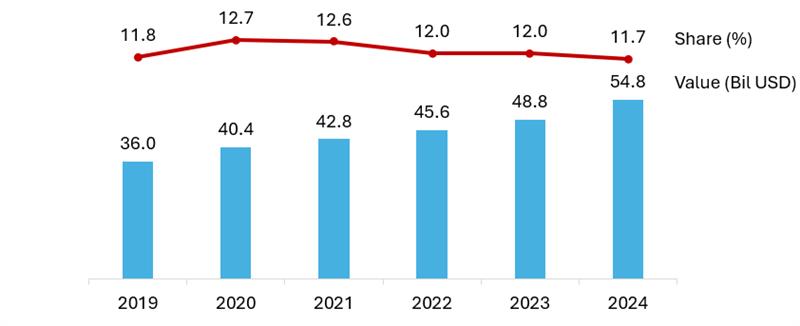
出典: GSO ((ベトナム統計総局))
同分野はまた、気候変動[3], 、都市化に伴う農地の縮小[4], 、厳格な国際品質・持続可能性基準への対応の必要性[5] .といった重大な課題にも直面している。これらの圧力により、高付加価値で持続可能かつテクノロジー主導の実践に向けた構造転換が進んでいる。AI、ドローン、センサーの導入は、収量の安定化、投入資材費および人件費の変動抑制、全体的な効率向上に寄与している[6]. 。その結果、ベトナムの農業AI市場は、2024年の872万米ドルから2033年には約4,300万米ドルへ拡大し、年平均成長率(CAGR)19%を示すと予測されている[7].
外国投資家にとって、同市場には直ちに取り組める高ROIの機会が3つある。すなわち、精密投入資材管理(高コストな肥料・飼料廃棄の削減)、プレミアム市場へのアクセス(輸出要件への適合に向けたデジタルトレーサビリティの活用)、サービス収益化(労働力不足と農地の分散に対応するアグリテック・アズ・ア・サービスモデルの導入)である。.
II. はじめに:ベトナムの持続可能な農業変革の促進
ベトナムにおけるアグリテック導入の加速は、包括的な政策枠組み、特に国家デジタルトランスフォーメーション・プログラム2025[8], 、および気候レジリエンスと持続可能性に向けた農業部門再編に関する国家目標によって推進されている。この変革の中心にいるのは、これらのイノベーションから最大の恩恵を受ける農業従事者である。予測不能な気象パターンや気温上昇などの気候リスクがフードチェーン全体を脅かす中、テクノロジーは農業における事業運営の不安定性に対する不可欠な経済的セーフガードとなっている3.
。2024年に$624億米ドルに達すると予測される、農産物輸出における世界的リーダーとしてのベトナムの継続的な成功[9], は、継続的な近代化の取り組みにかかっている。この進展は外国資本投資の急増によって支えられており、アグリテック企業へのベンチャー投資額は9倍に増加し、同分野の高い収益化ポテンシャルを浮き彫りにしている[10]. 。特に投入資材の最適化に注力する初期段階のプロジェクトでは、テクノロジー投資が迅速なプラスのキャッシュフローと高いリターンにつながることがすでに実証されている。.
以下のケーススタディでは、高付加価値の養殖業と主食であるコメの生産に焦点を当て、これらの重要な農業分野における投資収益率(ROI)を明確かつデータに基づいて示す。.
a. ケーススタディI:スマート養殖—精密エビ養殖
養殖業、特にエビ養殖は、精密技術を通じてROIを実現する最も明確かつ即効性の高い道筋の一つである。従来のエビ養殖は、事業運営上のリスクとコストが高く、飼料費と人件費がしばしば費用構成の大部分を占める[11]. 。水質モニタリングや疾病管理における手作業のプロセスは、非効率性を高め、市場変動に対する脆弱性をさらに増大させる[12]. 。IoTセンサー、AIベースのモニタリング、自動化などのテクノロジーを統合することで、エビ養殖場は水質を最適化し、廃棄を削減し、生産性を向上させることができる。これらの進展によりコストが低下し、養殖場の健全性が高まり、より持続可能で収益性の高いエビ養殖が実現する[13].
以下の表は、ベトナムにおける精密エビ養殖の主要なケーススタディをまとめたものであり、活用されたテクノロジーと、これらの変革的プロジェクトに関与した企業を示している。.
表1.エビ養殖プロジェクトにおけるROIの実証ポイント
| 番号. | プロジェクト/イニシアチブ | テクノロジーと重点領域 | 参加者 | 定量的成果(ROI) |
| 1 | ShrimpTech Vietnam 2024–2026[14] | ネットゼロ・エビ養殖、IoT統合、持続可能な実践 | OpenAsia、Skretting Vietnam、Tiptopp Aquaculture、Larive International | ROI指標は公表されていない。収益性のあるネットゼロ・エビ生産を目指す |
| 2 | Tepbac Smart Farming[15] | 農場の最適化と汚染削減のためのソフトウェア・ハードウェア統合ソリューション | Tepbac | サプライヤーとの直接接続により、農家が投入資材費を20~30%削減できるようにした |
| 3 | マングローブ・エビ統合養殖[16] | マングローブとエビ養殖を組み合わせた環境配慮型システム | ベトナム各地の農家および環境団体 | エビの風味特性を向上させ、疾病発生を削減した |
| 4 | ハティンにおける3段階RASエビ養殖[17] | 集約型エビ養殖向け循環式養殖システム(RAS) | ハティン市の地元農家 | 1ヘクタール当たり6億VND(約25,078米ドル)の利益を報告した |
| 5 | Viet-Uc & Bosch:AquaEasy AIパートナーシップ[18] | リアルタイム監視と自動化システムに重点を置くAI活用型エビ養殖 | Viet-Uc、Bosch、AquaEasy | エビの収量を20~30%増加させ、水とエネルギーの使用を最適化し、運用コストを15%削減した |
| 7 | Minh Phuの稲・エビ養殖モデル[19] | 稲作とエビ養殖を組み合わせた気候レジリエント型農業 | Minh Phu Seafood、カマウ省、チャビン省、ベンチェ省の地元農家 | エビの生産性を2倍にし、農家所得を3倍にした |
| 8 | NAGIS-FASEPプロジェクト[20] | 全国水産養殖地理情報システム(NAGIS)および水質監視ステーション | 地元農家、ベトナム政府、FASEP | 水産養殖管理と水質監視を強化した |
| 9 | カマウの循環式RAS-IMTAモデル[21] | 循環式養殖システム(RAS)、統合型マルチトロフィック養殖(IMTA)、および持続可能性 | 地元農家、カマウ省当局 | 長期的な環境面・経済面の便益をもたらし、養殖場の持続可能性を高めた |
出典:B&Company編集
これらのケーススタディは、ベトナムのエビ養殖において精密技術が大きな影響をもたらしていることを示している。Viet-Uc & Bosch AquaEasyのパートナーシップにおけるAI主導の自動化から、持続可能性を重視したMinh Phuの稲・エビモデルまで、これらのプロジェクトは先進技術の統合により、収量の向上、コスト削減、養殖場の健全性向上を実現できることを示している。こうしたイノベーションを導入することで、業界は収益性を高めるだけでなく、より持続可能で効率的な養殖慣行を促進し、エビ養殖の将来に向けた強固な基盤を構築している。.
b. ケーススタディII:低排出型稲作――メコンデルタでの規模拡大
ベトナムのコメ産業、特にメコンデルタでは、「高品質・低排出米100万ヘクタール」イニシアチブにより変革が進んでいる[22]. このプログラムは、間断かんがい(AWD)、肥料の深層施用、機械化された直播、稲わら管理などの技術を統合し、排出量の削減と生産性の向上を図るものである。収量の向上、投入コストの低減、温室効果ガス排出量の削減を目指し、環境の持続可能性と農家の収益向上の双方に貢献している。.
表2.低排出型稲作におけるROIの実証ポイント
| 番号. | プロジェクト/イニシアチブ | テクノロジーと重点領域 | 参加者 | 定量的成果(ROI) |
| 1 | 低排出米100万ヘクタールプログラム | 間断かんがい(AWD)、肥料使用量の削減、稲わら管理 | 農業農村開発省(MARD)、国際稲研究所(IRRI)、世界銀行 | 収量を12~20%増加させ、投入コストを10~15%削減し、ヘクタール当たりのGHG排出量を低減した |
| 2 | メコンデルタにおける低炭素米(ドンタップ省)[23] | AWD、水使用量の削減、土壌および水域の生物多様性の向上 | ドンタップ省農業農村開発局、Mekong Conservancy Foundation、Livelihoods Carbon Fund | 1作期・1ヘクタール当たりのGHG排出量をCO₂換算で3.13トン削減し、利益を1ヘクタール当たり460万~480万VND増加させた |
| 3 | 持続可能な米プラットフォーム(SRP)認証プロジェクト[24] | 持続可能な稲作慣行、SRP基準の導入 | Rikolto、BENEO、CarbonFarm、ドンタップ省農業農村開発局、Tan Binh Cooperative | GHG排出量を最大48%削減し、水使用量を30%削減し、生産コストを10%低減した |
| 4 | OM4040米品種の大規模栽培[25] | 機械化農業、AWD、肥料使用の最適化、稲わらの再利用 | 地元農家、農業協同組合、環境研究機関 | 生産米1トン当たりのCO₂排出量を15.5%削減し、土地賃借料を除くと収益性が向上した |
| 5 | AgResults Vietnam GHG排出削減チャレンジ[26] | 肥料使用の最適化、AWD、稲わら管理、機械化、有機資材の施用 | SNV Vietnam, Private Sector Competitors, Smallholder Farmers in Thai Binh Province | Increased yields by 4–14%, reduced GHG emissions by 375,000 tCO₂e, improved farmer incomes by 10–15% over four seasons |
| 7 | Green Carbon AWD Project[27] |
Alternate Wetting and Drying (AWD), methane reduction, water conservation, yield improvement |
Green Carbon, Local Farmers in Northern Vietnam |
Reduced methane emissions, improved yields, and increased farmer profits through AWD implementation |
出典:B&Company編集
These projects demonstrate how technologies such as AWD, optimized fertilizer use, and mechanization reduce emissions, improve yields, and increase profitability. They lead to lower water usage, reduced costs, and significant emissions reductions, benefiting both the environment and farmers’ finances. These initiatives align with Vietnam’s climate commitments and offer a scalable model for sustainable rice farming, helping mitigate climate change while ensuring long-term agricultural productivity and economic resilience.
III. Interpreting the ROI: Actionable Business Lessons for Investors
Lesson 1: The TCO Reduction Imperative
The quickest path to ROI is through optimizing the largest operational expenses. In both shrimp farming and rice production, major costs come from inputs like feed, labor, and agrochemicals. By introducing technology to reduce these costs, whether through more efficient feed management, labor-saving automation, or optimized fertilizer use, the initial capital expenditure is quickly offset. This creates a self-financing model where cost reductions directly contribute to profitability, proving that lowering Total Cost of Ownership (TCO) offers immediate and sustainable returns.
Lesson 2: Sustainability as a Financial De-risker
Sustainability is increasingly becoming a financial imperative, not just an environmental one. As global regulations on environmental impact tighten, technologies that demonstrate measurable environmental benefits, such as reductions in emissions, water usage, or waste, will become essential for maintaining access to premium markets and avoiding potential penalties. By adopting sustainable practices, producers can ensure compliance with evolving global standards, reduce long-term regulatory risks, and safeguard the financial viability of their operations. Sustainability not only drives environmental value but also mitigates the financial risks associated with non-compliance.
Lesson 3: Leveraging Cross-Sector Digital ROI Benchmarks
The success of digital transformation in sectors like logistics, manufacturing, and other industrial applications provides valuable benchmarks for Agri-tech investments. As seen in these industries, digitalization through tools such as real-time data analytics, automation, and predictive modeling delivers measurable improvements in efficiency, resource management, and cost reduction. Applying these digital solutions to agriculture can lead to similar financial returns by enhancing productivity, reducing waste, and optimizing supply chains. Digital tools are key to unlocking scalable value in Agri-tech, and investors should look to cross-sector successes as proof of concept.
IV. Strategic Opportunities and Investment Challenges in Vietnam’s Agriculture Sector
Successful market entry requires business models tailored to Vietnam’s unique structural dynamics. The traditional model of farmers purchasing high-cost machinery is often unviable due to land fragmentation and limited access to capital[28]. This necessitates strategic focus on scalable service models and compliance-driven technologies.
a. Opportunities:
Agri-Technology-as-a-Service (AaaS): High equipment costs and fragmented landholdings make direct farmer ownership of technologies, like drones, impractical. The Agri-Technology-as-a-Service (AaaS) model overcomes this by allowing service providers to absorb capital costs and deliver operational efficiencies across multiple small plots. This model, seen in services like XAG’s drone rentals, helps address labor shortages and boosts efficiency. Investors should prioritize scalable AaaS platforms that can aggregate demand from fragmented farms.
Supply Chain Transparency for Premium Pricing: With global buyers requiring digital traceability, investing in robust systems unlocks higher pricing and ensures market access. For example, mango cooperatives in Ben Tre use GS1-compliant blockchain to track produce, gaining access to high-value markets like the U.S. Investors should focus on traceability platforms that are interoperable, utilizing RFID, IoT, NFC, and Blockchain, and comply with national standards like TCVN/GS1[29].
Specialized Diagnostic and Prediction Solutions: Limited access to specialized technicians leads to crop disease misdiagnosis and yield loss. Mobile AI tools, such as CABI’s “AI Plant Doctor” for Vietnamese dragon fruit, offer a low-cost solution for early, accurate diagnoses[30]. This minimizes crop loss and pesticide use. Investments should focus on developing localized AI models and computer-vision datasets for smallholder farmers to improve accessibility and ease of use.
b. Investment Challenges and Market Gaps:
Land Fragmentation: Land fragmentation creates a need for shared service models to aggregate demand across small plots. The AaaS model addresses this by allowing service providers to manage CAPEX and offer scalable solutions, such as drones and sensors. Investors should focus on companies that can manage these costs and work with cooperatives to expand technology access across fragmented land.
Technical Skill Gaps: A lack of specialized skills in agriculture creates a demand for simple, mobile-first solutions that integrate training. AI-driven tools like the AI Plant Doctor provide instant diagnoses, making it easier for farmers to make decisions without needing external expertise. Investors should support technologies that combine training with their core functionalities, improving accessibility for smallholders.
Cold Chain Infrastructure Deficit: Vietnam’s cold chain market is small but growing at 13.6% annually[31], signaling significant untapped demand. Investing in smart cold storage and IoT logistics can reduce spoilage and improve efficiency. Digitalizing logistics could also cut costs, offering a strong opportunity for growth in this sector.
Regulatory Frameworks: As regulations tighten, there is an opportunity for firms offering compliance solutions, such as blockchain for traceability. These platforms meet international standards and ensure market access. Investors should collaborate with consulting firms to navigate regulatory requirements and capitalize on early market entry opportunities.
In summary, while high initial capital expenditure remains a challenge, the market opportunities in AaaS, traceability, and mobile AI tools offer substantial growth potential. Investors should focus on service delivery models, financial innovation, and regulatory expertise to unlock value in Vietnam’s agriculture sector.
V. Conclusion and Strategic Outlook
The convergence of climate challenges, rising labor costs, and stricter export standards is driving the need for technological adoption in Vietnam’s agriculture sector. Investments in AI, drones, and sensors have delivered strong returns, reducing operational costs and ensuring compliance for access to premium markets. Policy initiatives, such as the One-Million Hectares rice program, are helping de-risk pilot projects and accelerate scalability. This environment favors well-capitalized companies offering Agri-Technology-as-a-Service (AaaS) models. Successful market entry requires localized strategies, strong partnerships, and expertise in regulatory frameworks. With significant market opportunities and measurable returns, Vietnam’s Agri-tech sector presents a strong investment opportunity in ASEAN.
[1] https://www.nso.gov.vn/
[2] https://www.nso.gov.vn/
[3] https://www.undp.org/vietnam/stories/transforming-viet-nams-agriculture-climate-resilience
[4] https://tdmujournal.vn/
[5] https://en.mae.gov.vn/vietnams-agriculture-shifts-from-quantity-to-quality-to-win-new-markets-9039.htm
[6] https://ctuav.vn/how-the-drone-revolution-is-transforming-agriculture-in-vietnam/
[7] https://www.imarcgroup.com/vietnam-ai-in-agriculture-market
[8] https://www.aseanbriefing.com/news/investing-in-vietnams-climate-smart-agriculture-transformation/
[9] https://www.agroberichtenbuitenland.nl/actueel/nieuws/2025/04/24/as14-vietnam
[10] https://vietnamnews.vn/economy/1716319/viet-nam-emerges-as-a-hotspot-for-next-generation-tech-investment.html
[11] https://vietfishmagazine.com/aquaculture/shrimp/the-cost-of-feed-accounts-for-up-to-60-of-shrimp-production-costs.html
[12] https://worldwideaquaculture.com/the-future-of-shrimp-farming-ai-and-machine-learning-in-aquaculture/
[13] https://vietfishmagazine.com/aquaculture/ai-revolutionizes-shrimp-farming-in-vietnam.html
[14] https://www.larive.com/shrimptechvietnam-2024-2026/
[15] https://agfundernews.com/tepbac-deploys-software-iot-to-boost-vietnams-shrimp-farming-sector
[16] https://pubmed.ncbi.nlm.nih.gov/28980188/
[17] https://aquaasiapac.com/2023/08/24/3-stage-shrimp-farming-with-the-application-of-ras-technology-in-vietnam/
[18] https://seabinagroup.com/en/press-release-when-ai-meets-aquaculture-viet-uc-partners-bosch-aquaeasy-transforming-the-shrimp-industry-in-vietnam.html
[19] https://wwfint.awsassets.panda.org/
[20] https://fisheries.groupcls.com/nagis-project-in-vietnam/
[21] https://vietfishmagazine.com/aquaculture/ca-mau-advances-circular-ras-imta-shrimp-farming-for-sustainable-aquaculture.html
[22] https://www.irri.org/news-and-events/news/vietnam%E2%80%99s-1-million-hectare-rice-program-shows-promising-results
[23] https://www.agtechnavigator.com/Article/2025/07/23/vietnams-low-emission-rice-project-cuts-costs-and-carbon-lifts-yields-and-profits/
[24] https://www.rikolto.org/projects/expanding-sustainable-rice-production-through-fair-value-chains
[25] https://www.frontiersin.org/journals/sustainable-food-systems/articles/10.3389/fsufs.2025.1617417/full
[26] https://agresults.org/projects/vietnam/
[27] https://green-carbon.co.jp/en/enawdprojectreport/
[28] https://ap.fftc.org.tw/
[29] https://www.eladpartners.com/case-studies/leveraging-ai-for-early-crop-disease-detection
[30] https://blog.plantwise.org/2021/02/18/ai-plant-doctor-app-launched-to-help-diagnose-pests-and-diseases-on-dragon-fruit-crops-in-vietnam/
[31] https://www.fedex.com/en-vn/business-insights/sme/cold-chain-logistics-boost-vietnamese-fruit-exports.html
*この記事の情報を引用したい場合は、著作権を尊重するために、元の記事へのリンクとともに出典を明記してください。.
| B&Company
2008年よりベトナムで市場調査を専門とする初の日本企業として、業界レポート、業界インタビュー、消費者調査、ビジネスマッチングなど、幅広いサービスを提供しています。さらに、ベトナム国内の90万社以上の企業を網羅したデータベースを構築し、パートナー企業の探索や市場分析にご活用いただけるようになりました。. ご不明な点がございましたら、お気軽にお問い合わせください。. info@b-company.jp + (84) 28 3910 3913 |
関連記事
































ログイン / 新規登録
ニュースレターを購読する