

 简体中文
简体中文  English
  日本語
日本語  Tiếng Việt
  한국어
한국어 对于外国直接投资企业而言,越南生物燃料行业是东南亚最具吸引力的清洁能源投资机会之一。

024 月2026
最新新闻与报告 / 越南简报
评论: 没有评论.
抽象的
美国与伊朗之间中东冲突的升级,导致2026年初霍尔木兹海峡关闭,使全球油价飙升至多年来的最高水平,暴露出越南严重的能源脆弱性。作为一个进口其炼油石油产品超过30%的经济体,越南在制造业、交通和农业领域面临日益上升的成本压力。为应对这一挑战,政府正转向清洁能源转型,尤其是生物燃料,希望实现经济稳定并多元化能源供应来源。对于外国直接投资(FDI)企业而言,越南生物燃料行业目前仅能在国内生产满足40%的乙醇需求,是东南亚最具吸引力的清洁能源投资机会之一。.
中东冲突及其对越南能源行业的影响
2026年3月初,伊朗宣布关闭霍尔木兹海峡——这条狭窄的航运通道每天承载约2,000万桶原油和石油产品,约占全球液化天然气贸易的20% [1]. 。这一航线的任何中断,例如近期的军事冲突,都会导致全球油价出现显著冲击,正如2026年3月的供应中断所见。例如,布伦特原油价格在冲突爆发初期上涨约15%,随后随着市场开始计入持续中断的风险,飙升至每桶$120。国际能源署(IEA)警告称,由于这场冲突,全球可能面临有史以来最大规模的石油供应中断,并可能改变全球价格走势 [2]
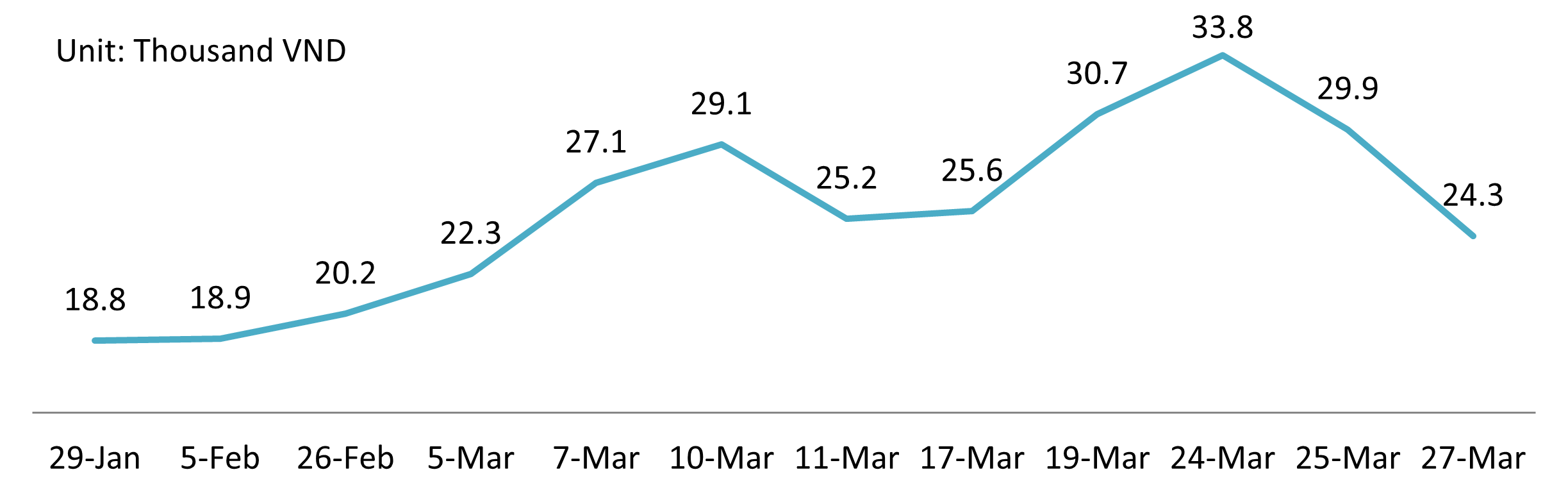
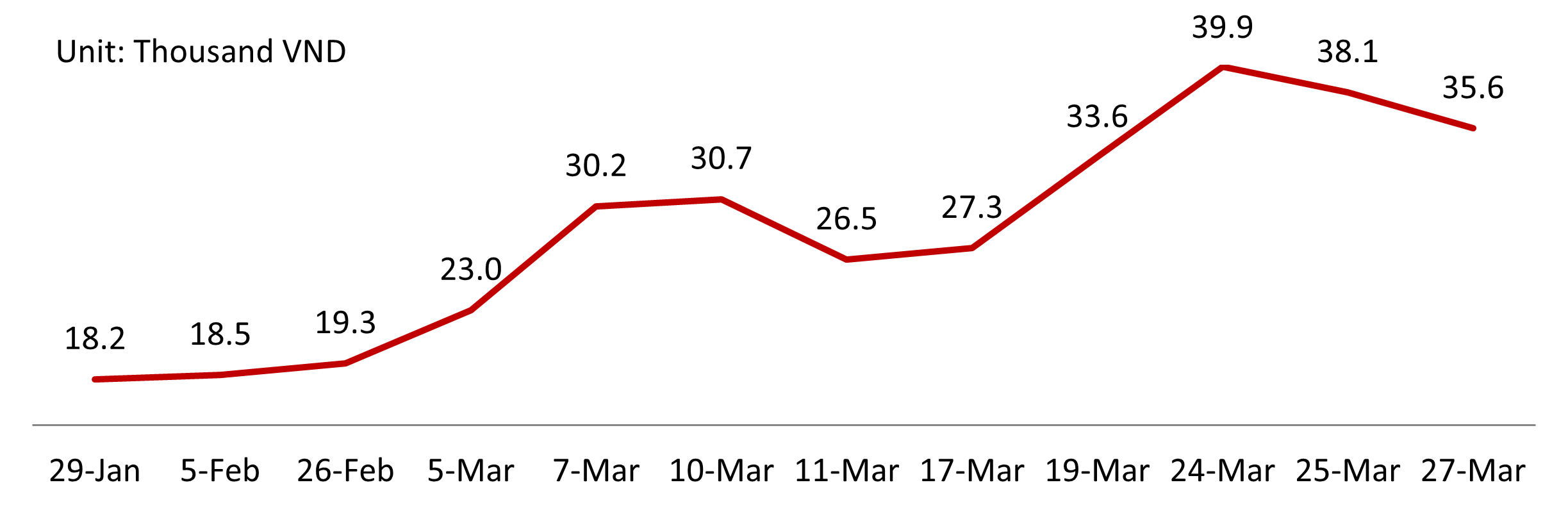
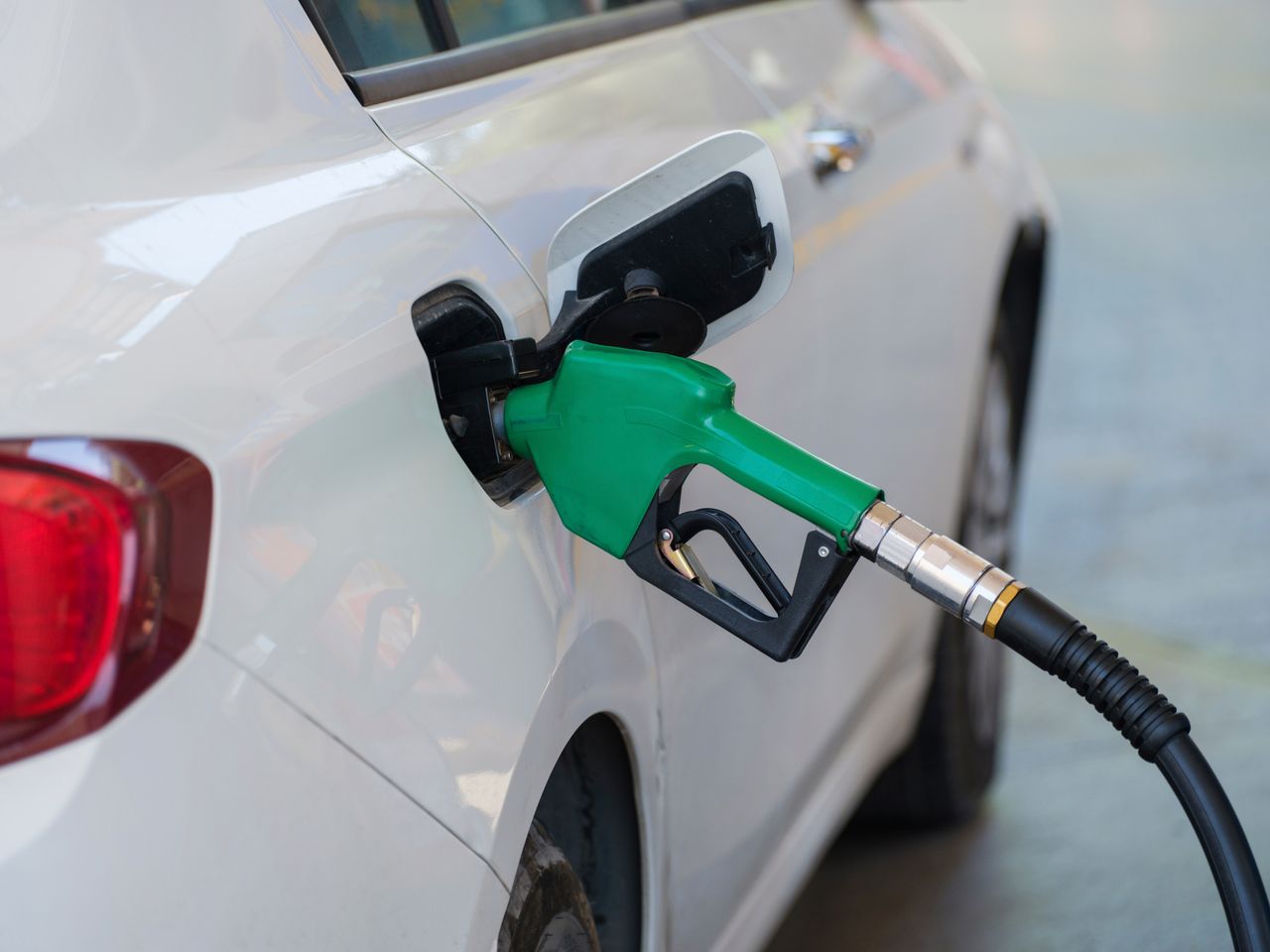
这场冲突对高度依赖进口石油的国家造成了巨大损害,包括越南。由于对进口能源投入的高度依赖,越南被认为对全球能源价格波动极为敏感。随着中东紧张局势升级并推高油价,其影响可能广泛传导,并抬高企业的生产成本、物流成本或供应成本。直接零售端的影响已经显现:RON 95汽油价格大幅波动但整体上行,最高达到每升3.38万越南盾,而柴油价格则飙升至每升3.99万越南盾。与此同时,国际能源专家警告称,中东地区长期军事冲突可能将全球油价推高至每桶$110–164[3].
Gasoline Price in Vietnam (Jan-Mar 2026)
Petrol Price in Vietnam (Jan-Mar 2026)
稳定越南能源行业的政府措施
为缓解眼前的能源危机,越南政府迅速在多个方面采取行动。在监管方面,2026年第36/NQ-CP号决议(2026年3月6日)引入了更灵活的燃料价格调整机制——允许在基准价格上涨7%或以上时,不必等待常规每周周期即可进行审查;若价格在单月内上涨超过20%,则启动额外的稳定措施。在财政方面,2026年第72/2026/ND-CP号法令(2026年3月9日)将若干燃料类别的进口关税自2026年3月9日至4月30日降至0%,直接支持国内供应并抑制价格上涨。政府还动用了金融储备:截至2025年第三季度,石油价格稳定基金持有超过5.617万亿越南盾(超过$2.2亿),其中仅Petrolimex就占3.085万亿越南盾;有关部门动用这些资金来缓冲全球市场冲击,并平衡企业与消费者双方的利益[4]
除短期稳定措施外,这场危机还加速了更长期的战略转向,尤其是推动从化石燃料向清洁能源转型。包括生物燃料在内的清洁能源,一直是越南对环境可持续性和能源安全承诺的一部分;E5和E10燃料混合项目旨在逐步替代传统汽油,以减少环境影响并降低对进口石油的依赖。.
E10燃料目前正在胡志明市试点销售
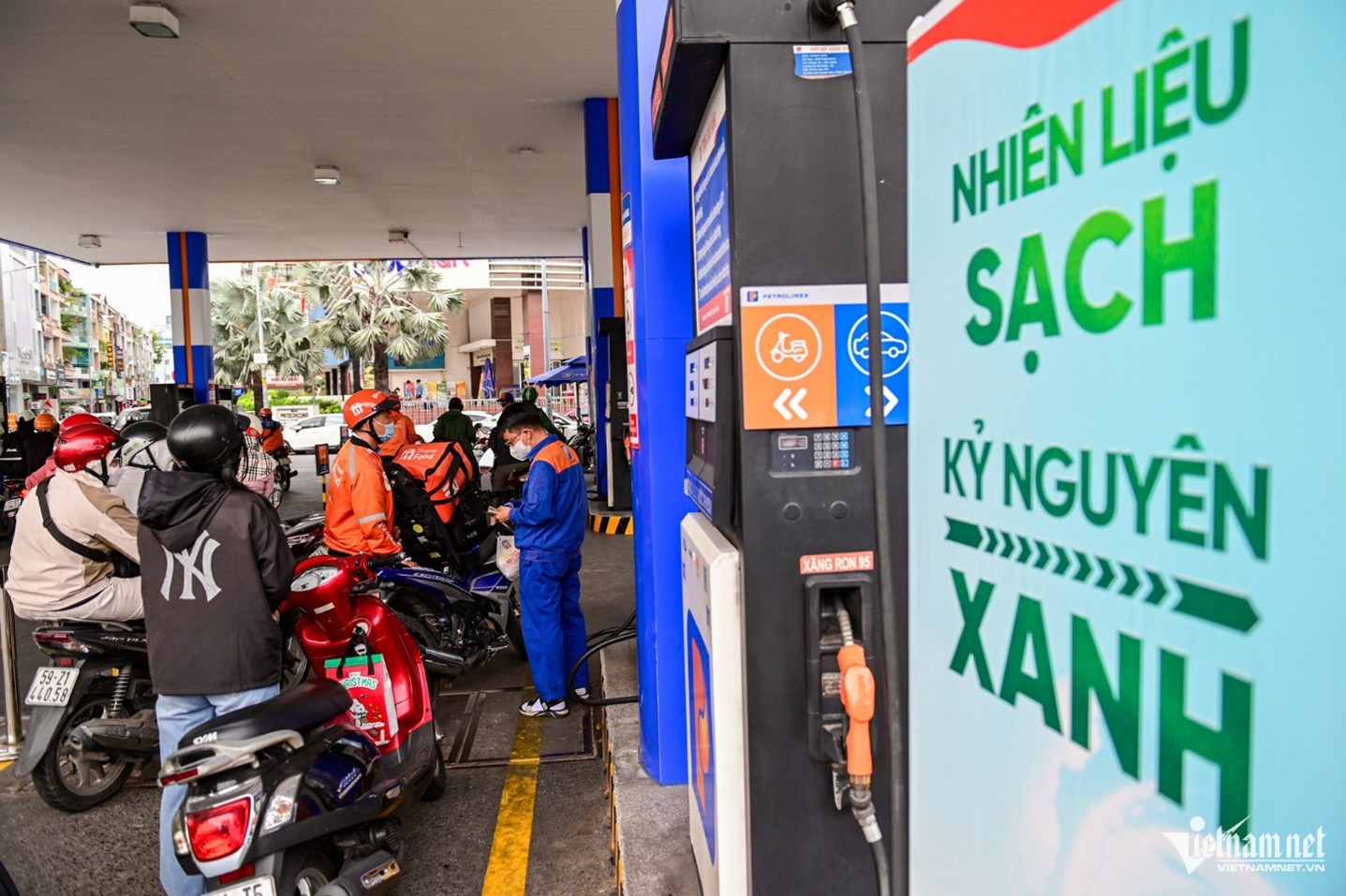
来源: VietnamNet
越南生物燃料市场
尽管越南的生物燃料项目自2018年E5生物汽油正式推出以来,已悄然推进近十年 [5], ,该计划本身也因中东紧张局势引发全球油价大幅飙升的影响而提前推进,自2026年6月1日起在全国推出E10生物燃料,较原计划提前一个月 [6]
E10生物燃料计划自2026年6月1日起推出
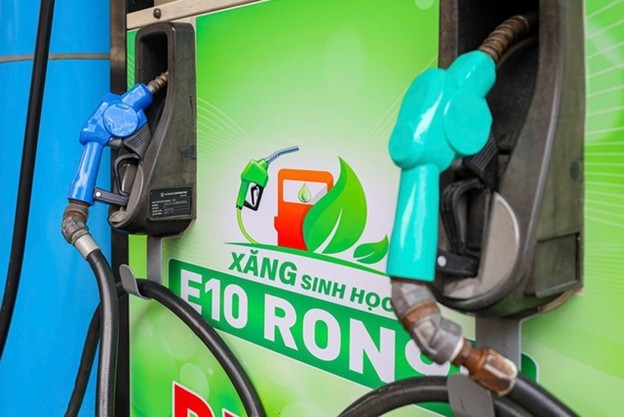
来源: 越南经济
From 2014 to 2020, the E5 ethanol gasoline fluctuated, while increasing rapidly and reaching its peak in 2018, the trend slowly decreased its share in the total gasoline consumption from 50% to only around 40% in 2020. According to experts, as the percentage of biofuels in gasoline increases, the dependence level on traditional gasoline, especially fossil fuels, will decrease accordingly in the new era.
Vietnam has about 6 fuel ethanol production plants; however, only about half of them are operational, and most are not operating at full capacity due to previously limited market demand. If all plants operated at maximum design capacity, the total domestic ethanol production could reach approximately 400,000–500,000 m³ per year, equivalent to about 40% of demand. Thus, in the initial phase of E10 implementation, the biggest problem that Vietnam still has to face is that importing fuel is still a must of up to 60% of ethanol for fuel blending [10]. The chairman of the Vietnam Biofuels Association noted that “if Vietnam can proactively secure ethanol supply, it will clearly help ease pressure on crude oil imports and refined petroleum products, which are currently heavily affected by instability and conflict in the Middle East.” [7]
然而,要实现生物燃料完全替代矿物汽油的发展目标,越南仍需在技术、政策和市场方面克服重大挑战。其中,障碍也凸显出迫切需要扩大原料种植区域、提高乙醇生产能力,并建立强有力且切实可行的政策机制,以鼓励生产、进口以及生物燃料来源的战略储备。 [8]
Ethanol plants’ capacity for E10 biofuel production in Vietnam (thousand cubic metres)
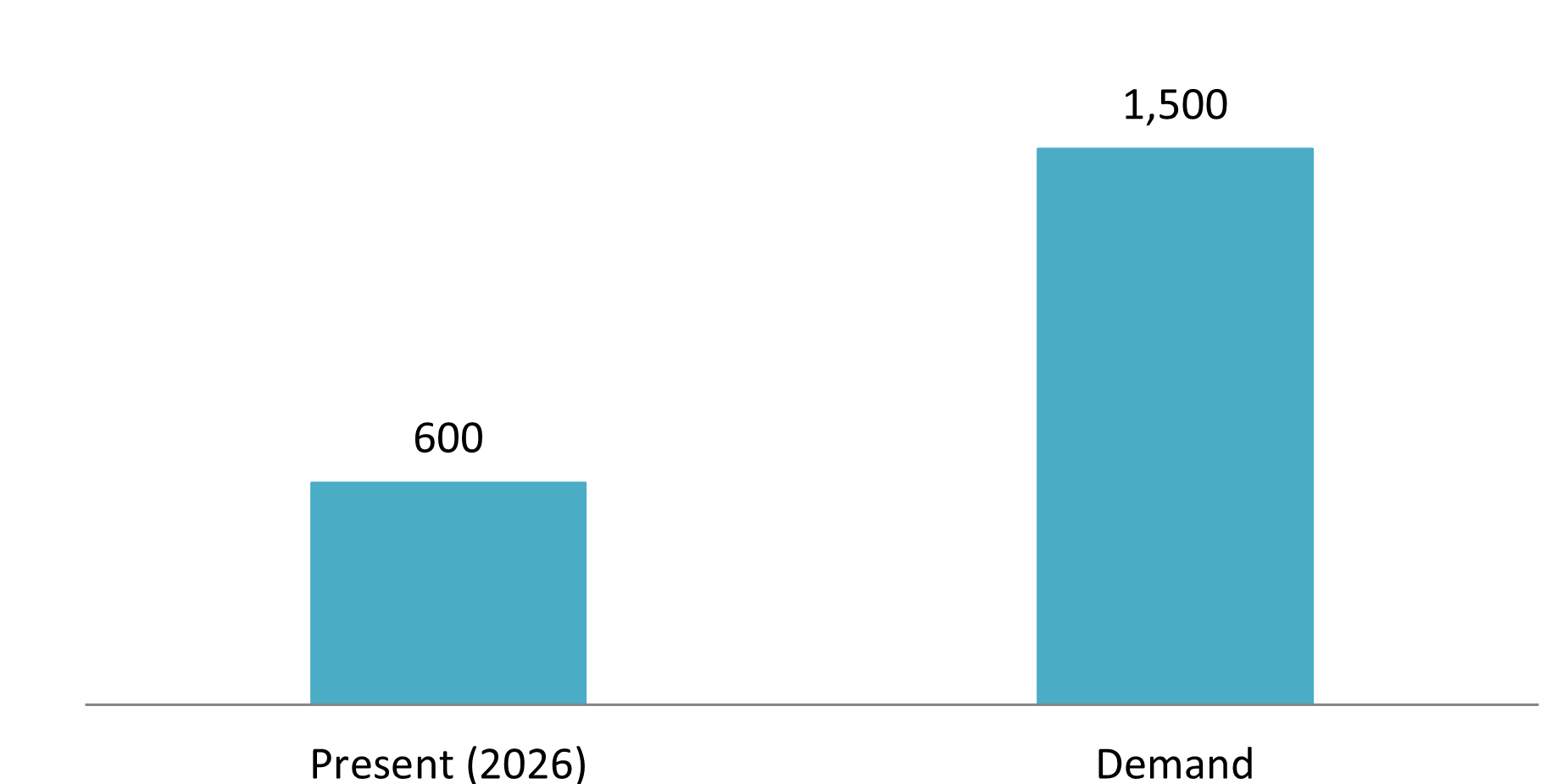
来源: 越南新闻
消费者认知也相对滞后。在消费者端,市场对生物燃料质量仍存在担忧;而在企业端,E5 RON92与RON95汽油之间的价差相当有限,不足以形成强有力的替代动力。混配与分销基础设施需要大量资本投入,而从农场到乙醇工厂的原料供应链仍然分散。.
越南生物燃料行业的FDI企业机遇
地缘政治压力、政府政策以及结构性供应缺口的叠加,使越南生物燃料行业成为东南亚外资清洁能源投资者最具吸引力的进入点之一。若要有效进入市场,应遵循若干战略原则。.
与本地农业供应链合作: 乙醇原料瓶颈既是供应链问题,也是资本问题。与木薯和玉米合作社建立长期采购协议的FDI企业——尤其是在西宁、嘉莱和昆嵩等省份——既可保障原料供应并赢得社区支持,也能显著降低监管摩擦。.
及早与MOIT和MAE沟通: 工贸部(MOIT)和农业与环境部(MAE)是塑造生物燃料法规、混配要求和税收激励的核心政策制定者。及早与这些机构沟通、确保政策协同,有助于获得投资促进激励、优惠用地条件以及优先审批许可。.
投资混配和储存基础设施: 确保大规模的混配与分销基础设施对于成功至关重要。转型需要接入并升级全国各地的港口、仓库和储存设施[13]。具备物流专业能力的外资投资者——尤其是在罐储、港口装卸和冷链管理方面——可立即发挥作用,与乙醇生产投资形成互补。.
阅读更多
* 如果您希望引用本文中的任何信息,请同时注明来源并附上原文链接,以尊重版权。.
| B&Company
自2008年以来,第一家专注于越南市场研究的日本公司。我们提供广泛的服务,包括行业报告、行业访谈、消费者调查、商业匹配。此外,我们最近开发了一个包含超过900,000家越南公司的数据库,可用于寻找合作伙伴和分析市场。. 如果您有任何疑问,请随时与我们联系。. info@b-company.jp + (84) 28 3910 3913 |
[1] https://www.weforum.org/stories/2026/03/the-global-price-tag-of-war-in-the-middle-east/
[2] https://www.reuters.com/business/energy/world-faces-largest-ever-oil-supply-disruption-middle-east-war-iea-says-2026-03-12/
[3] https://www.vietnam.vn/en/gia-dau-the-gioi-vuot-110-usd-thung-do-xung-dot-tai-eo-bien-hormuz
[4] https://en.vneconomy.vn/vietnam-may-activate-petroleum-price-stabilization-measures-amid-middle-east-tensions.htm
[5] https://essentica.eu/news/about-the-industry/vxetnam-ustanavlivaet-normu-v-5-Zhtanol
[6] https://en.vneconomy.vn/e10-biofuel-may-be-rolled-out-from-june-2026.htm
[7] https://english.vov.vn/en/economy/vietnam-needs-to-accelerate-adoption-of-biofuel-amid-global-energy-supply-uncertainty-post1274404.vov
[8] https://www.vietnam.vn/en/vuot-thach-thuc-de-hien-thuc-hoa-lo-trinh-xang-sinh-hoc-e10
其他参考资料:
- – https://www.weforum.org/stories/2026/03/the-global-price-tag-of-war-in-the-middle-east/
- – https://www.reuters.com/business/energy/world-faces-largest-ever-oil-supply-disruption-middle-east-war-iea-says-2026-03-12/
- – https://www.vietnam.vn/cap-nhat-gia-xang-dau-trua-hom-nay-17-3-2026-gia-dau-tho-the-gioi-tang-tro-lai-vuot-moc-100-usd
- – https://www.vietnam-briefing.com/news/vietnam-responds-to-rising-oil-prices-emergency-measures-and-new-initiatives.html/
- – https://en.vneconomy.vn/vietnam-may-activate-petroleum-price-stabilization-measures-amid-middle-east-tensions.htm
- – https://www.vietnam.vn/en/gia-xang-dau-giam-manh-den-7-966-dong-lit-viet-nam-day-manh-tu-chu-nang-luong
- – https://www.vietnam.vn/an-ninh-nang-luong-quoc-gia-chuyen-doi-nang-luong-sach-xanh-dam-bao-tinh-tu-chu
- – https://essentica.eu/news/about-the-industry/vxetnam-ustanavlivaet-normu-v-5-Zhtanol
- – https://en.vneconomy.vn/e10-biofuel-may-be-rolled-out-from-june-2026.htm
- – https://www.vietnam.vn/en/xang-sinh-hoc-e10-nguon-nguyen-lieu-va-chuoi-cung-ung-nang-luong-moi
- – https://english.vov.vn/en/economy/vietnam-needs-to-accelerate-adoption-of-biofuel-amid-global-energy-supply-uncertainty-post1274404.vov
- – https://www.vietnam.vn/en/vuot-thach-thuc-de-hien-thuc-hoa-lo-trinh-xang-sinh-hoc-e10
- – https://vietnamnews.vn/economy/1724451/fuel-for-thought-viet-nam-speeds-toward-e10-shift.html
- – https://www.vietnam.vn/en/gia-dau-the-gioi-vuot-110-usd-thung-do-xung-dot-tai-eo-bien-hormuz
相关文章






















登录 / 注册
订阅新闻通讯