

 Tiếng Việt
  English
  日本語
日本語  简体中文
简体中文  한국어
한국어 Các ngành công nghiệp hỗ trợ của Việt Nam đóng vai trò quan trọng trong quá trình chuyển đổi kinh tế của đất nước, thúc đẩy nỗ lực công nghiệp hóa và hiện đại hóa.
04/02/2025
Đánh giá ngành / Tin tức & Báo cáo mới nhất
Bình luận: Không có bình luận.
Tổng quan về ngành công nghiệp hỗ trợ tại Việt Nam
Các ngành công nghiệp hỗ trợ của Việt Nam đóng vai trò then chốt trong quá trình chuyển đổi kinh tế của quốc gia, thúc đẩy nỗ lực công nghiệp hóa và hiện đại hóa. Bằng cách củng cố các lĩnh vực chế biến và chế tạo, những ngành này góp phần đáng kể vào việc nâng cao cơ cấu kinh tế tổng thể của Việt Nam. Nghị định số 111/2015/NĐ-CP[1] định nghĩa công nghiệp hỗ trợ là các ngành sản xuất nguyên liệu, vật liệu, linh kiện và phụ tùng để cung ứng cho hoạt động sản xuất sản phẩm hoàn chỉnh.
Sản xuất linh kiện và phụ tùng (bao gồm các bộ phận và linh kiện kim loại, nhựa, điện và điện tử) là một trong ba lĩnh vực mục tiêu của công nghiệp hỗ trợ, – bên cạnh công nghiệp hỗ trợ cho ngành dệt may, da giày và ngành công nghệ cao. Trong bài viết này, chúng tôi tập trung thảo luận về lĩnh vực linh kiện, phụ tùng, máy móc và thiết bị, vốn có mối liên hệ chặt chẽ với hoạt động hợp tác của Nhật Bản.
Xét trên bình diện rộng, các doanh nghiệp “công nghiệp hỗ trợ” này thuộc ngành cơ khí của Việt Nam, theo Tổng cục Thống kê (GSO), bao gồm khoảng 30.000 doanh nghiệp. Toàn ngành tạo ra tổng doanh thu hơn 1,7 triệu tỷ đồng và tạo việc làm cho hơn 1,2 triệu lao động[2].
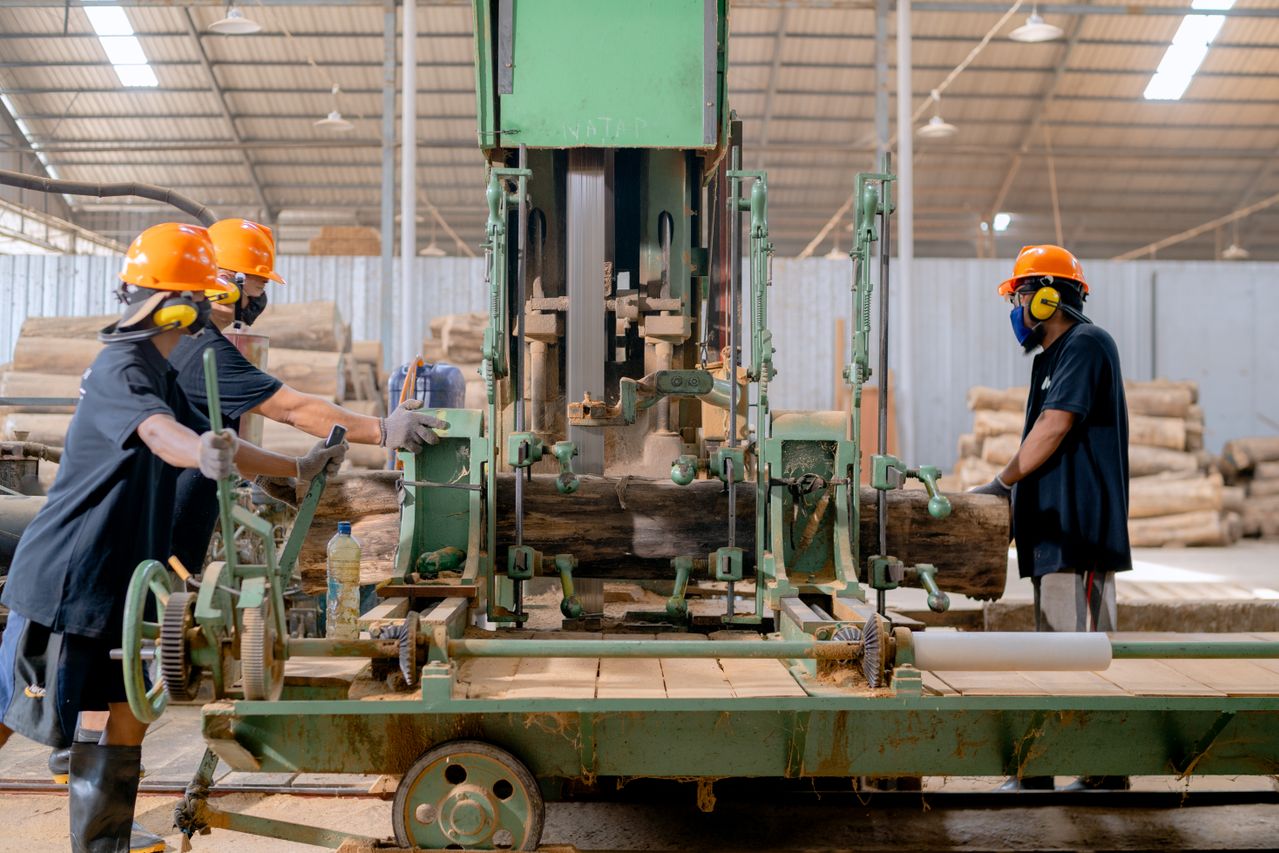
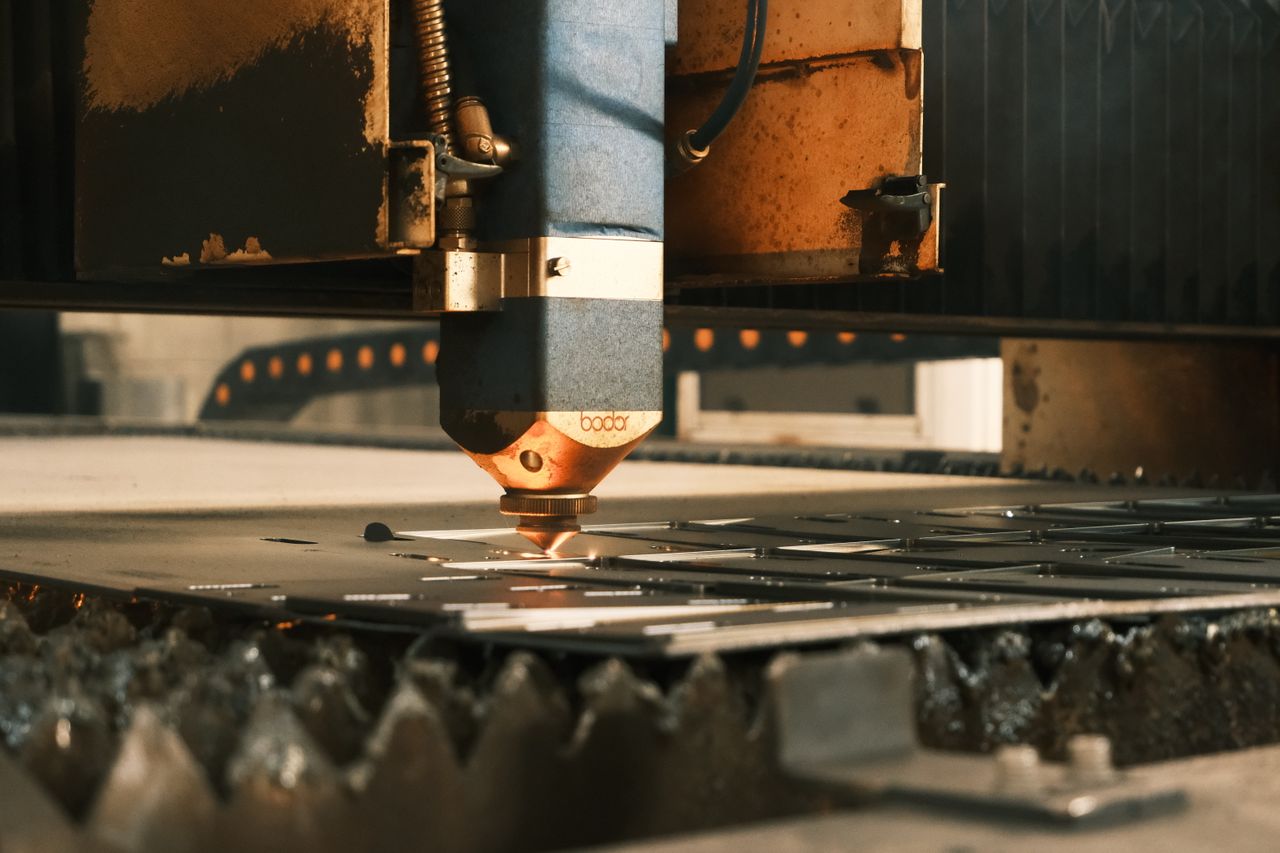
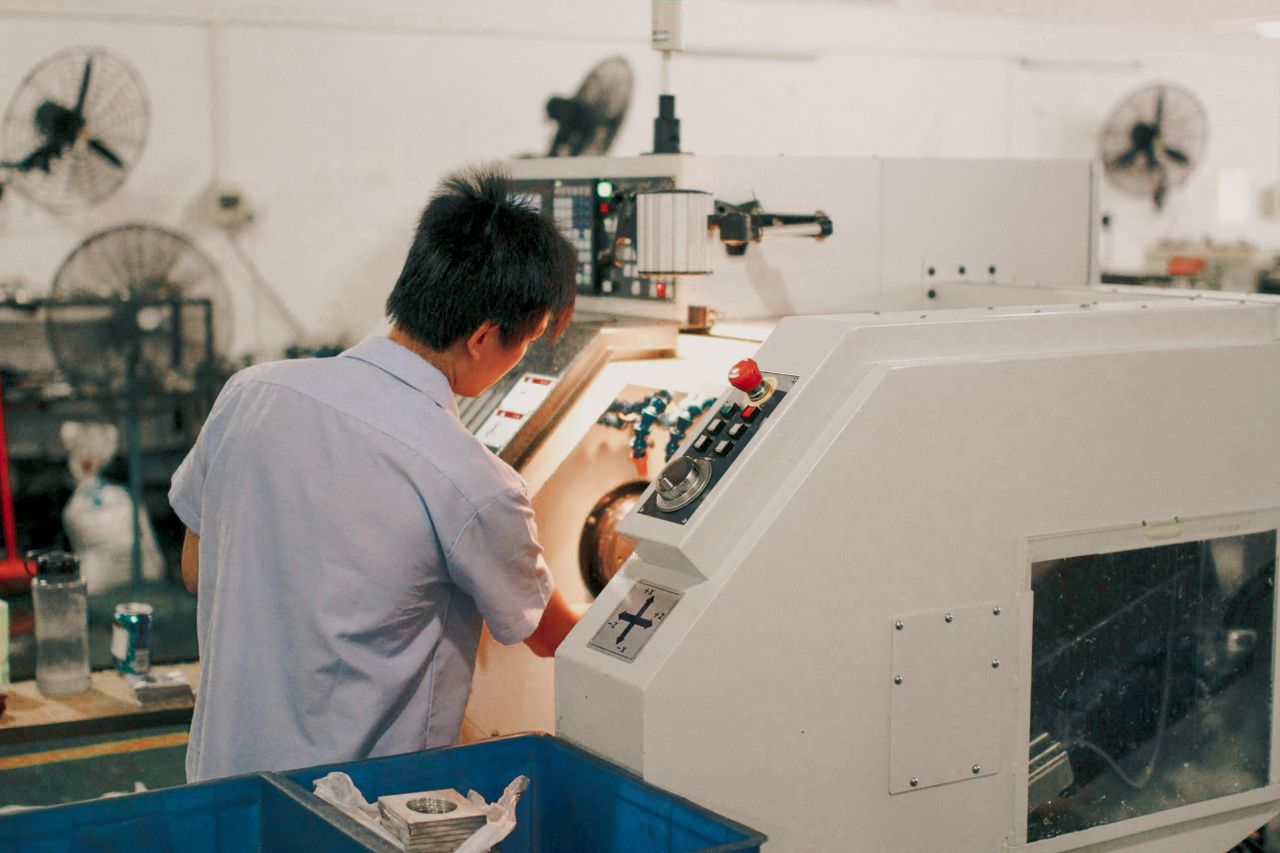
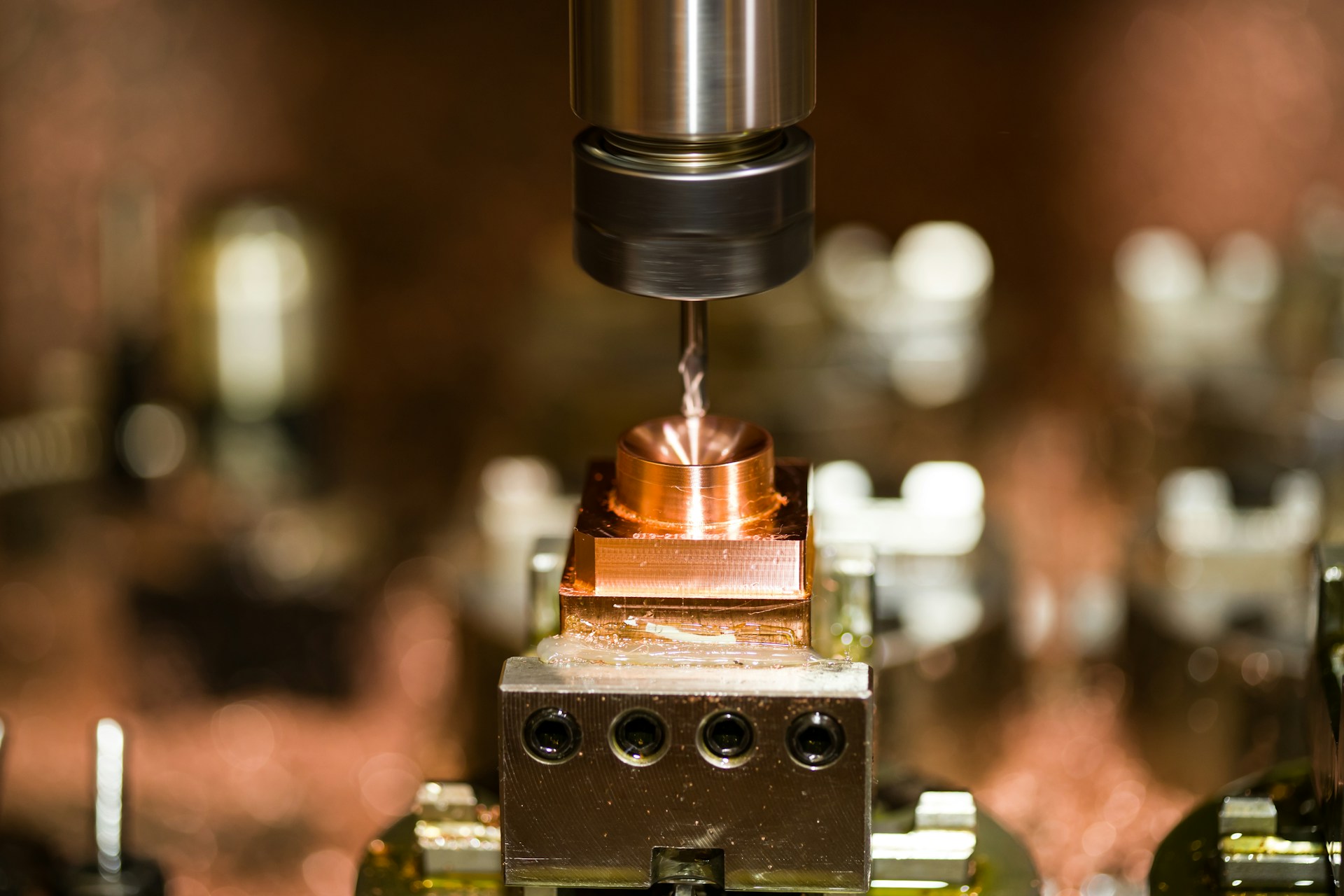
Gia công cơ khí là một phân ngành của ngành cơ khí, bao gồm việc chế tạo và sản xuất các linh kiện, bộ phận hoặc sản phẩm từ kim loại và các vật liệu khác thông qua những phương pháp gia công như cắt, tạo hình, đúc, rèn, dập, hàn và các phương pháp xử lý cơ khí khác. Theo số liệu thống kê từ cơ sở dữ liệu doanh nghiệp của B&Company dựa trên Hệ thống ngành kinh tế Việt Nam (VSIC)[3] vào năm 2021, số lượng doanh nghiệp gia công cơ khí[4] đạt 11.998 doanh nghiệp, với tổng doanh thu đạt 197.947 tỷ đồng và tốc độ tăng trưởng kép hằng năm (CAGR) đạt 15% trong giai đoạn 2017-2021. Bên cạnh đó, xét theo phương pháp gia công, số lượng doanh nghiệp hoạt động trong các lĩnh vực gia công cơ khí, đúc, rèn và dập có xu hướng tăng qua các năm trong giai đoạn 2017- 2021.
Number of companies by processing method, period of 2017-2021
(Đơn vị: công ty)
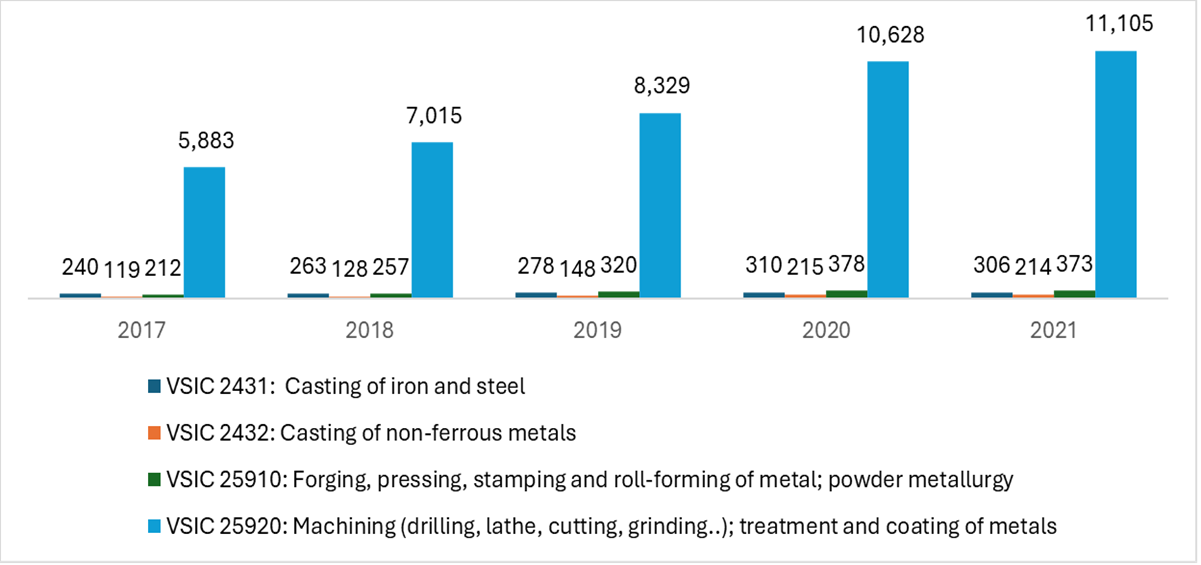
Nguồn: Cơ sở dữ liệu doanh nghiệp của B&Company
Xét từ góc độ chuỗi cung ứng, Bộ Công Thương (MoIT) cho biết hiện có khoảng 5.000 doanh nghiệp tại Việt Nam đang cung ứng linh kiện cho ngành ô tô và cơ khí. Trong số này, 70% phục vụ các nhà sản xuất trong nước, 8% phục vụ các nhà xuất khẩu (chủ yếu hướng đến các thị trường trọng điểm như Hàn Quốc, Nhật Bản, Trung Quốc và Hoa Kỳ), còn 17% cung ứng cho cả hai nhóm. Do đó, khoảng 30% doanh nghiệp Việt Nam trong các ngành công nghiệp hỗ trợ đã tham gia vào chuỗi cung ứng toàn cầu[5].
Ocơ hội và những thách thức đối với sự phát triển của ngành công nghiệp hỗ trợ
Ngành công nghiệp hỗ trợ tại Việt Nam có nhiều cơ hội tăng trưởng đáng kể, được thúc đẩy bởi sự kết hợp giữa lợi thế địa lý chiến lược, sự hỗ trợ mạnh mẽ của Chính phủ và dòng vốn đầu tư nước ngoài từ các tập đoàn sản xuất toàn cầu.
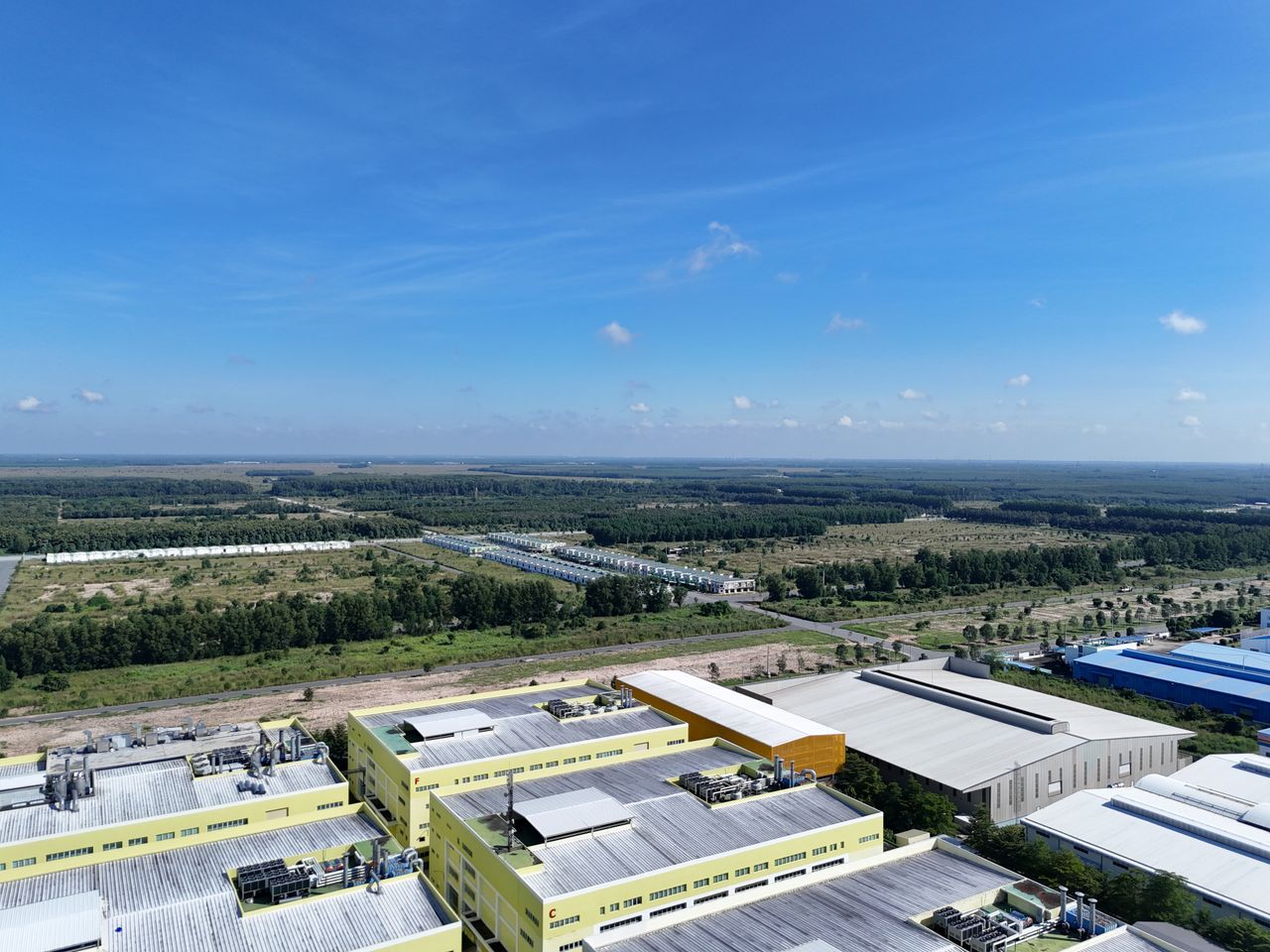
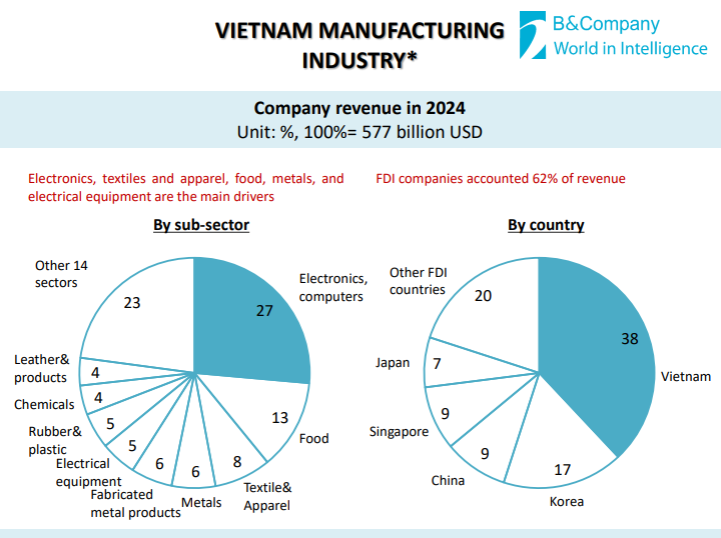
Thứ nhất, vị trí chiến lược của Việt Nam tại Đông Nam Á tạo điều kiện tiếp cận thuận lợi với các thị trường lớn trong khu vực như Trung Quốc, Nhật Bản và Hàn Quốc. Lợi thế địa lý này, nếu kết hợp với mạng lưới giao thông và logistics hiệu quả, sẽ giúp giảm chi phí và nâng cao khả năng tiếp cận thị trường. Việt Nam đã trở thành điểm đến hấp dẫn đối với các tập đoàn toàn cầu như Apple, Canon, LG, Samsung, Google và Panasonic. Do đó, khi các tập đoàn đa quốc gia này mở rộng chuỗi cung ứng sang Việt Nam, các nhà cung cấp cấp 1 của họ—như Foxconn, Jabil, Pegatron và Wistron—cũng đi theo, qua đó tiếp tục củng cố nền tảng công nghiệp của đất nước.
Bài viết liên quan
























Đăng nhập / Đăng ký
Tiếp tục mà không cần tài khoản
Đăng nhập / Đăng ký
ĐĂNG KÝ NHẬN BẢN TIN