

 English
  日本語
日本語  Tiếng Việt
  简体中文
简体中文  한국어
한국어 Vietnam's supporting industries play a pivotal role in the nation's economic transformation, driving industrialization and modernization efforts.
04Feb2025
Industry Reviews / Latest News & Report
Comments: No Comments.
Overview of supporting industry in Vietnam
Vietnam’s supporting industries play a pivotal role in the nation’s economic transformation, driving industrialization and modernization efforts. By bolstering the processing and manufacturing sectors, these industries significantly enhance Vietnam’s overall economic structure. Decree No. 111/2015/ND-CP[1] defines supporting industries as industries that produce raw materials, materials, components, and spare parts to supply for the production of finished products.
The manufacturing of components and spare parts (including metal, plastic, and electrical-electronic parts and components) is one of three targeted areas within the supporting industry, – alongside the supporting industries for textiles, footwear, and leather, as well as for high-tech industries. In this article, we focus on discussing the field of components, spare parts, and machinery and equipment, which has a strong connection to Japanese collaboration.
From a broad perspective, these “supporting industry” companies are part of Vietnam’s mechanical industry, which, according to the General Statistics Office (GSO), comprises approximately 30,000 enterprises. The whole sector generates a total revenue of over 1.7 quadrillion VND and provides employment for more than 1.2 million workers[2].
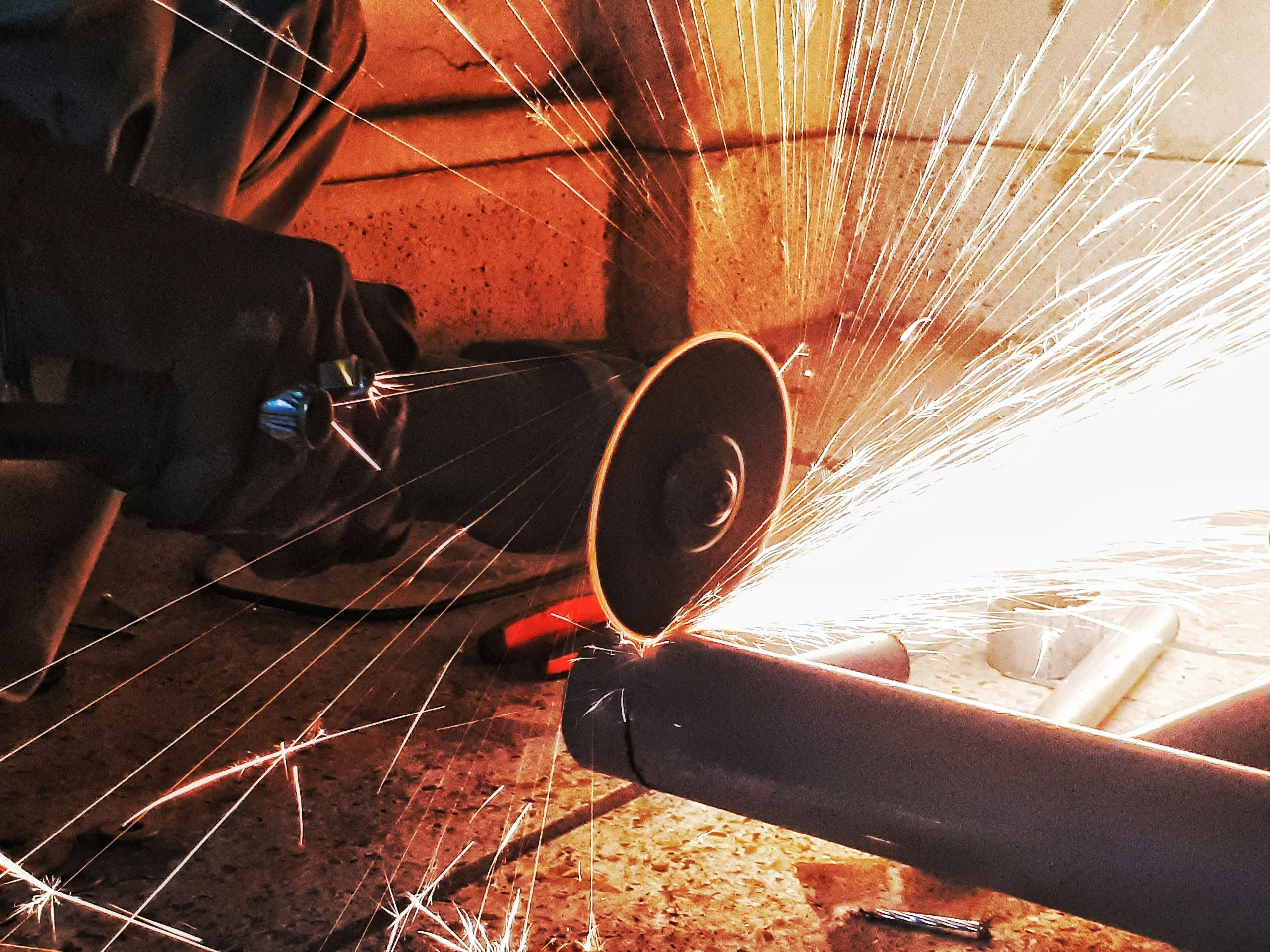
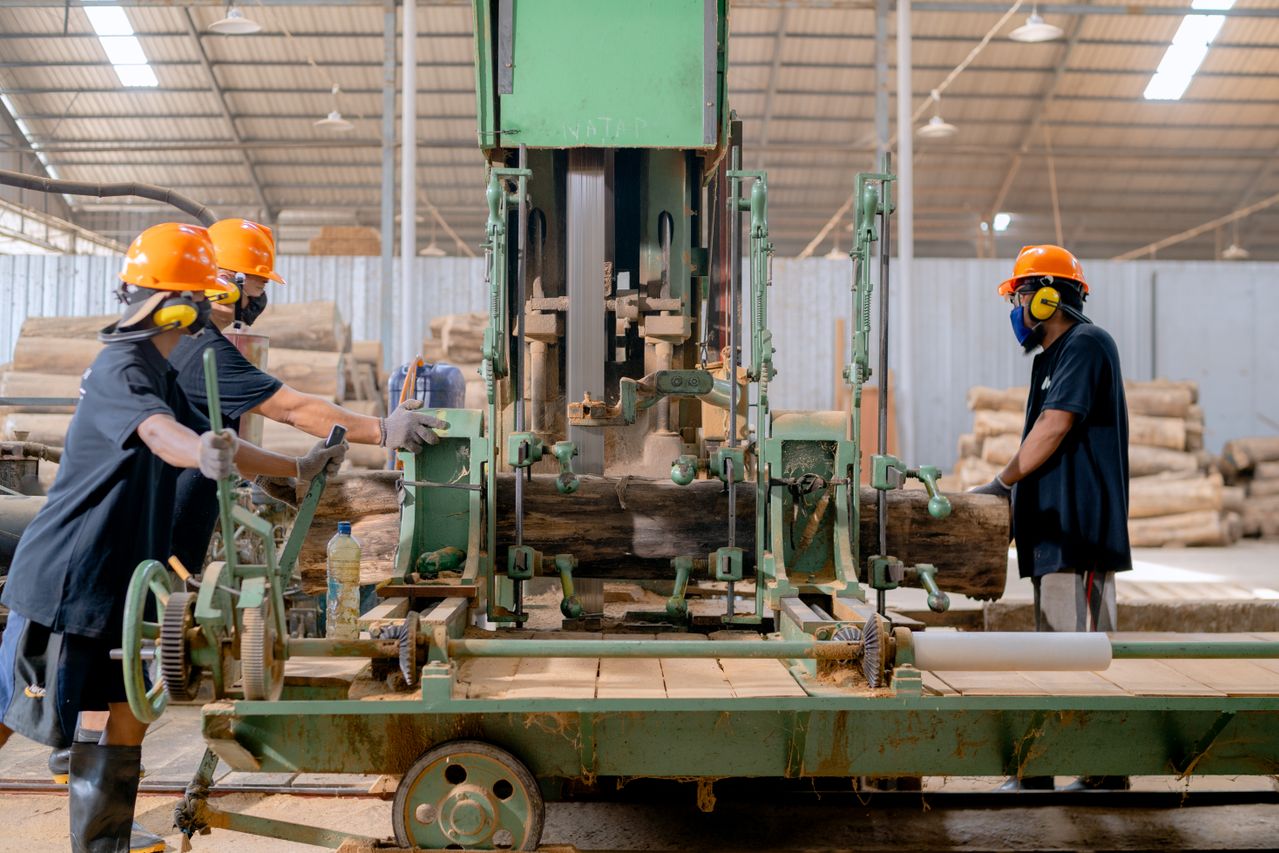
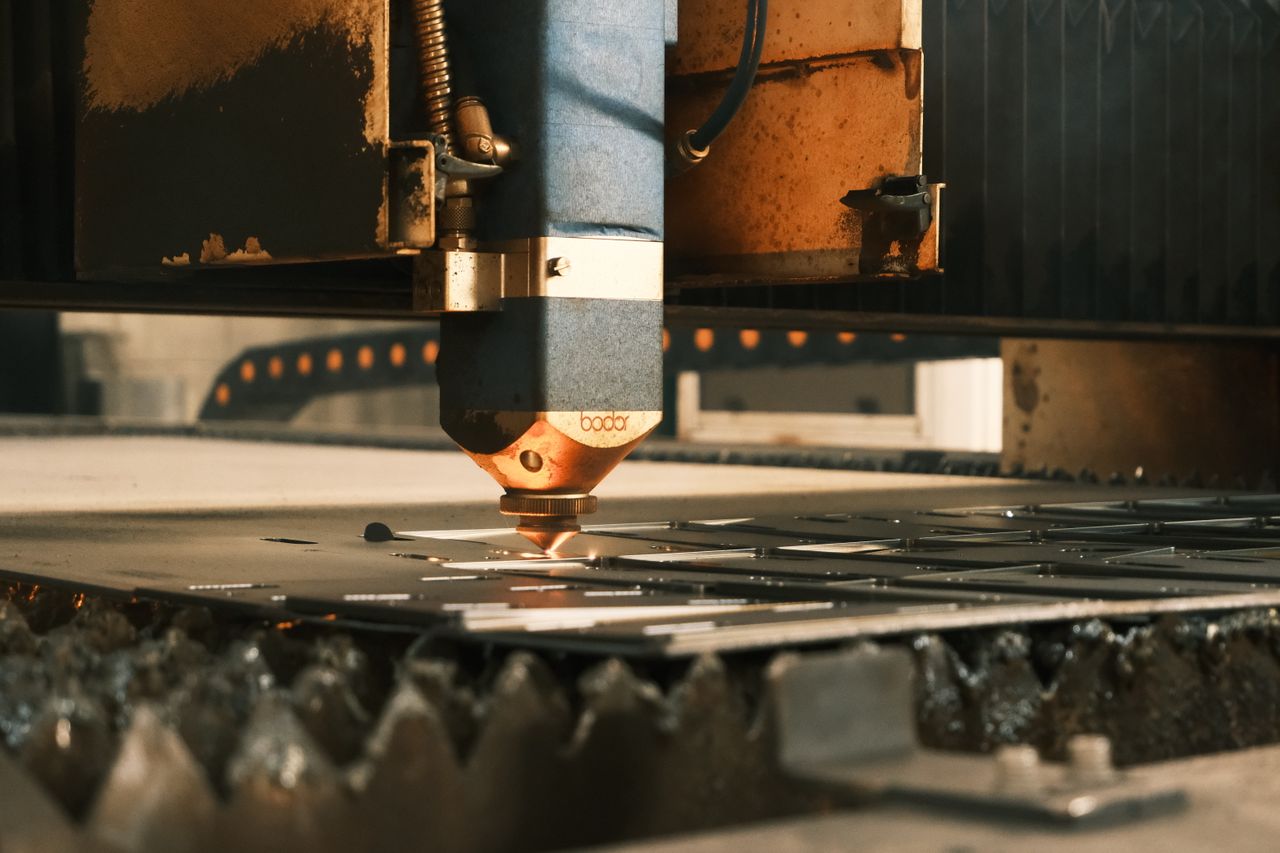
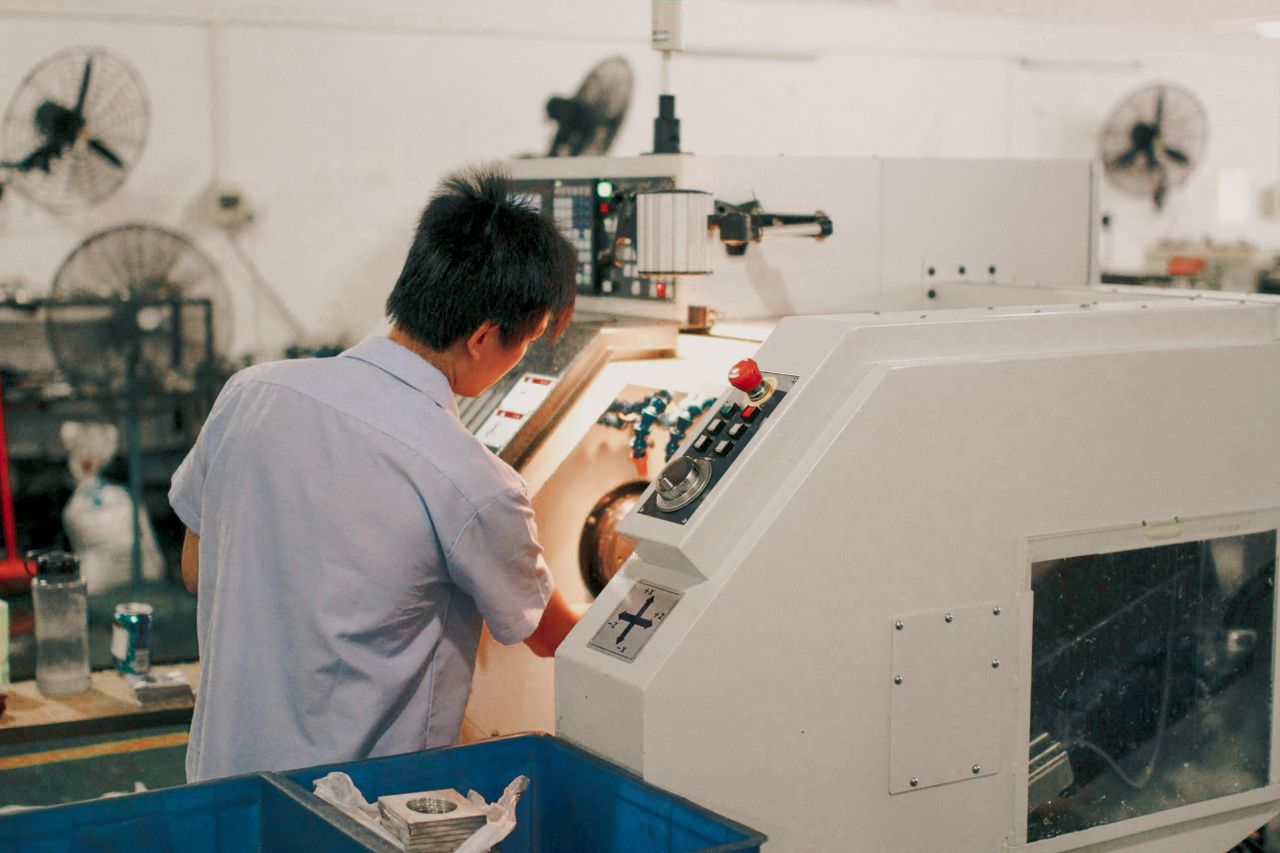
Mechanical processing is a subset of the mechanical industry that involves the fabrication and production of components, parts, or products made from metals and other materials through machining methods such as cutting, shaping, casting, forging, stamping, welding, and other mechanical treatment methods. According to statistics from B&Company’s enterprise database based on the Vietnam Standard Industrial Classification (VSIC)[3] in 2021, the number of mechanical processing companies[4] reached 11,998 companies, and total revenue reached 197,947 billion VND, with a compound annual growth rate (CAGR) of 15% during the 2017-2021 period. Besides, by processing method, the number of companies operating in the fields of machining, casting, forging, and stamping tended to increase over the years from 2017- 2021.
Number of companies by processing method, period of 2017-2021
(Unit: companies)
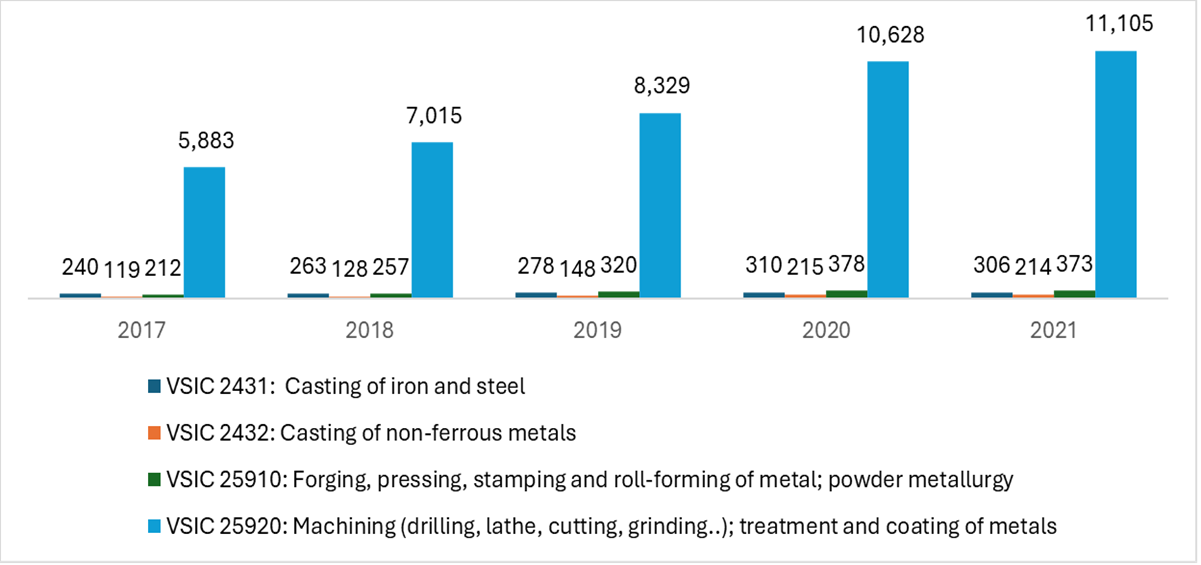
Source: B&Company’s enterprise database
From a supply chain perspective, the Ministry of Industry and Trade (MoIT) reports that approximately 5,000 companies in Vietnam currently supply components for the automotive and mechanical industries. Of these, 70% cater to domestic manufacturers, 8% serve exporters (primarily targeting key markets such as South Korea, Japan, China, and the United States), and 17% supply to both. As a result, around 30% of Vietnamese companies within the supporting industries are integrated into global supply chains[5].
Opportunities and challenges for the development of the supporting industry
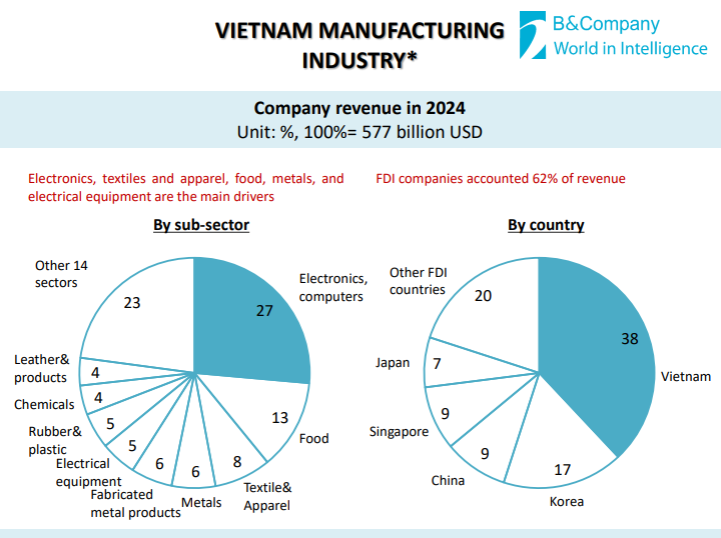
The supporting industry in Vietnam presents significant opportunities for growth, driven by a combination of strategic geographic advantages, robust government support, and foreign investment from global manufacturing leaders.
Firstly, Vietnam’s strategic location in Southeast Asia offers excellent access to major regional markets such as China, Japan, and South Korea. This geographic advantage, if combined with an efficient transportation and logistics network, will help to reduce costs and enhance market accessibility. Vietnam has emerged as an attractive destination for global giants such as Apple, Canon, LG, Samsung, Google, and Panasonic. Consequently, when these multinational corporations expand their supply chains into Vietnam, their tier-1 suppliers—such as Foxconn, Jabil, Pegatron, and Wistron—follow suit, further strengthening the country’s industrial base.
Related article



























Log in / Register
Continue without an account
Log in / Register
SUBSCRIBE NEWSLETTER