
베트남 라스트마일 배송의 전기 이륜차 전환

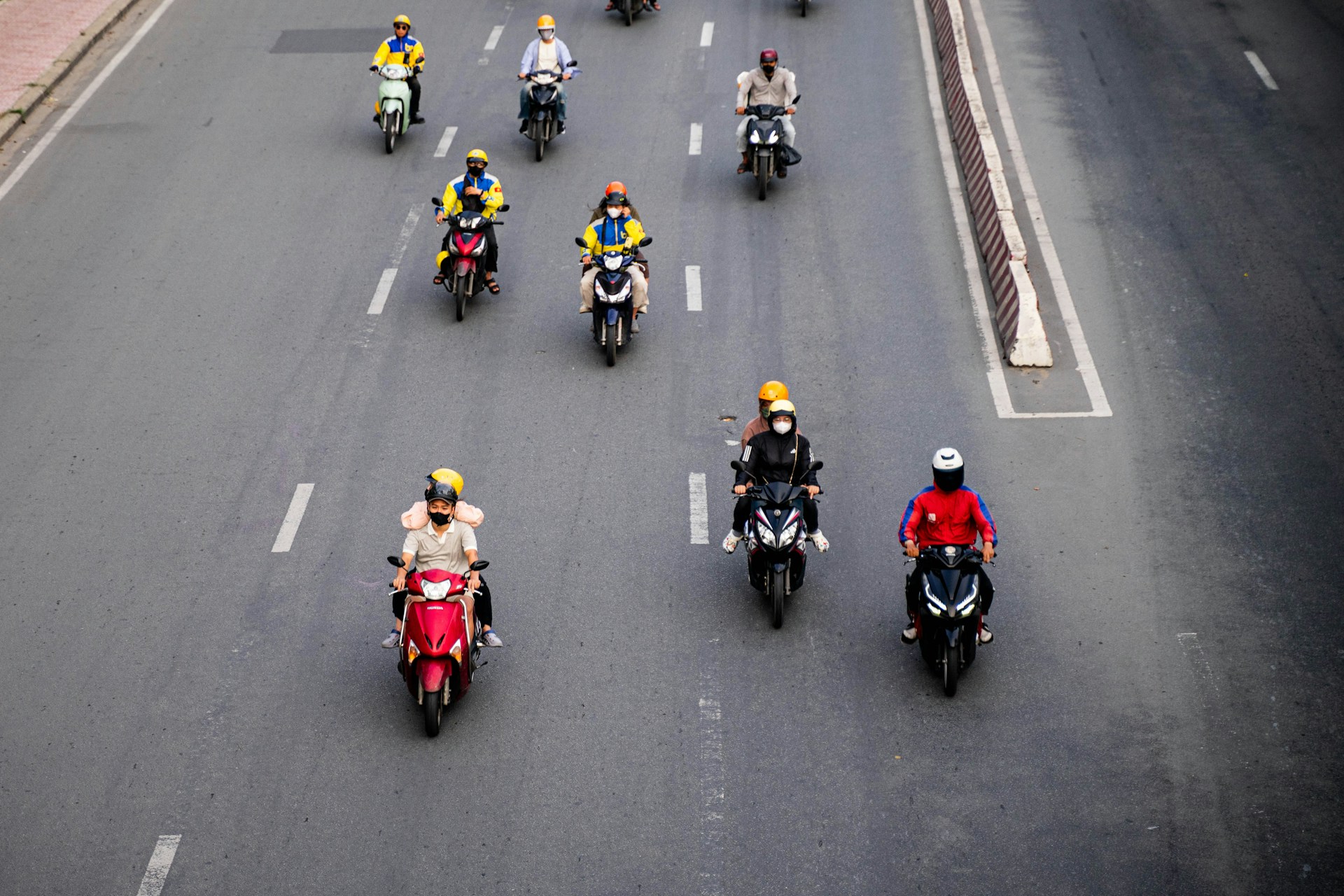
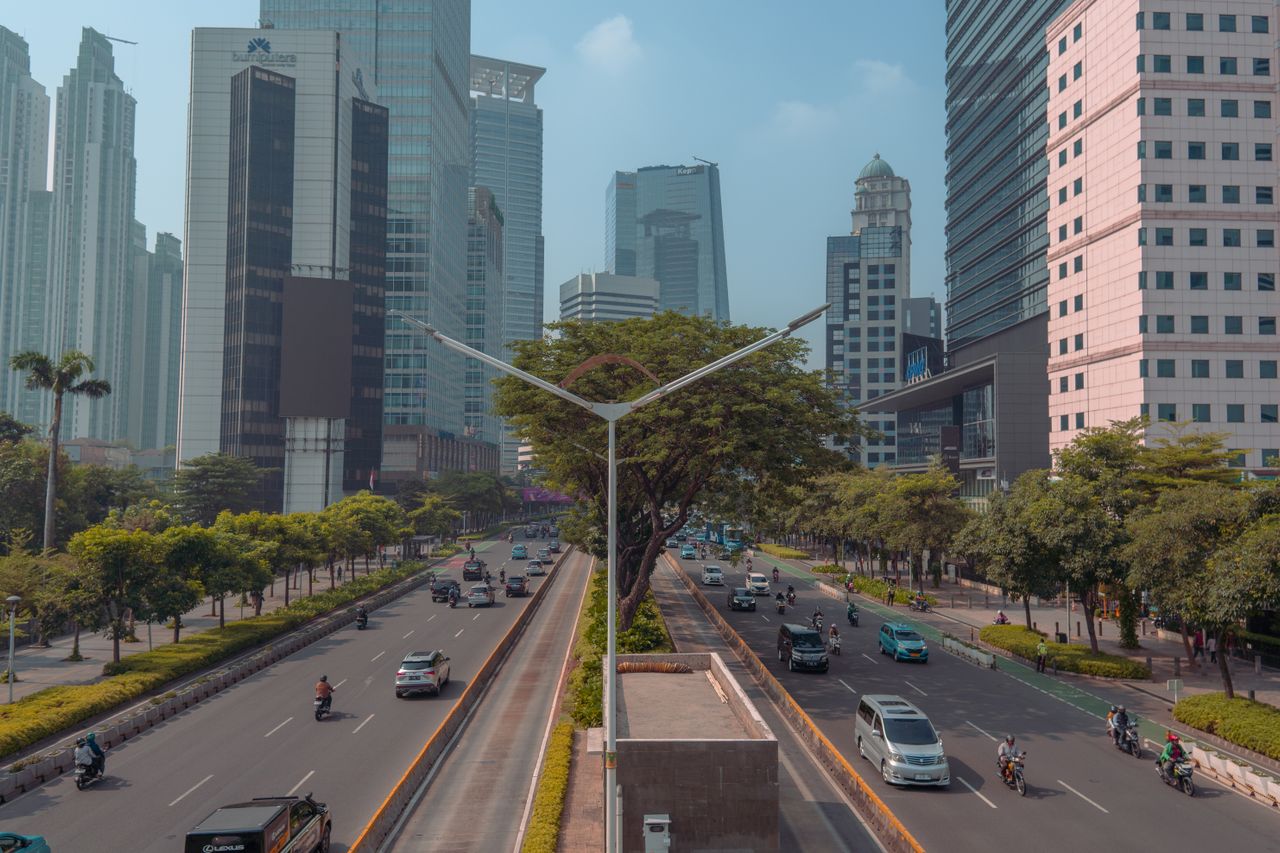
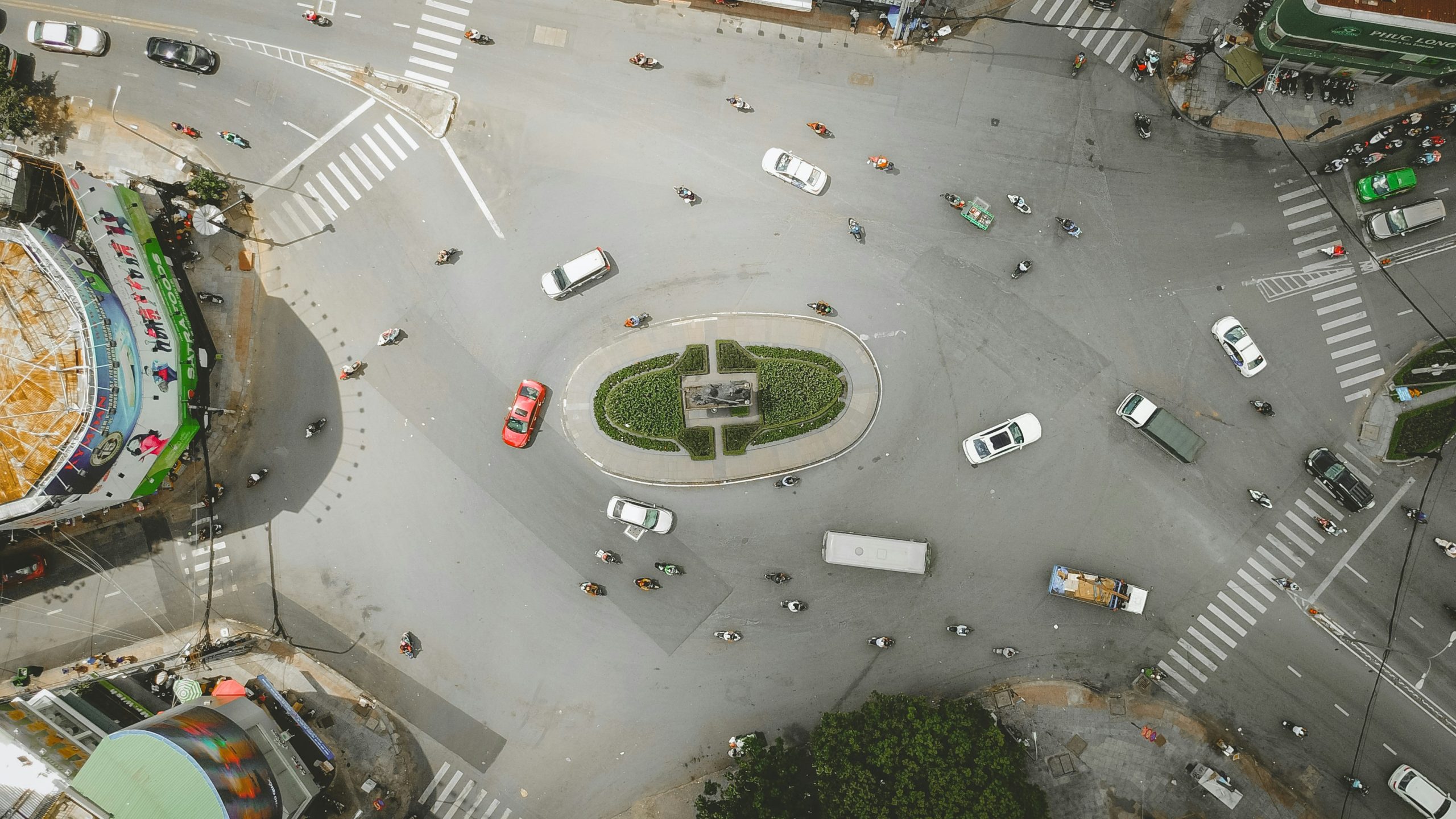
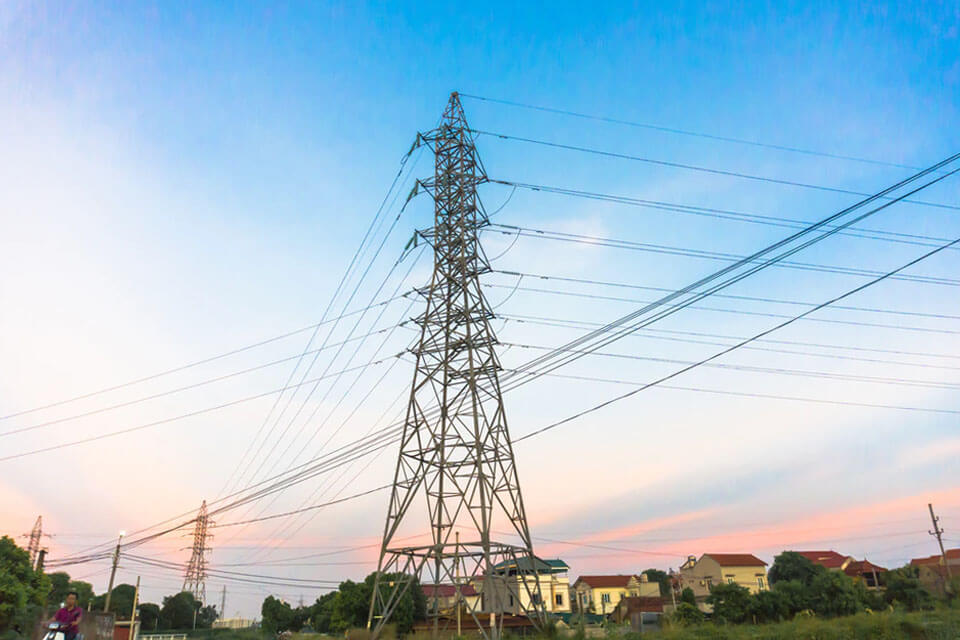
베트남의 천연자원환경부(MONRE)에 따르면 운송은 총 온실 가스 배출량의 약 18%를 차지합니다. 그 중 오토바이는 일산화탄소(CO)와 휘발성 유기 화합물(VOC)의 90% 이상, 부유 입자 물질(SPM)의 60% 이상을 배출합니다.[1] 생산성을 저해하지 않고 기후 변화 목표를 충족하기 위해 화물 및 승객 운송 모두에서 전기 이륜차 채택을 늘리는 것이 바람직합니다.

electric bike

088월2024

B&Company

하이라이트 콘텐츠 / 업계 리뷰 / 최신 뉴스 및 보고서

댓글: 댓글 없음.
Vietnam’s Transportation Sector

According to Vietnam’s Ministry of Natural Resources and Environment (몬레), transportation accounts for about 18% of total greenhouse gas emissions. Among them, motorcycles contribute more than 90% of carbon monoxide (CO) and volatile organic compounds (VOCs), and 60% of suspended particulate matter (SPM).[1] To meet climate change targets without hindering productivity, it is desirable to increase the adoption of electric two-wheelers in both freight and passenger transport.

Vietnam commitment in Paris Agreement about greenhouse gas emission reduction

Under the Paris Agreement, Vietnam has pledged to reduce greenhouse gas emissions by 8~25% by 2030 and achieve net zero by 2050 at the United Nations Climate Change Conference (COP26) in 2021. Although there were pros and cons, Ho Chi Minh City and Hanoi researched on plans to phase out internal combustion motorcycles and scooters by 2030.[2]

Overview of Vietnam’s motorcycle market

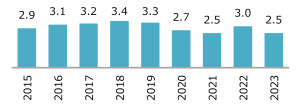
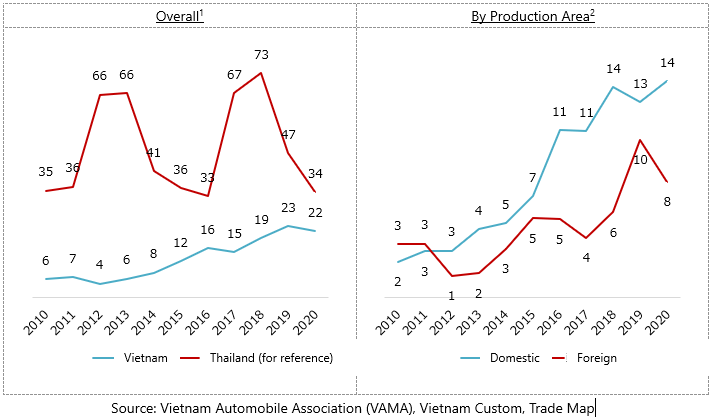
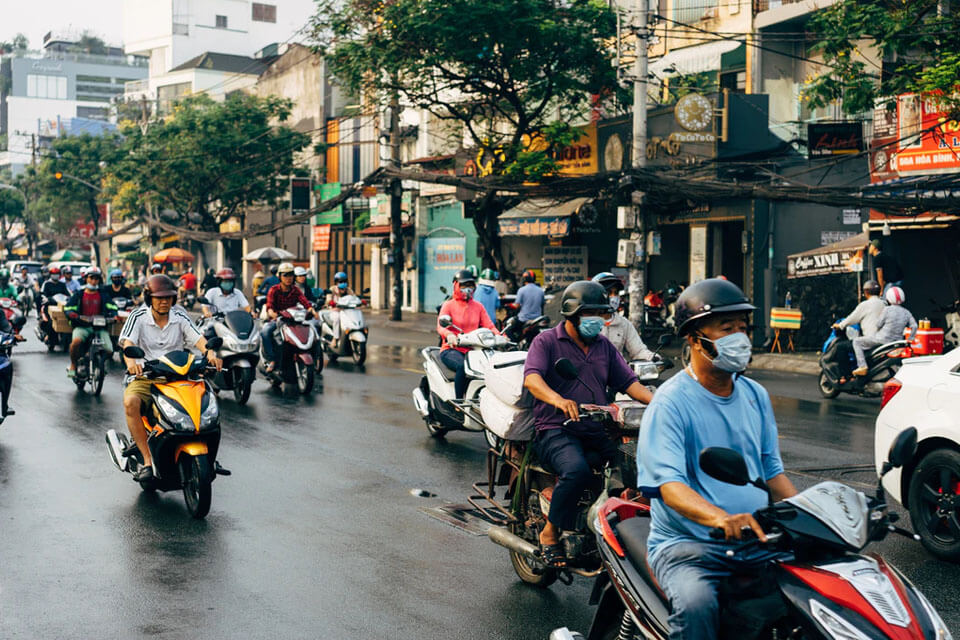
Vietnam is the world’s fourth-largest motorcycle market. As of 2020, there are about 58 million motorcycles for a population of about 97.6 million. Among them, electric motorcycles accounted for about 5.9 million units (about 10%), making Vietnam second only to China in Asia[3]. However, the annual sales of motorcycles have declined since 2019 due to the growing popularity of automobiles as a status symbol and government policies aimed at alleviating air pollution and traffic congestion[4].

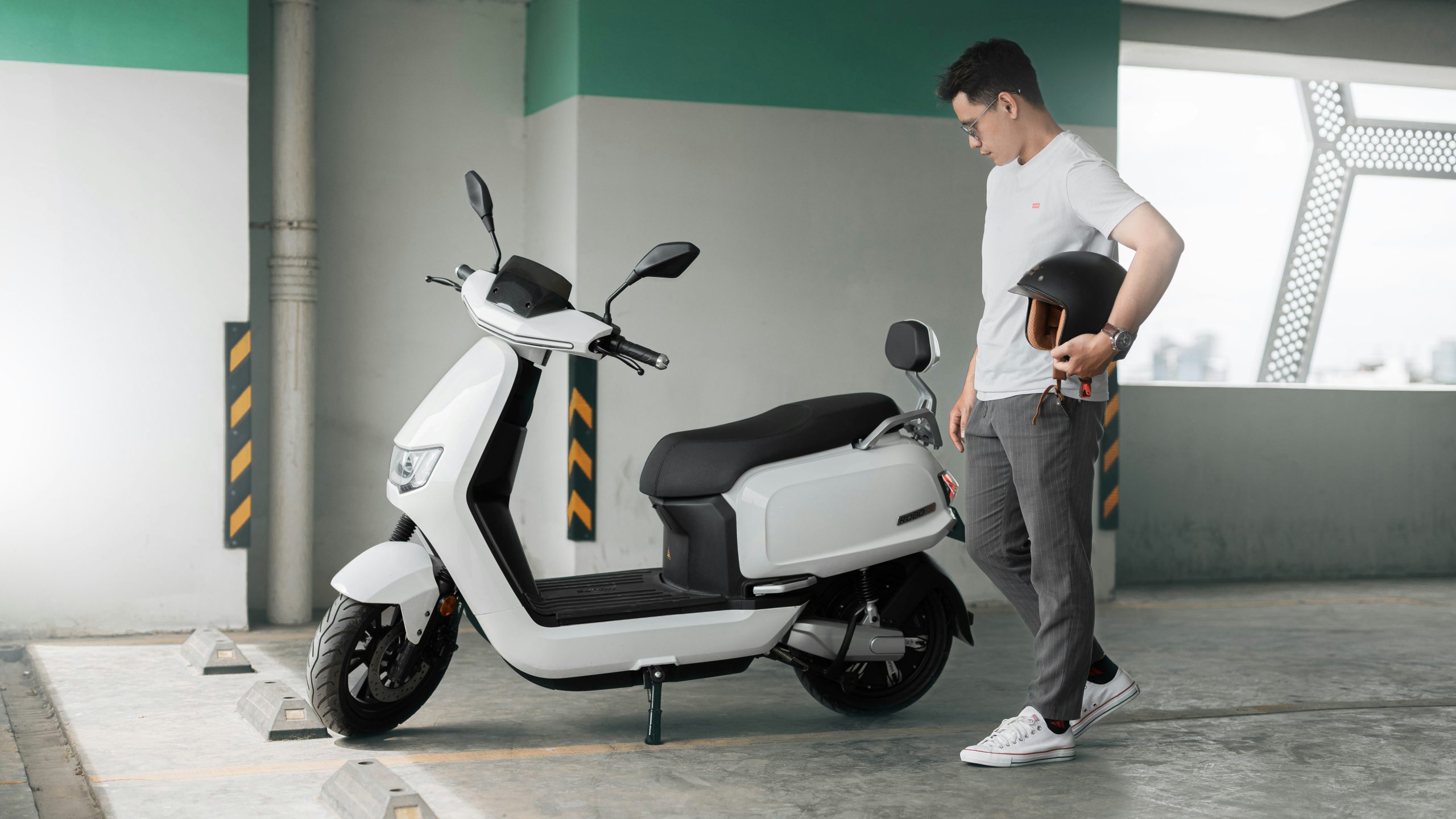
Despite these trends, the large number of petrol-powered two-wheelers presents a significant market opportunity for electric replacements.

New motorcycle sales in Vietnam (million units)

출처: 바마 (Vietnam Automobile Association)

The expansion of Vietnam’s express delivery service market

Vietnam’s express delivery service market was valued at approximately USD 710 million in 2021 and is expected to reach approximately USD 4.9 billion by 2030 due to the rapid expansion of e-commerce. In addition, the increasing demand for online shopping and same-day delivery has led to a need for two-wheelers that can deliver parcels to consumers quickly and at a low price[5]. However, these costs can account for more than 50% of total transportation costs and more than 40% of total supply chain costs[6]. E-commerce operators are looking for cost-cutting strategies, such as shifting to electric vehicles (EVs), to maintain profits in an inflationary environment with soaring fuel prices.

Some companies have begun to replace gasoline vehicles with electric two-wheelers. 가나다 (a major logistics company) is adopting electric vehicles (Evs) for delivery. 아하무브, a delivery service company, is integrating electric two-wheelers into its fleet to reduce operating costs and environmental impact[7]. 베트남 포스트 is exploring the use of electric two-wheelers to improve delivery efficiency and sustainability, and is testing the performance of electric scooters for urban deliveries. These efforts coincide with the government’s push for greener modes of transportation[8]. 비엣텔 포스트, a major logistics company, has also begun to shift to electric two-wheelers, upgrading its fleet to increase delivery speeds and reduce emissions. In addition, the company is focusing on the use of technology to optimize delivery routes and increase the efficiency of its EV fleet[9]. 빈패스트, a leading EV manufacturer, is partnering with various logistics companies to promote the use of electric two-wheelers in order to provide reliable and efficient EVs.

Challenges and opportunities for electric two-wheelers in Vietnam

The expansion of electric two-wheelers is both a challenge and an opportunity.

계속 읽으려면 로그인하거나 무료로 회원가입하세요.

관련기사

뉴스레터 구독