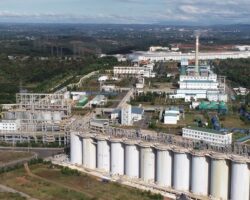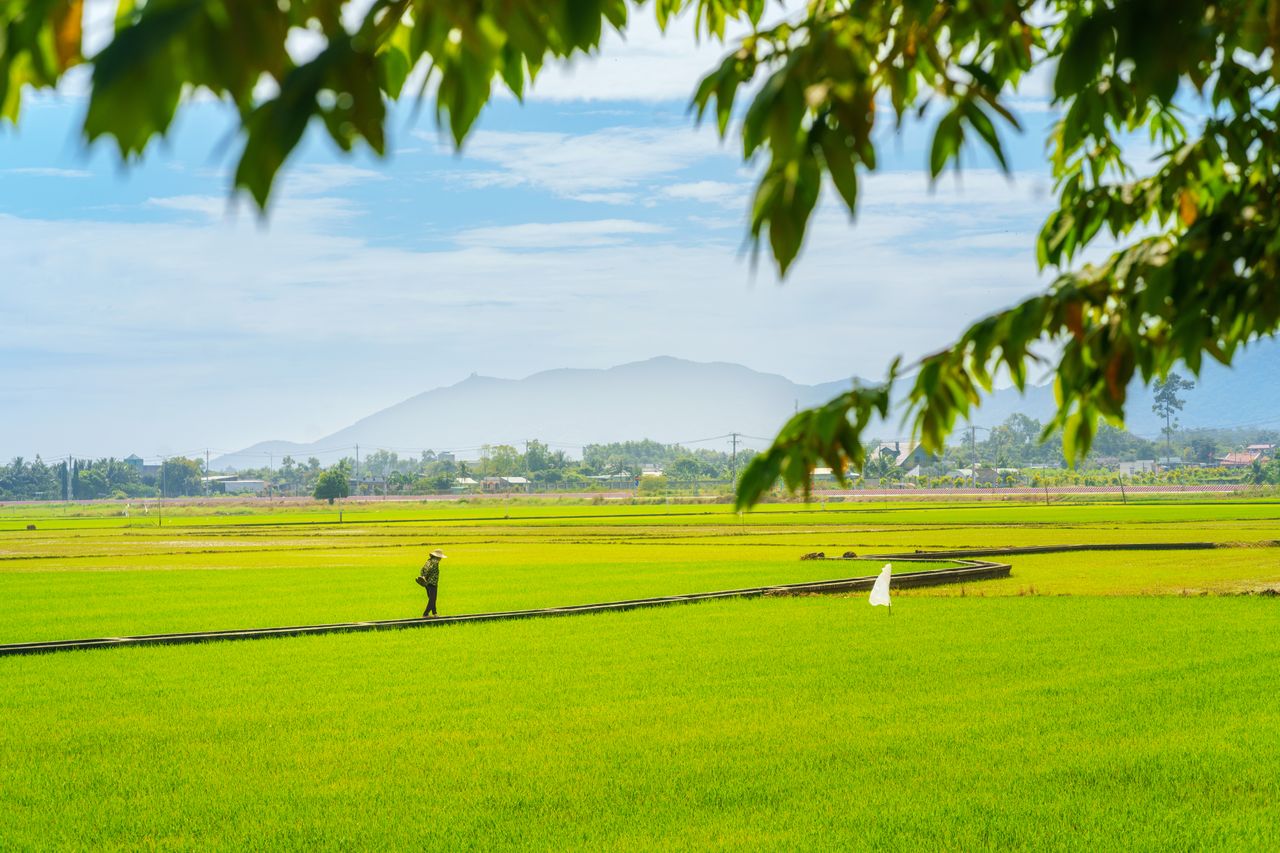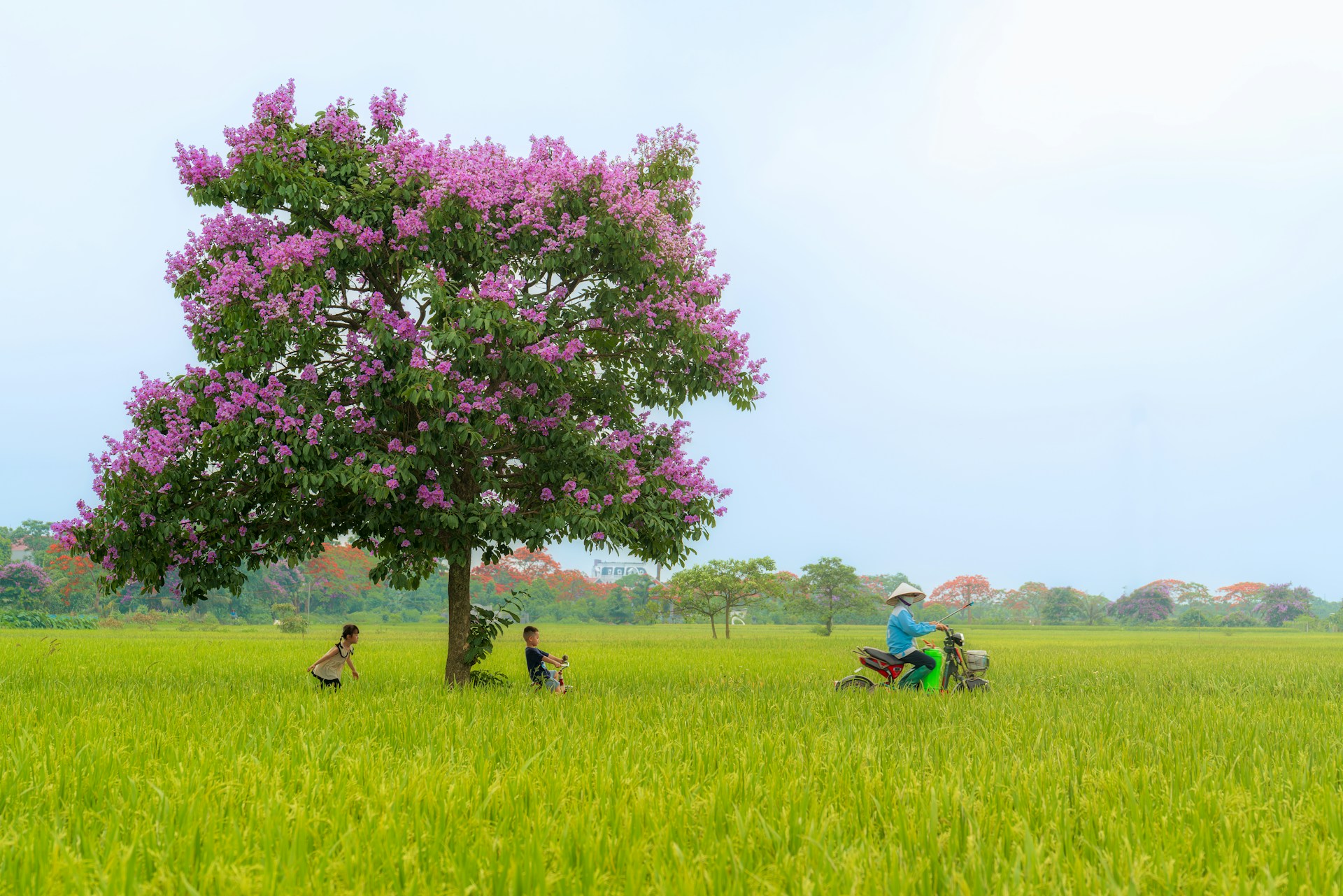

베트남 소규모 농업의 기계화

정부는 농업과 농림수산물 가공의 기계화를 발전시키는 것이 농업 분야의 중요한 과제라고 밝혔으며, 개발 방향은 가공과 제품 소비를 통합하는 생산 체인에 맞춰 종합적인 기계화에 중점을 둘 것입니다.

0912월2024

B&Company

업계 리뷰 / 최신 뉴스 및 보고서

댓글: 댓글 없음.

Overview of Agriculture Sector in Vietnam

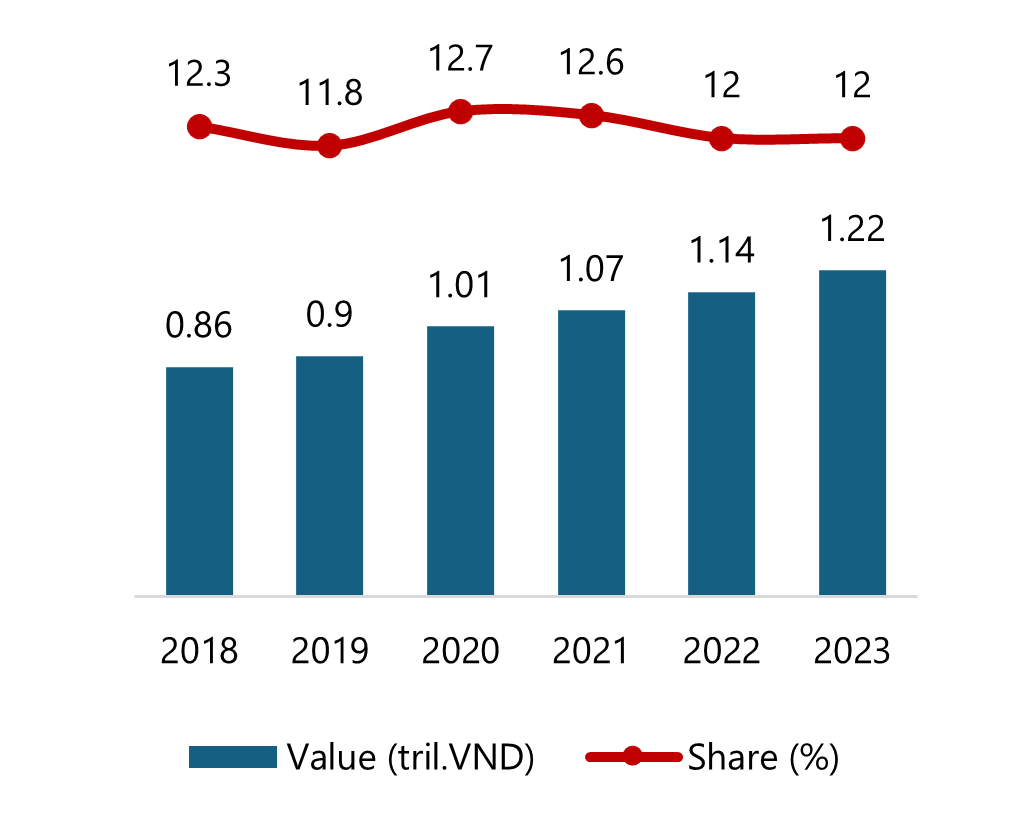
The agricultural sector[1] is one of the main three pillars of economy in Vietnam. Despite facing many difficulties and challenges during a period of economic stagnation, the growth rate of the agriculture sector continues to increase, with a CAGR of 7.2% from 2012-2023, reaching 1.22 trillion VND and accounting for 12% of GDP in 2023[2].

Percentage of GDP accounted for by agriculture, forestry and fisheries

Contribution and GDP share of agriculture sector (2018 - 2023)

Source: General Statistics Vietnam

In addition, the significant role of this sector is also reflected in Vietnam’s agricultural product export situation. Vietnam is currently ranked 2nd in Southeast Asia and 15th globally in agricultural exports[3].

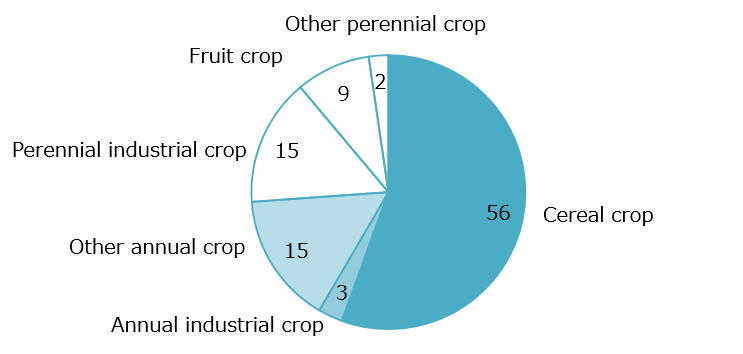
The agriculture sector focuses on two main types of crops: annual crops and perennial crops. Annual cereal crops, specifically, play the most crucial role in the country’s agriculture sector. Other types of important crops include fruit crops and industrial crops. The chart below shows the land area of each crop type in Vietnam[4].

Land area of crop types in Vietnam (2023)

Land area of crop types in Vietnam (2023)

Source: General Statistics Vietnam

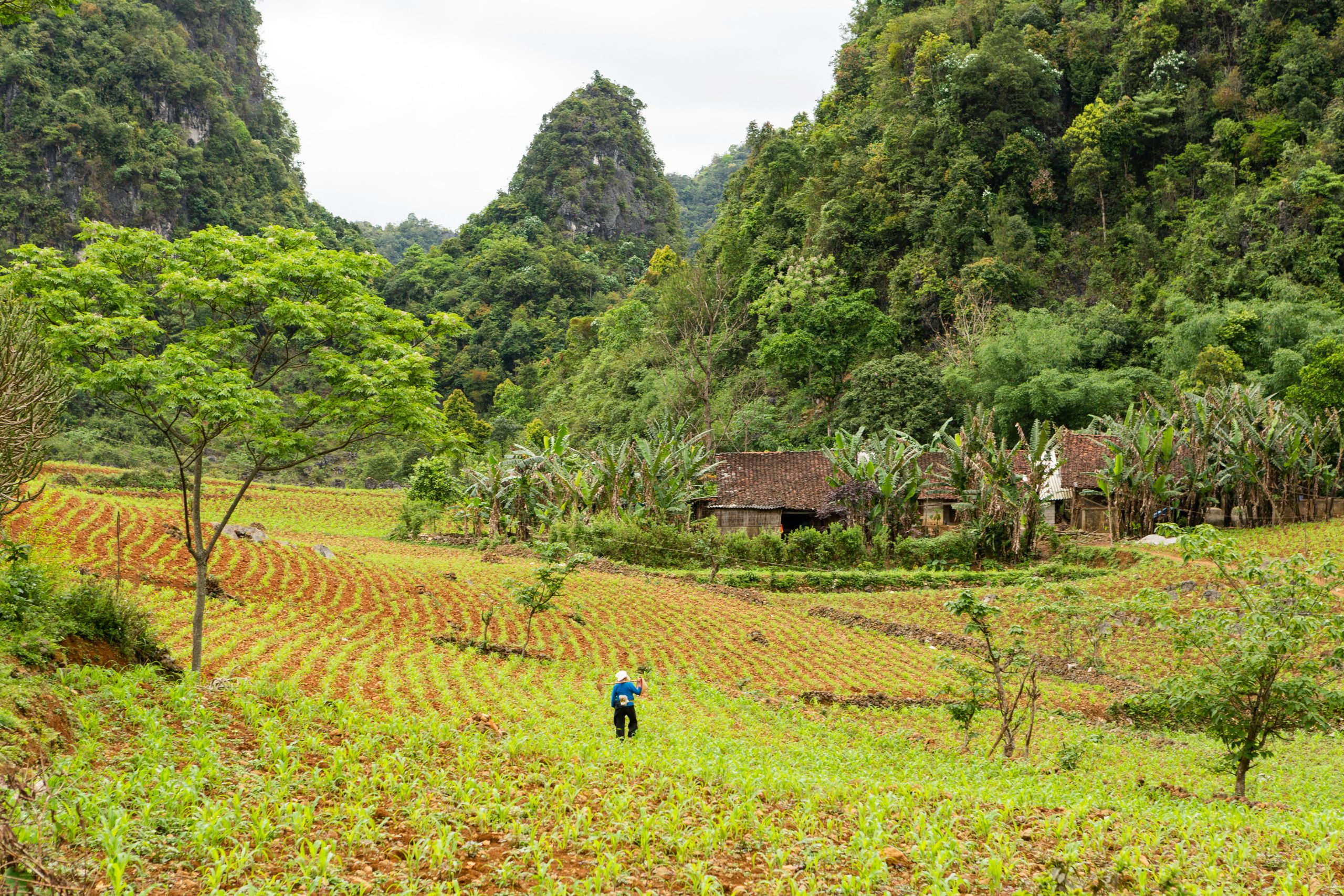
In terms of production scale, agricultural sector in Vietnam is still dominated by small-scale farming, with 9.1 million agricultural, forestry, and fishery households in rural areas as of 2020 (in details, it was recorded that there were 8.1 million agricultural households, 162 thousand forestry households and 783 thousand fishery households)[5].

Mechanization in Vietnam Agriculture

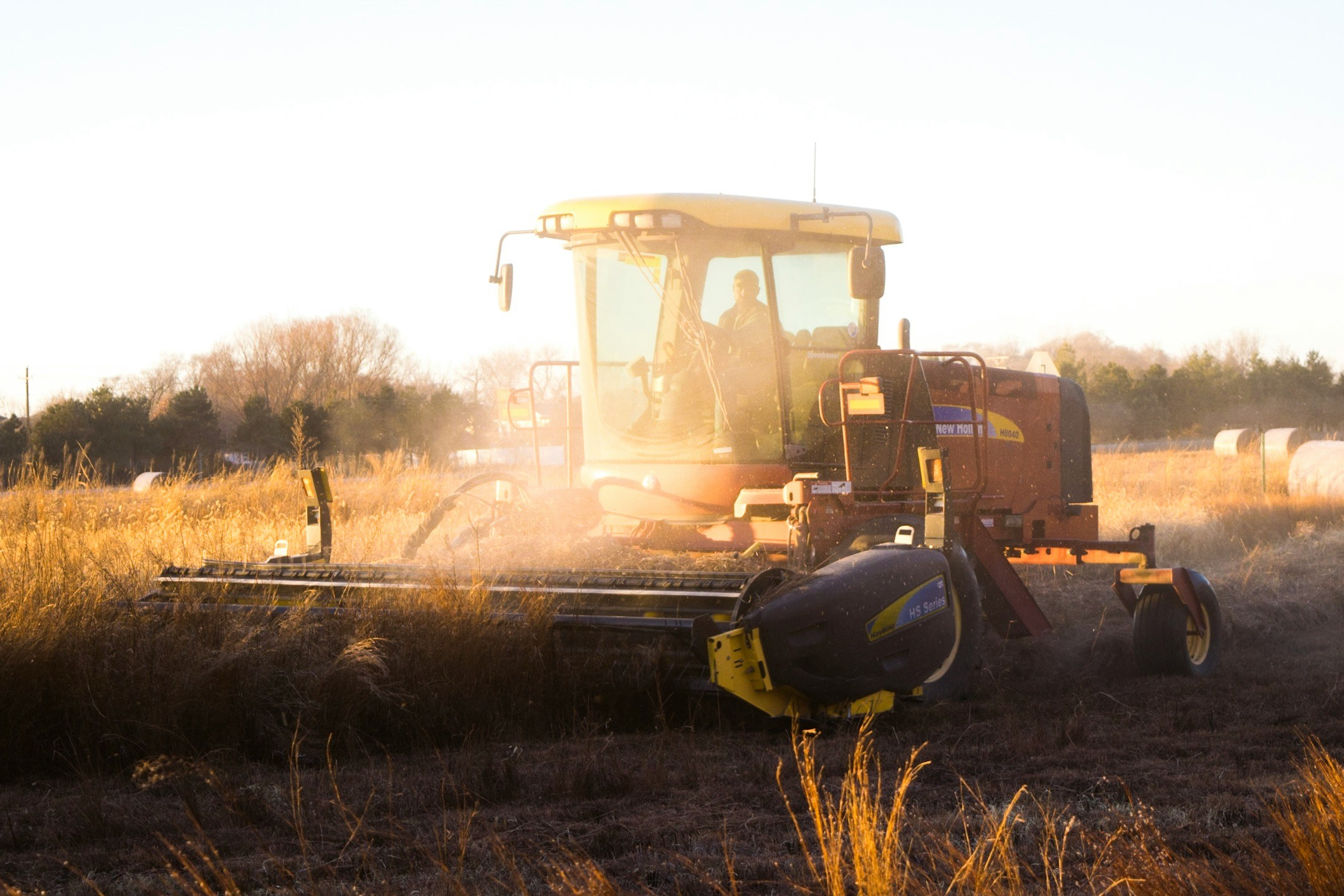
Regarding policy directions, Decision 858/QĐ-TTg in 2022[6] from the Prime Minister has stated that developing mechanization in agriculture and the processing of agricultural, forestry, and fishery products (hereinafter collectively referred to as agricultural products) is a crucial task for the agricultural sector, aimed at enhancing added value, promoting sustainable development, and integrating into the global economy. The development direction will focus on comprehensive mechanization, aligned with production chains that integrate processing and product consumption. Additionally, there will be a strong emphasis on utilizing advanced machinery, equipment, technologies and smart technologies in agricultural production processes.

Following said Decision, the goal of synchronous mechanization of the agricultural sector has been set for each field:

The goal of synchronous mechanization of the agricultural sector

계속 읽으려면 로그인하거나 무료로 회원가입하세요.

관련기사

뉴스레터 구독