

 Tiếng Việt
  English
  日本語
日本語  简体中文
简体中文  한국어
한국어 Căng thẳng thương mại Mỹ - Trung leo thang đang định hình lại thương mại toàn cầu, đưa Việt Nam trở thành trung tâm thay thế quan trọng cho đầu tư và xuất khẩu.
20/03/2025
Tin tức & Báo cáo mới nhất / Vietnam Briefing
Bình luận: Không có bình luận.
Căng thẳng thương mại Mỹ - Trung leo thang đang định hình lại thương mại toàn cầu, đưa Việt Nam trở thành trung tâm thay thế quan trọng cho đầu tư và xuất khẩu. Khi các mức thuế quan làm gián đoạn chuỗi cung ứng, Việt Nam được kỳ vọng sẽ hưởng lợi từ dòng vốn đầu tư nước ngoài gia tăng và đa dạng hóa thương mại, đặc biệt trong các lĩnh vực dệt may, nông nghiệp và logistics.
Tổng quan về căng thẳng thương mại Mỹ - Trung
Căng thẳng thương mại Mỹ - Trung là một trong những xung đột kinh tế đáng kể nhất trong thương mại toàn cầu hiện đại. Bắt nguồn từ những cạnh tranh kinh tế và địa chính trị kéo dài, tranh chấp thương mại leo thang đáng kể vào năm 2018, khi Mỹ áp thuế đối với lượng hàng hóa nhập khẩu từ Trung Quốc trị giá 50 tỷ USD, với lý do lo ngại về hành vi đánh cắp sở hữu trí tuệ, các hoạt động thương mại không công bằng và thâm hụt thương mại ngày càng tăng. Đáp lại, Trung Quốc áp thuế trả đũa đối với hàng hóa Mỹ, kích hoạt một vòng xoáy các biện pháp kinh tế leo thang[1].
Căng thẳng thương mại tiếp diễn trong nhiều năm sau đó và bắt đầu leo thang đáng kể vào đầu năm 2025, với việc áp dụng các mức thuế mới và biện pháp trả đũa làm gián đoạn động lực thương mại toàn cầu. Ngày 1 tháng 2 năm 2025, Mỹ chính thức áp mức thuế % đối với tất cả hàng hóa nhập khẩu có xuất xứ từ Trung Quốc, với lý do cần ngăn chặn sự mất cân đối kinh tế ngày càng sâu sắc giữa hai nền kinh tế[2].
Ngay sau đó, vào ngày 4 tháng 2 năm 2025, Trung Quốc phản ứng với chính sách thương mại của Mỹ bằng cách áp dụng hai mức thuế: 15% đối với than đá và khí tự nhiên hóa lỏng (LNG), và 10% đối với dầu thô, thiết bị nông nghiệp, xe tải và xe cơ giới cỡ lớn. Khác với Mỹ, quốc gia áp dụng thuế quan trên diện rộng đối với tất cả các nhóm sản phẩm, Trung Quốc lựa chọn cách tiếp cận có trọng tâm hơn, tập trung vào các ngành xuất khẩu chủ chốt của Mỹ nhằm gia tăng lợi thế trong các cuộc đàm phán sắp tới. Mục tiêu là gây sức ép buộc Mỹ đạt được một thỏa thuận thương mại có lợi cho cả hai bên[3].
Tuy nhiên, đến ngày 3 tháng 3 năm 2025, do hai bên vẫn chưa đạt được đồng thuận, Mỹ tiếp tục nâng mức thuế lên 20% đối với tất cả hàng hóa nhập khẩu từ Trung Quốc[4]. Chỉ một ngày sau, vào ngày 4 tháng 3 năm 2025, Trung Quốc đáp trả bằng cách áp dụng một loạt mức thuế mới nhằm vào các sản phẩm nông nghiệp, sữa và thịt, với tổng giá trị thương mại ước tính của hàng hóa Mỹ là $22 tỷ[5].
US agricultural products faced tariffs amounting to several billion USD
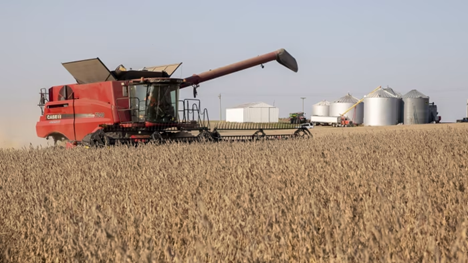
Nguồn: Thời báo Tài chính
Các nhóm hàng hóa chịu ảnh hưởng từ chính sách thuế quan
Các biện pháp thương mại mới nhất giữa Mỹ và Trung Quốc đã làm thay đổi đáng kể bức tranh chuỗi cung ứng toàn cầu, ảnh hưởng đến nhiều ngành công nghiệp. So với năm 2023, thuế quan đối với hàng xuất khẩu của Mỹ sang Trung Quốc thuộc các nhóm sản phẩm này tương đối thấp, dao động từ 5% đến 19%, với mức trung bình là 9%. Tuy nhiên, hiện nay các mức thuế đã tăng mạnh, từ 10% lên tới 15% đối với một số hàng hóa chuyên biệt, với mức trung bình đạt 11%. Theo cùng xu hướng, hàng xuất khẩu của Trung Quốc sang Mỹ, trước đây chỉ chịu mức thuế từ 0% đến 11% vào năm 2023, hiện phải chịu mức thuế cố định 20% trên tất cả các nhóm sản phẩm.
Các mức thuế mới được Trung Quốc áp dụng nhằm vào những lĩnh vực xuất khẩu chủ chốt của Mỹ, có giá trị lên tới hàng tỷ USD, bao gồm năng lượng, nông nghiệp, hàng tiêu dùng và thiết bị công nghiệp. Chẳng hạn, riêng thuế đối với các sản phẩm nông nghiệp được dự kiến sẽ ảnh hưởng đến lượng hàng hóa trị giá 21 tỷ USD[6]. Các biện pháp này không chỉ tác động đến các nhà xuất khẩu trực tiếp mà còn làm gián đoạn hoạt động của các nhà cung ứng trong chuỗi giá trị toàn cầu, gia tăng thêm áp lực lên động lực thương mại quốc tế.
Bài viết liên quan



























Đăng nhập / Đăng ký
Tiếp tục mà không cần tài khoản
Đăng nhập / Đăng ký
ĐĂNG KÝ NHẬN BẢN TIN