

 Tiếng Việt
  English
  日本語
日本語  简体中文
简体中文  한국어
한국어 Nền kinh tế vùng Bắc Trung Bộ và Duyên hải miền Trung Việt Nam đang sẵn sàng chuyển đổi sau khi sáp nhập các đơn vị hành chính vào năm 2025.

13/06/2025
Tin tức & Báo cáo mới nhất / Vietnam Briefing
Bình luận: Không có bình luận.
Bối cảnh kinh tế của khu vực Bắc Trung Bộ và Duyên hải miền Trung Việt Nam[1] được dự báo sẽ chuyển đổi sau đợt sáp nhập đơn vị hành chính năm 2025. Điều chỉnh chiến lược này, dự kiến có hiệu lực trước ngày 15 tháng 8 theo Kết luận số 157-KL/TW[2], được ký ngày 25 tháng 5, nhằm cải thiện công tác quản trị, tinh gọn phân bổ nguồn lực và thúc đẩy kết nối vùng để phát triển dài hạn.
Tổng quan về khu vực Bắc Trung Bộ và Duyên hải miền Trung sau sáp nhập đơn vị hành chính năm 2025
Khu vực Bắc Trung Bộ và Duyên hải miền Trung của Việt Nam là trung tâm công nghiệp - dịch vụ - đô thị ven biển lớn của cả nước và đóng vai trò quan trọng trong phát triển miền Trung Việt Nam. Theo Quyết định số 759/QĐ-TTg[3], những thay đổi chủ yếu bao gồm việc sáp nhập tỉnh Quảng Bình và tỉnh Quảng Trị, hợp nhất thành phố Đà Nẵng và tỉnh Quảng Nam thành một thành phố trực thuộc trung ương. Các tỉnh còn lại, bao gồm Thanh Hóa, Nghệ An, Hà Tĩnh và thành phố Huế, duy trì ranh giới hành chính nhưng vẫn chịu ảnh hưởng của các chính sách vùng rộng hơn.
The North Central and Central Coastal provincial-level administrative units sau sáp nhập năm 2025
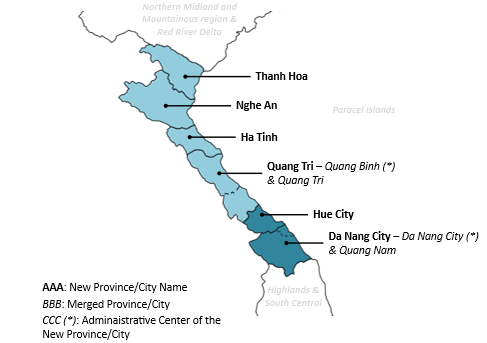
Nguồn: B&Company Việt Nam
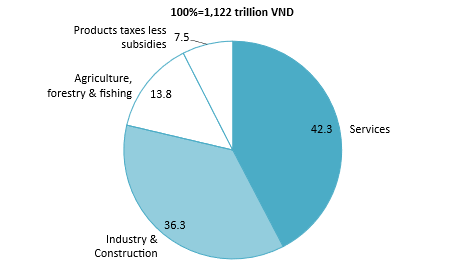
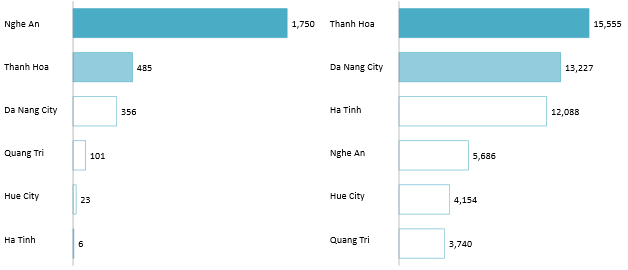
Bắc Trung Bộ và Duyên hải miền Trung là khu vực năng động nhờ vị trí chiến lược, đường bờ biển dài và nguồn tài nguyên thiên nhiên phong phú. Khu vực này đóng góp 10% tổng GRDP của Việt Nam, đạt 1.123 nghìn tỷ đồng, với tốc độ tăng trưởng gần 9% vào năm 2024. Sau sáp nhập, khu vực có sự kết hợp giữa các địa phương có quy mô kinh tế lớn và nhỏ, trong đó Thanh Hóa dẫn đầu khu vực với GRDP năm 2024 đạt khoảng 320 nghìn tỷ đồng, tiếp theo là thành phố Đà Nẵng, vượt Nghệ An nhờ sáp nhập với Quảng Nam, với GRDP đạt 280 nghìn tỷ đồng. Thành phố Huế, không thực hiện sáp nhập, ghi nhận GRDP thấp nhất khu vực và thấp nhất trong số các thành phố trực thuộc trung ương, ở mức 80 nghìn tỷ đồng.
Các chỉ tiêu kinh tế - xã hội năm 2024 của các tỉnh Bắc Trung Bộ và Duyên hải miền Trung sau sáp nhập hành chính
| Không. | Các tỉnh | Dân số
(Đơn vị: nghìn người) |
Tổng diện tích (Đơn vị: Km2) | GDP
(Đơn vị: Tỷ VND) |
Tốc độ tăng trưởng
(Đơn vị: %) |
| 1 | Thanh Hóa | 3,764 | 11,115 | 318,752 |
12.2 |
| 2 | Thành phố Đà Nẵng | 2,819 | 11,860 | 279,907 | 7.3 |
| 3 | Nghệ An | 3,442 | 16,487 | 216,943 | 8.0 |
| 4 | Quảng Trị | 1,584 | 12,700 | 113,688 | 6.6 |
| 5 | Hà Tĩnh | 1,330 | 5,994 | 112,855 | 7.5 |
| 6 | Thành phố Huế | 1,236 | 4,947 | 80,000 | 8.2 |
| Tổng cộng | 14,175 | 63,103 | 1,122,145 | 8.8 | |
Nguồn: Nghị quyết số 60-NQ/TW, Quyết định số 759/QĐ-TTg, Tổng cục Thống kê (GSO), Cục Thống kê Tỉnh, Tổng hợp B&Company
Đặc điểm kinh tế vùng và tình hình đầu tư của khu vực Bắc Trung Bộ và Duyên hải miền Trung
Khu vực Bắc Trung Bộ và Duyên hải miền Trung của Việt Nam giữ vị trí địa - kinh tế chiến lược, là vùng chuyển tiếp kết nối miền Bắc Việt Nam, Tây Nguyên và hành lang kinh tế Đông - Tây, liên kết Lào, Thái Lan và Myanmar với Thái Bình Dương. Sự đa dạng về địa lý của khu vực, với phía tây giáp núi và phía đông giáp Biển Đông, định hình định hướng phát triển hướng tới sự cân bằng giữa công nghiệp, dịch vụ và nông nghiệp. Khu vực cũng là hành lang giao thông và năng lượng trọng yếu của cả nước, với các tuyến cao tốc, đường sắt và cảng biển lớn tạo điều kiện thúc đẩy hội nhập vùng. Những lợi thế về vị trí này đã thu hút đầu tư ngày càng tăng vào cơ sở hạ tầng, các ngành công nghiệp chế biến, chế tạo, năng lượng tái tạo và du lịch, tạo nền tảng cho sự tham gia sâu rộng hơn vào các chuỗi giá trị quốc gia và toàn cầu.

Bài viết liên quan































Đăng nhập / Đăng ký
Tiếp tục mà không cần tài khoản
Đăng nhập / Đăng ký
ĐĂNG KÝ NHẬN BẢN TIN