
미·중 무역 긴장: 베트남 기업의 기회와 도전 과제 평가

고조되는 미중 무역 긴장으로 인해 세계 무역이 재편되고 있으며, 베트남은 투자와 수출을 위한 주요 대체 허브로 자리매김하고 있습니다.
203월2025

B&Company

최신 뉴스 및 보고서 / 베트남 브리핑

댓글: 댓글 없음.

B&Company는 2008년부터 베트남에서 시장 조사 및 투자 컨설팅을 전문으로 하는 최초의 일본 기업입니다.

이 "베트남 브리핑" 섹션에서는 B&Company의 젊은 연구원들이 베트남의 산업 동향, 소비자 동향 및 사회 운동에 대한 시의적절한 정보를 제공합니다.

이 기사는 영어로 작성되었으며, 다른 언어 버전은 자동 번역이 사용되었습니다. 정확한 내용을 위해 영어 버전을 참조하시기 바랍니다. 원본 정보의 정확성을 보장하기 위해 노력하지만, 각 정보는 별도로 확인해 주시기 바랍니다. 해석 및 향후 전망은 각 연구자의 개인적인 의견입니다.

The escalating US-China trade tensions are reshaping global trade, positioning Vietnam as a key alternative hub for investment and exports. As tariffs disrupt supply chains, Vietnam is expected to benefit from increased foreign investment and trade diversification, particularly in textiles, agriculture, and logistics.

Overview of US-China Trade Tensions

The US-China trade tensions represent one of the most significant economic conflicts in modern global trade. Rooted in long-standing economic and geopolitical rivalries, the trade dispute escalated significantly in 2018, when the United States imposed tariffs on 50 billion USD worth of Chinese imports, citing concerns over intellectual property theft, unfair trade practices, and a growing trade deficit. In response, China retaliated with its own tariffs on US goods, triggering a cycle of escalating economic measures[1].

The trade tensions continued years after and started to escalate significantly in early 2025, marked by the introduction of new tariffs and retaliatory measures that disrupted global trade dynamics. On February 1, 2025, the US officially imposed a 10% tariff on all imports originating from China, citing the need to prevent a deepening economic imbalance between the two economies[2].

Shortly after, on February 4, 2025, China responded to the US trade policy by imposing two tariff rates: 15% on coal and liquefied natural gas (LNG) and 10% on crude oil, agricultural equipment, trucks, and large motor vehicles. Unlike the US, which applied tariffs broadly across all product categories, China adopted a more targeted approach, focusing on key US export industries to increase leverage in upcoming negotiations. The objective was to pressure the US into reaching a mutually favorable trade agreement[3].

However, by March 3, 2025, as no consensus had been reached between the two sides, the US proceeded to increase its tariff rate to 20% on all imports from China[4]. Just a day later, on March 4, 2025, China retaliated by imposing a new set of tariffs targeting agricultural products, dairy, and meat, with an estimated total trade value of $22 billion worth of US goods[5].

US agricultural products faced tariffs amounting to several billion USD
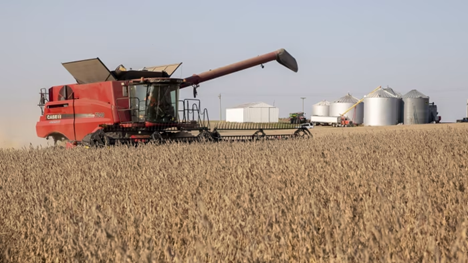
US agricultural products faced tariffs amounting to several billion USD

출처: 파이낸셜 타임즈

Categories of Goods Affected by Tariff Policies

The latest trade measures between the United States and China have significantly altered the landscape of global supply chains, affecting a wide range of industries. Compared to 2023, tariffs on US exports to China for these products were relatively low, ranging from 5% to 19%, with an average of 9%. However, they have now surged dramatically, reaching 10% to as high as 15% for certain specialized goods, reaching an average of 11%. Following the same trend, Chinese exports to the US, which previously faced tariffs of only 0% to 11% in 2023, are now subject to a flat 20% tariff across all product categories.

China’s newly imposed tariffs target key US export sectors worth billions of dollars, including energy, agriculture, consumer goods, and industrial equipment. For instance, tariffs on agricultural products alone are expected to affect 21 billion USD worth of goods[6]. These measures not only impact direct exporters but also disrupt suppliers within global value chains, adding further pressure on international trade dynamics.

계속 읽으려면 로그인하거나 무료로 회원가입하세요.

관련기사

뉴스레터 구독