

 Tiếng Việt
  English
  日本語
日本語  简体中文
简体中文  한국어
한국어 For FDI enterprises, Vietnam biofuel sector represents one of Southeast Asia's most compelling clean energy investment opportunities.

02/04/2026
Tin tức & Báo cáo mới nhất / Vietnam Briefing
Bình luận: Không có bình luận.
Tóm tắt
The escalation of the conflict in the Middle East between the US and Iran, causing the closure of the Strait of Hormuz in early 2026, has sent global oil prices surging to their highest levels in years, exposing Vietnam’s deep energy vulnerability. As an economy that imports over 30% of its refined petroleum products, Vietnam faces increasing cost pressures across manufacturing, transport, and agriculture. In order to overcome this challenge, the government is pivoting toward the transition to clean energy, especially biofuels, with the hope of economic stabilization and diversifying energy supply sources. For foreign direct investment (FDI) enterprises, Vietnam’s biofuel sector, currently producing just 40% of its ethanol needs domestically, represents one of Southeast Asia’s most compelling clean energy investment opportunities.
Middle East Conflict and Its Impact on Vietnam’s Energy Sector
In early March 2026, Iran announced the closure of the Strait of Hormuz — a narrow shipping lane that carries approximately 20 million barrels of crude oil and petroleum products per day, accounting for roughly 20% of global liquefied natural gas trade [1]. Any disruption in this route, such as the recent military engagements, can lead to a significant shock in global oil prices, as seen in the March 2026 supply disruption. For example, Brent crude oil prices jumped about 15% in the opening days of the conflict, then surged to $120 a barrel as the market began pricing in the risk of sustained disruption. The International Energy Agency (IEA) has warned that the world could face its largest-ever oil supply disruption due to this conflict, potentially altering the price dynamics across the globe [2]
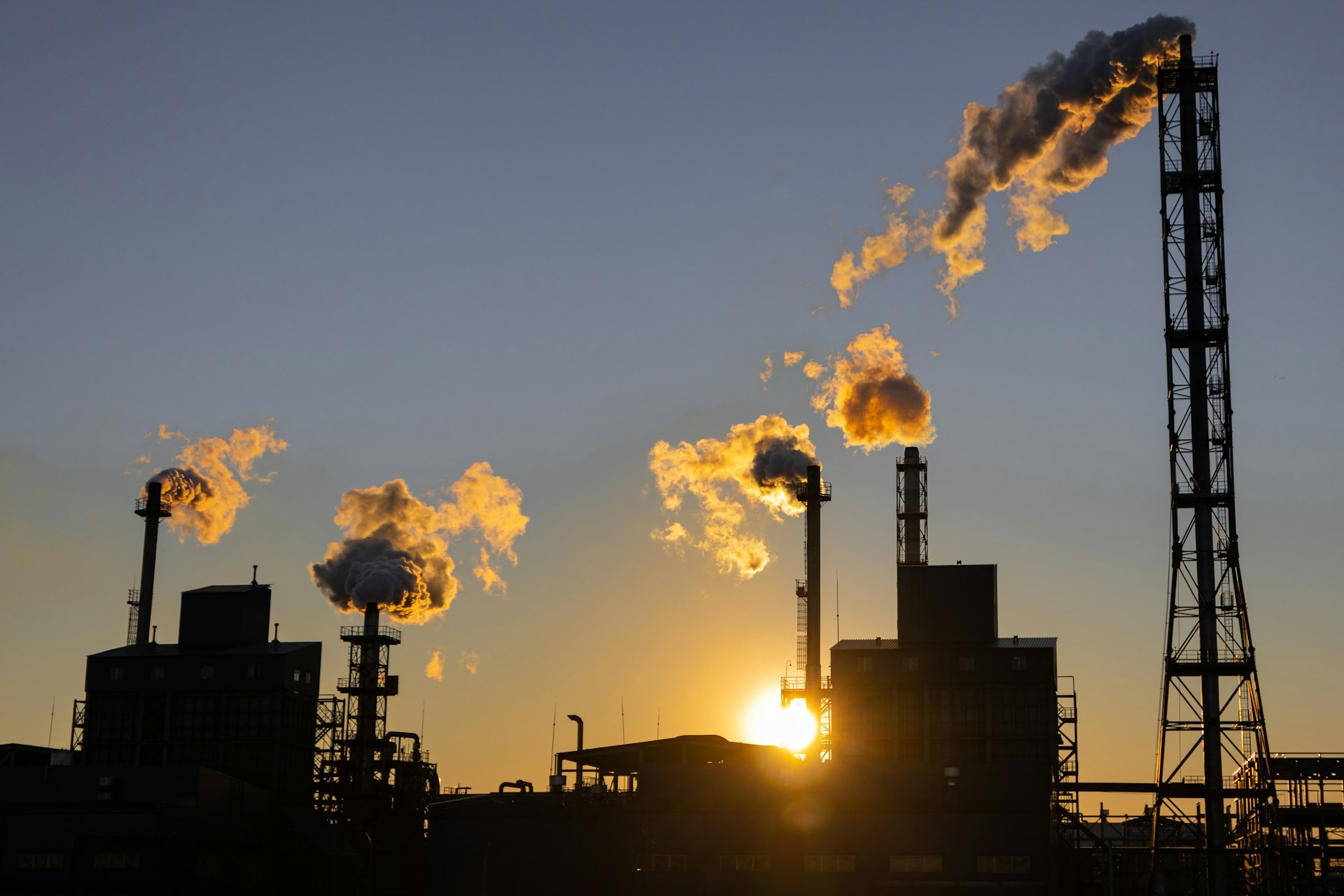
The conflict has caused large damage to countries highly dependent on imported oil, including Vietnam. Vietnam is claimed to be heavily sensitive to fluctuations in global energy prices due to its substantial dependence on imported energy intakes. As tension escalated in the Middle East, causing the oil prices to surge, the impacts can be widespread and drive up production costs, logistic costs, or supply costs for businesses. The immediate retail impact was visible: RON 95 gasoline fluctuated heavily but in a growing trend, reached its peak at 33.8 thousand VND/ liter, while diesel price rocketed up to 39.9 thousand VND/ liter. Meanwhile, international energy experts warned that prolonged military conflict in the Middle East could push world oil prices to $110–164 per barrel[3].
Gasoline Price in Vietnam (Jan-Mar 2026)
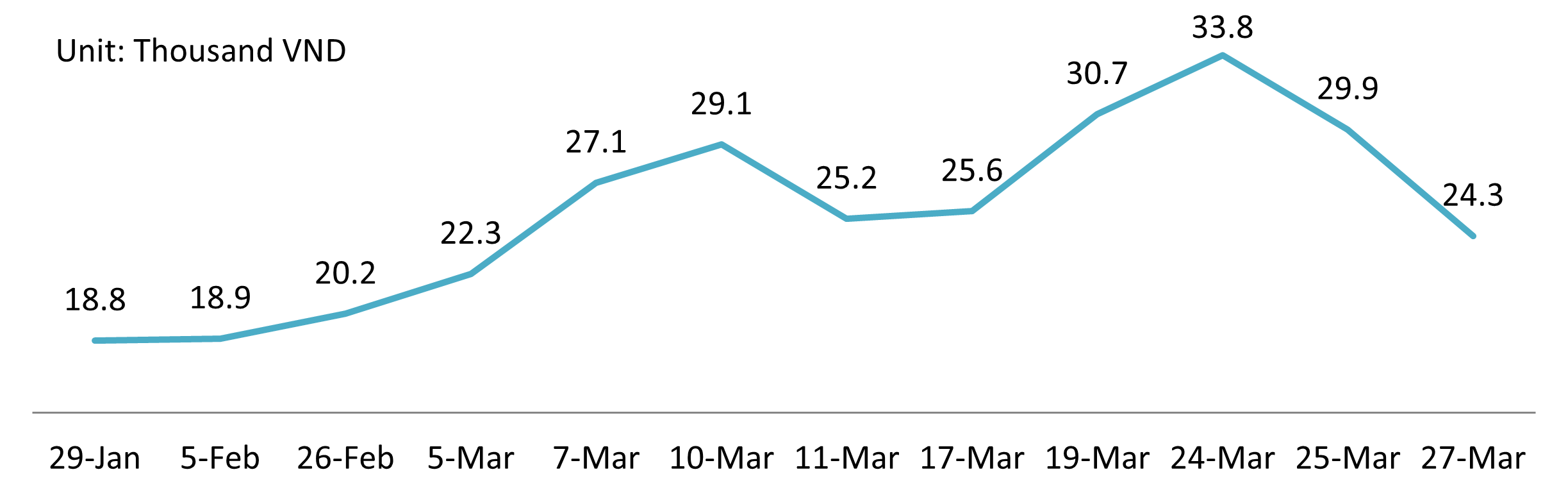
Petrol Price in Vietnam (Jan-Mar 2026)
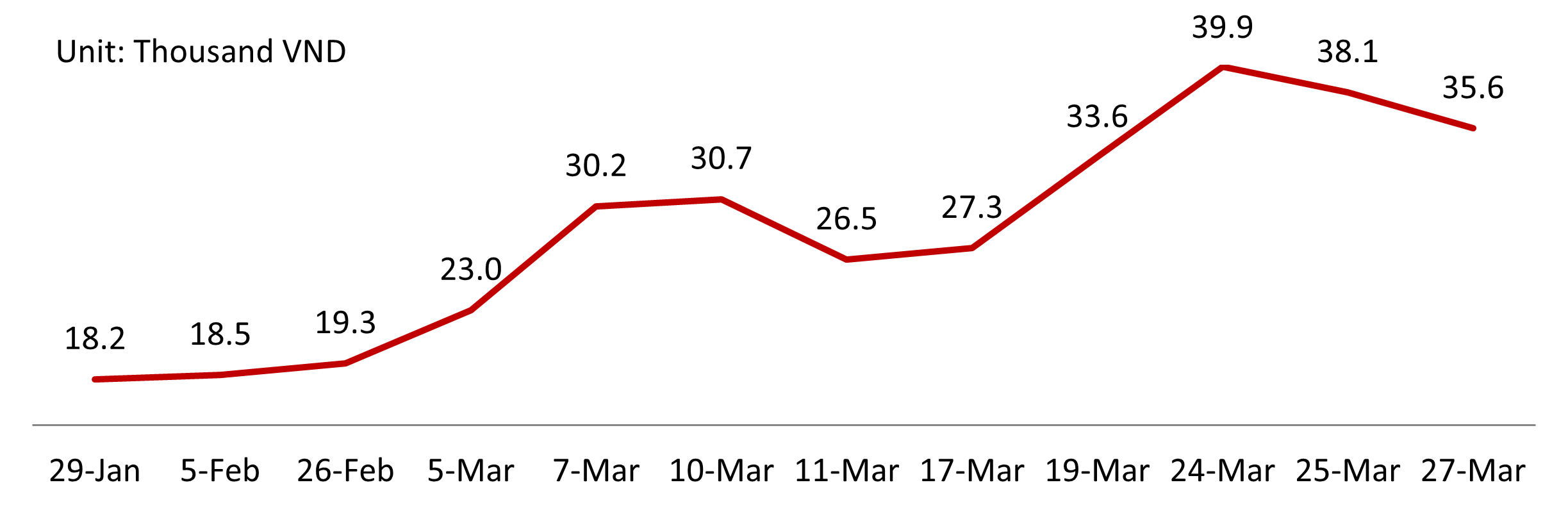
Nguồn: baochinhphu.vn, PVOil
Government Measures to Stabilize Vietnam’s Energy Sector
To mitigate the immediate energy crisis, the Vietnamese government moved swiftly on multiple fronts. On the regulatory side, Resolution No. 36/NQ-CP (March 6, 2026) introduced more flexible fuel price adjustment mechanisms — allowing reviews before the regular weekly cycle if base prices rise by 7% or more, and activating additional stabilization measures if prices surge more than 20% within a single month. On the fiscal side, Decree No. 72/2026/ND-CP (March 9, 2026) reduced import tariffs on several fuel categories to 0% from March 9 to April 30, 2026, directly supporting domestic supply and dampening price increases. The government also tapped its financial reserves: the Petroleum Price Stabilization Fund held over VND 5.617 trillion (more than $220 million) as of Q3 2025 — with Petrolimex alone accounting for VND 3.085 trillion — and authorities deployed these funds to buffer the global market impact and balance the interests of both businesses and consumers[4]
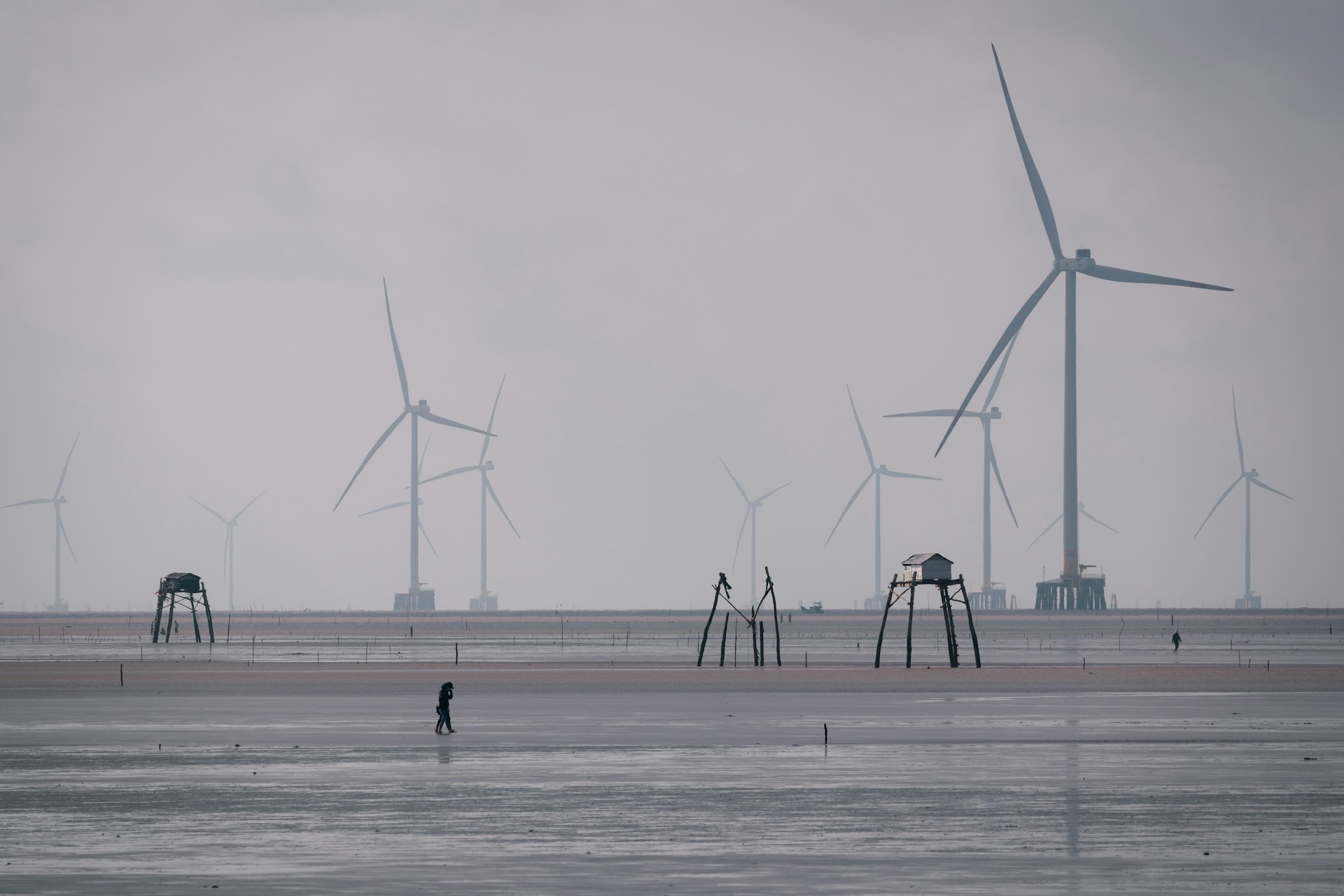
Beyond short-term stabilization, the crisis has accelerated a longer-term strategic pivot, especially accelerating the shift from fossil fuel to clean energy. Clean energy, including biofuels, has been a part of Vietnam’s commitment to environmental sustainability and energy security, with E5 and E10 fuel blending programs to gradually replace traditional gasoline to reduce the environmental impact and reliance on imported oil.
E10 Fuel is currently being sold on a trial basis in Ho Chi Minh City
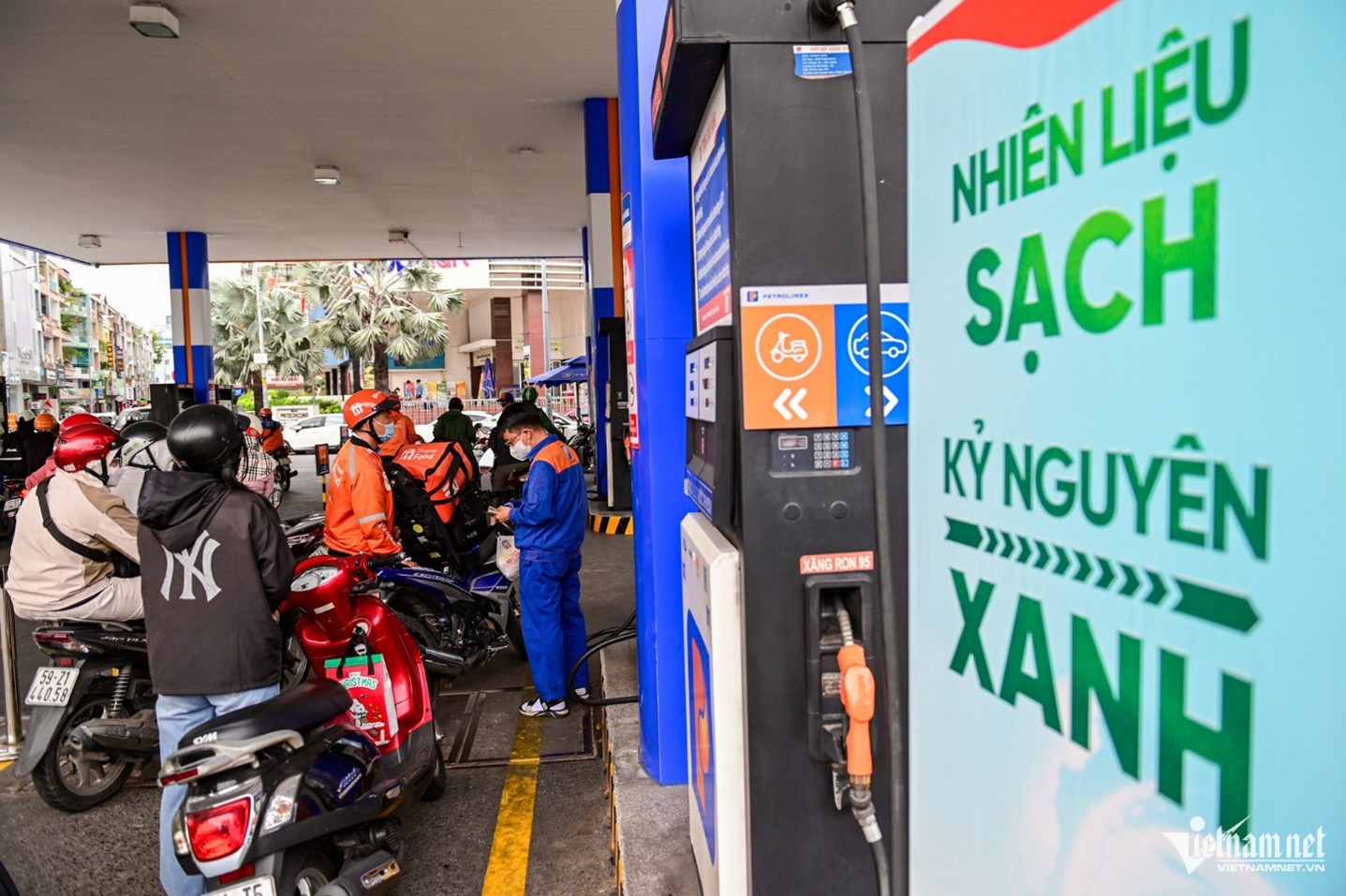
Nguồn: VietnamNet
The Biofuel Market in Vietnam
While Vietnam’s biofuel program has been quitely building for nearly a decade since E5 bio-gasoline officially introduced in 2018 [5], the program itself has been pulled forward with the rolling out of E10 biofuel nationwide from June 1, 2026, one month earlier than the previous schedule, due to the impact of the global oil prices soar significantly, resulting from the Middle East tensions [6]
E10 Biofuel is planned to be rolled out from June 1, 2026
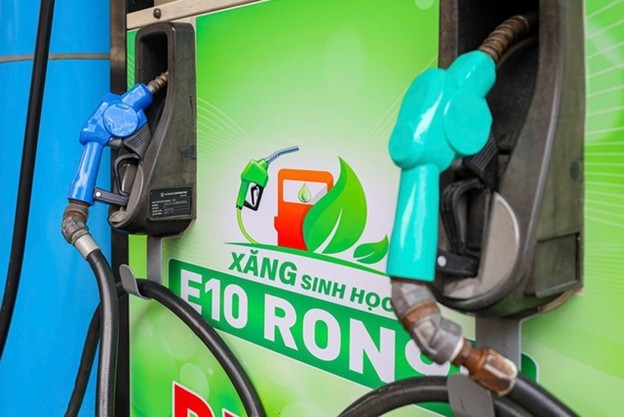
Nguồn: Kinh tế VN
From 2014 to 2020, the E5 ethanol gasoline fluctuated, while increasing rapidly and reaching its peak in 2018, the trend slowly decreased its share in the total gasoline consumption from 50% to only around 40% in 2020. According to experts, as the percentage of biofuels in gasoline increases, the dependence level on traditional gasoline, especially fossil fuels, will decrease accordingly in the new era.
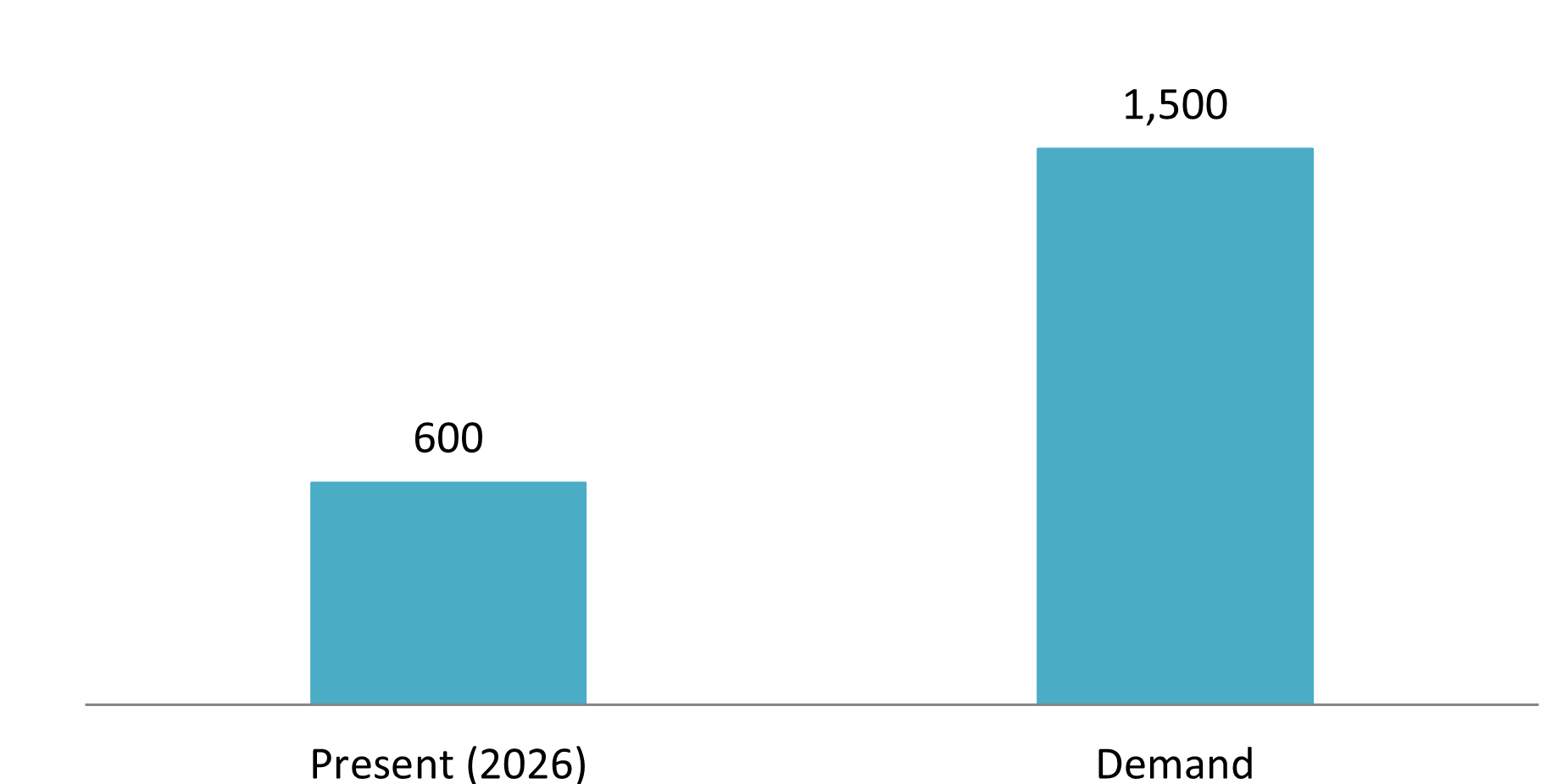
Vietnam has about 6 fuel ethanol production plants; however, only about half of them are operational, and most are not operating at full capacity due to previously limited market demand. If all plants operated at maximum design capacity, the total domestic ethanol production could reach approximately 400,000–500,000 m³ per year, equivalent to about 40% of demand. Thus, in the initial phase of E10 implementation, the biggest problem that Vietnam still has to face is that importing fuel is still a must of up to 60% of ethanol for fuel blending [10]. The chairman of the Vietnam Biofuels Association noted that “if Vietnam can proactively secure ethanol supply, it will clearly help ease pressure on crude oil imports and refined petroleum products, which are currently heavily affected by instability and conflict in the Middle East.” [7]
However, in order to achieve the goal of developing biofuels that completely replace mineral gasoline, Vietnam needs to overcome major challenges in technology, policy, and market. In which the obstacle exposes an urgent need to expand raw material areas, increase ethanol production capacity, and build a strong and feasible policy mechanism to encourage production, import, and strategic reserve of biofuel sources [8]
Ethanol plants’ capacity for E10 biofuel production in Vietnam (thousand cubic metres)
Nguồn: VietnamNews
Consumer perception has also lagged. On the consumer side, there is still fear around the quality of biofuel, while on the business side, the price difference between E5 RON92 and RON95 gasoline is quite low, not enough to create a strong motivation for people to switch. Infrastructure for blending and distribution requires significant capital, and the raw material supply chain from farm to ethanol plant remains fragmented.
Opportunities for FDI Enterprises in Vietnam’s Biofuel Sector
The convergence of geopolitical pressure, government policy, and a structural supply gap makes Vietnam’s biofuel sector one of the most compelling entry points for foreign clean energy investors in Southeast Asia. Several strategic principles should guide effective market entry.
Partner with local agricultural chains: The ethanol feedstock bottleneck is a supply chain problem as much as a capital problem. FDI enterprises that establish long-term purchase agreements with cassava and corn cooperatives — particularly in provinces like Tay Ninh, Gia Lai, and Kon Tum — can secure both input supply and community goodwill, reducing regulatory friction significantly.
Engage early with MOIT and MAE: The Ministry of Industry and Trade (MOIT) and the Ministry of Agriculture and Environment (MAE) are the central policy actors shaping biofuel regulations, blending mandates, and tax incentives. Early engagement with these bodies for policy alignment can unlock access to investment promotion incentives, preferential land-use terms, and priority licensing.
Invest in blending and storage infrastructure: Ensuring the blending and distribution infrastructure on a large scale is crucial for success. The transition requires accessing and upgrading ports, warehouses, and storage facilities across the country [13]. Foreign investors with logistics expertise — particularly in tank storage, port handling, and cold chain management — have an immediate role to play that complements ethanol production investment.
Đọc thêm
Nghiên cứu tác động của quan hệ Mỹ-Iran đối với thị trường Việt Nam.
* Lưu ý: Nếu bạn muốn trích dẫn thông tin trong bài viết này, vui lòng ghi rõ nguồn và kèm theo link bài viết để đảm bảo tôn trọng bản quyền.
| B&Company, Inc.
Công ty nghiên cứu thị trường của Nhật Bản đầu tiên tại Việt Nam từ năm 2008. Chúng tôi cung cấp đa dạng những dịch vụ bao gồm báo cáo ngành, phỏng vấn ngành, khảo sát người tiêu dùng, kết nối kinh doanh. Ngoài ra, chúng tôi đã phát triển cơ sở dữ liệu của hơn 900,000 công ty tại Việt Nam, có thể được sử dụng để tìm kiếm đối tác kinh doanh và phân tích thị trường. Xin vui lòng liên hệ với chúng tôi nếu bạn có bất kỳ thắc mắc hay nhu cầu nào. info@b-company.jp + (84) 28 3910 3913 |
[1] https://www.weforum.org/stories/2026/03/the-global-price-tag-of-war-in-the-middle-east/
[2] https://www.reuters.com/business/energy/world-faces-largest-ever-oil-supply-disruption-middle-east-war-iea-says-2026-03-12/
[3] https://www.vietnam.vn/en/gia-dau-the-gioi-vuot-110-usd-thung-do-xung-dot-tai-eo-bien-hormuz
[4] https://en.vneconomy.vn/vietnam-may-activate-petroleum-price-stabilization-measures-amid-middle-east-tensions.htm
[5] https://essentica.eu/news/about-the-industry/vxetnam-ustanavlivaet-normu-v-5-Zhtanol
[6] https://en.vneconomy.vn/e10-biofuel-may-be-rolled-out-from-june-2026.htm
[7] https://english.vov.vn/en/economy/vietnam-needs-to-accelerate-adoption-of-biofuel-amid-global-energy-supply-uncertainty-post1274404.vov
[8] https://www.vietnam.vn/en/vuot-thach-thuc-de-hien-thuc-hoa-lo-trinh-xang-sinh-hoc-e10
Other references:
- – https://www.weforum.org/stories/2026/03/the-global-price-tag-of-war-in-the-middle-east/
- – https://www.reuters.com/business/energy/world-faces-largest-ever-oil-supply-disruption-middle-east-war-iea-says-2026-03-12/
- – https://www.vietnam.vn/cap-nhat-gia-xang-dau-trua-hom-nay-17-3-2026-gia-dau-tho-the-gioi-tang-tro-lai-vuot-moc-100-usd
- – https://www.vietnam-briefing.com/news/vietnam-responds-to-rising-oil-prices-emergency-measures-and-new-initiatives.html/
- – https://en.vneconomy.vn/vietnam-may-activate-petroleum-price-stabilization-measures-amid-middle-east-tensions.htm
- – https://www.vietnam.vn/en/gia-xang-dau-giam-manh-den-7-966-dong-lit-viet-nam-day-manh-tu-chu-nang-luong
- – https://www.vietnam.vn/an-ninh-nang-luong-quoc-gia-chuyen-doi-nang-luong-sach-xanh-dam-bao-tinh-tu-chu
- – https://essentica.eu/news/about-the-industry/vxetnam-ustanavlivaet-normu-v-5-Zhtanol
- – https://en.vneconomy.vn/e10-biofuel-may-be-rolled-out-from-june-2026.htm
- – https://www.vietnam.vn/en/xang-sinh-hoc-e10-nguon-nguyen-lieu-va-chuoi-cung-ung-nang-luong-moi
- – https://english.vov.vn/en/economy/vietnam-needs-to-accelerate-adoption-of-biofuel-amid-global-energy-supply-uncertainty-post1274404.vov
- – https://www.vietnam.vn/en/vuot-thach-thuc-de-hien-thuc-hoa-lo-trinh-xang-sinh-hoc-e10
- – https://vietnamnews.vn/economy/1724451/fuel-for-thought-viet-nam-speeds-toward-e10-shift.html
- – https://www.vietnam.vn/en/gia-dau-the-gioi-vuot-110-usd-thung-do-xung-dot-tai-eo-bien-hormuz
Bài viết liên quan

























Thanh bên:
ĐĂNG KÝ NHẬN BẢN TIN