

 Tiếng Việt
  English
  日本語
日本語  简体中文
简体中文  한국어
한국어 Hoạt động mua bán và sáp nhập (M&A) trong lĩnh vực bất động sản công nghiệp đang gia tăng, mang đến cho các nhà đầu tư nước ngoài những cơ hội đầu tư nhanh hơn và ít rủi ro hơn trước đây.
30/07/2026
Tin tức & Báo cáo mới nhất / Vietnam Briefing
Bình luận: Không có bình luận.
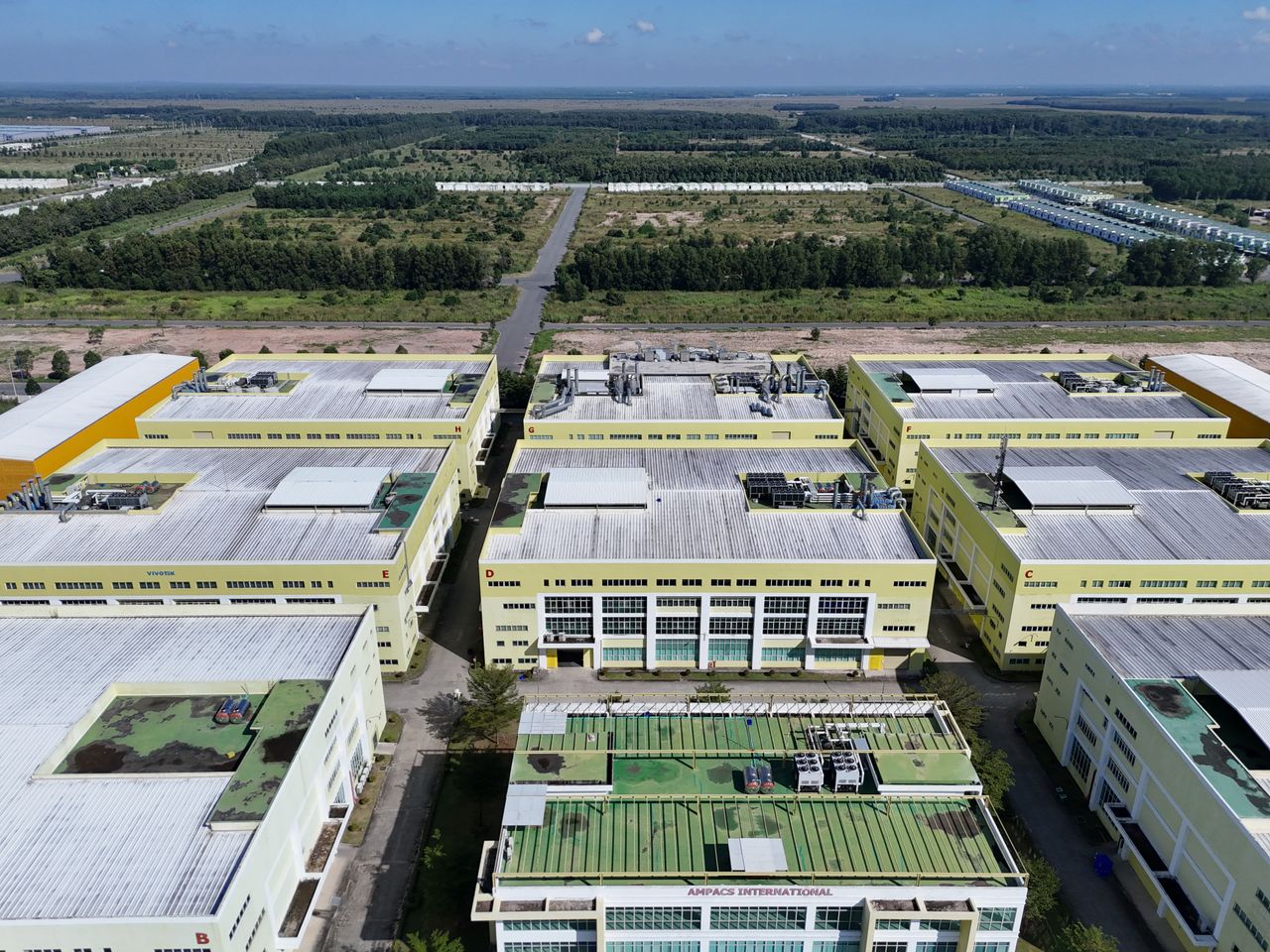
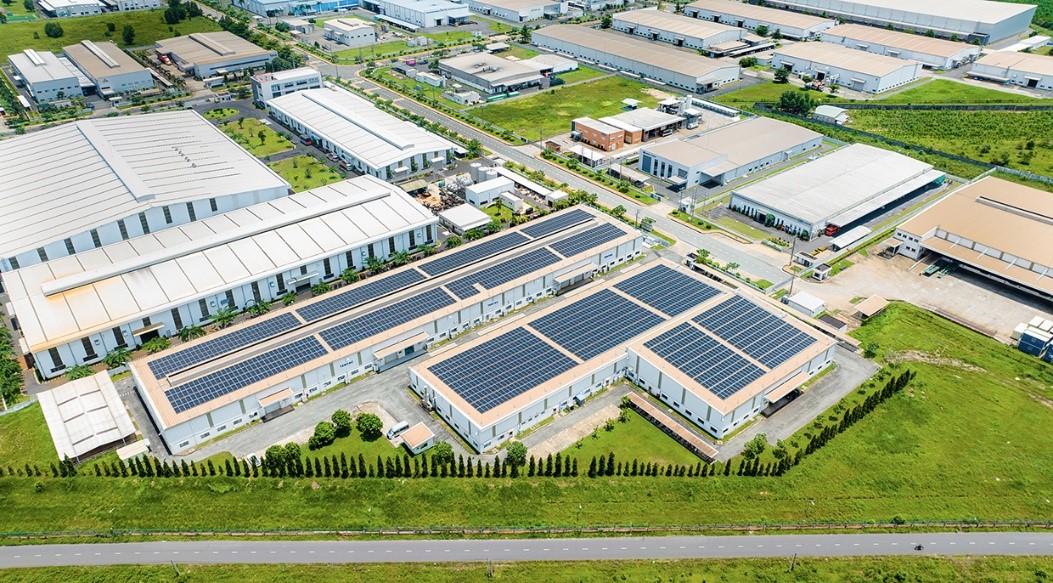
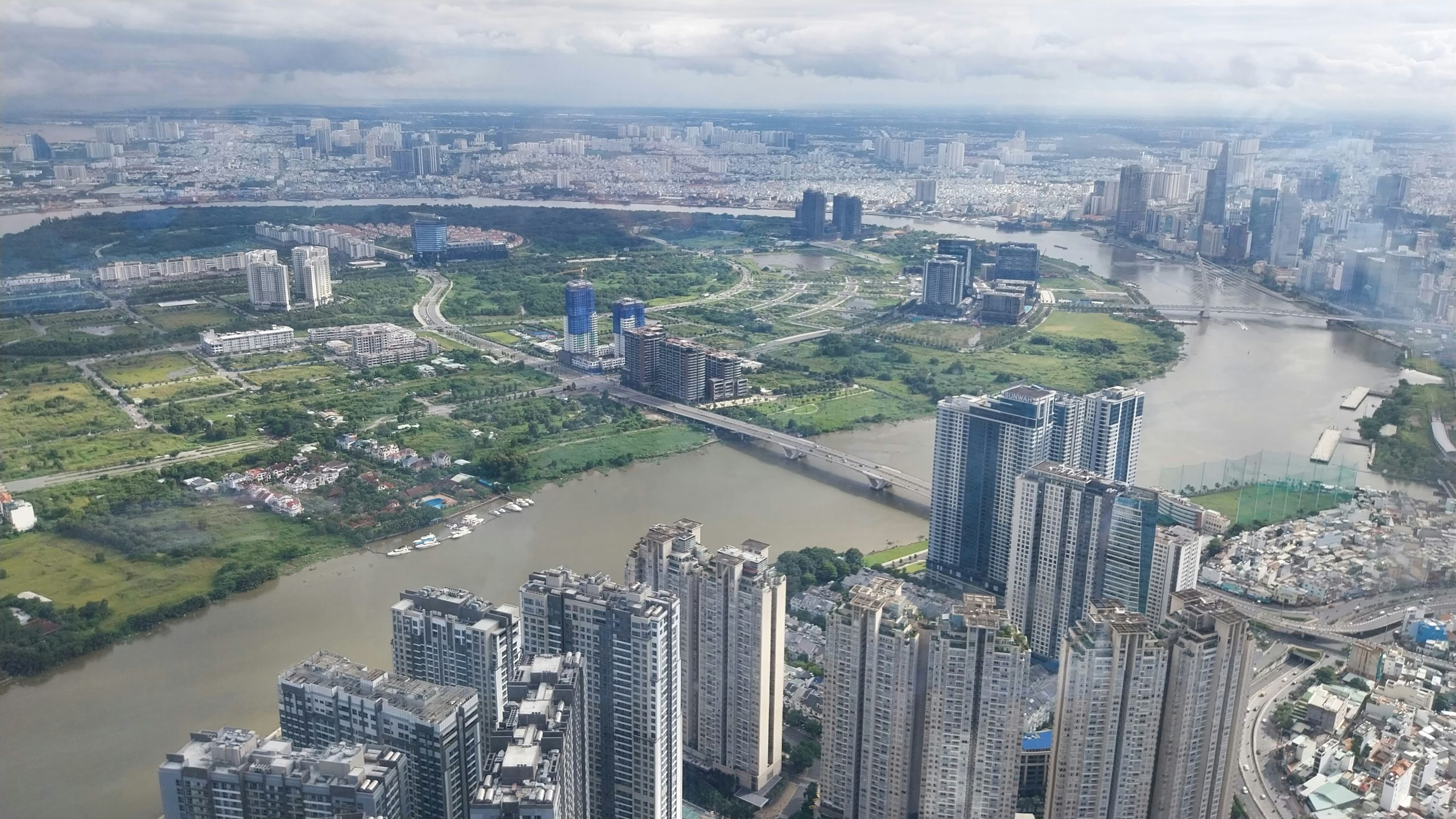
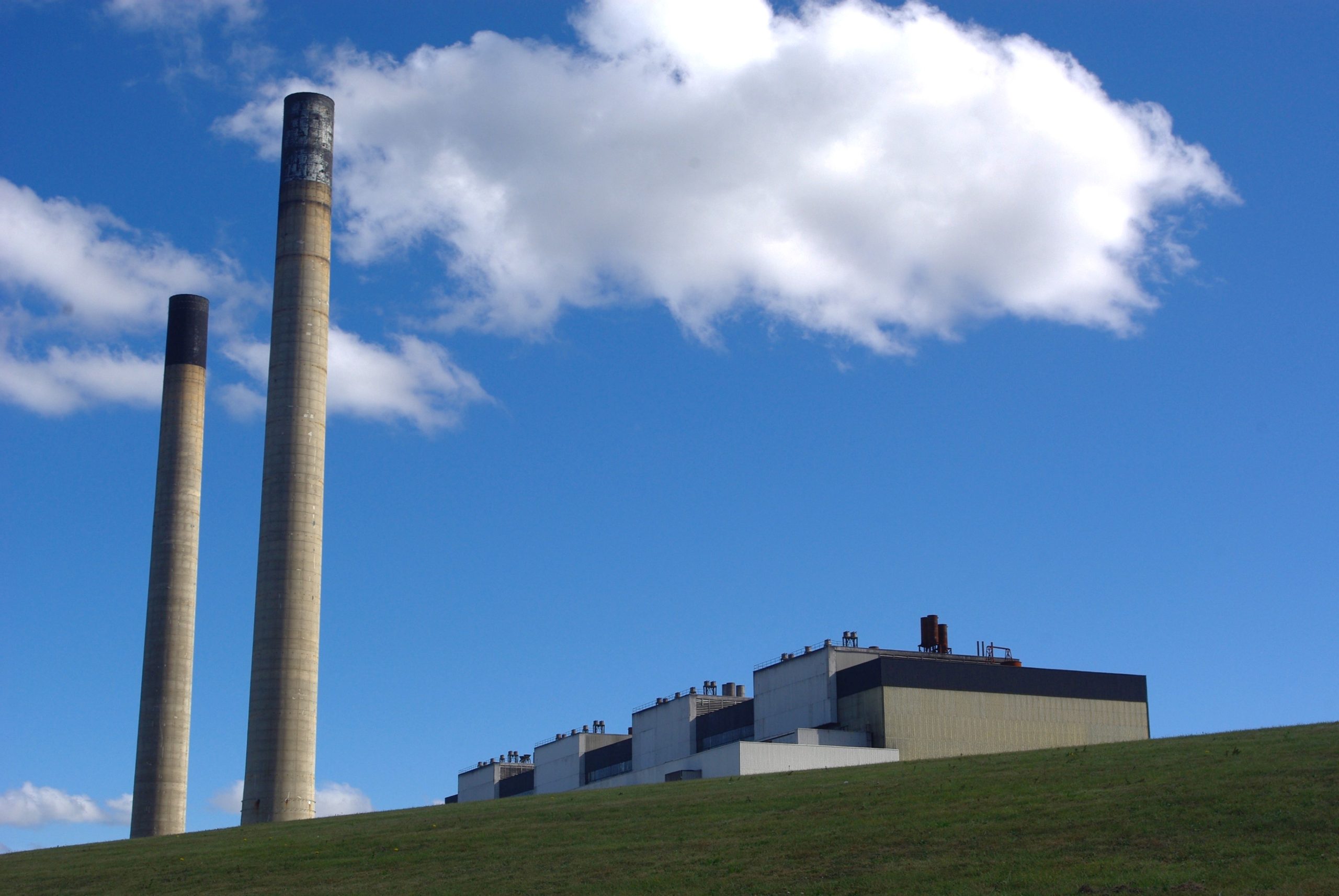
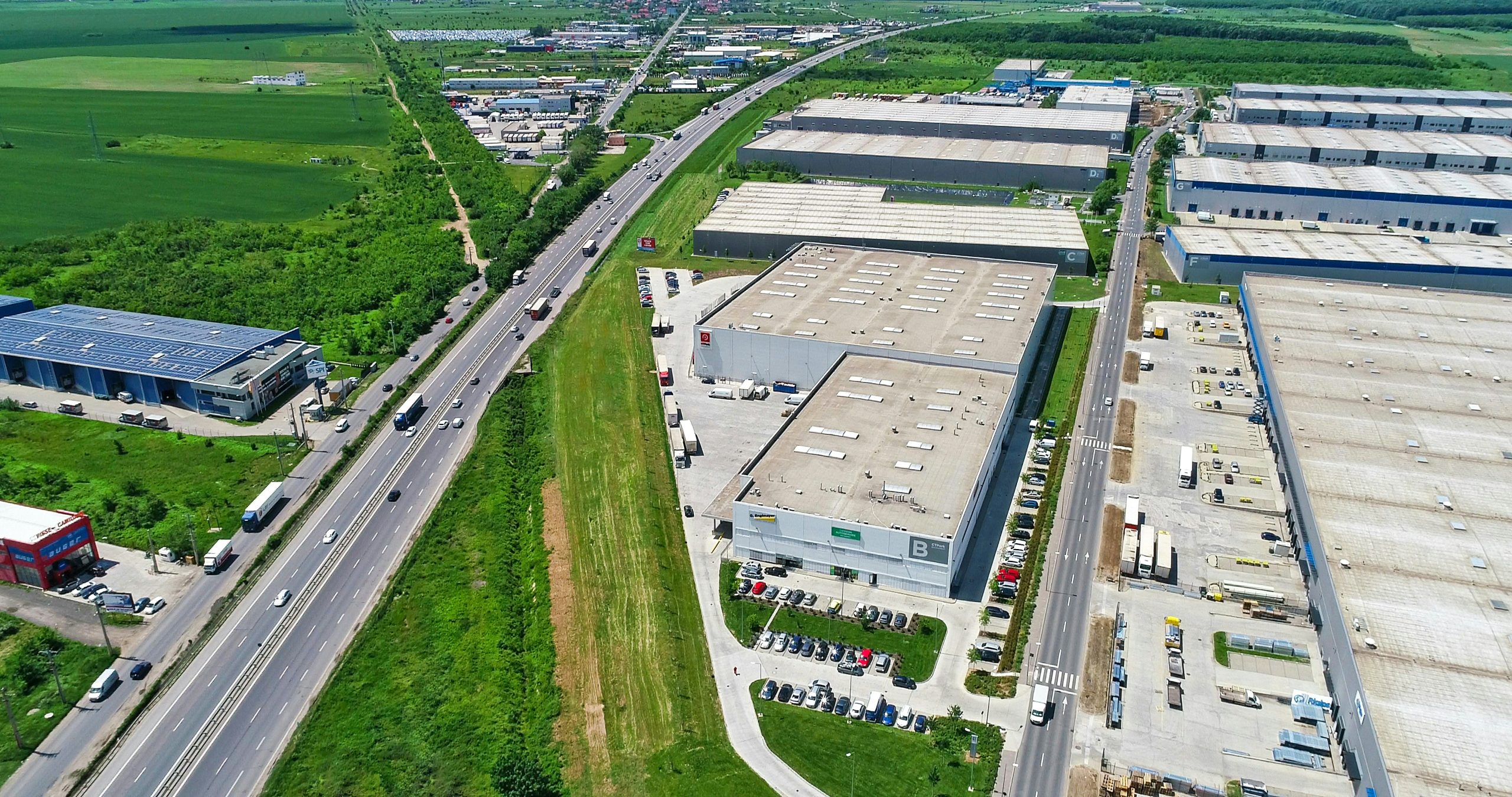
Các khu công nghiệp đóng vai trò trung tâm trong sự phát triển kinh tế của Việt Nam. Các tòa nhà thương mại và cơ sở logistics cũng quan trọng không kém. Hoạt động mua bán sáp nhập (M&A) trong các lĩnh vực này đang gia tăng, mang đến cho các nhà đầu tư nước ngoài cơ hội đầu tư nhanh hơn và ít rủi ro hơn trước đây.
Số tiền đầu tư bất động sản
Đầu tư trực tiếp nước ngoài (FDI) cho thấy ngành sản xuất và bất động sản luôn giữ vị trí thứ nhất và thứ hai hàng năm. Năm 2024, bất động sản đạt 6,3 tỷ USD, chiếm 16,51 nghìn tỷ USD trong tổng vốn đầu tư của tất cả các ngành, tăng 18,81 nghìn tỷ USD so với năm trước.[1]. Trong khi các khu công nghiệp gần Hà Nội và Thành phố Hồ Chí Minh được cho là đã bán hết, đẩy giá lên cao, Việt Nam vẫn liên tục chứng kiến nguồn cung mới. Hiện tại, có 435 khu công nghiệp đã được thành lập, 72 khu đang trong giai đoạn mở rộng, 221 khu đang được quy hoạch mới và 23 khu đang được điều chỉnh. Ngoài ra, có 299 khu đang trong giai đoạn phát triển.[2].
3 ngành công nghiệp hàng đầu theo đầu tư trực tiếp nước ngoài (FDI) (Số tiền đã đăng ký)
| Ngành công nghiệp | 2023 (Tỷ USD) | 2024 (Tỷ USD) | Chia sẻ (%) | Tốc độ tăng trưởng (%) |
| Sản xuất và chế biến | 253 | 256 | 66.9 | 1.1 |
| Bất động sản | 53 | 63 | 16.5 | 18.8 |
| Năng lượng | 24 | 14 | 3.7 | -40.3 |
Nguồn: Cơ quan Đầu tư nước ngoài
Tỷ lệ sử dụng trung bình của các khu công nghiệp trên toàn quốc là 861.300 tấn, đạt 781.300 tấn ở khu vực phía Bắc và 891.300 tấn ở khu vực phía Nam. Giá thuê đất công nghiệp tăng khoảng 51.300 tấn so với cùng kỳ năm ngoái ở cả miền Bắc và miền Nam trong quý I, trong khi chỉ số giá tiêu dùng (CPI) tăng chung trong quý I dao động từ 21.300 đến 41.300 tấn. Tại miền Bắc, Hà Nội (171 USD/m²) và tỉnh Bắc Ninh (167 USD/m²) có giá thuê đất công nghiệp cao nhất, trong khi tại miền Nam, Thành phố Hồ Chí Minh (261 USD/m²) và tỉnh Đồng Nai (186 USD/m²) có giá thuê đặc biệt cao.
Giá thuê bất động sản công nghiệp quý 1 năm 2024
Đơn vị: USD/m², hợp đồng thuê 70 năm
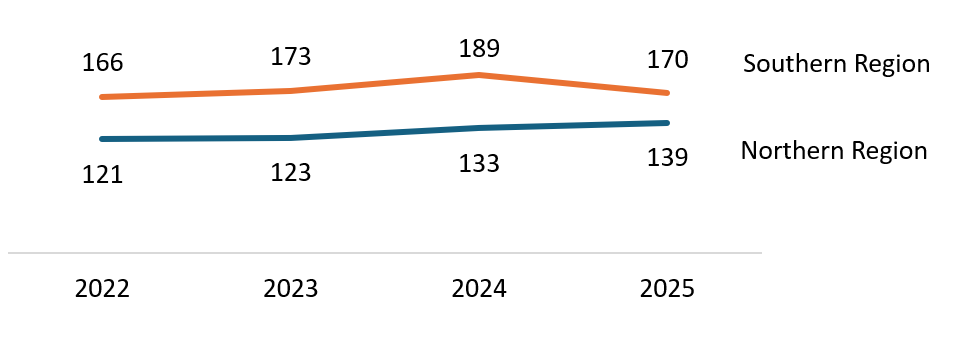
Nguồn: CBRE
Các giao dịch mua bán và sáp nhập bất động sản đạt tổng cộng 2,94 tỷ USD trong 4 năm 9 tháng từ năm 2020 đến quý 3 năm 2024, trong đó bất động sản công nghiệp - bao gồm đất khu công nghiệp, nhà máy và cơ sở logistics - chiếm 401 nghìn tỷ USD. Đáng chú ý, từ tháng 1 đến tháng 9 năm 2024, tỷ trọng bất động sản công nghiệp đạt 911 nghìn tỷ USD, với giá trị giao dịch lên tới 180 triệu USD.
Xu hướng và các yếu tố đầu tư
Ưu điểm của việc mua bán và sáp nhập (M&A) nằm ở tốc độ. Việc bắt đầu phát triển dự án từ đầu đòi hỏi các thủ tục dài dòng và phức tạp như chuẩn bị mặt bằng, bồi thường và phê duyệt xây dựng. Việc mua lại các dự án hiện có cho phép các nhà đầu tư tránh được những rắc rối của việc đấu thầu đất đai và đàm phán với nhiều chủ đất, tiết kiệm được đáng kể thời gian. Hơn nữa, tại các khu vực đô thị lớn, đất đai có sẵn rất hạn chế, và nhiều khu công nghiệp hiện có đã được thành lập, khiến việc tìm kiếm địa điểm phù hợp ngày càng khó khăn. Cơ sở hạ tầng như đường sá, điện, nước, khả năng tiếp cận trung tâm thành phố quyết định môi trường sống, và các ngành dịch vụ xung quanh đều dễ đánh giá hơn trong các khu công nghiệp hiện có.[3].
Dưới đây là một số ví dụ về các thương vụ mua bán và sáp nhập liên quan đến các cơ sở sản xuất hiện có.
Mặc dù có nhiều trường hợp liên quan đến cơ sở hậu cần hơn, nhưng chúng đã được tóm tắt trong phần hậu cần, vì vậy vui lòng tham khảo phần đó.
Ví dụ về các thương vụ mua bán và sáp nhập bất động sản công nghiệp.
| KHÔNG | Mục tiêu đầu tư | Nhà đầu tư | Giá trị đầu tư | Khoảng thời gian | Chi tiết |
| 1 | Khu công nghiệp Nomura Hải Phòng (Thành phố Hải Phòng) | Công ty cổ phần Tập đoàn PC1 (Việt Nam) | Không tiết lộ | Cuối năm 2023 (Đã công bố) | Mua lại cổ phần 70% tại Nomura Hải Phòng thông qua NAIV (Singapore), đánh dấu bước tiến toàn diện vào lĩnh vực phát triển khu công nghiệp. |
| 2 | Đất công nghiệp tại tỉnh Bà Rịa - Vũng Tàu | Công ty TNHH Công nghệ Tripod (Đài Loan) | Không tiết lộ | 2023–2024 (dựa trên các báo cáo truyền thông) | Vụ mua bán sáp nhập đất công nghiệp quy mô lớn liên quan đến việc mua lại 18ha đất công nghiệp từ Sonadezi Chau Duc. |
Nguồn: Tổng hợp từ nhiều nguồn truyền thông khác nhau của B&Company.
Việt Nam, nằm ở trung tâm Đông Nam Á, là điểm đến hấp dẫn đối với các công ty theo đuổi chiến lược “Trung Quốc cộng một”, và sức hấp dẫn này ngày càng tăng cùng với sự phát triển của cơ sở hạ tầng giao thông. Trên phạm vi quốc tế, các cảng biển và sân bay lớn đang được nâng cấp, trong khi ở trong nước, mạng lưới đường sắt và đường bộ đang được phát triển. Đặc biệt, việc xây dựng các tuyến đường trục chính đang tiến triển đáng kể. Ví dụ, khu vực có thể di chuyển trong vòng vài giờ từ các tỉnh lân cận thành phố Hà Nội đến cảng Hải Phòng đã được mở rộng đáng kể.
Phát triển cơ sở hạ tầng chính
| KHÔNG | Cơ sở | Kiểu | Tình trạng hiện tại | Tác dụng |
| 1 | Sân bay quốc tế Long Thành | Sân bay | Giai đoạn 1: Khai trương vào năm 2026
Tất cả: Đến năm 2035 |
Giảm bớt gánh nặng giao thông hàng không cho Thành phố Hồ Chí Minh |
| 2 | Đường cao tốc Bắc-Nam (Đoạn phía Đông) | Đường cao tốc | Đang thi công (Giai đoạn 2017–2025: 729 km) | Tăng cường kết nối Bắc-Nam |
| 3 | Đường sắt cao tốc Bắc-Nam | Đường sắt | Việc xây dựng sẽ bắt đầu vào năm 2027.
Dự kiến đi vào hoạt động năm 2035. |
Một lựa chọn mới cho vận tải hành khách và hàng hóa trên toàn quốc |
| 4 | Tổ hợp cảng Cai Mep-Thi Vai | Cảng | Dự kiến việc mở rộng sẽ hoàn thành vào năm 2030. | Kết nối tuyến đường toàn cầu không cần trung chuyển. |
Nguồn: Phân tích của B&Company
Các tỉnh như Đắk Lắk, Huế, Thái Nguyên và Bình Phước tương đối kém phát triển, nhưng lại tạo điều kiện thuận lợi hơn cho việc thu hồi đất và phát triển linh hoạt hơn. Các ưu đãi thuế và hỗ trợ cơ sở hạ tầng thường cho phép các thỏa thuận linh hoạt hơn ở các khu vực vùng miền. Về hiệu quả đầu tư, ví dụ, Khu công nghiệp Hương Sơn (313 ha) và giai đoạn 2 của Khu công nghiệp Bắc Đông Hồ mang lại lợi nhuận hàng năm từ 12-151 tỷ 3.000 USD, nhưng giá bán lại thấp hơn tới 401 tỷ 3.000 USD so với các khu vực đô thị lớn.[4].
Thách thức
Mặc dù tốt hơn là bắt đầu từ con số không, khung pháp lý phức tạp vẫn là một thách thức ngay cả đối với các thương vụ mua bán sáp nhập hoặc góp vốn. Các luật như Luật Đất đai, Luật Kinh doanh Bất động sản, Luật Xây dựng và Luật Quy hoạch thiếu tính nhất quán. Sự khác biệt về cách giải thích giữa các vùng và sự chậm trễ trong việc phê duyệt thường kéo dài các giao dịch. Việc thiếu một hệ thống đăng ký bất động sản toàn quốc làm giảm tính minh bạch của thị trường và gây khó khăn cho việc định giá tài sản chính xác. Việc tìm kiếm các cố vấn bên ngoài có kinh nghiệm để định giá cũng thường khó khăn. Các nhà đầu tư nước ngoài và các đối tác trong nước thường gặp phải sự không phù hợp về hoạt động, quản trị và văn hóa sau các thương vụ M&A, mặc dù điều này phổ biến ở nhiều ngành.[5].
Xu hướng mới là tuân thủ các quy định về môi trường. Các dự án chứng nhận môi trường, như nhà máy đạt chứng nhận LEED Gold của Hitachi Energy (tỉnh Bắc Ninh), kho EDGE của Mitsubishi Estate (tỉnh Hải Phòng) và nhà máy trung hòa carbon của LEGO (tỉnh Bình Dương, với tòa nhà hành chính và khu vui chơi đạt chứng nhận LEED Platinum, còn các khu đúc khuôn, đóng gói và kho đạt chứng nhận LEED Gold), đang thu hút sự chú ý nhờ giá trị lâu dài. Mục tiêu không phát thải ròng vào năm 2050 của Việt Nam đang thúc đẩy các sáng kiến như khu công nghiệp sinh thái và mô hình kinh tế tuần hoàn, mở rộng sang các dự án thí điểm như khu công nghiệp không phát thải ròng tại tỉnh Ninh Thuận. Tuy nhiên, do thiếu tính khả thi về kinh tế, rủi ro môi trường chưa được quản lý đầy đủ ở phần lớn các khu công nghiệp hiện nay.
* Nếu bạn muốn trích dẫn bất kỳ thông tin nào từ bài viết này, xin vui lòng ghi rõ nguồn cùng với liên kết đến bài viết gốc để tôn trọng bản quyền.
| B&Company
Là công ty Nhật Bản đầu tiên chuyên về nghiên cứu thị trường tại Việt Nam từ năm 2008. Chúng tôi cung cấp nhiều dịch vụ đa dạng bao gồm báo cáo ngành, phỏng vấn ngành, khảo sát người tiêu dùng, kết nối kinh doanh. Ngoài ra, gần đây chúng tôi đã xây dựng cơ sở dữ liệu hơn 1.000.000 công ty tại Việt Nam, có thể được sử dụng để tìm kiếm đối tác và phân tích thị trường. Vui lòng liên hệ với chúng tôi nếu bạn có bất kỳ thắc mắc nào. info@b-company.jp + (84) 24 3978 5165 |
[1] Bộ Kế hoạch và Đầu tư (2025)Truy cập>
[2] Niên giám Bất động sản Công nghiệp Việt Nam 2030 (2025)
[4] Niên giám Bất động sản Công nghiệp Việt Nam (Đến năm 2030) (2025)
Bài viết liên quan












Đăng nhập / Đăng ký
ĐĂNG KÝ NHẬN BẢN TIN