

 Tiếng Việt
  English
  日本語
日本語  简体中文
简体中文  한국어
한국어 Nghị định số 357/2025/NĐ-CP đưa ra khung pháp lý số toàn quốc, bao gồm cơ sở dữ liệu bất động sản và mã số định danh cho từng bất động sản.

21/04/2026
Tin tức & Báo cáo mới nhất / Vietnam Briefing
Bình luận: Không có bình luận.
Tóm tắt
Thị trường bất động sản Việt Nam từ lâu đã được đặc trưng bởi dữ liệu phân mảnh và thiếu nhất quán, dẫn đến bất cân xứng thông tin, hành vi đầu cơ và rủi ro pháp lý. Nghị định số 357/2025/NĐ-CP giới thiệu một khuôn khổ số hóa trên phạm vi toàn quốc, bao gồm cơ sở dữ liệu bất động sản thống nhất và mã định danh duy nhất cho từng tài sản, nhằm chuẩn hóa và tích hợp dữ liệu giữa các cơ quan. Cải cách này hướng tới tăng cường tính minh bạch, nâng cao hiệu quả giao dịch và củng cố quản lý nhà nước, đánh dấu sự chuyển dịch sang một thị trường bất động sản bền vững hơn và dựa trên dữ liệu nhiều hơn.
Thực trạng của thị trường bất động sản
Thị trường bất động sản Việt Nam từ lâu vận hành trong điều kiện hệ thống thông tin phân mảnh và thiếu nhất quán. Dữ liệu liên quan đến tình trạng pháp lý, giá giao dịch, lịch sử sở hữu và điều kiện thế chấp được phân tán ở nhiều cơ quan và cấp hành chính khác nhau[1]. Ví dụ, dữ liệu đất đai do Bộ Nông nghiệp và Môi trường quản lý, dữ liệu nhà ở thuộc Bộ Xây dựng, dữ liệu liên quan đến thuế do Bộ Tài chính phụ trách, còn dữ liệu dân cư do Bộ Công an quản lý thông qua hệ thống VNeID[2]. Năm 2025, Bộ Nông nghiệp và Môi trường Việt Nam đã phát động chiến dịch 90 Ngày làm giàu, làm sạch cơ sở dữ liệu đất đai, một nỗ lực quy mô lớn nhằm tổng hợp thông tin đất đai. Chiến dịch đã phát hiện hàng triệu thửa đất cần được xác minh, chỉnh sửa hoặc chuẩn hóa[3].
Kết quả làm sạch dữ liệu từ chiến dịch “90 Ngày làm giàu, làm sạch cơ sở dữ liệu đất đai”
100% = 62,5 triệu thửa đất đang được rà soát
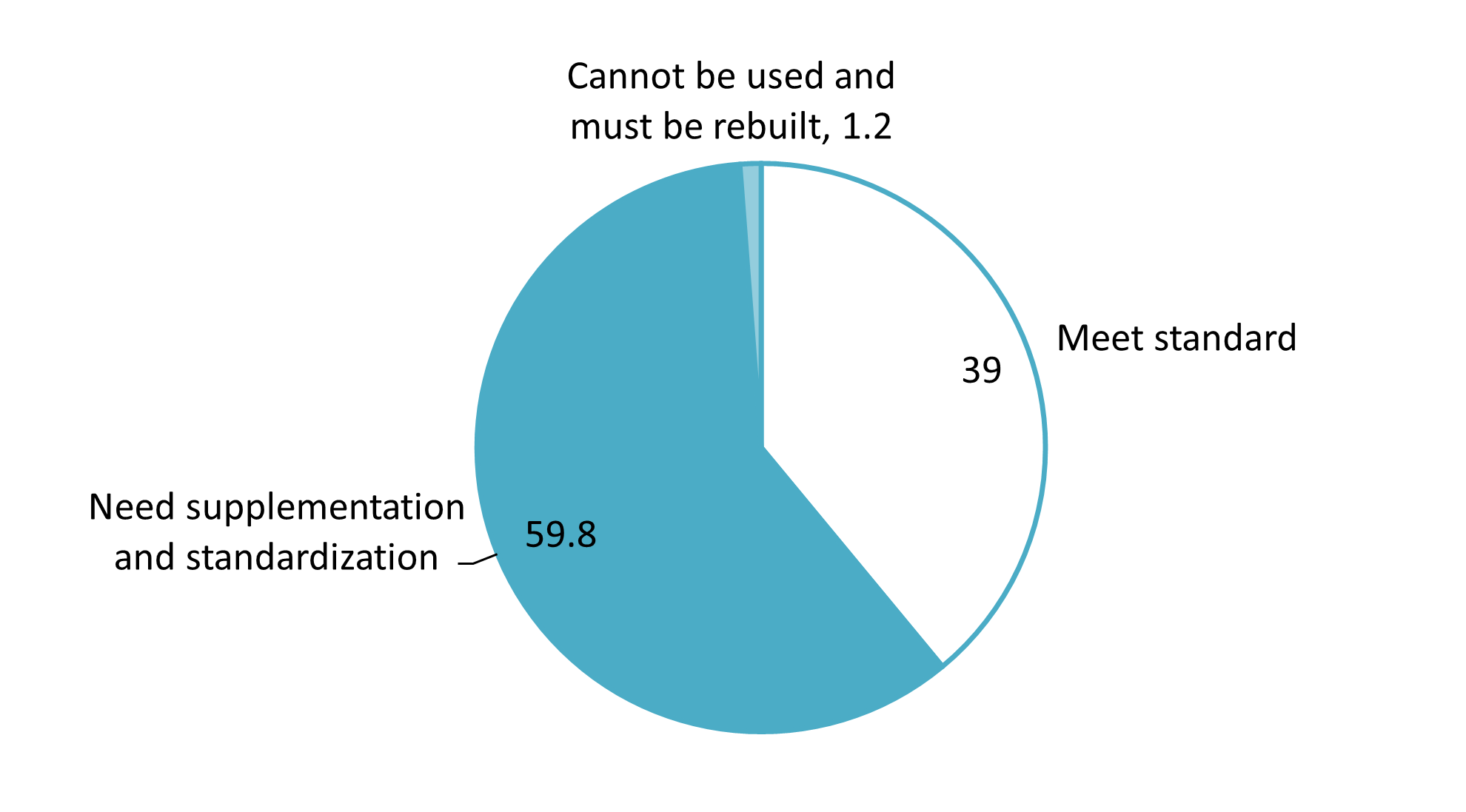
Nguồn: Bộ Nông nghiệp và Môi trường
Môi trường dữ liệu phân mảnh này tạo ra tình trạng bất cân xứng thông tin chi phối các giao dịch. Người mua thường phải dựa vào các kênh không chính thức, môi giới hoặc nguồn khó kiểm chứng để đánh giá giá trị và tình trạng pháp lý của bất động sản, trong khi dữ liệu chính thức lại khó tiếp cận hoặc thiếu nhất quán giữa các cơ quan. Ở cấp độ vi mô, người mua đối mặt với rủi ro pháp lý và tài chính gia tăng, bao gồm tranh chấp quyền sở hữu, lịch sử giao dịch không rõ ràng và kiện tụng kéo dài do hồ sơ thiếu hoặc mâu thuẫn. Ở cấp độ vĩ mô, thị trường dễ biến động giá, hình thành bong bóng đầu cơ và xuất hiện các điểm mù trong quản lý, làm suy giảm sự ổn định chung[4]. Hơn nữa, cơ quan nhà nước gặp khó khăn trong việc xây dựng chính sách kịp thời và hiệu quả do thiếu dữ liệu đáng tin cậy theo thời gian thực.
Một ví dụ cho thấy những thách thức này là trường hợp của Tập đoàn Lotte và dự án Thu Thiem Eco Smart City tại Thành phố Hồ Chí Minh. Mặc dù dự án được cấp phép lần đầu vào năm 2017, việc triển khai đã bị trì hoãn gần một thập kỷ do các thủ tục pháp lý và vấn đề định giá đất chưa được giải quyết, khiến nhà đầu tư rơi vào trạng thái “chờ đợi” kéo dài. Điều này làm phát sinh nhiều chi phí bổ sung và có thể làm giảm hiệu quả đầu tư, khiến dự án kém hấp dẫn hơn về mặt tài chính đối với nhà đầu tư. Trên thực tế, Tập đoàn Lotte đã thể hiện ý định rút lui[5].
Thị trường bất động sản sẽ được số hóa như thế nào thông qua Nghị định số 357/2025/NĐ-CP
Nghị định số 357/2025/NĐ-CP đưa ra một khuôn khổ toàn diện để số hóa thị trường bất động sản Việt Nam bằng việc thiết lập một hệ thống dữ liệu thống nhất do Nhà nước quản lý. Nghị định chính thức có hiệu lực từ ngày 1 tháng 3.
Mục tiêu chính của Nghị định là nâng cao tính minh bạch và chuẩn hóa dữ liệu, qua đó cải thiện hiệu quả quản lý nhà nước thông qua chuyển đổi số. Một đổi mới quan trọng là việc đưa vào hệ thống định danh số cho bất động sản, theo đó mỗi tài sản được gán một mã điện tử duy nhất. Mã này liên kết toàn bộ thông tin liên quan (bao gồm (i) thông tin thửa đất; (ii) công trình xây dựng và thông tin dự án; (iii) tình trạng pháp lý; (iv) lịch sử giao dịch và đăng ký, và (v) các dữ liệu quản lý khác theo quy định của pháp luật) thành một hồ sơ số duy nhất, có thể truy vết[6].
Có 5 loại mã định danh điện tử chính trong lĩnh vực bất động sản, cụ thể như sau:
| Chủ thể | Cấu trúc mã ID |
| Nhà ở riêng lẻ (căn hộ và nhà ở riêng lẻ) | (1) Mã định danh thửa đất;
(2) Mã thông tin dự án hoặc công trình; (3) Mã định danh vị trí (nếu có); (4) Một chuỗi ký tự tự nhiên để phân biệt từng căn nhà. |
| Diện tích sàn xây dựng trong dự án | (1) Mã định danh thửa đất;
(2) Mã thông tin dự án và công trình; (3) Mã định danh vị trí (nếu có); (4) Chuỗi ký tự tự nhiên để nhận diện từng phần diện tích sàn. |
| Đơn vị quản lý và vận hành nhà chung cư | (1) Mã số định danh tổ chức;
(2) Dãy ký tự tự nhiên thể hiện thời điểm ban hành thông báo đủ điều kiện quản lý, vận hành. |
| Chứng chỉ hành nghề môi giới bất động sản | (1) Mã của tỉnh, thành phố nơi cấp chứng chỉ;
(2) Số định danh cá nhân hoặc số định danh nước ngoài; (3) Dãy ký tự thể hiện ngày cấp, số chứng chỉ và tình trạng thu hồi (nếu có). |
| Cá nhân đủ điều kiện hưởng chính sách hỗ trợ về nhà ở | (1) Số định danh cá nhân;
(2) Dãy ký tự thể hiện nhóm đối tượng thụ hưởng và chương trình hỗ trợ nhà ở |
Nguồn: Nghị định 357/2025/NĐ-CP
Bộ Xây dựng Việt Nam là cơ quan trung ương chịu trách nhiệm xây dựng, quản lý và vận hành hệ thống cơ sở dữ liệu. Chính quyền địa phương có nhiệm vụ thu thập, cập nhật và đồng bộ dữ liệu, bảo đảm thông tin luôn chính xác và kịp thời.
Nghị định cũng nhấn mạnh rằng mã định danh điện tử không thay thế Giấy chứng nhận quyền sử dụng đất và quyền sở hữu nhà ở (thường gọi là “Sổ đỏ”), mà đóng vai trò là công cụ quản lý số cho cơ quan nhà nước.
Tác động của Nghị định đối với thị trường bất động sản
Tăng tính minh bạch
Một trong những tác động quan trọng nhất là nâng cao tính minh bạch của thị trường. Hệ thống định danh số sắp tới cho phép cơ quan quản lý và các chủ thể thị trường theo dõi lịch sử bất động sản hiệu quả hơn, qua đó giảm bớt sự bất định về tình trạng pháp lý và quyền sở hữu. Điều này trực tiếp giải quyết vấn đề lâu nay về “độ mờ thông tin”, khi người mua phải phụ thuộc nhiều vào dữ liệu không chính thức hoặc chưa đầy đủ[7]. Qua đó, thị trường được kỳ vọng sẽ trở nên đáng tin cậy hơn, với rủi ro gian lận và tranh chấp giảm xuống.
Hạn chế đầu cơ và thao túng giá
Với việc đưa vào các mã định danh bất động sản duy nhất và lịch sử giao dịch có thể kiểm chứng, mỗi tài sản giờ đây có một “điểm neo dữ liệu”. Giá không còn là những con số tùy ý mà có thể được đối chiếu với các giao dịch lịch sử và các bất động sản tương đồng. Điều này làm giảm đáng kể “nhiễu thông tin”, một động lực then chốt của các bong bóng đầu cơ và biến động giá mạnh. Kết quả là thị trường được kỳ vọng sẽ chuyển sang cơ chế định giá ổn định hơn và dựa trên bằng chứng, hạn chế cơ hội thao túng và đầu cơ ngắn hạn[8].
Giao dịch nhanh hơn và hiệu quả hơn
Quá trình số hóa theo Nghị định 357 cũng được kỳ vọng sẽ tinh gọn thủ tục giao dịch. Khi dữ liệu được số hóa và liên thông, cá nhân và doanh nghiệp không còn phải nộp đi nộp lại cùng một bộ hồ sơ cho nhiều cơ quan[9]. Việc xác minh pháp lý và kiểm tra thông tin có thể được thực hiện trực tuyến thông qua mã định danh số của bất động sản, qua đó giảm đáng kể thời gian và chi phí hành chính.
Thách thức trong triển khai
Năng lực số không đồng đều giữa các tỉnh, thành
Một rào cản mang tính cấu trúc lớn đối với việc triển khai Nghị định 357 nằm ở mức độ sẵn sàng số không đồng đều giữa các địa phương, cùng với vấn đề tồn lưu của các hệ thống dữ liệu phân mảnh. Theo bảng xếp hạng Chỉ số Chuyển đổi số (DTI) năm 2024 của Bộ Khoa học và Công nghệ, trong khi các đô thị lớn như Hà Nội, Huế, Hải Phòng và TP. Hồ Chí Minh có chỉ số trên 0,77, thì vẫn có 3 tỉnh có chỉ số dưới 0,6 (Hưng Yên, Quảng Trị, Cao Bằng)[10]. Mặc dù Nghị định hướng tới một cơ sở dữ liệu quốc gia thống nhất, trên thực tế, nhiều tỉnh vẫn đang dựa vào các hồ sơ chỉ được số hóa một phần hoặc thậm chí còn trên giấy[11], với các tiêu chuẩn kỹ thuật khác nhau và khả năng liên thông còn hạn chế.
Rủi ro an ninh mạng và quyền riêng tư dữ liệu
Việc số hóa dữ liệu bất động sản nhạy cảm như quyền sở hữu, giá trị giao dịch và tình trạng thế chấp đặt ra những lo ngại quan trọng về quyền riêng tư dữ liệu và an ninh mạng[12]Hệ thống tập trung trở thành mục tiêu hấp dẫn cho các cuộc tấn công mạng, trong khi quản trị dữ liệu không đúng cách có thể dẫn đến truy cập trái phép hoặc lạm dụng thông tin cá nhân và tài chính. Một báo cáo từ Viettel Threat Intelligence cho thấy, năm 2025, có 25,5 triệu tài khoản người dùng bị lộ hoặc bị giao dịch trực tuyến, tăng 76% so với năm 2024. Báo cáo nhấn mạnh rằng các cuộc tấn công ngày càng tinh vi và thường xuyên hơn do sự tiến bộ của công nghệ và trí tuệ nhân tạo, nhắm mục tiêu vào các hệ thống lưu trữ dữ liệu có giá trị cao, bao gồm các tài khoản đặc quyền và hệ thống quản lý dữ liệu của bên thứ ba (Salesforce, CRM, v.v.).[13].
Do đó, cần có các khuôn khổ bảo mật nghiêm ngặt để ngăn chặn rò rỉ và can thiệp dữ liệu. Nếu không có các biện pháp bảo vệ đủ mạnh, rủi ro có thể bao gồm rò rỉ dữ liệu, gian lận danh tính, hoặc thậm chí sửa đổi hồ sơ giao dịch, những yếu tố có thể làm suy giảm nghiêm trọng niềm tin vào hệ thống.
Phối hợp thể chế để giữ dữ liệu “sống”
Một mối quan ngại quan trọng khác là nguy cơ hệ thống trở nên “được số hóa nhưng không động”. Nói cách khác, dữ liệu có thể được lưu trữ dưới dạng số nhưng không được cập nhật kịp thời hoặc liên tục. Trong những trường hợp như vậy, cơ sở dữ liệu có thể nhanh chóng trở nên lạc hậu, làm giảm độ tin cậy của nó đối với việc ra quyết định và giao dịch. Nếu việc cập nhật bị chậm trễ hoặc thiếu nhất quán giữa các cơ quan, hệ thống có thể tái tạo các bất cập hiện hữu dưới hình thức số[14].
Kết quả là, nghị định yêu cầu một sự thay đổi đáng kể trong cách các tổ chức và các bên tham gia thị trường vận hành. Việc triển khai hiệu quả phụ thuộc vào sự phối hợp giữa nhiều cơ quan: xây dựng, đất đai, thuế và ngân hàng. Đồng thời, doanh nghiệp và cá nhân phải thích ứng với các quy trình số mới. Cải cách quy định thường gặp sự kháng cự do thói quen phụ thuộc vào thủ tục giấy tờ và tình trạng thiếu hiểu biết số trong các bên liên quan.
Kết luận
Nghị định số 357/2025/NĐ-CP đại diện cho một sự chuyển đổi căn bản trong cách thị trường bất động sản Việt Nam được quản lý, chuyển từ một hệ thống phân mảnh, dựa trên giấy tờ sang một mô hình dựa trên dữ liệu. Bằng việc đưa vào cơ sở dữ liệu thống nhất và cơ chế định danh tài sản, Nghị định đặt nền tảng để cải thiện tính minh bạch, ổn định quá trình hình thành giá và nâng cao hiệu quả của cả giao dịch lẫn quản lý nhà nước.
Tuy nhiên, vượt ra ngoài các tính năng kỹ thuật, ý nghĩa thực sự của cải cách nằm ở cách dữ liệu được duy trì, cập nhật và sử dụng trong thực tiễn. Việc gán một mã duy nhất cho mỗi bất động sản không phải là đích đến tự thân, mà là điểm khởi đầu để xây dựng một thị trường minh bạch và có trách nhiệm hơn. Nếu hệ thống bảo đảm dữ liệu luôn “sống”, được cập nhật liên tục và quản trị đúng cách, nó có thể trở thành bước ngoặt hướng tới một thị trường bất động sản lành mạnh và bền vững hơn tại Việt Nam.
Đọc thêm
* Nếu bạn muốn trích dẫn bất kỳ thông tin nào từ bài viết này, xin vui lòng ghi rõ nguồn cùng với liên kết đến bài viết gốc để tôn trọng bản quyền.
| B&Company
Công ty Nhật Bản đầu tiên chuyên về nghiên cứu thị trường tại Việt Nam từ năm 2008. Chúng tôi cung cấp một loạt các dịch vụ bao gồm báo cáo ngành, phỏng vấn ngành, khảo sát người tiêu dùng, kết nối kinh doanh. Ngoài ra, chúng tôi đã phát triển một cơ sở dữ liệu với hơn 900.000 công ty tại Việt Nam, có thể được sử dụng để tìm kiếm đối tác và phân tích thị trường. Xin vui lòng liên hệ với chúng tôi nếu bạn có bất kỳ câu hỏi nào. info@b-company.jp + (84) 28 3910 3913 |
[1] Giao duc va thoi dai, Định danh bất động sản: Kỳ vọng về một thị trường minh bạch hơn, https://giaoducthoidai.vn/dinh-danh-bat-dong-san-ky-vong-thi-truong-minh-bach-hon-post763065.html
[2] VietnamNet, Mã định danh bất động sản: Bản đồ dẫn đường bước vào kỷ nguyên thịnh vượng, https://vietnamnet.vn/ma-dinh-danh-bat-dong-san-ban-do-dan-duong-buoc-vao-ky-nguyen-thinh-vuong-2481084.html
[3] Ministry of Agriculture and Environment, Chiến dịch 90 ngày: Rà soát 62 triệu thửa đất, dữ liệu đất đai đi vào thực tiễn, https://mae.gov.vn/chien-dich-90-ngay-62-trieu-thua-dat-duoc-ra-soat-du-lieu-dat-dai-song-20557.htm
[4] People’s Army Newspaper, Chính sách mới: Quy định về hệ thống thông tin và cơ sở dữ liệu bất động sản, https://www.qdnd.vn/xa-hoi/chinh-sach/chinh-sach-moi-quy-dinh-ve-he-thong-thong-tin-va-co-so-du-lieu-bat-dong-san-1030582
[5] The Leader, Lotte đang cân nhắc rút khỏi dự án tỷ đô, mối lo chung của các doanh nghiệp bất động sản, https://theleader.vn/lotte-tinh-rut-lui-khoi-du-an-ty-do-va-noi-lo-chung-cua-doanh-nghiep-dia-oc-d42148.html
[6] Government News, Việt Nam sẽ cấp mã định danh số cho bất động sản từ ngày 1 tháng 3 năm 2026, https://en.baochinhphu.vn/viet-nam-to-assign-digital-id-codes-to-properties-from-march-1-2026-111260105144514.htm
[7] VietnamNet Global, Ministry of Construction chuẩn bị ra mắt hệ thống định danh số bất động sản, https://vietnamnet.vn/en/ministry-of-construction-prepares-to-launch-real-estate-digital-id-system-2486710.html?utm
[8] The Saigon Times, Mã định danh bất động sản: “Chìa khóa” cho tính minh bạch của thị trường và những thách thức
Đằng sau con số, https://gvlawyers.com.vn/wp-content/uploads/2026/03/Ma-dinh-danh-bat-dong-san-Chia-khoa-minh-bach-thi-truong-va-nhung-thach-thuc-an-sau-day-so_Ms.-Nhu_12Mar2026.pdf
[9] Giao duc va thoi dai, Định danh bất động sản: Kỳ vọng về một thị trường minh bạch hơn, https://giaoducthoidai.vn/dinh-danh-bat-dong-san-ky-vong-thi-truong-minh-bach-hon-post763065.html
[10] Infographics – Vietnam News Agency, DTI 2024: Hanoi dẫn đầu cả nước về chuyển đổi số cấp tỉnh, https://infographics.vn/dti-2024-ha-noi-dan-dau-ca-nuoc-ve-chuyen-doi-so-cap-tinh/217775.vna
[11] Bao Moi, Triển khai mã định danh bất động sản: Lợi ích lớn, khó khăn không nhỏ, https://baomoi.com/trien-khai-ma-dinh-danh-bat-dong-san-loi-ich-lon-kho-khan-khong-nho-c54767952.epi
[12] The Saigon Times, Mã định danh bất động sản: “Chìa khóa” cho tính minh bạch của thị trường và những thách thức
Đằng sau con số, https://gvlawyers.com.vn/wp-content/uploads/2026/03/Ma-dinh-danh-bat-dong-san-Chia-khoa-minh-bach-thi-truong-va-nhung-thach-thuc-an-sau-day-so_Ms.-Nhu_12Mar2026.pdf
[13] Viettel Security, Báo cáo về tình hình nguy cơ an toàn thông tin tại Việt Nam năm 2025, https://viettelsecurity.com/vi/resource-report/bao-cao-tinh-hinh-nguy-co-attt-tai-viet-nam-nam-2025/
[14] Giao duc va thoi dai, Định danh bất động sản: Kỳ vọng về một thị trường minh bạch hơn, https://giaoducthoidai.vn/dinh-danh-bat-dong-san-ky-vong-thi-truong-minh-bach-hon-post763065.html
Bài viết liên quan
























Đăng nhập / Đăng ký
ĐĂNG KÝ NHẬN BẢN TIN