

 Tiếng Việt
  English
  日本語
日本語  简体中文
简体中文  한국어
한국어 Đối với các nhà đầu tư đang nhắm đến lĩnh vực “sản xuất thông minh” tại Việt Nam, đất nước này mang đến những cơ hội hấp dẫn, nhưng cũng tiềm ẩn những thách thức thực tiễn.

19/12/2025
Tin tức & Báo cáo mới nhất / Vietnam Briefing
Bình luận: Không có bình luận.
Được thúc đẩy bởi các sáng kiến của chính phủ nhằm khuyến khích áp dụng Công nghiệp 4.0, chi phí lao động gia tăng và dòng vốn đầu tư trực tiếp nước ngoài đáng kể, Việt Nam đang nhanh chóng chuyển đổi thành một trung tâm sản xuất công nghệ cao. Đối với các nhà đầu tư quan tâm đến lĩnh vực “sản xuất thông minh”, quốc gia này mang đến những cơ hội hấp dẫn: thị trường sản xuất thông minh được dự báo sẽ tăng trưởng mạnh, với nền tảng là sự hỗ trợ của chính phủ, chi phí lao động gia tăng và dòng vốn FDI. Đồng thời, các nhà đầu tư phải điều hướng những thách thức liên quan đến mức độ sẵn sàng của lực lượng lao động, chi phí triển khai cao và các đặc thù về quy định. Thâm nhập thị trường chiến lược thông qua liên doanh, tập trung vào các lĩnh vực có giá trị cao như điện tử và chất bán dẫn, đồng thời đồng bộ với các ưu tiên của chính phủ có thể tối đa hóa khả năng thành công của khoản đầu tư trong thị trường năng động này.
Tổng quan thị trường
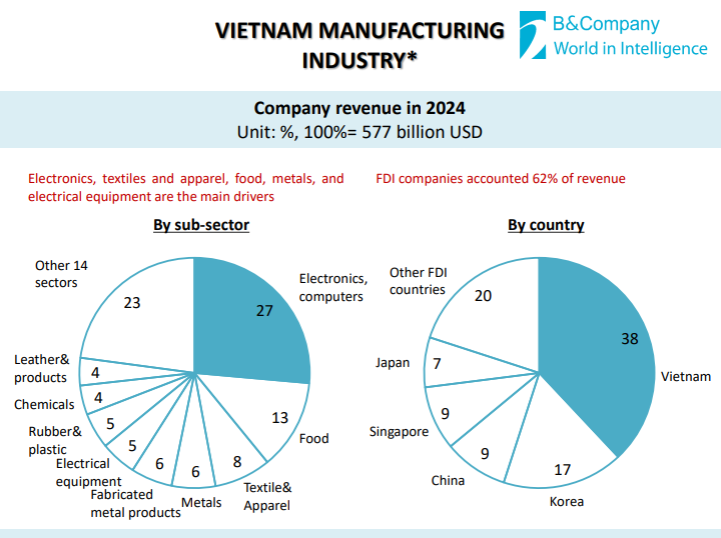
Sản xuất đóng vai trò then chốt trong nền kinh tế Việt Nam, với Chỉ số Sản xuất Công nghiệp trong quý I năm 2025 tăng vọt 7.6% so với năm trước[1]. Trong đó, lĩnh vực sản xuất và chế biến tăng trưởng 9.5% (tăng 6.0% trong năm 2024), đóng góp 7,9 điểm phần trăm vào mức tăng trưởng chung.
Thị trường sản xuất thông minh của Việt Nam là một trong những câu chuyện chuyển đổi công nghiệp năng động nhất Đông Nam Á. Giá trị thị trường đạt 116,8 tỷ USD vào năm 2024, với tốc độ tăng trưởng (CAGR) 10.7%, so với mức 8.04% của Đông Nam Á trong giai đoạn 2025-2033. Điều này đưa Việt Nam trở thành một nhân tố quan trọng trong hệ sinh thái sản xuất thông minh toàn cầu, khi quốc gia này đang nhanh chóng chuyển đổi từ mô hình sản xuất truyền thống thâm dụng lao động sang các hệ thống sản xuất dựa trên công nghệ[2].
Quy mô Thị trường Sản xuất Thông minh của Việt Nam (2025 – 2033)
Đơn vị: tỷ USD
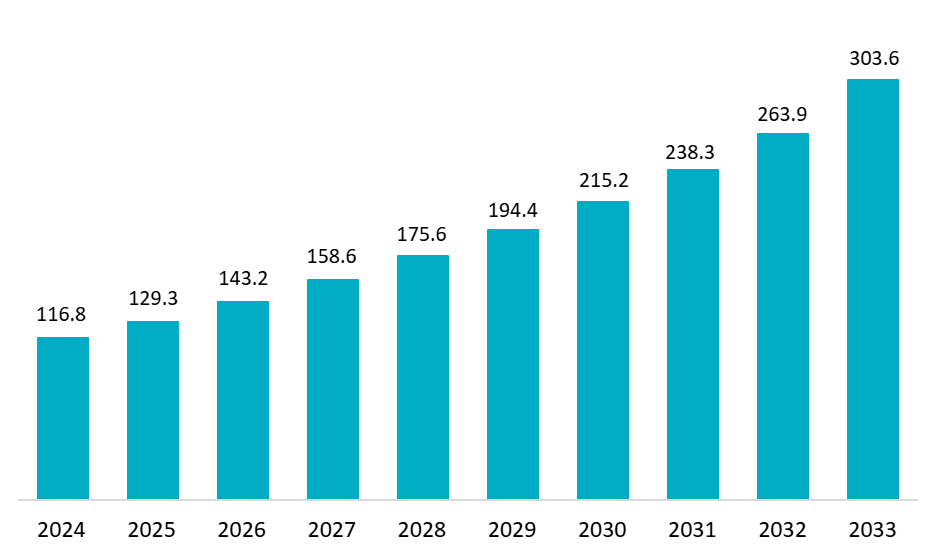
Nguồn: Imarc
Theo báo cáo năm 2023 của Ernst & Young Vietnam, các xu hướng chính trong việc áp dụng công nghệ số cho Sản xuất Thông minh 4.0 tại Việt Nam bao gồm: hạ tầng kết nối 5G, phương tiện bay không người lái (UAV), cảm biến thông minh, máy học, dữ liệu lớn, blockchain, thực tế ảo (VR) và in 3D, cùng nhiều công nghệ khác[3].
Xét theo địa lý, việc áp dụng sản xuất thông minh tập trung tại các trung tâm công nghiệp trọng điểm. Thành phố Hồ Chí Minh và Hà Nội chiếm ưu thế trên thị trường nhờ nền tảng công nghiệp vững mạnh, nguồn nhân lực lành nghề dồi dào và lượng vốn đầu tư trực tiếp nước ngoài đáng kể. Các trung tâm đô thị này là điểm thu hút các doanh nghiệp trong nước và quốc tế muốn tận dụng công nghệ sản xuất tiên tiến để nâng cao hiệu quả vận hành và năng lực cạnh tranh toàn cầu. Ngành điện tử và chất bán dẫn dẫn đầu về tỷ lệ áp dụng, tiếp theo là các ngành ô tô, dược phẩm, chế biến thực phẩm và đồ uống, cùng dệt may[4].
Công ty nổi bật
Bức tranh thị trường ngày càng được định hình bởi một nhóm các nhà sản xuất đã áp dụng tự động hóa tiên tiến, bản sao số, MES, giám sát IoT và robot trên quy mô lớn. Các nhà máy có vốn đầu tư nước ngoài hàng đầu như Samsung, Intel, Foxconn vận hành một số dây chuyền sản xuất có công nghệ tiên tiến nhất tại Việt Nam, trong khi các doanh nghiệp lớn của Việt Nam như VinFast, Vinamilk đã đẩy nhanh quá trình chuyển đổi số thông qua các nhà máy thông minh với hệ thống dữ liệu tích hợp, logistics tự động và kiểm soát chất lượng được tăng cường bằng AI.
| Tên công ty | Năm thành lập
(bằng tiếng Việt) |
Quốc gia | Sản phẩm / Hoạt động chính | Hồ sơ ngắn |
| Samsung Electronics Việt Nam | 2009 | Hàn Quốc | Điện tử tiêu dùng, điện thoại thông minh, linh kiện bán dẫn | Nhà đầu tư nước ngoài lớn nhất tại VN (22,4 tỷ USD tính đến năm 2024); vận hành các nhà máy thông minh tiên tiến tại Bắc Ninh và Thái Nguyên; áp dụng kiểm tra bằng AI, MES, robot và bản sao số để tối ưu hóa sản xuất[5]. |
| Sản phẩm Intel Việt Nam | 2006 | Hoa Kỳ | Lắp ráp và kiểm thử chip bán dẫn, IC, bộ xử lý | Một trong những cơ sở lắp ráp chip lớn nhất toàn cầu của Intel vận hành các dây chuyền sản xuất số hóa với kiểm soát chất lượng tự động, phân tích dữ liệu và hệ thống chuỗi cung ứng tích hợp toàn cầu[6]. |
| Tập đoàn công nghệ Foxconn | 2007 | Đài Loan | Sản xuất điện tử, lắp ráp chất bán dẫn, hệ thống sản xuất thông minh | Mở rộng đầu tư mạnh tại Bắc Giang và Bắc Ninh; áp dụng các dây chuyền SMT tự động hóa cao, robot và hệ thống giám sát theo thời gian thực; nhà cung cấp chủ chốt cho Apple và các thương hiệu công nghệ lớn[7]. |
| Sản xuất VinFast | 2017 | Vietnam | Xe điện, pin, linh kiện ô tô | Vận hành một trong những nhà máy ô tô tự động hóa cao nhất Đông Nam Á; áp dụng robot (KUKA), bản sao số, hệ thống đảm bảo chất lượng tiên tiến và bảo trì dự đoán dựa trên AI[8]. |
| TAiLG Vietnam | 2024 | Trung Quốc | Xe điện, sản xuất pin, lắp ráp tự động | Trung tâm sản xuất thông minh mới tại Hưng Yên (40.000 m²); công suất 350.000 sản phẩm/năm; triển khai mạnh mẽ các hệ thống tự động hóa tích hợp và điều khiển số[9]. |
| Nestlé Việt Nam | 1995 | Switzer-land | Cà phê (Nescafé), đồ uống (Milo, Nestea), sản phẩm sữa và dinh dưỡng (Nan, Lactogen), sản phẩm gia vị và thực phẩm (Maggi), nước đóng chai (La Vie) và ngũ cốc ăn sáng. | Đầu tư hơn 770 triệu USD vào bốn nhà máy và hai trung tâm phân phối, trong đó nhà máy Tri An được công nhận là nhà máy thông minh tiên tiến nhất. Sử dụng các dây chuyền lắp ráp tự động hóa cao với robot, kiểm tra bằng thị giác máy và các hệ thống số tinh gọn nhằm nâng cao hiệu quả vận hành[10]. |
| Vinamilk | 1976 | Vietnam | Sản phẩm sữa, sản phẩm dinh dưỡng cho trẻ em và người lớn, đồ uống chức năng, sữa tươi từ các trang trại bò sữa công nghệ cao | Nhà sản xuất sữa lớn nhất và là một trong những doanh nghiệp áp dụng sản xuất thông minh tiên tiến nhất trong khu vực. Công ty vận hành các dây chuyền sản xuất tự động hóa cao và hệ thống kho thông minh đẳng cấp thế giới, có khả năng thực hiện logistics hoàn toàn tự động bằng AGV và tích hợp dữ liệu theo thời gian thực[11] |
Biên soạn của B&Company
Bổ sung cho nhóm người dùng này là hệ sinh thái các nhà cung cấp giải pháp đang mở rộng nhanh chóng như FPT, ABB, Siemens, Bosch Rexroth, Mitsubishi Electric,… Các doanh nghiệp này cung cấp những công nghệ cốt lõi hỗ trợ sản xuất số hóa, từ robot, PLC và hệ thống SCADA đến kiểm tra bằng AI, bản sao số và các nền tảng IoT công nghiệp.
| Tên công ty | Năm thành lập (tại Việt Nam) | Quốc gia | Các giải pháp chính | Hồ sơ ngắn |
| Tập đoàn FPT | 1988 | Vietnam | Giải pháp sản xuất bằng AI, chuyển đổi số, IoT, điện toán đám mây | Tập đoàn công nghệ hàng đầu; phát triển giải pháp Kiểm tra thông minh với độ chính xác phát hiện lỗi đạt 99%; là đối tác triển khai Công nghiệp 4.0 mạnh cho các doanh nghiệp sản xuất[12]. |
| ABB Group | 1993 | Switzer-land | Robot, điện khí hóa, tự động hóa công nghiệp, SCADA | Nhà cung cấp SCADA lớn tại Việt Nam (150 hệ thống cho EVN); cung cấp robot và giải pháp tự động hóa cho các lĩnh vực sản xuất, tiện ích và năng lượng[13]. |
| Siemens AG | 1993 | Đức | Hệ thống tự động hóa công nghiệp, bản sao số, SCADA, MES | Đóng góp quan trọng vào quá trình chuyển đổi sang nhà máy thông minh tại Việt Nam; cung cấp MindSphere, SIMATIC và các giải pháp tự động hóa tiên tiến cho các ngành điện tử và ô tô. |
| Bosch Rexroth AG | Không có | Đức | Công nghệ truyền động và điều khiển, hệ thống thủy lực, linh kiện tự động hóa | Cung cấp các giải pháp tự động hóa toàn diện cho Công nghiệp 4.0; có sự hiện diện mạnh trong các lĩnh vực sản xuất ô tô và máy móc. |
| NVIDIA Vietnam | 2024 | Hoa Kỳ | Nền tảng điện toán AI, phần mềm GPU, các framework học sâu | Trung tâm R&D đầu tiên tại Việt Nam; hợp tác với chính phủ và các doanh nghiệp lớn để thúc đẩy ứng dụng AI trong sản xuất, y tế và tài chính. |
| General Electric (GE) | 1993 | Hoa Kỳ | IoT công nghiệp, phần mềm tự động hóa, phân tích dự báo | Cung cấp các giải pháp công nghiệp số cho ngành điện, hàng không và y tế; triển khai mạnh mẽ IIoT và tự động hóa trên khắp Việt Nam, đồng thời có một nhà máy thông minh tại VSIP Bình Dương. |
| Rockwell Automation | 2007 | Hoa Kỳ | PLC, MES, tự động hóa công nghiệp, tích hợp nhà máy thông minh | Cung cấp các hệ thống FactoryTalk, ControlLogix được sử dụng rộng rãi trong lĩnh vực sản xuất ô tô, thực phẩm và đồ uống, và điện tử tại Việt Nam[14]. |
| Mitsubishi Electric Vietnam | 1990 | Nhật Bản | Thiết bị FA, PLC, robot, tự động hóa công nghiệp | Nhà cung cấp chủ chốt các hệ thống tự động hóa và robot cho các nhà máy Nhật Bản tại Việt Nam (đặc biệt trong lĩnh vực ô tô và điện tử). |
Biên soạn của B&Company
Vị thế thống lĩnh quốc tế với năng lực phát triển tại địa phương
Bức tranh các doanh nghiệp này cho thấy một số nhận định quan trọng về cấu trúc thị trường sản xuất thông minh tại Việt Nam. Thứ nhất, các tập đoàn quốc tế đang chi phối thị trường, đặc biệt là các doanh nghiệp Hàn Quốc, Mỹ, Đức và Đài Loan với hàng chục năm kinh nghiệm sản xuất trên toàn cầu. Các tập đoàn đa quốc gia này mang đến công nghệ tiên tiến, nguồn vốn đầu tư đáng kể và khả năng tích hợp vào chuỗi cung ứng toàn cầu.
Vị thế của Samsung là nhà đầu tư nước ngoài lớn nhất với 22,4 tỷ USD cho thấy cam kết dài hạn bền vững, trong khi 306 nhà cung cấp trong nước và các chương trình tư vấn nhà máy thông minh của Samsung đang tích cực phát triển năng lực sản xuất trong nước[15]. Doanh thu 62,5 tỷ USD của công ty trong năm 2024 cho thấy quy mô hoạt động khổng lồ, với khoảng một nửa sản lượng điện thoại thông minh toàn cầu của Samsung hiện được tập trung tại Việt Nam. Công ty đã sản xuất 2 tỷ thiết bị di động kể từ năm 2009, và khoản đầu tư mới trị giá 1,8 tỷ USD vào nhà máy OLED cho thấy việc tiếp tục mở rộng sang các công nghệ màn hình có giá trị gia tăng cao hơn.
Sự nổi lên của các doanh nghiệp đầu ngành trong nước
Các doanh nghiệp Việt Nam như FPT Corporation đang nhanh chóng phát triển năng lực cạnh tranh trong phần mềm, trí tuệ nhân tạo và dịch vụ chuyển đổi số. Những doanh nghiệp đầu ngành trong nước này am hiểu động lực thị trường và môi trường pháp lý của Việt Nam, đồng thời xây dựng năng lực kỹ thuật tương đương với các tiêu chuẩn quốc tế.
Ví dụ, việc FPT thành lập AI Factory đầu tiên của Việt Nam, được trang bị hàng nghìn GPU NVIDIA H100 và H200, thể hiện bước nhảy vọt về hạ tầng AI nội địa. Doanh thu 2,47 tỷ USD và vị thế là công ty dịch vụ CNTT lớn nhất Đông Nam Á, được ghi nhận trong Fortune Southeast Asia 500, cho thấy quy mô và uy tín của doanh nghiệp. Quan hệ hợp tác của FPT với các doanh nghiệp dẫn đầu toàn cầu như NVIDIA, Microsoft, Landing AI và Mila-Quebec AI Institute giúp tiếp cận các công nghệ tiên tiến, đồng thời duy trì năng lực AI chủ quyền[16].
Cam kết đào tạo 50.000 chuyên gia AI và 10.000 kỹ sư bán dẫn đến năm 2030 của FPT trực tiếp đáp ứng các ưu tiên phát triển lực lượng lao động của Việt Nam. Biên bản ghi nhớ (MoU) về chuyển đổi AI trị giá 30 triệu USD trong nhiều năm với một tập đoàn công nghiệp lớn ở Đông Nam Á là minh chứng cho năng lực kỹ thuật và vị thế thị trường của FPT.
Đẩy nhanh đà đầu tư
Thị trường sản xuất thông minh đang ngày càng đa dạng hóa về các lĩnh vực trọng tâm công nghệ. Trong khi sản xuất phần cứng vẫn chiếm ưu thế, các giải pháp phần mềm, nền tảng đám mây, ứng dụng trí tuệ nhân tạo và dịch vụ phân tích dữ liệu đang ngày càng nổi bật. Sự chuyển dịch này phản ánh quá trình thị trường trưởng thành, từ tự động hóa cơ bản sang chuyển đổi số toàn diện. Việc các công ty như NVIDIA và TAILG gia nhập thị trường gần đây cho thấy niềm tin bền vững của các nhà đầu tư nước ngoài vào tiềm năng sản xuất thông minh của Việt Nam. Những doanh nghiệp mới tham gia này mang đến các công nghệ tiên tiến trong lĩnh vực trí tuệ nhân tạo, xe điện và hệ thống sản xuất hiện đại, qua đó thúc đẩy quá trình nâng cao trình độ công nghệ của thị trường.
Những hàm ý có thể thực hiện được
Liên doanh với các đối tác địa phương
Để gia nhập thành công thị trường sản xuất thông minh của Việt Nam, doanh nghiệp cần áp dụng các chiến lược phù hợp với bối cảnh đặc thù về quy định, công nghệ và lực lượng lao động của quốc gia này – những điều kiện chịu ảnh hưởng sâu sắc từ quá trình chuyển đổi công nghiệp nhanh chóng của Việt Nam. Việc thành lập liên doanh hoặc hợp tác với các doanh nghiệp địa phương vẫn mang lại nhiều lợi thế, mặc dù phần lớn các lĩnh vực sản xuất cho phép nhà đầu tư nước ngoài sở hữu 100% theo Luật Đầu tư 2020[17]. Chỉ một số ngành dịch vụ cụ thể (như viễn thông và một số phân ngành logistics) còn áp dụng giới hạn sở hữu nước ngoài ở mức 49%. Các công ty hợp tác với đối tác Việt Nam cho biết họ được cấp phép nhanh hơn, tương tác hiệu quả hơn với cơ quan nhà nước và tiếp cận thị trường tốt hơn – những lợi thế đặc biệt quan trọng trong bối cảnh công nghiệp cạnh tranh và biến động nhanh chóng.
Tập trung vào các phân khúc giá trị cao
Các nhà đầu tư nên ưu tiên những phân khúc có giá trị cao, thâm dụng công nghệ và phù hợp với các chiến lược phát triển quốc gia. Chính phủ Việt Nam đã xác định rõ sản xuất thông minh, tự động hóa ứng dụng AI, chất bán dẫn và các công nghệ số tiên tiến là những lĩnh vực ưu tiên, như nêu trong Quyết định 667/QĐ-TTg (2024) và Chiến lược quốc gia về Cách mạng công nghiệp 4.0. Chương trình Chuyển đổi số quốc gia cũng đặt mục tiêu 45% doanh nghiệp sản xuất ứng dụng công nghệ cao vào năm 2030[18], cho thấy định hướng chính sách mạnh mẽ nhằm thúc đẩy các hệ thống sản xuất tiên tiến. Định hướng này đã thể hiện rõ trong xu hướng FDI: năm 2023, 64.2% vốn FDI đăng ký được rót vào các dự án sản xuất, theo Cục Đầu tư nước ngoài[19]. Các nhà đầu tư chú trọng chuyển giao công nghệ, đào tạo và tích hợp chuỗi cung ứng thường nhận được đánh giá và sự hỗ trợ thuận lợi hơn từ chính quyền cấp tỉnh.
Đầu tư phát triển lực lượng lao động
Đầu tư nâng cao năng lực lực lượng lao động tại Việt Nam là một yếu tố thành công quan trọng khác, đặc biệt trong bối cảnh khoảng cách kỹ năng mang tính cơ cấu của quốc gia này. Các sáng kiến phát triển lực lượng lao động như hợp tác với các trường đại học kỹ thuật, xây dựng học viện nội bộ và triển khai chương trình học nghề giúp thu hẹp khoảng cách này, đồng thời củng cố lòng trung thành lâu dài của nhân viên. Những trường hợp điển hình cho thấy hiệu quả của các khoản đầu tư này: sự hợp tác giữa Samsung và Bộ Công Thương (MOIT) đã đào tạo hơn 200 kỹ sư Việt Nam về sản xuất tiên tiến và cải thiện năng suất, qua đó nâng cao đáng kể năng lực địa phương và hiệu quả vận hành[20].
Tận dụng các Hiệp định thương mại tự do
Mạng lưới hiệp định thương mại tự do rộng khắp của Việt Nam là một đòn bẩy chiến lược khác dành cho các nhà sản xuất nước ngoài. Với 15 FTA đang có hiệu lực, bao gồm CPTPP, EVFTA và RCEP, Việt Nam hiện được hưởng quyền tiếp cận ưu đãi tới các thị trường chiếm 60% GDP toàn cầu (Báo cáo FTA của MOIT)[21]. Chỉ riêng EVFTA đã góp phần thúc đẩy thương mại EU–Việt Nam tăng 14.8% trong hai năm đầu tiên, với mức tăng trưởng đáng kể trong xuất khẩu điện tử và máy móc. Việc cơ cấu hóa chuỗi cung ứng và các dòng sản xuất nhằm tối đa hóa lợi thế thuế quan này có thể nâng cao đáng kể năng lực cạnh tranh, đặc biệt đối với các doanh nghiệp hoạt động trong lĩnh vực điện tử, máy móc và sản xuất linh kiện công nghệ cao.
Hợp tác với các khu công nghiệp
Việc hợp tác với các khu công nghiệp và cơ quan quản lý kinh tế của Việt Nam giúp củng cố hơn nữa quá trình thâm nhập thị trường. Tính đến năm 2024, Việt Nam có 400 khu công nghiệp, trong đó 300 khu đang hoạt động, với tỷ lệ lấp đầy tại các tỉnh trọng điểm như Bắc Ninh và Bình Dương vượt 80%[22]. Các khu công nghiệp này cung cấp ưu đãi thuế, cơ sở hạ tầng được xây dựng sẵn và quy trình hành chính tinh gọn. Đáng chú ý, việc sửa đổi năm 2024 thông qua Nghị quyết 57-NQ/TW của Việt Nam đã đưa ra các cơ chế đầu tư đặc biệt, rút ngắn thời gian phê duyệt đối với các dự án công nghệ cao, bán dẫn và sản xuất chiến lược tại các khu công nghiệp và khu công nghệ cao[23]. Việc lựa chọn đúng khu công nghiệp và sớm làm việc với ban quản lý có thể giảm đáng kể các rào cản vận hành.
* Nếu bạn muốn trích dẫn bất kỳ thông tin nào từ bài viết này, xin vui lòng ghi rõ nguồn cùng với liên kết đến bài viết gốc để tôn trọng bản quyền.
| B&Company
Công ty Nhật Bản đầu tiên chuyên về nghiên cứu thị trường tại Việt Nam từ năm 2008. Chúng tôi cung cấp một loạt các dịch vụ bao gồm báo cáo ngành, phỏng vấn ngành, khảo sát người tiêu dùng, kết nối kinh doanh. Ngoài ra, chúng tôi đã phát triển một cơ sở dữ liệu với hơn 900.000 công ty tại Việt Nam, có thể được sử dụng để tìm kiếm đối tác và phân tích thị trường. Xin vui lòng liên hệ với chúng tôi nếu bạn có bất kỳ câu hỏi nào. info@b-company.jp + (84) 28 3910 3913 |
[1] https://www.nso.gov.vn/en/data-and-statistics/2025/04/index-of-industrial-production-in-march-of-2025/.
[2] https://www.imarcgroup.com/vietnam-smart-manufacturing-market
[3] https://vr360.com.vn/vi-du-ve-nha-may-thong-minh
[4] https://www.kenresearch.com/industry-reports/vietnam-smart-manufacturing-market
[5] https://vneconomy.vn/samsung-dua-du-an-1-8-ty-usd-moi-ve-bac-ninh.htm
[6] https://vir.com.vn/intel-reveals-plans-to-expand-operations-in-vietnam-139498.html
[7] https://www.redsunland.vn/foxconn-tap-doan-khkt-hong-hai-la-cong-ty-gi-suc-anh-huong-cua-foxconn-tai-viet-nam/
[8] https://vinfastauto.us/investor-relations/news/vinfast-inaugurates-electric-vehicle-plant-in-ha-tinh
[9] https://www.tailg.com/newsinfo-166.html
[10] https://baochinhphu.vn/nestle-viet-nam-tang-toc-chuyen-doi-so-dong-hanh-cung-nghi-quyet-so-57-10225071817281604.htm
[11] https://sbiz.vn/blog/case-study-5/case-study-mo-hinh-quan-ly-kho-thong-minh-au-tien-va-lon-nhat-tai-viet-nam-cua-vinamilk-94
[12] https://fptsoftware.com/services/digital-technologies-and-platforms/artificial-intelligence
[14] https://www.rockwellautomation.com/en-us/products/software/factorytalk/operationsuite/mes/automotive.html
[15] https://www.vietnam.vn/en/nha-dau-tu-nuoc-ngoai-lon-nhat-viet-nam-cung-viet-nam-vuon-minh
[16] https://fptsoftware.com/services/digital-technologies-and-platforms/artificial-intelligence
[17] https://english.luatvietnam.vn/legal-news/understanding-the-legal-framework-for-foreign-investment-in-vietnam-4729-100126-article.html
[18] https://vietnam.acclime.com/podcasts/transforming-vietnams-manufacturing-sector-from-low-cost-to-high-productivity/
[19] https://www.mpi.gov.vn/en/Pages/2023-12-29/FDI-attraction-situation-in-Vietnam-and-Vietnam-s-fh2c25.aspx
[20] https://vietnamnews.vn/economy/1654984/nic-partners-with-samsung-vietnam-in-developing-tech-talent.html
[21] https://en.baochinhphu.vn/ftas-facilitate-viet-nams-deeper-participation-in-global-supply-chain-111230803105008762.htm?
[22] https://www.vietnam-briefing.com/news/vietnams-industrial-zones-2025-2030-growth-outlook.html/
[23] https://vietnamnews.vn/economy/1666585/viet-nam-s-new-fast-track-policies-to-boost-high-tech-investment-environment-set-for-approval.html
Bài viết liên quan


























Đăng nhập / Đăng ký
ĐĂNG KÝ NHẬN BẢN TIN