简体中文
简体中文  English
  日本語
日本語  Tiếng Việt
  한국어
한국어 
155 月2019
行业评论
评论: 没有评论.
到2030年越南可再生能源装机容量的雄心目标
预计到2030年,越南电力需求将激增至5720亿至6320亿千瓦时,2021—2030年复合年增长率(CAGR)约为8%—8.5%。尽管多年来越南电力生产一直以煤炭、水电和天然气为主,但发展可再生能源无疑是该国长期发展的一项重要战略。.
越南总理于2016年3月发布的第428/QĐ-TTG号修订版电力发展规划决定指出,到2030年,可再生能源(包括小型水电、风电、太阳能发电和生物质发电)将占全国总发电量的10.7%。.
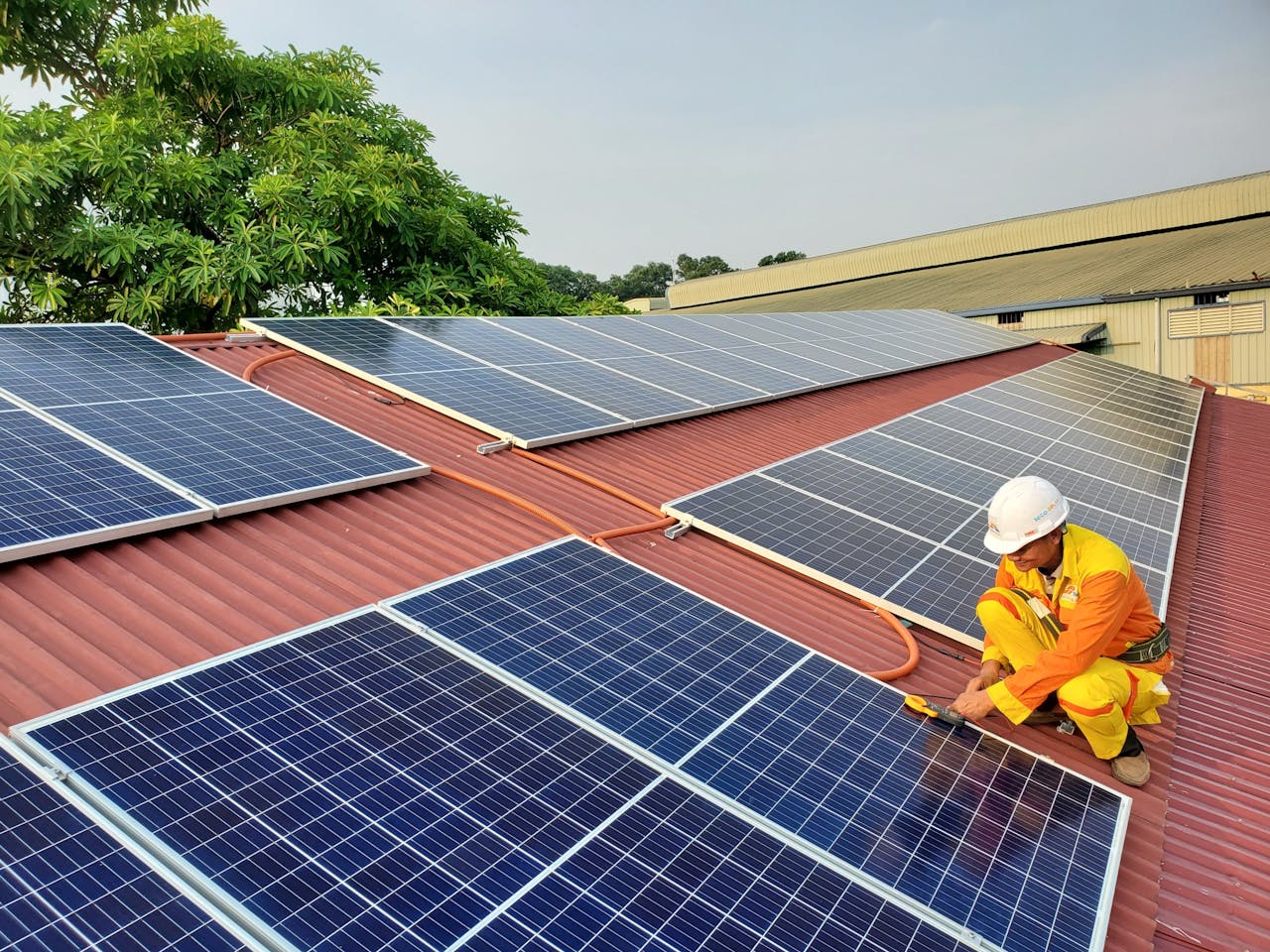
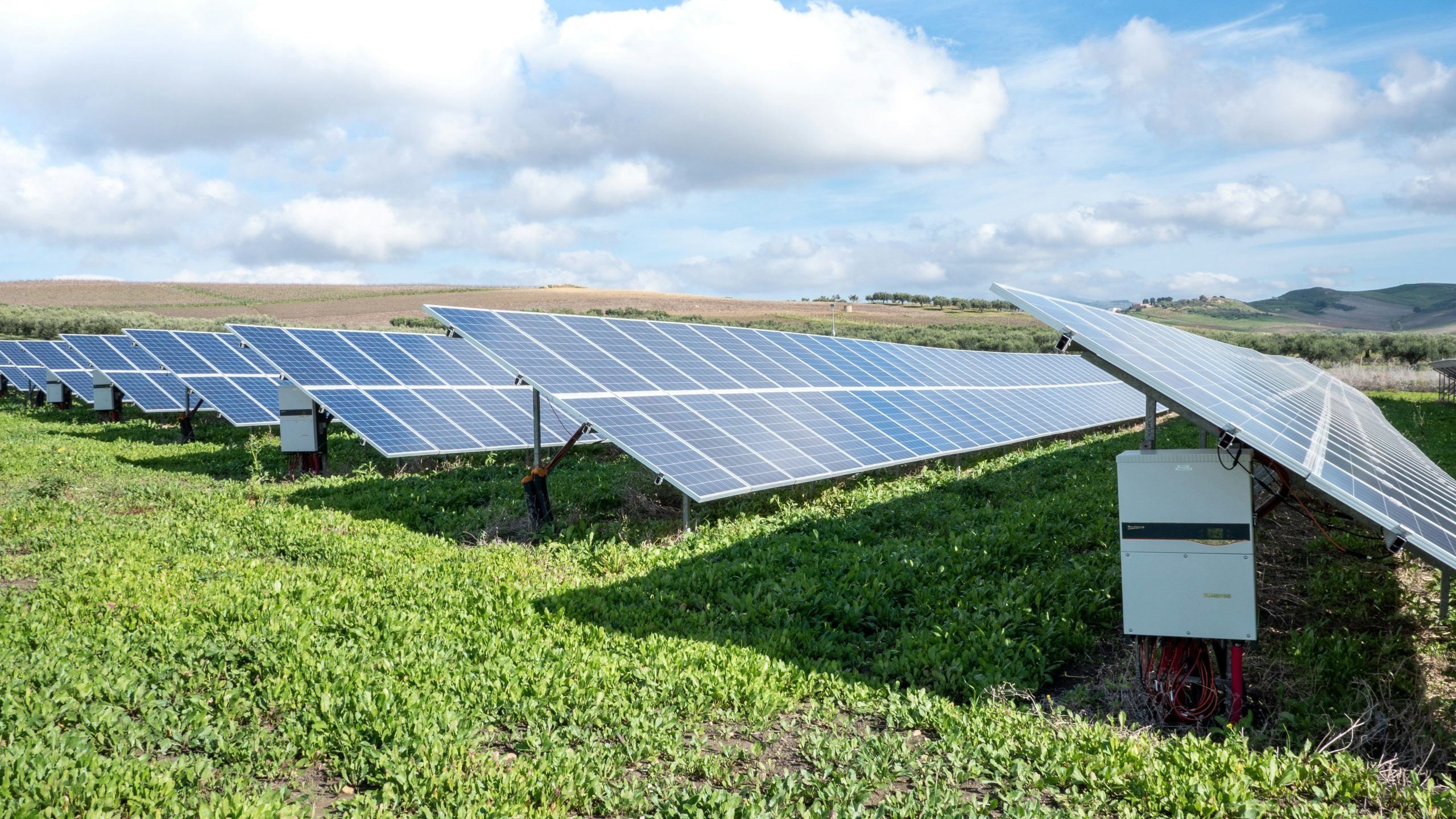
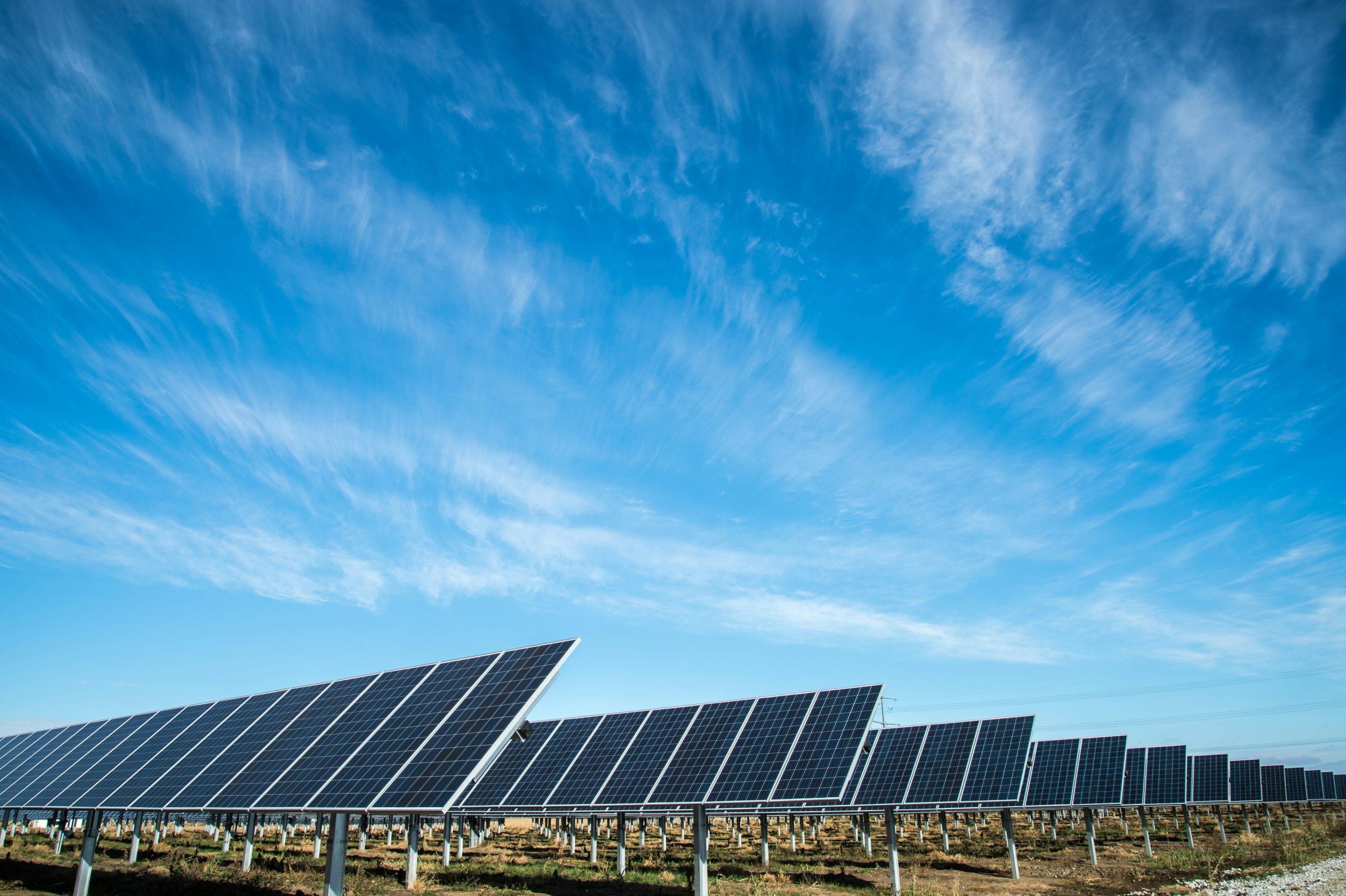
该规划还设定了太阳能发电容量目标:到2030年达到12,000 MW,相当于当年能源总产量的3.3%;2020—2030年期间,发电容量的复合年增长率为30%。.

就太阳能潜力而言,越南拥有广阔的太阳能资源,平均全球水平辐照度(GHI)为1,200-2,000 kWh/m2/年,在东南亚地区相对较高。越南中部和南部地区的平均GHI为1753 kWh/m2/年,为太阳能开发项目提供了更具可行性的投资机会。.

太阳能领域新兴外资投资
根据《Vietnam Electricity 2017年年度报告》,在越南,国有企业主导全国电力生产;Vietnam Electricity(EVN)、PetroVietnam和Vinacomin合计占总装机容量的76,1 %,而BOT项目及其他投资者占其余全部23,9%。然而,越南电力市场正经历根本性变化,私人部门参与可再生能源生产的程度不断提高。伴随这一趋势,太阳能开发已成为吸引外国投资者的市场。.
越南工贸部(MOIT)宣布,截至2019年9月底,已有121个太阳能电站项目获批纳入省级和国家电力规划,预计到2030年的总装机容量为7200 MW,其中25个项目已成功与EVN签署PPA。此外,还有221个项目、总登记容量达13,000 MW,正在等待批准。.
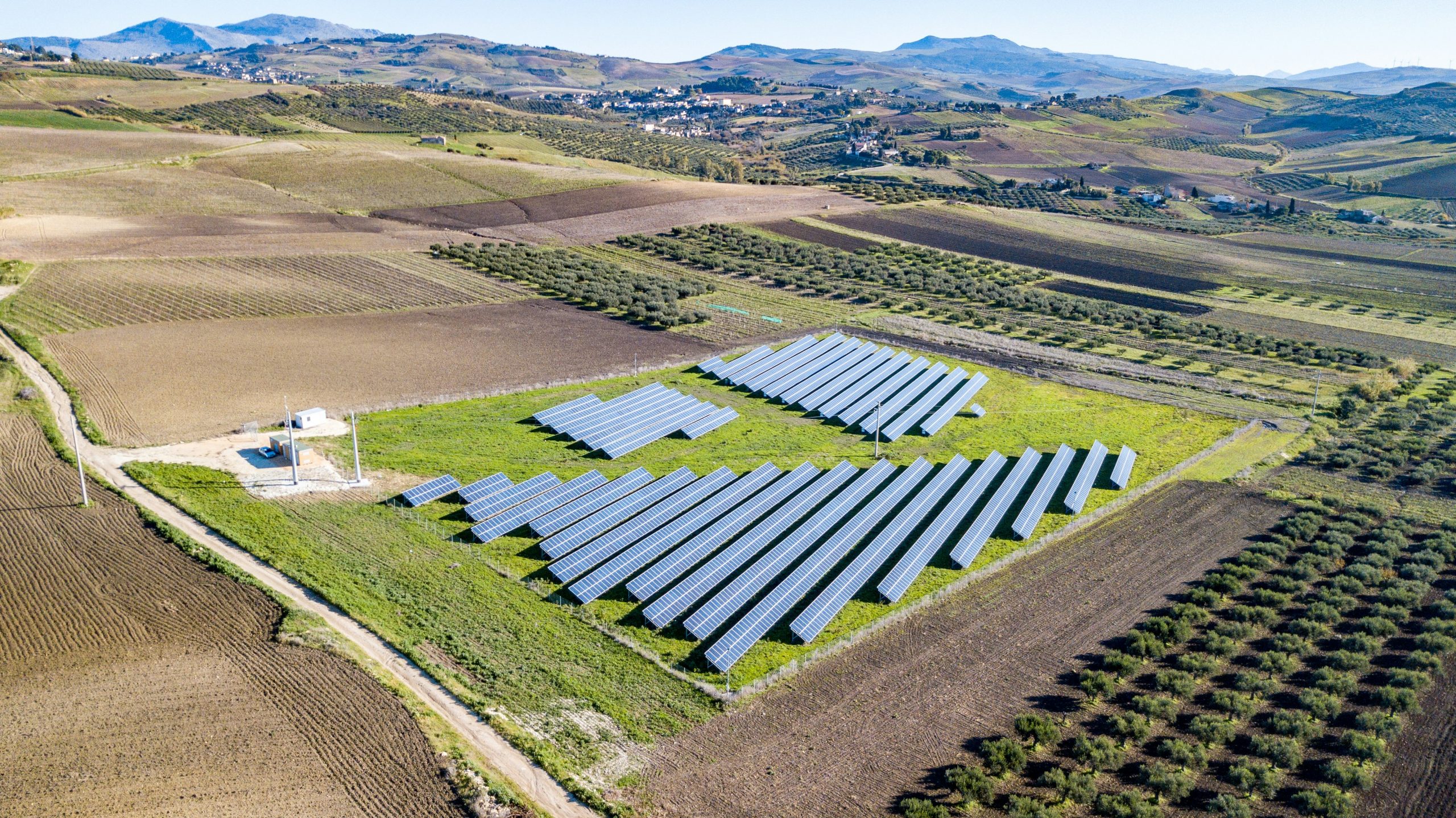
目前最大的外资投资项目是Sunseap International(新加坡)与InfraCo Asia在宁顺省的合资企业,装机容量为168 MWp,预计可为多达20万户家庭供电。其他大型项目还包括由BS Heidelberg Solar在清化省开发的Thanh Hoa 1项目(160 MWp)以及位于平定省的Fujiwara项目(50 MW)。.
根据GIZ于2016年开展的分析,在保守情景下,投资者可预期越南太阳能项目的股权内部收益率(税前)介于5%至近18%之间;在乐观情景下,则介于8%至21%之间。.
支持性的政府政策是潜在投资者的一个重要亮点。近期,第11/2017/QĐ-TTG号决定于2017年6月1日至2019年6月30日生效,为太阳能发电开发项目投资推出了优惠机制。.
根据该决定,20年期固定上网电价(FIT)和净计量信用额度确定为9.35美分/千瓦时,并根据越南盾/美元汇率进行调整,适用于商业运营日期(COD)截至2019年6月30日的项目。与风电上网电价相比,该电价被认为对投资者相当有利 (即陆上项目为8.5美分/千瓦时;海上项目为9.8美分/千瓦时)以及商业零售电价(即8.1美分/千瓦时)。该优惠机制还包括税收激励,例如企业所得税(CIT)免税和减税、作为固定资产进口的货物免征进口关税,以及土地优惠。.
然而,越南太阳能市场仍处于发展初期。法律和运营风险仍是投资者应预见的典型挑战,例如:
- PPA条款对投资者而言是固定且不可协商的
- 许可和场地清理流程冗长且复杂,可能导致项目延期并错过计划的商业运营日期
- 输电线路过载:输电线路只能消纳部分发电量,因此EVN无法为全部已发电量付款,或选择限发可再生能源电力以保护输电线路
总体而言,较高的太阳辐照度以及政府对太阳能投资的支持机制,为市场发展奠定了良好基础。就当前情况而言,外国投资者可考虑与国内合作伙伴协作,利用其优势以便利运营许可及相关事宜;同时,自身则可专注于提供先进技术和充足资金。COD之后,外国开发商可逐步考虑在当地合作伙伴退出股权的同时提高自身持股比例。.