

 Tiếng Việt
  English
  日本語
日本語  简体中文
简体中文  한국어
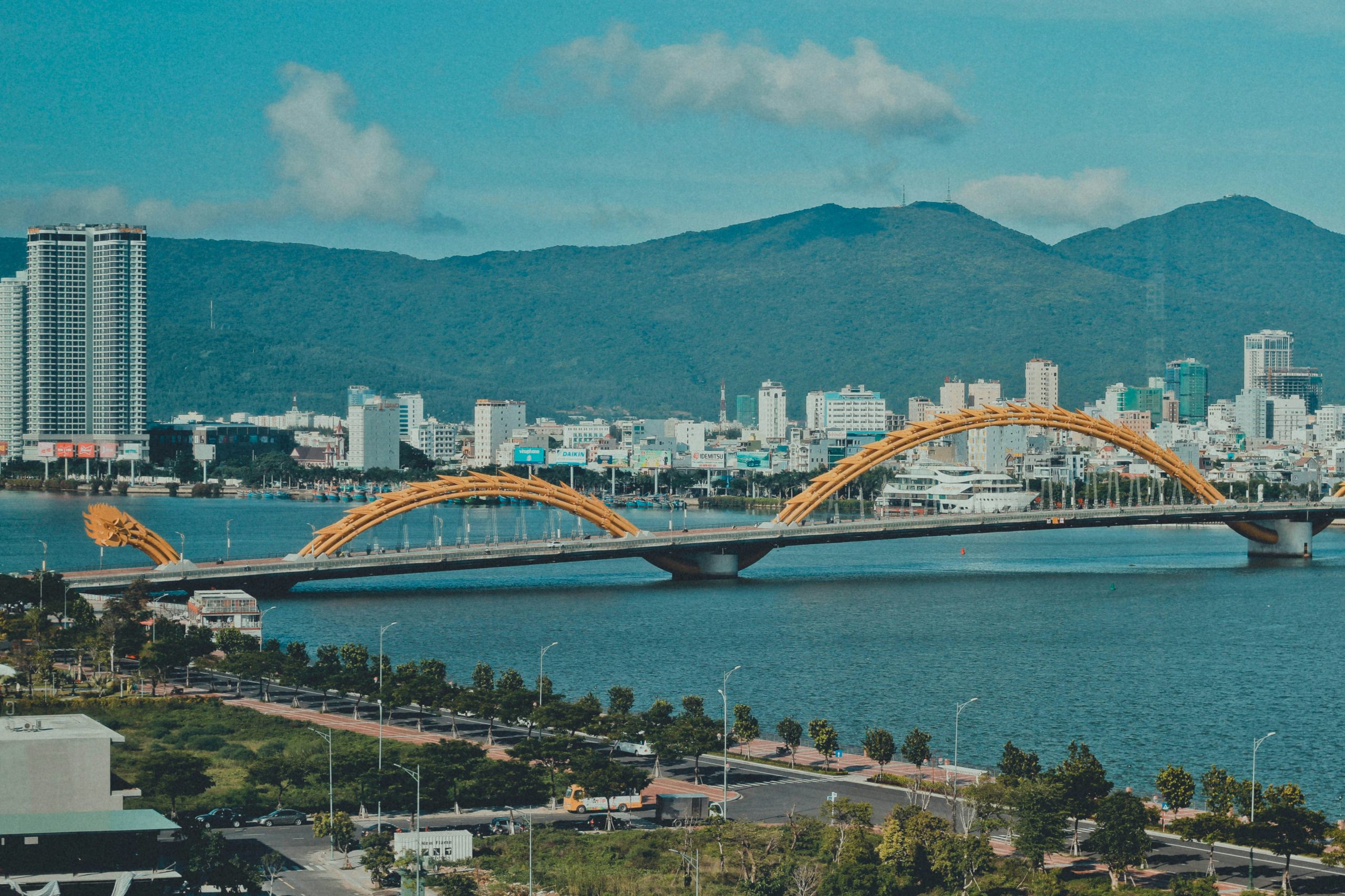
한국어 Đà Nẵng, thành phố lớn nhất ở các tỉnh miền Trung, đóng vai trò là trung tâm kinh tế, văn hóa năng động của khu vực miền Trung.
15/04/2025
Tin tức & Báo cáo mới nhất / Vietnam Briefing
Bình luận: Không có bình luận.
Da Nang, thành phố lớn nhất tại các tỉnh miền Trung, là trung tâm kinh tế và văn hóa năng động của khu vực miền Trung. Vị trí chiến lược, cơ sở hạ tầng vững mạnh, lực lượng lao động có kỹ năng và các cơ hội đầu tư đa dạng khiến thành phố trở thành điểm đến hấp dẫn đối với các nhà đầu tư nước ngoài.
Vị trí
Nằm dọc bờ biển phía đông Việt Nam, tại cửa sông Hàn, Đà Nẵng sở hữu vị trí đắc địa với vai trò là một thành phố cảng. Thành phố nằm gần như ở giữa Hà Nội ở phía bắc và Thành phố Hồ Chí Minh ở phía nam, trở thành cửa ngõ then chốt cho hoạt động thương mại và du lịch. Thành phố giáp tỉnh Quảng Nam ở phía nam và tỉnh Thừa Thiên–Huế ở phía bắc, đồng thời nằm trong phạm vi tiếp cận của một số Di sản Thế giới UNESCO, bao gồm Quần thể di tích Cố đô Huế, Phố cổ Hội An và Thánh địa Mỹ Sơn. Vị trí chiến lược của Đà Nẵng giúp dễ dàng tiếp cận các thị trường trong nước và quốc tế trọng điểm, củng cố vai trò của thành phố như một trung tâm kinh tế của miền Trung Việt Nam.
Thành phố Đà Nẵng trên bản đồ quốc gia
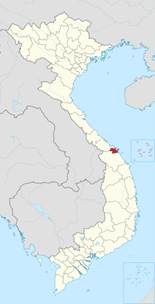
Nguồn: Wikipedia
Cơ sở hạ tầng
Da Nang sở hữu hệ thống cơ sở hạ tầng hiện đại và hiệu quả, xếp thứ 4 tại Việt Nam về phát triển cơ sở hạ tầng vào năm 2022[1]. Hạ tầng giao thông của thành phố được đánh giá cao, trong đó Sân bay Quốc tế Đà Nẵng là một trong ba cửa ngõ quốc tế lớn nhất Việt Nam, cung cấp các chuyến bay đến nhiều điểm đến trong nước và quốc tế. Thành phố cũng là giao điểm quan trọng của Quốc lộ 1A và tuyến Đường sắt Bắc–Nam, tạo điều kiện kết nối thuận tiện trên toàn quốc. Hệ thống cảng của thành phố, bao gồm Cảng Tiên Sa và Cảng sông Hàn, đóng vai trò quan trọng trong vận chuyển hàng hóa và thúc đẩy thương mại khu vực.
Đà Nẵng đang tích cực phát triển hạ tầng công nghiệp, với các khu công nghiệp lớn như Khu công nghiệp Hòa Cầm và Khu công nghiệp Liên Chiểu, đóng góp đáng kể vào phát triển kinh tế của thành phố. Hiện nay, thành phố có mạng lưới khu công nghiệp đa dạng, bao gồm 6 khu công nghiệp chính và một khu công nghệ cao, thu hút cả nhà đầu tư trong nước và nước ngoài. Các khu công nghiệp này chủ yếu tập trung vào những lĩnh vực như chế biến nông sản, thủy sản, cơ khí, điện tử và công nghệ cao, qua đó tiếp tục thúc đẩy sự phát triển của các ngành công nghiệp mũi nhọn.
Trong thời gian tới, chiến lược phát triển hạ tầng của Đà Nẵng sẽ tập trung vào việc mở rộng và nâng cấp hệ thống giao thông, phát triển các khu công nghiệp thông minh, đồng thời xây dựng hạ tầng hỗ trợ du lịch, thương mại và Công nghiệp 4.0. Các khu công nghiệp sẽ tiếp tục được mở rộng, đặc biệt là các khu công nghiệp và cụm công nghiệp mới như Khu công nghiệp Hòa Liên và CCN Hòa Khánh Nam, nhằm củng cố vị thế của thành phố cả ở cấp khu vực và quốc tế.
Thị trường lao động
Lực lượng lao động của Đà Nẵng có đặc điểm nổi bật là trẻ và năng động. Lực lượng lao động chiếm hơn 66% dân số, với tổng số khoảng 633.600 lao động[2], tương đương 1.2% lực lượng lao động cả nước vào năm 2023. Thu nhập bình quân đầu người hàng tháng đạt khoảng 6,2 triệu đồng. Lực lượng lao động của thành phố tập trung vào các ngành thương mại, sửa chữa, sản xuất và chế biến, lưu trú và dịch vụ ăn uống. Trong những năm gần đây, tỷ lệ lao động qua đào tạo tại Đà Nẵng liên tục tăng, từ 41.73% năm 2015 lên 48.15% năm 2021. Đáng chú ý, tỷ lệ lao động có trình độ đại học và đào tạo nghề trung cấp ghi nhận mức tăng đáng kể nhất. Đến năm 2021, hơn một phần tư lực lượng lao động tại Đà Nẵng có bằng đại học trở lên (tăng từ 22.08% năm 2015), và hơn 10% có trình độ đào tạo nghề trung cấp (tăng từ 5.53% năm 2015). So với mức trung bình cả nước, Đà Nẵng có thứ hạng cao về tỷ lệ lao động qua đào tạo có bằng cấp, đứng đầu vào năm 2010 và đứng thứ hai vào năm 2020.[3]

Bài viết liên quan














Đăng nhập / Đăng ký
Tiếp tục mà không cần tài khoản
Đăng nhập / Đăng ký
ĐĂNG KÝ NHẬN BẢN TIN