
2035年までの循環経済実施に向けたベトナム国家行動計画

ベトナムの2035年までの循環型経済国家行動計画は、持続可能な経済成長を確保しながら環境問題に取り組むことを目指しています。
2025年2月20日

B&Company

最新ニュースとレポート / ベトナムブリーフィング

コメント: コメントはまだありません.

B&Companyは、2008年からベトナムにおいて市場調査および投資コンサルティングを専門とする日本の初の企業です。.

この「ベトナム速報」セクションでは、B&Companyの若手研究者たちが、ベトナムの産業動向、消費動向、社会運動に関する最新情報をお届けします。.

この記事は英語で書かれ、他の言語バージョンには自動翻訳が使用されています。正確なコンテンツのために、英語版をご参照ください。原情報の正確性を確保するよう努めていますが、各情報については別途確認してください。解釈や将来の展望は各研究者の個人的な意見です。.

Vietnam’s National Action Plan for a Circular Economy until 2035 aims to tackle environmental challenges while ensuring sustainable economic growth. With increasing resource depletion and pollution, the government is focusing on waste reduction, renewable energy, and resource efficiency.

The current state of Vietnam’s Environment and Economic

Vietnam’s economy is growing strongly, with GDP surpassing 476 billion USD in 2024, marking a 7% increase compared to 2023[2]. The industrial sector has seen remarkable growth, with the industrial production index rising by over 8% year-over-year[3]. Additionally, the country’s urbanization rate has exceeded 44%, reflecting a 16% increase from the previous year[4].

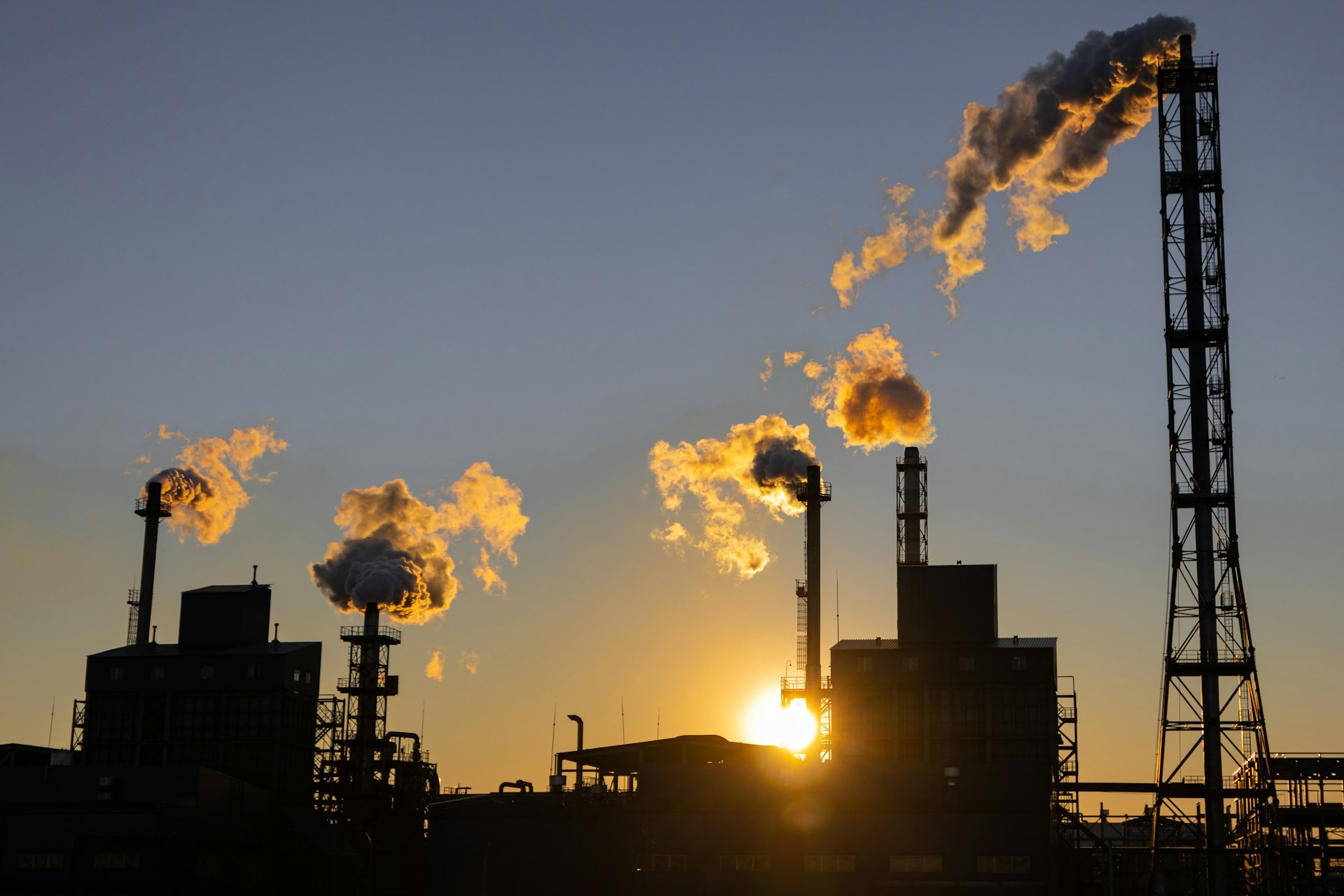
However, the rapid expansion of industrial production and urbanization has put Vietnam’s environment in a critical situation. In 2024, the country generates approximately 60,000 tons of waste daily, with urban areas accounting for over 60% of this volume[5]. As of 2023, 55% of waste is disposed of through unsanitary landfilling, 20% is managed through open burning, and only 10% is properly treated and recycled[6]. To address this pressing issue, the government has introduced the National Action Plan for Implementing the Circular Economy until 2035, providing a clear roadmap to improve waste management, enhance recycling efforts, and transition toward a sustainable economy.

Government Plan for Circular Economy

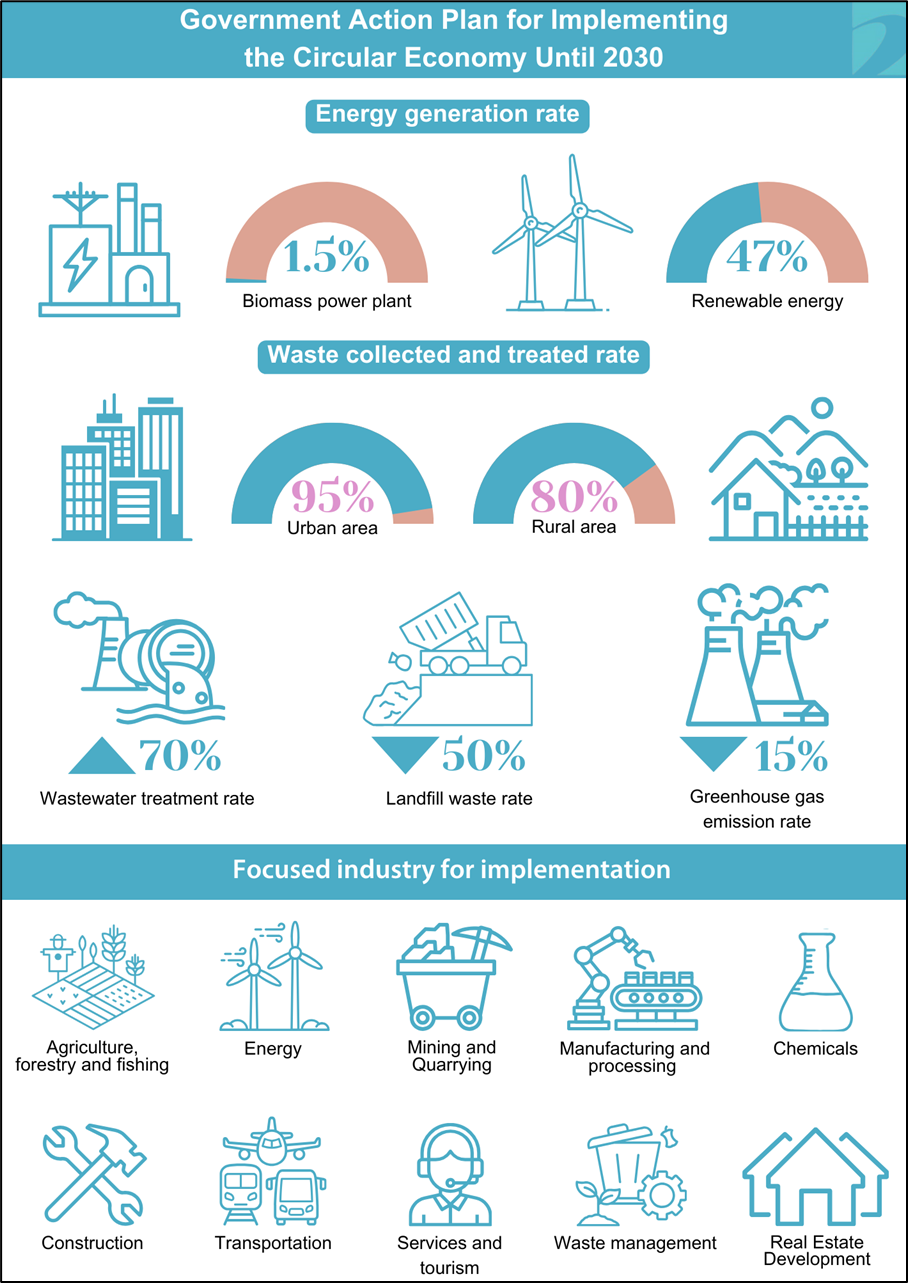
On January 23, 2025, the Deputy Prime Minister signed Decision No. 222/QĐ-TTg, approving the National Action Plan for Implementing the Circular Economy until 2035. With a clear and quantifiable goal for 2030, the government aims to promote renewable energy production, maximize material reuse, minimize waste generation, and reduce negative environmental impacts.

Government Plan for Circular Economy

出典: トゥヴィエンファプルアット

In addition, the government aims for Vietnam to become a leading innovation hub in the ASEAN Economic Community (AEC) by 2035. The goal is to position the country as a key provider of technology, equipment, products, services, and investment for the circular economy. At the same time, Vietnam is committed to enhancing resource efficiency, protecting the environment, adapting to climate change, and ensuring sustainable development.

Challenges for Implementation

Implementing a circular economy requires systemic changes across industries, policy frameworks, and consumer behavior, which present several obstacles. Firstly, one of the biggest challenges in adopting the circular economy in Vietnam is the lack of awareness and understanding of this model, particularly among businesses and the general public. In many cases, people have yet to develop habits of reusing, recycling, and minimizing waste in their daily lives. According to a 2023 survey by the Hanoi Natural Resources & Environment Department, 80.6% of households and 75.5% of businesses reported a lack of motivation to segregate waste at the source, as classified waste is ultimately mixed together during collection and sent for centralized treatment[7]. Secondly, Vietnam’s infrastructure and technology remain insufficient to meet the requirements of a circular economy. Despite improvements in waste collection, treatment, and recycling, both urban and rural areas still lack adequate waste processing and recycling facilities[8]. Finally, financial constraints pose another significant challenge. Implementing circular economy models requires substantial investment in technology, infrastructure, and workforce training. This is particularly difficult for small and medium-sized enterprises, which often face limited access to funding and financial resources[9].

投資先ではなく「事業パートナー」として見る

ログインまたは無料会員登録をして、続きを読むにははこちら。

関連記事

ニュースレターを購読する