

 English
  日本語
日本語  Tiếng Việt
  简体中文
简体中文  한국어
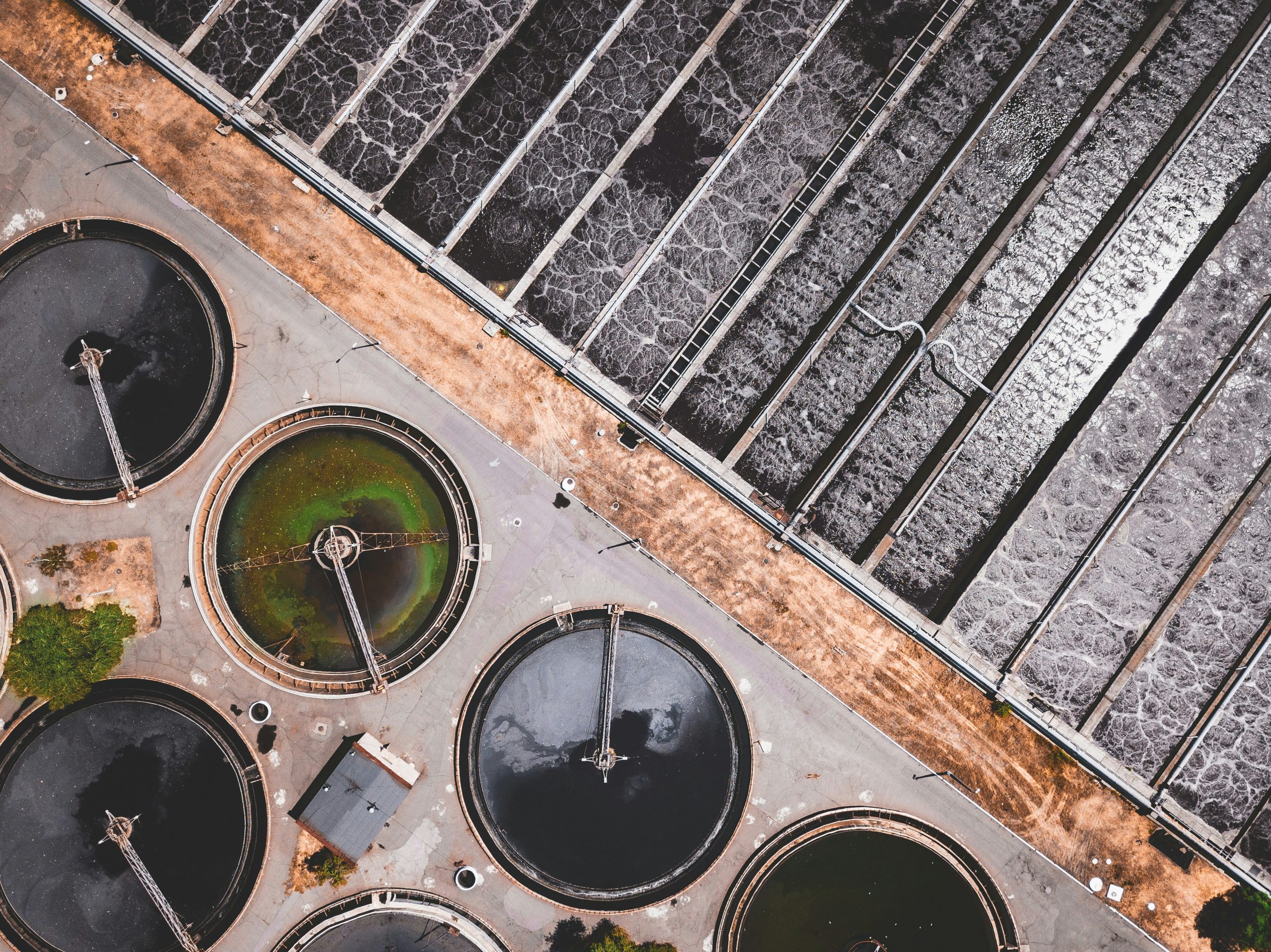
한국어 The recent trial operation of the Yen Xa Wastewater Treatment Plant, the largest in Northern Vietnam, marks a pivotal step towards addressing these environmental concerns.
03Jan2025
Latest News & Report / Vietnam Briefing
Comments: No Comments.
Hanoi, the capital city of Vietnam, has been grappling with significant water pollution challenges due to rapid urbanization and industrialization. The recent trial operation of the Yen Xa Wastewater Treatment Plant, the largest in Northern Vietnam, marks a pivotal step towards addressing these environmental concerns.
Overview of wastewater and water pollution situation in Hanoi
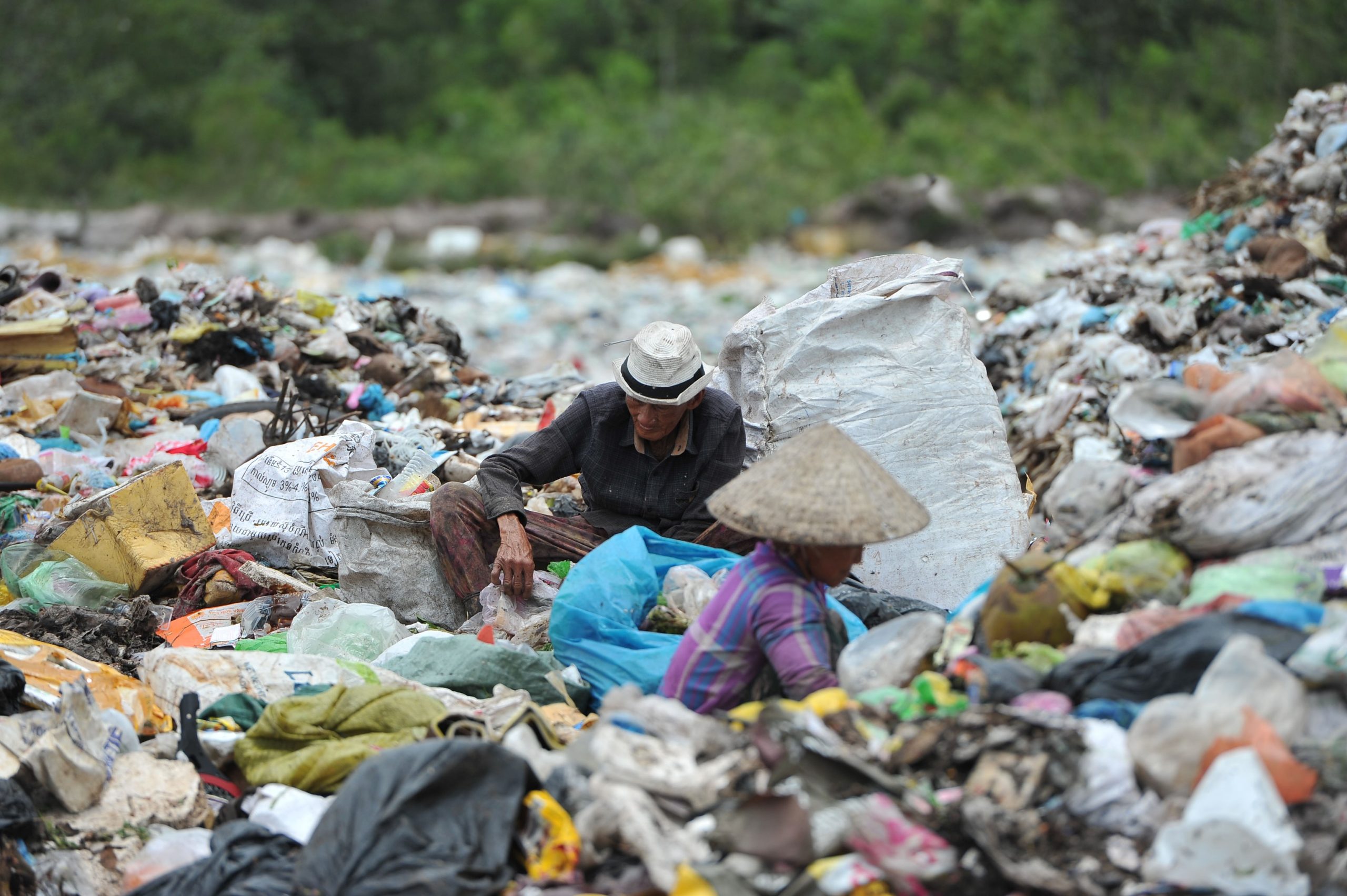
Hanoi has suffered from severe pollution attributed to untreated domestic sewage and industrial effluents. The Ministry of Natural Resources and Environment (MoRNE) estimated that production, business, and household activities in Hanoi generated about 300,000 tonnes of wastewater in 2022[1], which increased to 400,000 tonnes in 2024[2]. However, the treament capability of the city is limited, leaving a substantial portion discharged untreated into natural water bodies[3]. The wastewater treatment infrastructure for industrial wastes is inadequate with outdated equipment and production technologies, and only 60% of industrial clusters have a centralized water treatment system[4].
A section of To Lich River, one of the most polluted rivers in Hanoi
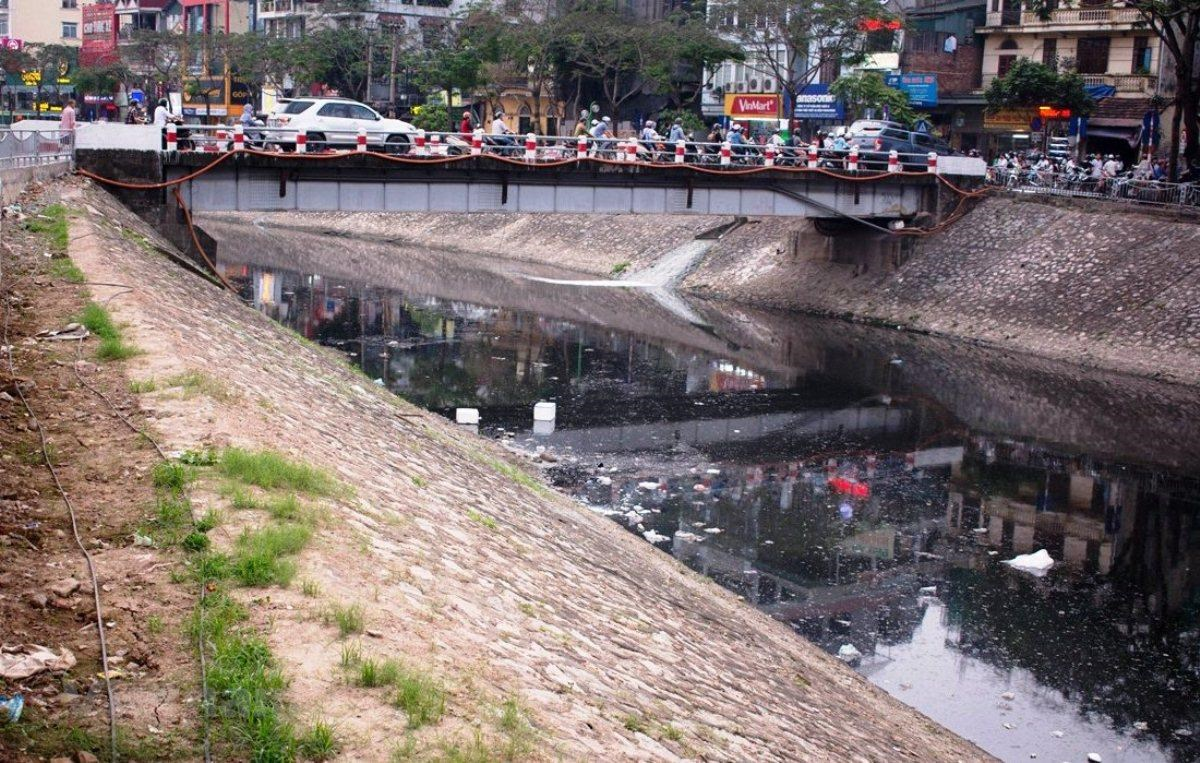
Source: Journal of Economics and Environment
Such a large volume of domestic wastewater with one-third of it coming from industrial wastewater[5] results in most of the rivers and lakes in Hanoi are polluted with physical, chemical, and domestic waste[6]. The levels of NO2 and NO3 are high, and BOD5 exceeds the permissible limits (PCL) by up to three times, with some lakes near residential areas exceeding the limit by 100 to 200 times[7]. The pollution threatens the livelihood of citizens around these water bodies, with spikes malaria cases, eyesores and other diseases[8]. World Bank reported that such water pollution in Vietnam could resulted in a 3.5% loss of GDP annually[9].
Current water treatment situation in Hanoi
In response to the growing water pollution problem, the city of Hanoi has recognized the need for a more comprehensive wastewater management strategy. Development plan No. 189/KH-UBND in 2013 and Development plan No. 312/KH-UBND in 2021 has gradually built and developed the wastewater collection and treatment system for Hanoi’s metropolitan areas[10] [11]. The plans suceeded in utilizing Japanese ODA loans and local collaboration to put serveral wastewater treatment plants into operation.
Table 1: Domestic wastewater treatment plants in operation in Hanoi
| No. | Plant Name | Location (District) | Year | Treatment Capacity
(m3/day-night) |
Investment method |
| 1 | Yen So | Hoang Mai | 2013 | 200,000 | Build – Transfer |
| 2 | Van Tri – Thanh Long North | Dong Anh | 2009 | 42,000 | ODA (Japanese) |
| 3 | Tay Ho | Tay Ho | 2009 | 15,500 | Build – Transfer |
| 4 | Bay Mau | Hai Ba Trung | 2016 | 13,300 | ODA (Japanese) |
| 5 | Kim Lien | Dong Da | 2005 | 3,700 | ODA (Japanese) |
| 6 | Truc Bach | Ba Dinh | 2005 | 2,300 | ODA (Japanese) |
Source: TVPL, B&Company synthesis
Related article















Log in / Register
Continue without an account
Log in / Register
SUBSCRIBE NEWSLETTER