

 English
  日本語
日本語  Tiếng Việt
  简体中文
简体中文  한국어
한국어 This article explores Vietnam’s transition to biodegradable packaging, its growth potential, and existing challenges.
04Mar2025
Latest News & Report / Vietnam Briefing
Comments: No Comments.
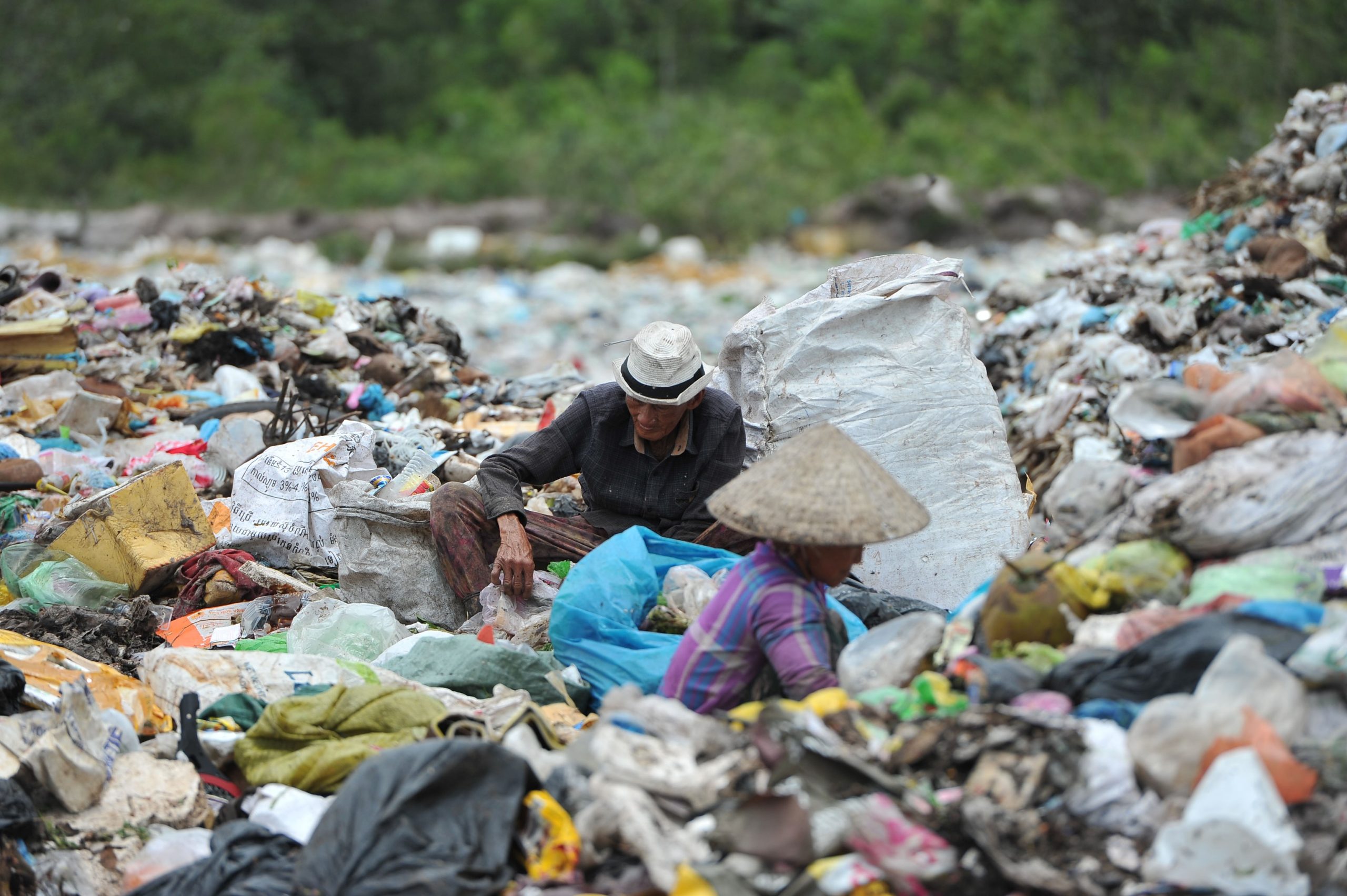
Vietnam faces a growing plastic waste crisis, with single-use plastics causing significant pollution. As sustainability awareness rises, businesses and consumers seek eco-friendly alternatives. Biodegradable packaging is a promising solution that can decompose faster and reduce environmental harm. This article explores Vietnam’s transition to biodegradable packaging, its growth potential, and existing challenges.
The plastic waste crisis in Vietnam
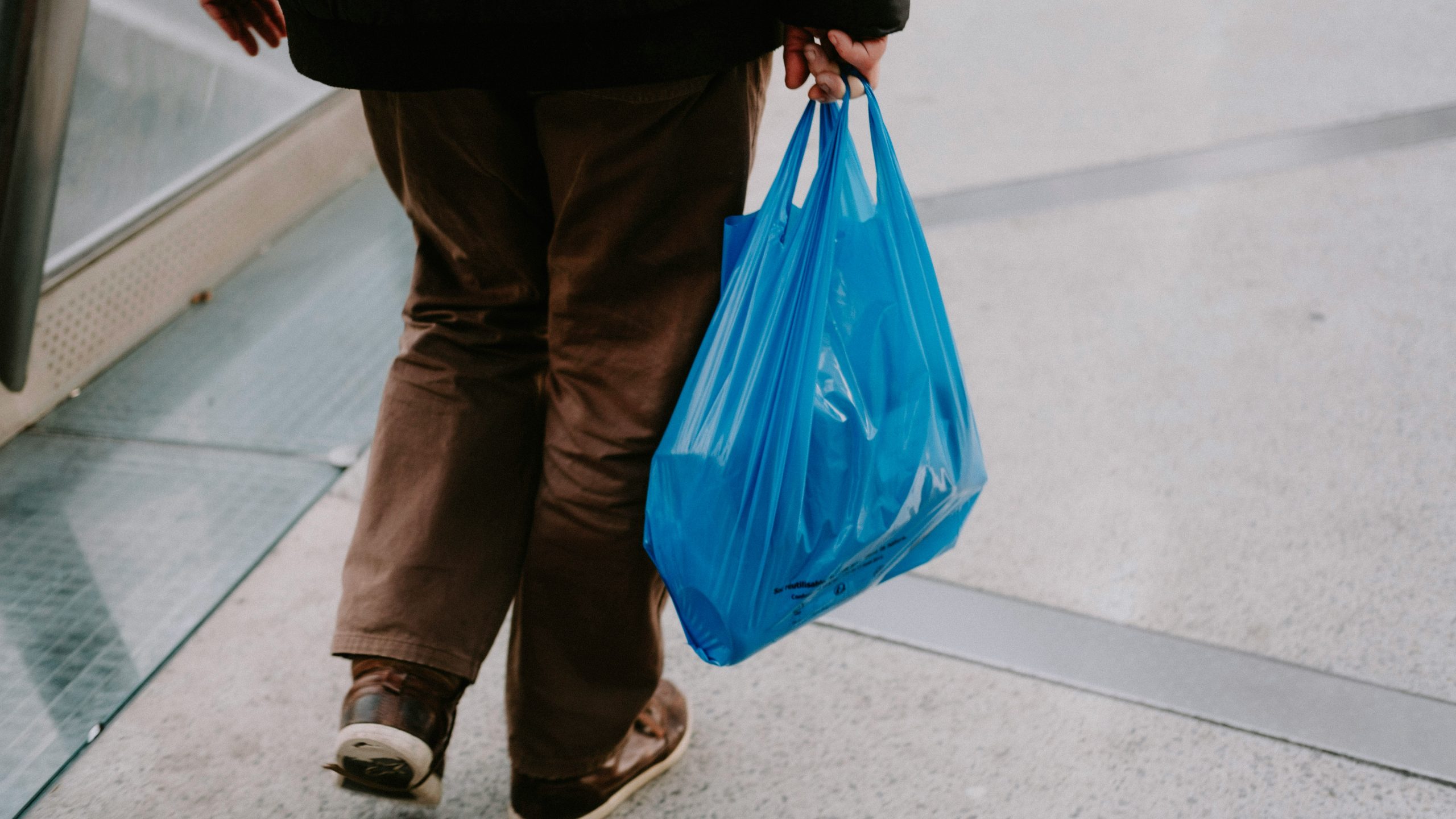
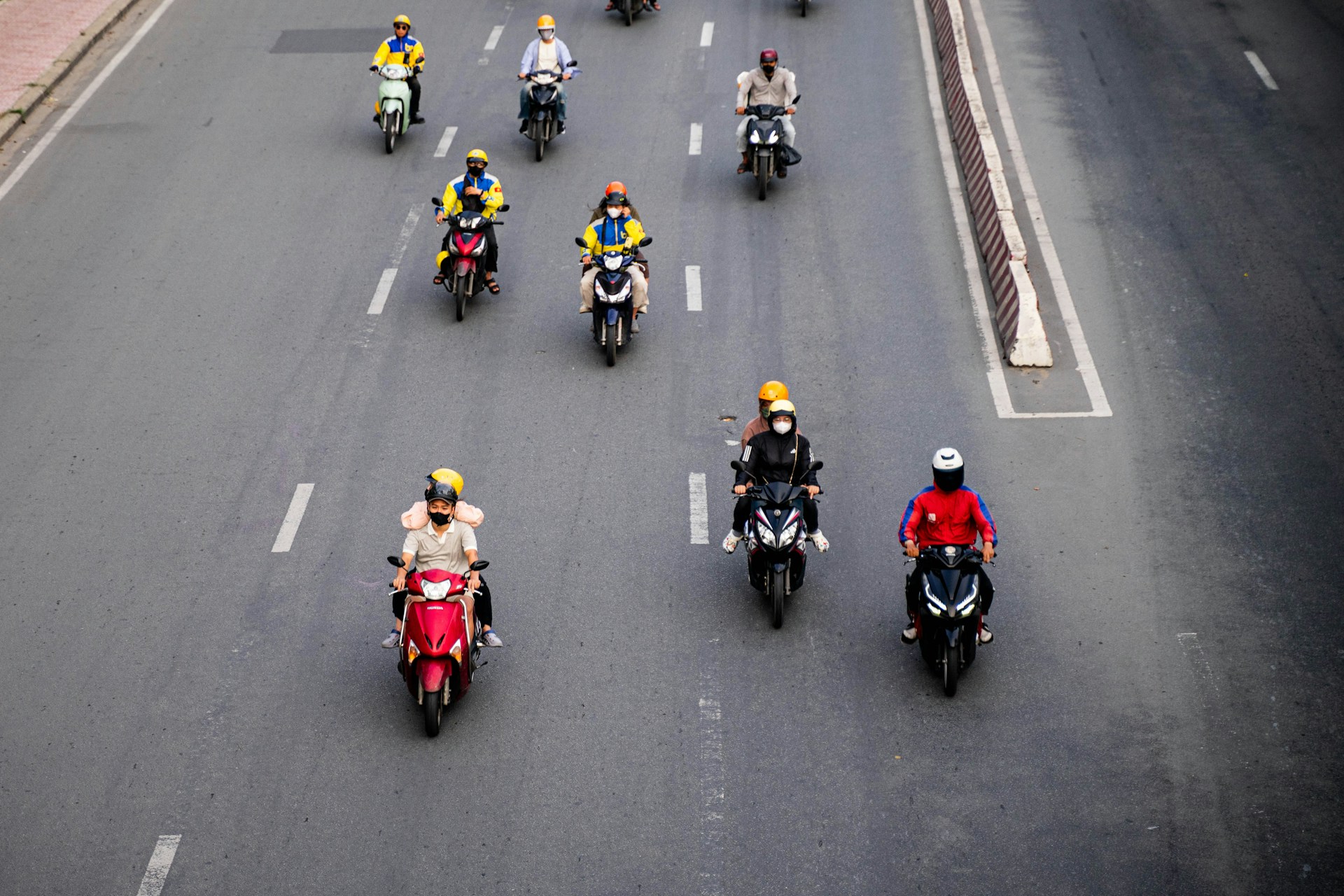
According to a joint study by WWF-Vietnam and the Ministry of Natural Resources and Environment, Vietnam discharges approximately 1.8 million tons of plastic waste into the ocean annually, ranking among the top Asian countries contributing to ocean plastic pollution[1]. Notably, one-third of this waste consists of plastic bags, with over 80% being discarded after a single use[2]. The Plastic Waste Pollution Analysis Report in Vietnam indicates that most plastic waste into the ocean comes from food packaging for takeout (accounting for 44% of total waste), fishery-related waste (33%), and household waste (22%)[3].
The increase in plastic waste can be attributed to the booming economy and industrial growth, particularly in sectors such as food & beverage (F&B), e-commerce, and retail, as well as agricultural production activities. The prevalence of food packaging waste can be explained by the widespread popularity of takeout and delivery services, leading to the extensive use of single-use food containers, cups, and plastic straws. Additionally, the growth of the fast-moving consumer goods (FMCG) industry, retail sector, and e-commerce has also contributed to plastic waste through the use of plastic packaging for various products. The agriculture sector in Vietnam is also making a significant contribution to annual plastic waste generation (over 1 million tons of plastic waste produced), with a wide range of products such as animal feed packaging, agricultural pesticides, veterinary medicine, as well as fishing tools and equipment, etc[4].
Given this pressing challenge, there is an urgent need for change in Vietnam’s approach to packaging. The adoption of alternative and environmentally friendly packaging solutions is not only a necessity but an inevitable transition to align with global sustainability trends and mitigate long-term environmental damage.
The push for sustainable packaging: Policy and Consumer motivation
The transition to eco-friendly packaging in Vietnam is largely influenced by government policies, shifting consumer preferences and market demand.
The Vietnamese government has taken strong regulatory measures to curb plastic waste. According to Article 64 of Decree No. 08/2022/ND-CP, effective January 1, 2026, single-use plastics and non-biodegradable plastic packaging will be banned in shopping malls, supermarkets, hotels, and tourist areas (except for specific product packaging)[5]. Furthermore, by 2031, the production and import of single-use plastics and microplastic-containing products will be completely prohibited, except for export purposes or specialized applications[6]. Additionally, the government has introduced tax incentives and support policies for companies investing in eco-friendly packaging solutions, encouraging businesses to transition towards sustainable alternatives.
Vietnamese consumers are becoming more conscious of environmental issues, leading to a growing preference for sustainable packaging. A market survey revealed that 57.4% of Vietnamese consumers are willing to pay extra for eco-friendly packaging if the price difference is reasonable, while 41.1% actively choose sustainable packaging when available[7].
Foreign market requirements are also shaping Vietnam’s packaging industry. Some Vietnamese exporters have lost contracts to international competitors due to failure to meet sustainable packaging standards[8]. For example, several Vietnamese shrimp exporters lost access to the EU market, whereas Thai competitors succeeded by offering biodegradable or recyclable packaging solutions[9].
The rise of biodegradable packaging in Vietnam
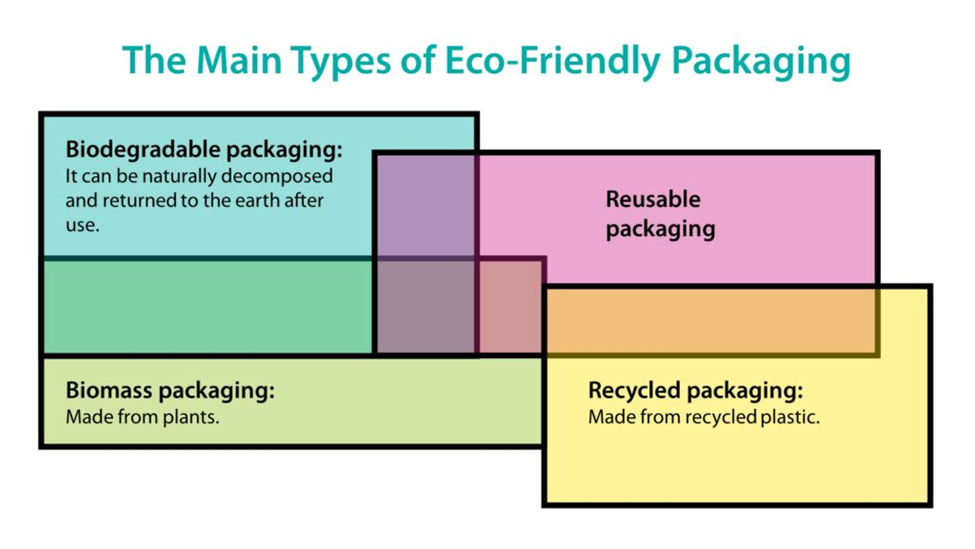
Facing the alarming situation of plastic bag consumption and driven by government policies and customer preferences, the Vietnamese market is gradually shifting towards more environmentally friendly packaging solutions. The market has seen the emergence of various types of sustainable packaging, such as reusable packaging, recycled packaging, biomass packaging, and especially, the biodegradable packaging.

Related article











Log in / Register
Continue without an account
Log in / Register
SUBSCRIBE NEWSLETTER