

 English
  日本語
日本語  Tiếng Việt
  简体中文
简体中文  한국어
한국어 In November 2020, the government has implemented Law No. 72/2020/QH14, effective from 2022, that requires all households and businesses to classify waste at the source into recyclable, organic, and other waste by January 2025.
13Jan2025
Latest News & Report / Vietnam Briefing
Comments: No Comments.
Vietnam’s current situation of waste management
Vietnam generates approximately 60 thousand tons of waste daily, with urban areas contributing over 60% of this volume. Ha Noi, Da Nang, and Ho Chi Minh City alone generated over 20 thousand tons of daily waste. A significant portion is household waste, followed by industrial, agricultural, and medical waste[1].
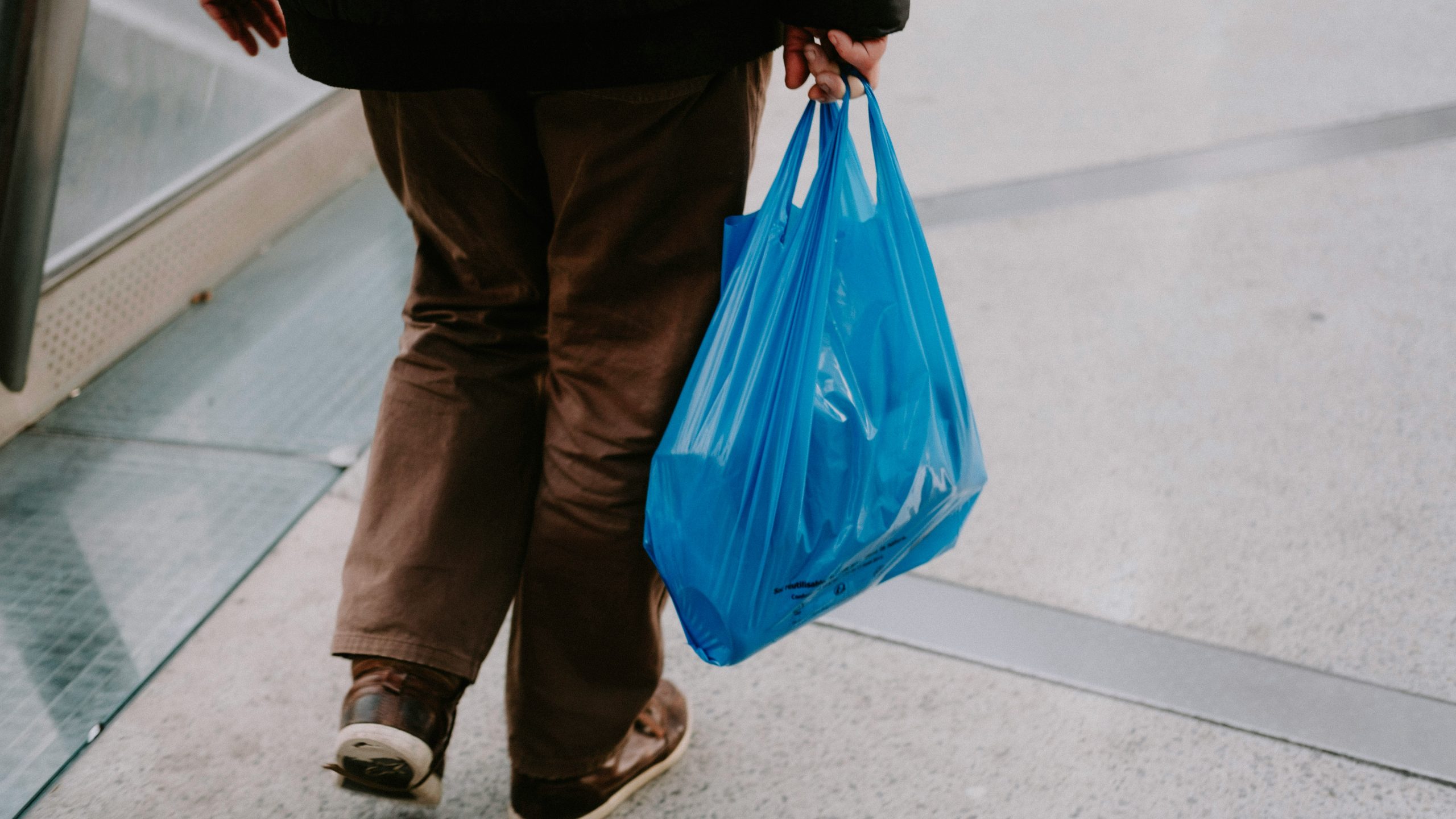
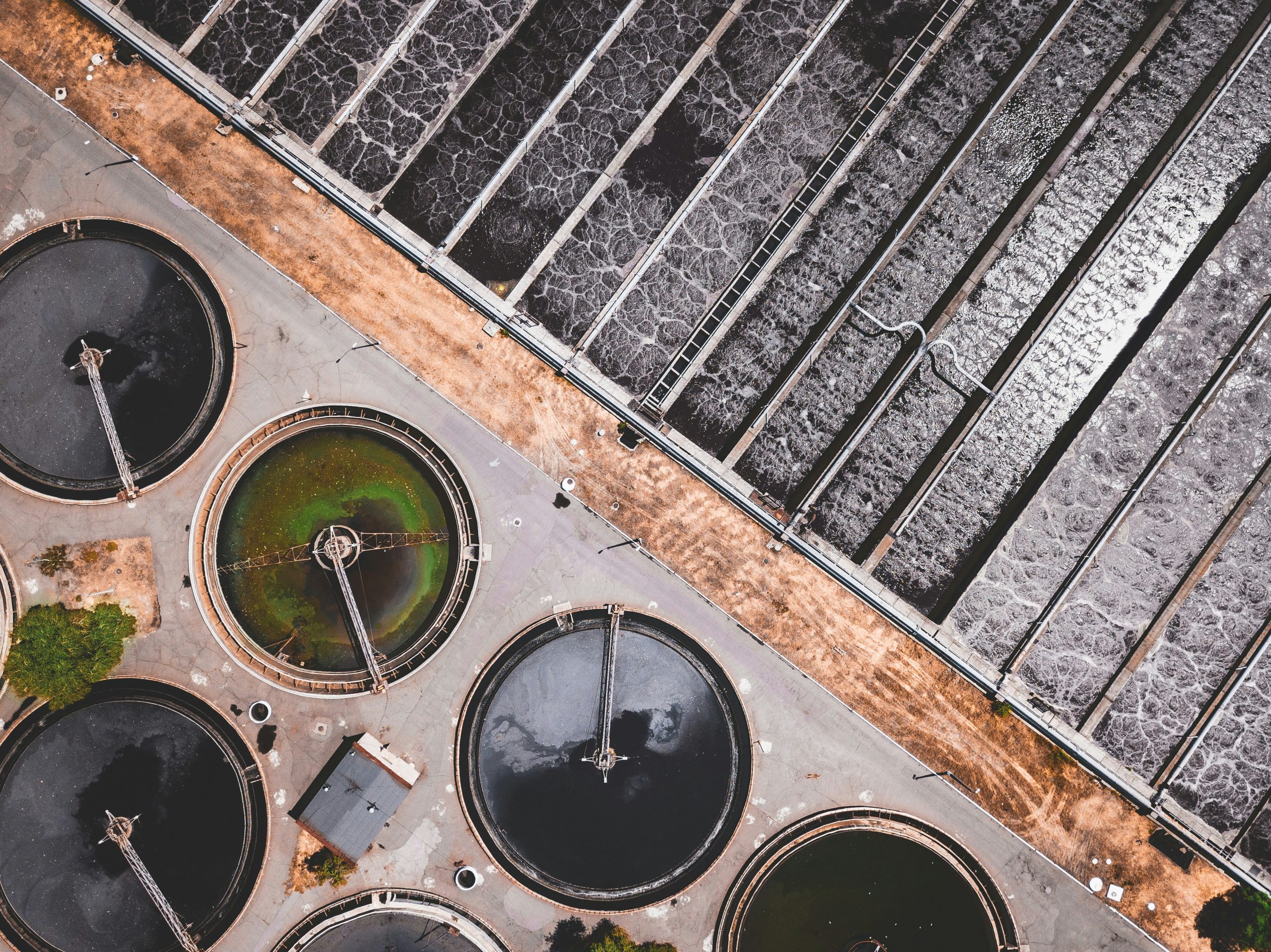
Waste treatment in Vietnam remains largely manual and rudimentary. As of 2023, 55% of waste is disposed of through unsanitary landfilling, 20% is managed through open burning, and only 10% of the total waste is properly treated. Those poorly managed landfills contribute to air and water pollution, while the open burning of waste leads to harmful emissions that degrade air quality and pose respiratory health risks. Plastic waste has become a critical issue, with a significant portion ending up in rivers and eventually contributing to marine pollution.
Waste treatment method in Vietnam in 2023
Unit = %
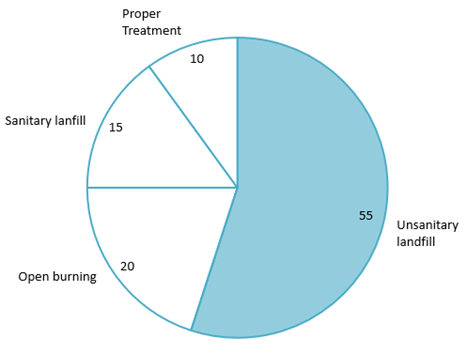
Source: The Electronic Portal of Vietnam National Assembly
Despite some progress in implementing pilot projects for waste classification in several locations across the country, such as Hanoi, Hung Yen, Bac Ninh, Lao Cai, and Ho Chi Minh City, the results remain poor and show little promise. In fact, trash classification in Vietnam is inconsistent and underdeveloped, primarily due to limited public awareness about the importance of segregation and the absence of accessible systems for differentiated collection[2].
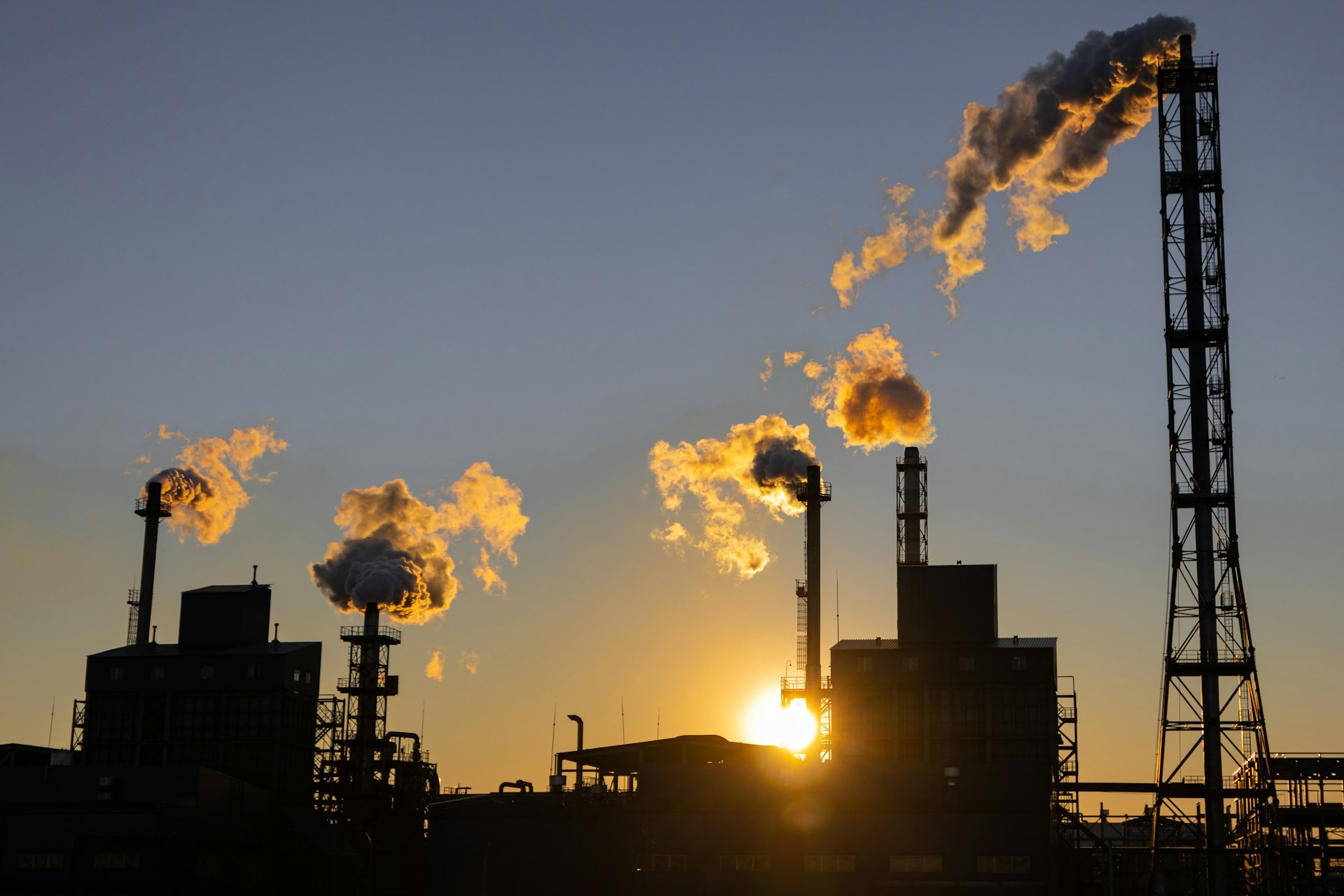
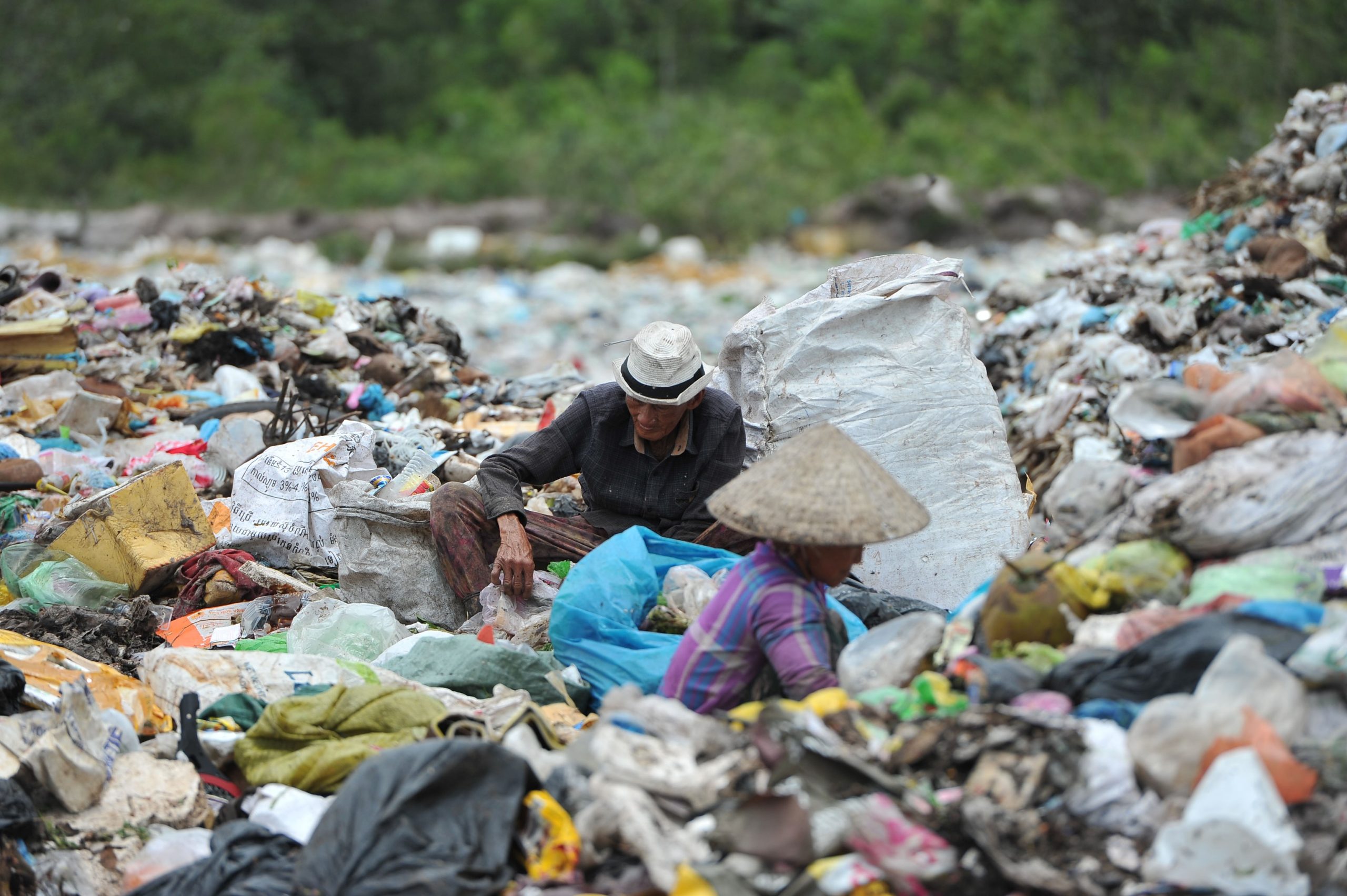
Additionally, the lack of specific planning for industrial waste treatment zones has led to waste treatment plants being built near residential areas. This proximity has made daily life more difficult for nearby residents and has contributed to an increase in respiratory illnesses among affected households[3].
Waste collection and treatment sites near residential areas
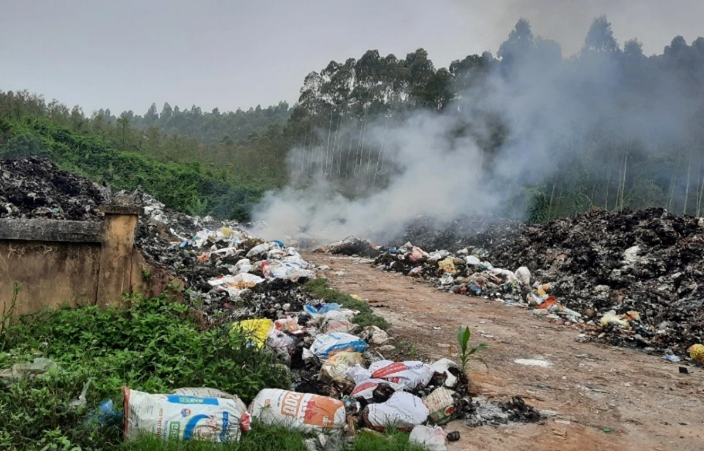
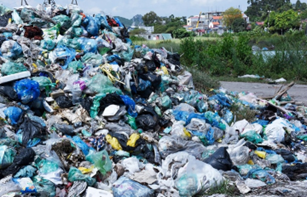
Source: Voice of Vietnam Electronic Newspaper
These issues have sparked growing concern among policymakers and citizens, emphasizing the urgent need for a cohesive and effective strategy to tackle Vietnam’s waste management challenges.
Related article


















Log in / Register
Continue without an account
Log in / Register
SUBSCRIBE NEWSLETTER