

 Tiếng Việt
  English
  日本語
日本語  简体中文
简体中文  한국어
한국어 Hệ thống cảng biển đóng vai trò quan trọng trong việc thúc đẩy phát triển kinh tế và hội nhập quốc tế của Việt Nam.
08/04/2025
Tin tức & Báo cáo mới nhất / Vietnam Briefing
Bình luận: Không có bình luận.
Tóm tắt
Hệ thống cảng biển đóng vai trò then chốt trong việc thúc đẩy phát triển kinh tế và hội nhập quốc tế của Việt Nam. Trong bối cảnh toàn cầu hóa và xu hướng hội nhập sâu rộng, việc nâng cấp hệ thống cảng biển và thu hút đầu tư nước ngoài đã trở thành nhiệm vụ cấp thiết. Bài viết này sẽ phân tích chi tiết thực trạng hệ thống cảng biển Việt Nam, định hướng nâng cấp của Chính phủ, diễn biến đầu tư nước ngoài, cũng như các cơ hội và thách thức trong quá trình này.
Giới thiệu về hệ thống cảng biển Việt Nam
Tính đến tháng 10 năm 2023, Việt Nam có 296 cảng biển với tổng chiều dài cầu bến khoảng 107 km[1]. Hiện nay, Việt Nam có ba cảng (Thành phố Hồ Chí Minh, Hải Phòng và Cai Mep – Thi Vai) nằm trong danh sách 50 cảng container có sản lượng thông qua lớn nhất thế giới. Hệ thống cảng biển cũng đã được quy hoạch đồng bộ, kết nối chặt chẽ với các trung tâm và khu vực kinh tế trọng điểm của cả nước[2]. Các cảng cửa ngõ quốc tế đã được hình thành tại khu vực phía Bắc và phía Nam; trong đó, cảng Cai Mep (Ba Ria – Vung Tau) có khả năng tiếp nhận tàu lên đến 214.000 DWT; cảng Lach Huyen (Hai Phong) có khả năng tiếp nhận tàu container lên đến 145.000 DWT. Ngoài ra, các cảng chuyên dụng quy mô lớn gắn với các khu công nghiệp như cảng tiếp nhận tàu chở dầu thô lên đến 320.000 DWT, các nhà máy thép, nhà máy lọc hóa dầu và nhà máy nhiệt điện than có khả năng tiếp nhận tàu hàng lên đến 200.000 DWT, tàu chở hàng lỏng lên đến 150.000 DWT (tàu chở sản phẩm).
Danh sách các cảng biển tại Việt Nam
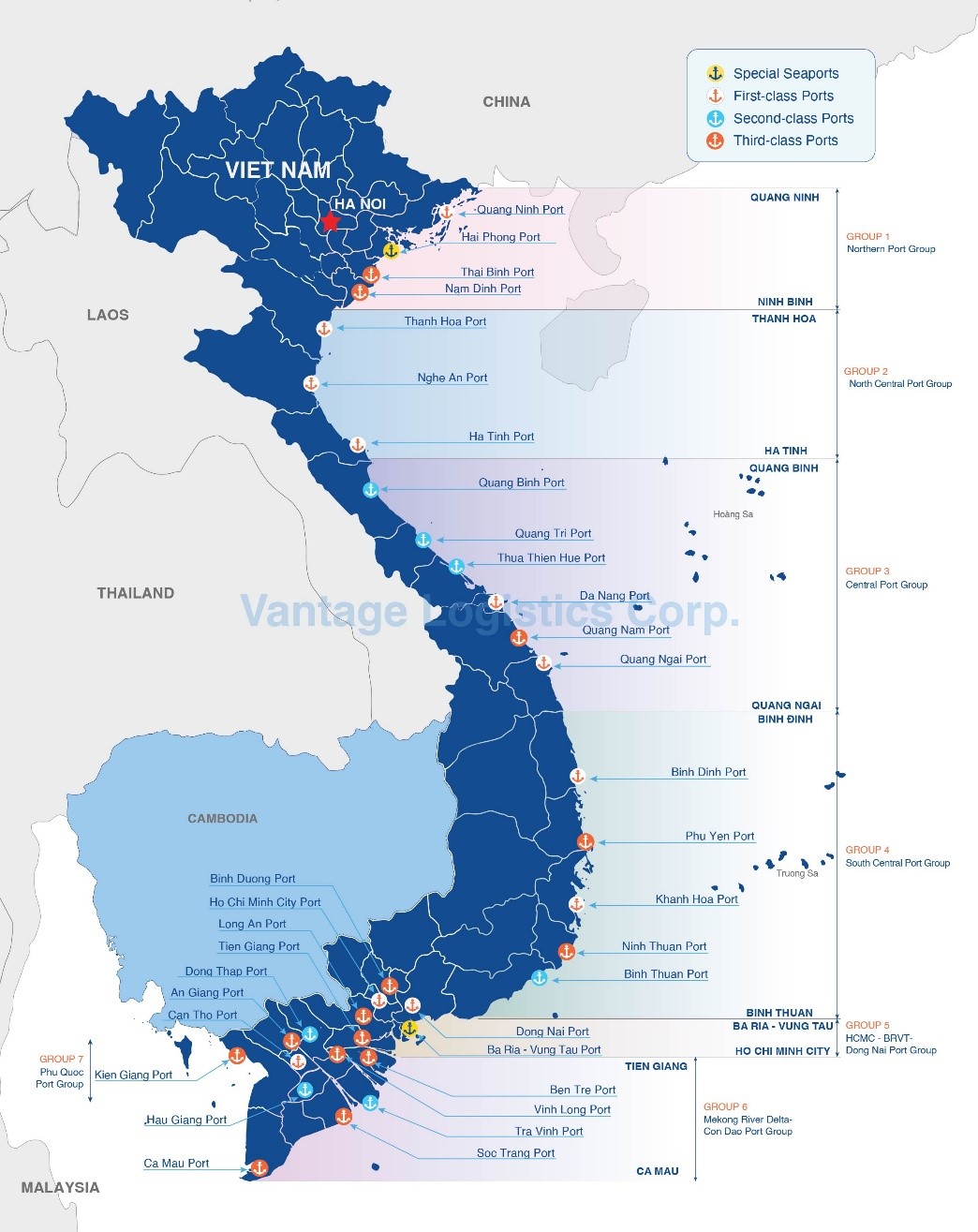
Nguồn: Vantage-logistics.com.vn
Hệ thống cảng biển Việt Nam không chỉ tăng trưởng mạnh về số lượng mà còn được cải thiện đáng kể về năng lực và chất lượng dịch vụ, qua đó thúc đẩy sản lượng hàng hóa thông qua cảng tăng lên. Dự kiến trong năm 2024, tổng sản lượng hàng hóa thông qua cảng biển sẽ đạt khoảng 864,4 triệu tấn, tăng 14% so với năm 2023.
Lượng hàng hóa thông qua cảng biển giai đoạn 2020-2024 tại Việt Nam
Đơn vị: Triệu tấn
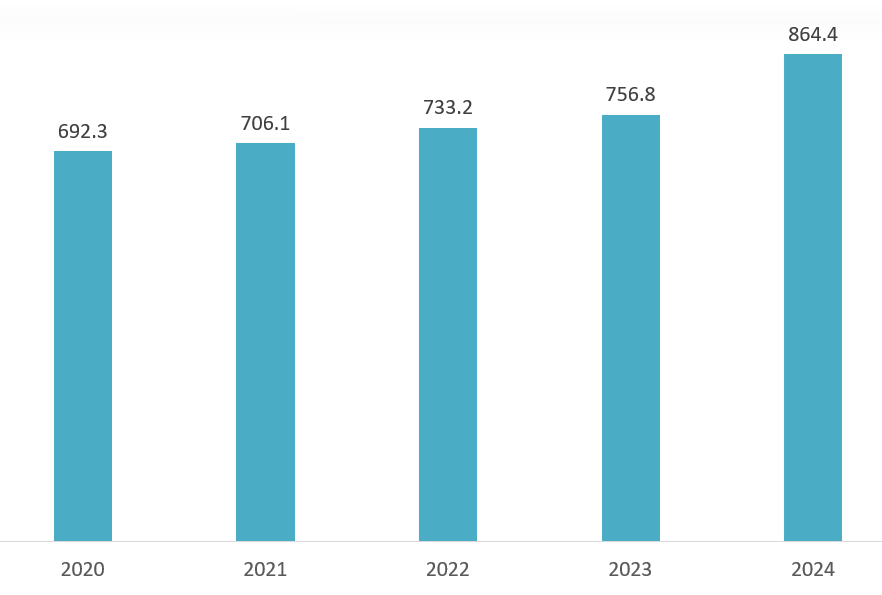
Nguồn: dnse.com.vn
Bài viết liên quan























Đăng nhập / Đăng ký
Tiếp tục mà không cần tài khoản
Đăng nhập / Đăng ký
ĐĂNG KÝ NHẬN BẢN TIN