

 한국어
한국어  English
  日本語
日本語  Tiếng Việt
  简体中文
简体中文 항구 시스템은 베트남의 경제 발전과 국제 통합을 촉진하는 데 중요한 역할을 합니다.
084월2025
최신 뉴스 및 보고서 / 베트남 브리핑
댓글: 댓글 없음.
추상적인
항만 시스템은 베트남의 경제 발전과 국제적 통합을 촉진하는 데 핵심적인 역할을 합니다. 세계화와 심층 통합 추세 속에서 항만 시스템을 고도화하고 외국인 투자를 유치하는 것은 시급한 과제가 되었습니다. 본 글에서는 베트남 항만 시스템의 현황, 정부의 고도화 방향, 외국인 투자 동향, 그리고 이 과정에서의 기회와 과제를 상세히 분석합니다.
베트남 항만 시스템 개요
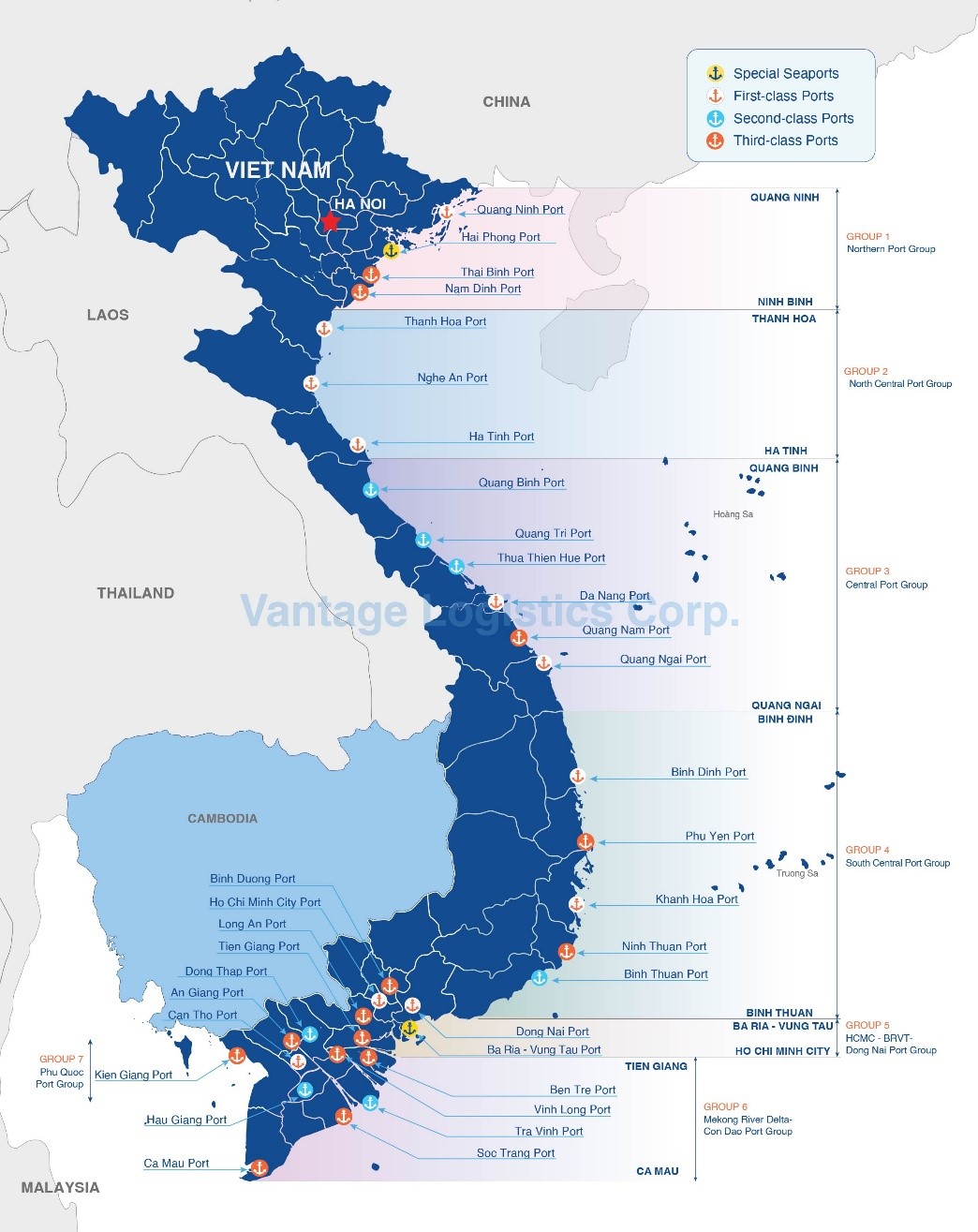
2023년 10월 기준, 베트남에는 총 부두 길이가 약 107km에 달하는 296개의 항만이 있다[1]. 현재 베트남에는 세계 처리량 기준 상위 50개 컨테이너 항만 목록에 포함된 항만이 3곳(호찌민시, 하이퐁, Cai Mep – Thi Vai) 있습니다. 또한 항만 시스템은 국가의 주요 경제 중심지 및 지역과 긴밀하게 연계되도록 체계적으로 계획되어 있습니다[2]. 북부 및 남부 지역에는 국제 관문항이 구축되어 있으며, 이 중 Cai Mep 항만(Ba Ria – Vung Tau)은 최대 214,000DWT급 선박을, Lach Huyen 항만(Hai Phong)은 최대 145,000DWT급 컨테이너선을 수용할 수 있습니다. 또한 산업단지와 연계된 대규모 전문 항만은 최대 320,000DWT급 원유 운반선, 제철소, 석유화학 정유공장 및 석탄화력발전소와 관련되어 있으며, 최대 200,000DWT급 화물선과 최대 150,000DWT급 액체 화물선(제품 운반선)을 수용할 수 있습니다.
베트남 항만 목록
베트남의 항만 시스템은 양적으로 크게 성장했을 뿐만 아니라 처리 능력과 서비스 품질도 크게 향상되었으며, 이에 따라 항만을 통한 화물 처리량 증가를 촉진하고 있습니다. 2024년 항만을 통한 총 화물 처리량은 약 8억 6,440만 톤에 달해 2023년 대비 14% 증가할 것으로 예상됩니다.
2020-2024년 베트남 항구를 통과하는 화물량
단위: 백만 톤
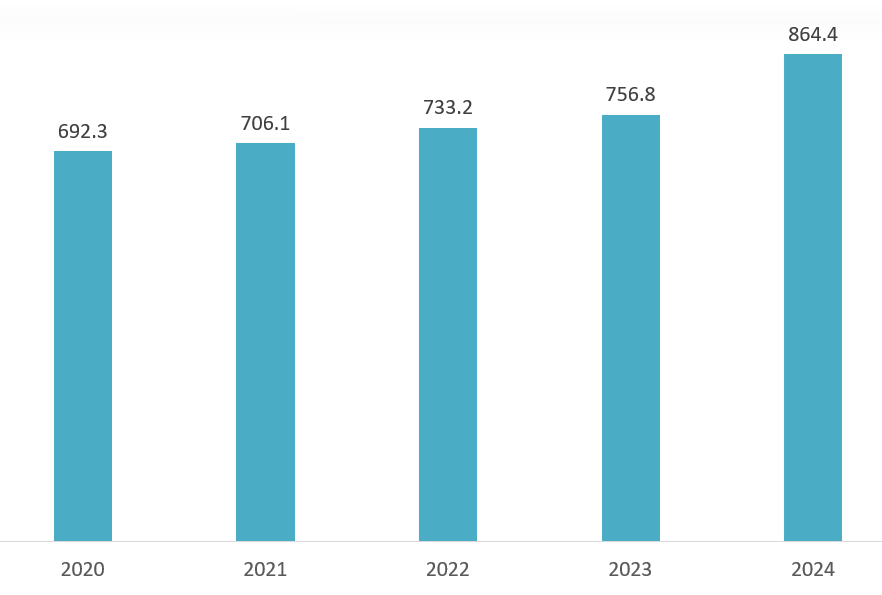
출처: dnse.com.vn
관련기사




















로그인 / 회원가입
계정 없이 계속하기
로그인 / 회원가입
뉴스레터 구독