

 日本語
日本語  English
  Tiếng Việt
  简体中文
简体中文  한국어
한국어 ベトナムの非公式経済は、ベトナムの経済状況において重要かつ複雑な要素であり、GDPと雇用に大きく貢献している。

2025年9月22日
最新ニュース&レポート / ベトナム速報
コメント: コメントはまだありません.
ベトナムのインフォーマル経済は、経済情勢を構成する重要かつ複雑な要素であり、GDPと雇用に大きく貢献している。ベトナムのインフォーマル経済の規模は非常に大きい。未登録企業や、正式な契約および社会保障を持たない労働者が多いことを特徴とするこのセクターは、機会と課題の双方をもたらしている。企業や投資家にとって、ベトナムのインフォーマル経済の動向を理解することは、戦略立案に不可欠である。本稿では、規制環境、市場規模、主要セグメント、現在の動向を包括的に概観し、この多面的な市場で活動するための実践的な洞察を提供する。.
規制
ベトナム政府は、雇用創出におけるインフォーマル経済の役割を認識する一方、課税基盤の拡大と労働者保護の強化に向けてセクターのフォーマル化も目指すという、混合的なアプローチを歴史的に取ってきた。ベトナムのインフォーマル経済に影響を与える主な規制と政策には、以下がある。
– 労働法: 2021年に施行された2019年労働法は、雇用関係を規定している。ただし、その執行は主にフォーマルセクターに限定されている。重要な進展として、 ベトナム雇用法2025, があり、これにより初めて、非契約労働者(フリーランサー、ギグワーカー)が任意で失業保険に加入できるようになる。これは、インフォーマル労働者に社会的セーフティネットを拡大する一歩となる。.
– 事業登録: 小規模事業または世帯事業を登録する手続きは、企業法に定められている。政府は国家企業登録ポータルを通じて手続きの簡素化に取り組んできたが、多くの小規模事業、特に世帯事業は、認知不足、手続きの複雑さに対する認識、または課税や規制当局による監督を避けたいという意向から、依然として未登録のままである。.
– フォーマル化政策: 政府は、フォーマル化を促進することを目的としたさまざまな決議や政策を実施している。例えば、決議68号は世帯事業と中小企業への支援を改めて重視するもので、資金調達やデジタルプラットフォームへのアクセス改善を目指している。また政府は、世帯事業間の相互支援モデルとして協同組合の設立も奨励している。一方、大都市の特定地域で露天商を禁止するなどの場当たり的な措置も取られており、インフォーマルな活動に生計を依存する人々に混乱をもたらすことが多い。.
急成長を遂げる市場規模と背景
ベトナムのインフォーマル経済は、国の経済構造における重要な部分を占めている。.
– 規模とスケール: 2021年、ベトナムには推定 3,360万人のインフォーマル労働者, がおり、雇用人口全体の約 68.5% を占めていた[1]. 。これらの労働者の大半、約4分の3は農村部に居住している[2].
Percentage of Formal and Informal Labour in Vietnam (%)
100%= 4,910万人
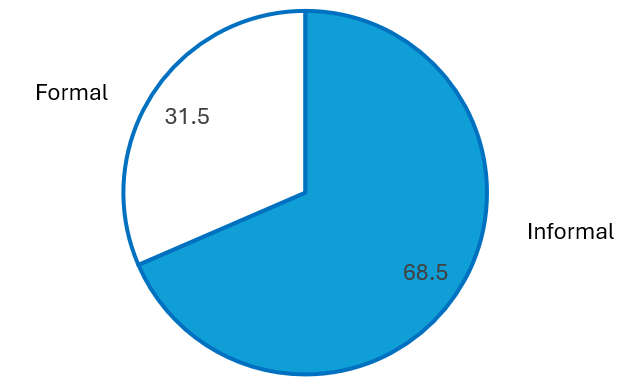
出所:統計総局、2021年
– GDPへの貢献: 正確な数値の把握は難しいものの、推計によれば、インフォーマル経済はベトナムのGDPの15%~27%を占める[3]. 。この大きな貢献は、特にフォーマルな雇用へのアクセスが限られている人々にとって、所得創出と生計支援におけるセクターの重要性を示している。.
– セクター別のインフォーマル労働: インフォーマル労働者の圧倒的多数(90%超)は、主に3つのセクターに集中している[4]:
-
- ▪ 農業・林業・漁業(AFF): 特に農村部で、インフォーマル労働が最も集中しているセクターである。.
- ▪ 建設: インフォーマル労働者や季節労働者を多く雇用している。.
- ▪ サービス: 露天販売や運輸から世帯事業まで、幅広い活動が含まれる。.
2023年のデータによると、雇用人口5,130万人のセクター別内訳は、AFFが1,380万人、産業・建設が1,720万人、サービスが2,030万人である[5]. 。AFFセクターでは、労働力の推定99%がインフォーマルであり、ベトナム農村部におけるインフォーマル労働の根深さを浮き彫りにしている[6].
ベトナムのインフォーマル労働者の主な特徴は、専門的・技術的な資格が限られており、単純作業に従事する割合が高いことである。平均月収はフォーマル労働者を大きく下回り、地域最低賃金を下回ることも多い。.
主要セグメント
| セグメント | 労働者・事業者の推定数 | 主な特徴 | 一般的な課題 |
| 露天商 | 数百万人(500万超の世帯事業の一部) | 都市部で非常に目立ち、食品、飲料、さまざまな商品を販売している。移動型で、最小限の資本で営業していることが多い。. | 法的承認の欠如、定期的な取り締まり、不衛生な環境、競争にさらされている。. |
| 未登録の世帯事業 | 300万超 | 小規模な家族経営事業で、自宅で小売店、食品販売店、修理サービスなどを営んでいる。. | 信用へのアクセスが限られていること、事業管理スキルの不足、経済ショックへの脆弱性。. |
| フリーランスのギグワーカー | 増加傾向にあり、特に都市部で多い | 配車サービスの運転手、配達員、オンラインフリーランサーなどが含まれる。デジタルプラットフォームの普及により拡大している。. | 社会保障(年金、健康保険)の欠如、収入の不安定さ、プラットフォームのアルゴリズムへの依存。. |
| 小規模農業 | 数百万人の農家 | 主に農村部で営まれ、自給農業や、余剰分を地元市場で販売する形態が多い。. | 気候変動、価格変動、近代的な農業技術や市場へのアクセスの制限に対する脆弱性。. |
| 建設現場の日雇い労働者 | 建設労働力の相当部分 | 建設プロジェクト向けに日単位または短期で雇用される。出稼ぎ労働者であることも多い。. | 危険な労働環境、正式な契約の欠如、賃金をめぐる紛争。. |
| 家事労働者 | 多いが、定量化が困難 | 主に女性で、個人世帯において清掃、調理、介護サービスを提供している。. | 仕事が見えにくく規制されていないこと、長時間労働、低賃金、虐待への脆弱性。. |
| インフォーマル製造業 | 840万のインフォーマル世帯事業の相当部分 | 繊維製品、家具、手工芸品などを生産する小規模な未登録工場。. | テクノロジーへのアクセス不足、大企業との競争、品質基準を満たす上での課題。. |
出典:B&Company
これらのセグメントは多様である一方、脆弱性とレジリエンスという共通点を持つ。ベトナムの日常生活と経済に不可欠な存在であり、重要な商品・サービスを提供するとともに、人口の大部分にセーフティネットを提供している。.
市場動向
ベトナムのインフォーマル経済を形作る主なトレンドは次のとおりである:
– テクノロジーの影響: デジタルプラットフォームとモバイルテクノロジーの普及により、特にギグエコノミーにおいて、インフォーマル労働者に新たな機会が生まれている。配車サービス、食品配送、電子商取引のプラットフォームは、収入を得る新たな手段を提供している。一方で、従来型の雇用給付を提供しないことが多いプラットフォーム企業への依存が生じ、労働者の不安定性が新たな形で高まっている。.
– 政府によるフォーマル化の取り組み: 政府は、課税ベースの拡大、労働者保護の改善、企業間の競争条件の平準化を目的として、インフォーマル経済のフォーマル化に一層注力している。2025年雇用法はこのトレンドを示す重要な例であり、より幅広い労働者に社会保険を拡大することを目指している。.
– 都市化: 急速な都市化により都市部のインフォーマルセクターが拡大しており、農村部からの移住者がインフォーマルな建設業、サービス業、露天商などで仕事を見つけることが多い。これにより都市インフラとサービスに負荷がかかり、自治体に課題が生じている。.
– 新型コロナウイルス感染症のパンデミック: パンデミックは、インフォーマル労働者の脆弱性を浮き彫りにした。インフォーマル労働者は最初に失業することが多く、社会的セーフティネットへのアクセスも欠いていた。これにより、この労働力セグメントにより良い保護を提供する政策の緊急性が高まっている。.
企業と投資家への示唆
企業と投資家にとって、ベトナムのインフォーマル経済は機会と課題が併存する市場である。.
参入機会
– 大規模な消費者基盤: インフォーマル経済は、広大で、まだ十分に開拓されていない消費市場である。この層のニーズと購買力に合わせた商品・サービスを提供できる企業は、大きな成長機会を見いだせる。.
– 柔軟な労働力: インフォーマルセクターは、大規模で柔軟な労働力プールを提供しており、労働需要が変動する企業にとって強みとなり得る。.
– パートナーシップと調達: フォーマル企業は、原材料の調達、部品の製造、商品の流通において、インフォーマル企業と提携できる。これにより、より包摂的でレジリエントなサプライチェーンを構築できる。.
課題
– データの不足: The absence of reliable data on the informal economy makes it difficult to assess market size, consumer preferences, and creditworthiness.
– Regulatory Gray Areas: Operating in and with the informal economy can involve navigating a complex and often ambiguous regulatory environment.
- 競争: Formal businesses may face competition from informal enterprises that do not have the same tax and regulatory burdens.
– Logistics and Distribution: Reaching consumers and businesses in the informal economy can be challenging due to a lack of formal addresses and infrastructure.
実用的な影響
To successfully engage with Vietnam’s informal economy, businesses and investors should consider the following strategies:
– Develop Inclusive Business Models: Design products, services, and distribution channels that are accessible and affordable for low-income consumers and small, informal businesses. The food and beverage franchise industry, as analyzed by b-company.jp, provides an excellent case study[7]. Low-cost, turnkey franchise models can be particularly effective. For an informal household business owner, the prospect of formalizing on their own is daunting due to the perceived complexity and cost[8]. A franchise model de-risks this transition by providing a pre-packaged formal structure, standardized processes for accounting and regulatory compliance, brand recognition, and operational support. This transforms a formidable leap into a manageable step. For the franchisor, it is a highly scalable market entry strategy that taps into a vast pool of experienced, grassroots entrepreneurs. This model is replicable in other sectors such as retail, education, and personal services.
– Leverage Digital Technology: Use mobile payments, e-commerce platforms, and other digital tools to reach and transact with the informal sector. For example, a financial technology company could develop a simple, mobile-first bookkeeping and inventory management application tailored to the needs of household businesses. By offering this tool for free or on a freemium basis, the company can gain invaluable, real-time data on the cash flows, sales cycles, and creditworthiness of a previously invisible market segment. This data can then be used to develop and offer tailored micro-loans, insurance products, or digital payment solutions, effectively bringing these businesses into the formal financial system in a way that provides them with tangible value. This approach uses technology not just for sales, but as a data-gathering and formalization-facilitating platform.
– Build Trust and Relationships: Establish strong relationships with community leaders, local associations, and informal business owners to gain a better understanding of the market and build trust.
– Advocate for a More Enabling Environment: Support policies and initiatives that promote the formalization of the informal economy in a way that is beneficial for both businesses and workers. This includes advocating for simplified business registration, improved access to finance, and expanded social protection. For example, instead of divesting from informal suppliers, leading firms can invest in them. This involves proactively mapping supply chains to identify informal links, providing targeted capacity-building programs (e.g., training on quality standards, financial literacy, occupational safety), and actively assisting them in the formalization process by facilitating access to credit or simplifying registration procedures. In an era of increasing global scrutiny of supply chain ethics and transparency, a company that can demonstrate it has invested in formalizing and upgrading its local supplier base turns a potential liability into a powerful brand asset and a more resilient, loyal, and higher-quality supply chain
– Due Diligence: Conduct thorough due diligence to understand the legal and reputational risks associated with engaging with the informal sector.
By adopting a strategic and nuanced approach, businesses and investors can not only tap into the economic potential of Vietnam’s informal economy but also contribute to a more inclusive and sustainable economic development path for the country.
[1] informal employment – Economica Vietnam, accessed September 15, 2025, https://www.economica.vn/Content/files/PUBL%20%26%20REP/Informal%20Employment%20in%20Vietnam.pdf
[2] WORKERS IN INFORMAL EMPLOYMENT IN VIET NAM, accessed September 15, 2025, https://www.gso.gov.vn/wp-content/uploads/2023/06/LAO-DONG-CO-VIEC-LAM-PHI-CHINH-THUC-O-VIET-NAM-Eg-final.pdf
[3] How large is Vietnam’s informal economy? – ResearchGate, accessed September 15, 2025, https://www.researchgate.net/publication/331525802_How_large_is_Vietnam’s_informal_economy
[4] WORKERS IN INFORMAL EMPLOYMENT IN VIET NAM, accessed September 15, 2025, https://www.gso.gov.vn/wp-content/uploads/2023/06/LAO-DONG-CO-VIEC-LAM-PHI-CHINH-THUC-O-VIET-NAM-Eg-final.pdf
[5] Employment numbers rise but labour market quality yet to improve: GSO, accessed September 15, 2025, https://vss.gov.vn/UserControls/Publishing/News/BinhLuan/pFormPrint.aspx?UrlListProcess=/content/english/tintuc/Lists/EnNews&ItemID=11893&IsTA=True
[6] WORKERS IN INFORMAL EMPLOYMENT IN VIET NAM, accessed September 15, 2025, https://www.gso.gov.vn/wp-content/uploads/2023/06/LAO-DONG-CO-VIEC-LAM-PHI-CHINH-THUC-O-VIET-NAM-Eg-final.pdf
[7] Vietnam’s F&B Franchising Industry: From expansion to consolidation – B-Company, accessed September 15, 2025, https://b-company.jp/vietnams-fb-franchising-industry-from-expansion-to-consolidation/
[8] Why are millions of home-based businesses in Vietnam ignoring registering as companies?, accessed September 15, 2025, https://hanoitimes.vn/why-are-millions-of-home-based-businesses-in-vietnam-ignoring-registering-as-companies.659867.html
* この記事からの情報を引用する場合は、著作権を尊重するために、元の記事へのリンクと共に出典を引用してください。.
| B&Company
2008年からベトナムで市場調査を専門とする初の日本企業です。業界レポート、業界インタビュー、消費者調査、ビジネスマッチングなど、幅広いサービスを提供しています。さらに、最近ではベトナム国内の90万社以上のデータベースを開発しており、パートナーを検索したり、市場を分析したりするために利用できます。. ご不明点がございましたら、お気軽にお問い合わせください。. info@b-company.jp + (84) 28 3910 3913 |
関連記事





























ログイン / 新規登録
ニュースレターを購読する