

 English
  日本語
日本語  Tiếng Việt
  简体中文
简体中文  한국어
한국어 The logistics industry in Vietnam is emerging as an attractive sector for foreign investors, offering opportunities for international businesses.
14Feb2025
Latest News & Report / Vietnam Briefing
Comments: No Comments.
The logistics industry in Vietnam is emerging as an attractive sector for foreign investors. With its strategic geographical location, stable economic growth rate, and the boom of e-commerce, Vietnam offers many opportunities for international businesses in this sector. This article will analyze the current situation, development trends, potentials, and opportunities for Japanese investors in the logistics sector in Vietnam.
Current situation of Vietnam’s logistics industry
Vietnam currently has more than 34,000 enterprises operating in the logistics sector. According to the World Bank (WB) Report, Vietnam’s national logistics capacity index (LPI) in 2023 ranked 43rd out of 139 countries and territories, up 21 places compared to 2016. The growth rate of the logistics industry in Vietnam in recent years has reached about 14-16%, with a scale of about 40-42 billion USD/year, accounting for about 4.5% of GDP[1]. However, logistics costs remain high, equivalent to about 17% of GDP in 2022, although down from 21% of GDP in 2018[2]
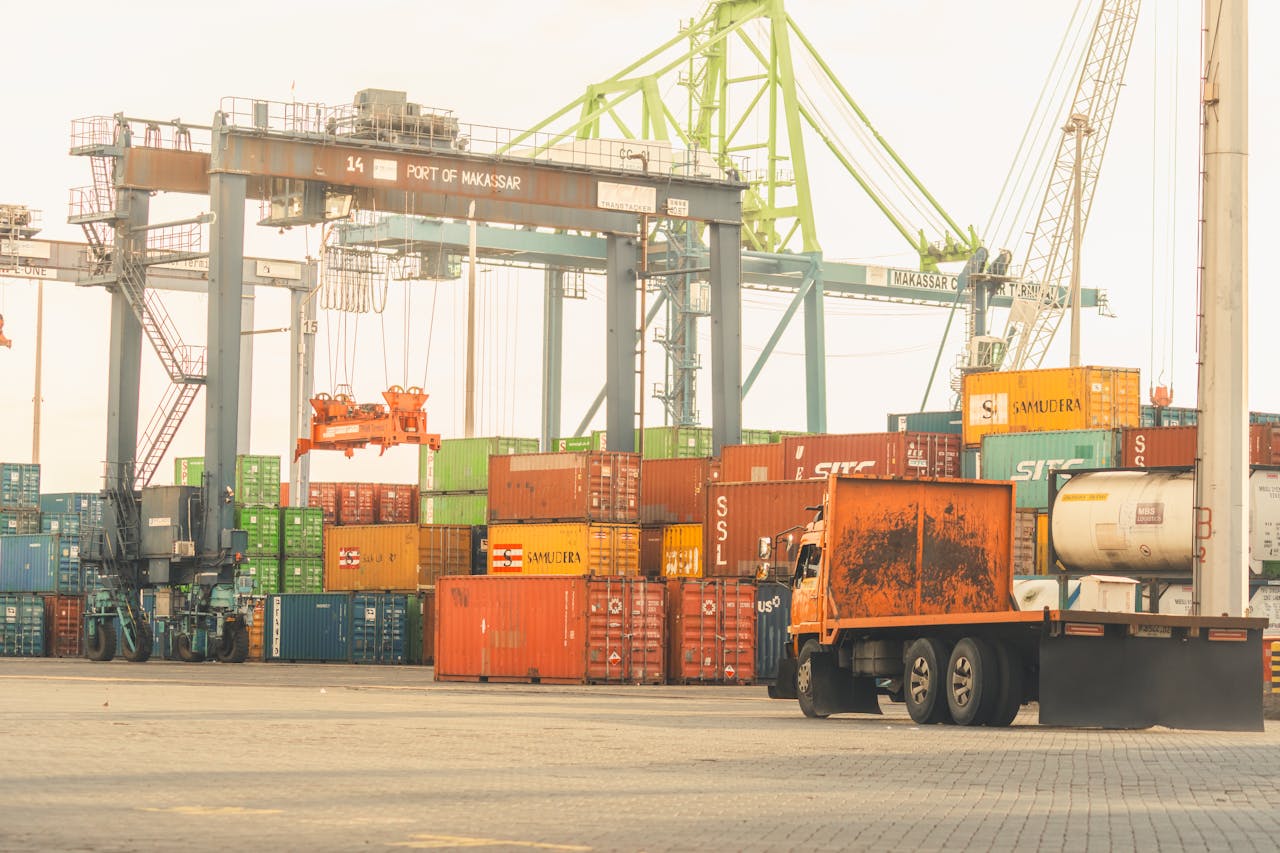
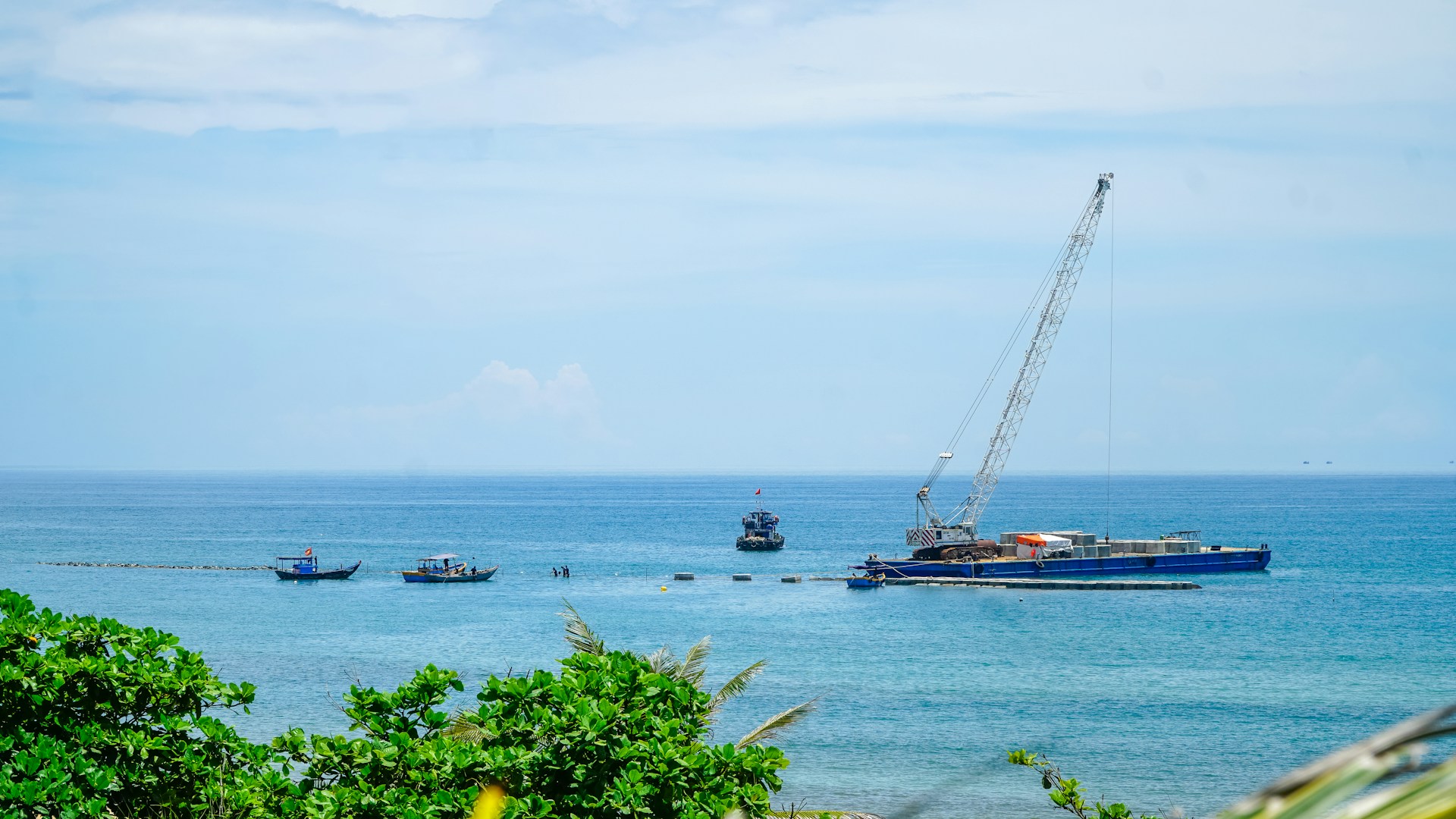
Sea transport in Vietnam
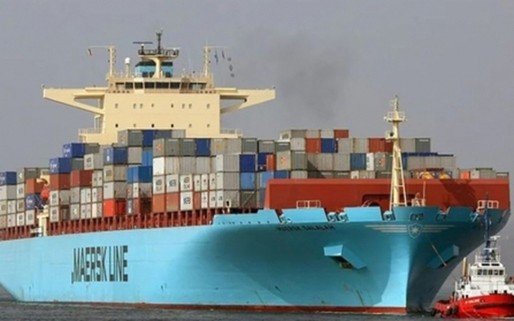
Source: Tapchitaichinh.vn
This increase reflects Vietnam’s efforts to improve transport infrastructure, enhance service quality, and create a favorable environment for logistics enterprises. However, Vietnam’s logistics costs are still quite high compared to developed countries in the world, which poses a challenge to improving the industry’s competitiveness. Regarding types of logistics, Vietnam uses a variety of transport modes such as road, rail, sea, and air. Of which, road transport is the most popular, using trucks, containers, and passenger cars to transport goods by road, suitable for both long-distance and intra-city transport. In addition, services such as warehousing, delivery, and express delivery also play an important role in the logistics supply chain in Vietnam[3]
Trends in attracting foreign investment in Vietnam logistics
In the period of 2013-2023, the trend of foreign direct investment (FDI) in the logistics sector in Vietnam is increasing. The number of foreign investment projects in this sector has increased sharply, especially in the period of 2020-2022 with 203 projects, 1.5 – 2 times higher than in previous periods. Among the 48 countries and territories that have invested in logistics projects in Vietnam since 1991, Japan accounts for 12.5% of the total number of projects, ranking fourth after Korea, Singapore, and Hong Kong. According to the Vietnam Statistical Yearbook, the logistics sector has attracted significant attention from foreign investors. By the end of 2021, there were nearly 35,000 enterprises with a total of more than 563,300 employees working. FDI attraction in the logistics sector increased sharply, with 365 projects in the 2015-2019 period and 203 projects in the 2020-2022 period[4].
Currently, foreign investors are focusing on the following areas in the logistics sector:
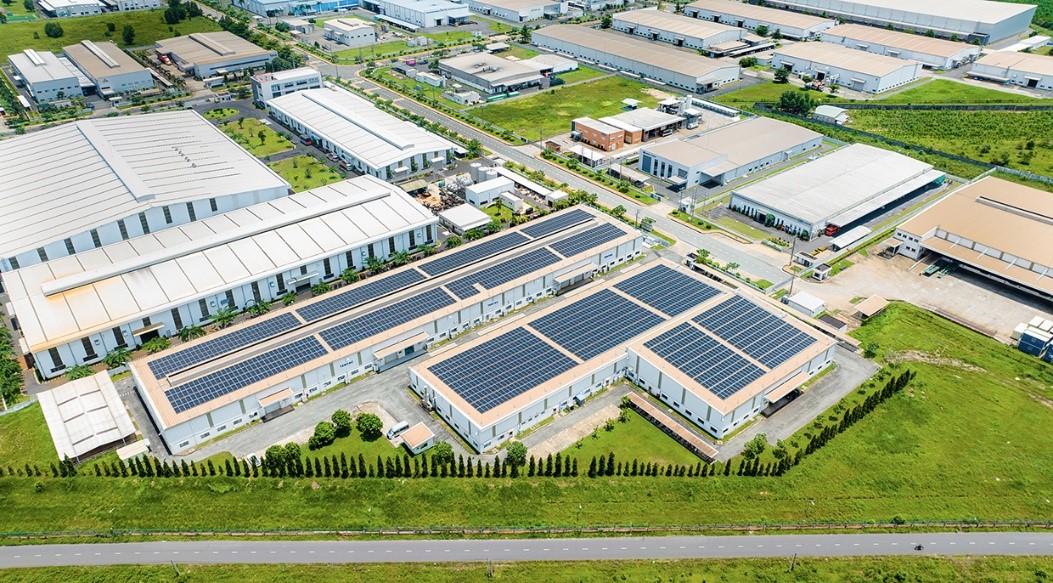
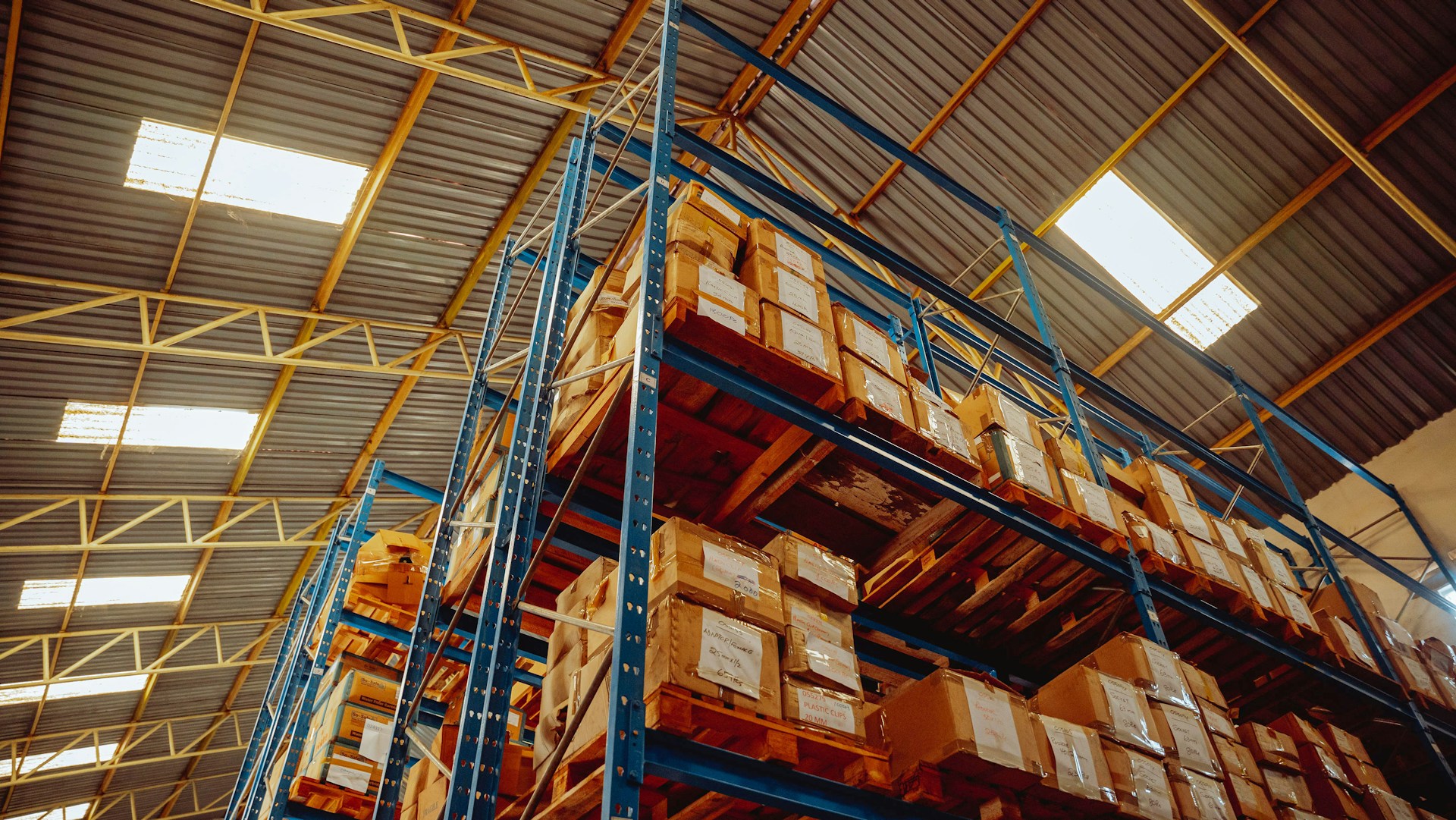
– Modern warehouse development: Meeting the growing storage needs of e-commerce companies, manufacturers, and outsourced logistics service providers[5]
– Cold Chain: Catering to the export of goods such as fruits, vegetables, seafood,d and pharmaceuticals, this sector is attracting particular attention due to the growing demand for storage facilities and cold transport services
Related article






















Log in / Register
Continue without an account
Log in / Register
SUBSCRIBE NEWSLETTER