

 English
  日本語
日本語  Tiếng Việt
  简体中文
简体中文  한국어
한국어 An overview of the city through important factors: geographical location, infrastructure, labor market, economic context and investment opportunities
22Apr2025
Latest News & Report / Vietnam Briefing
Comments: No Comments.
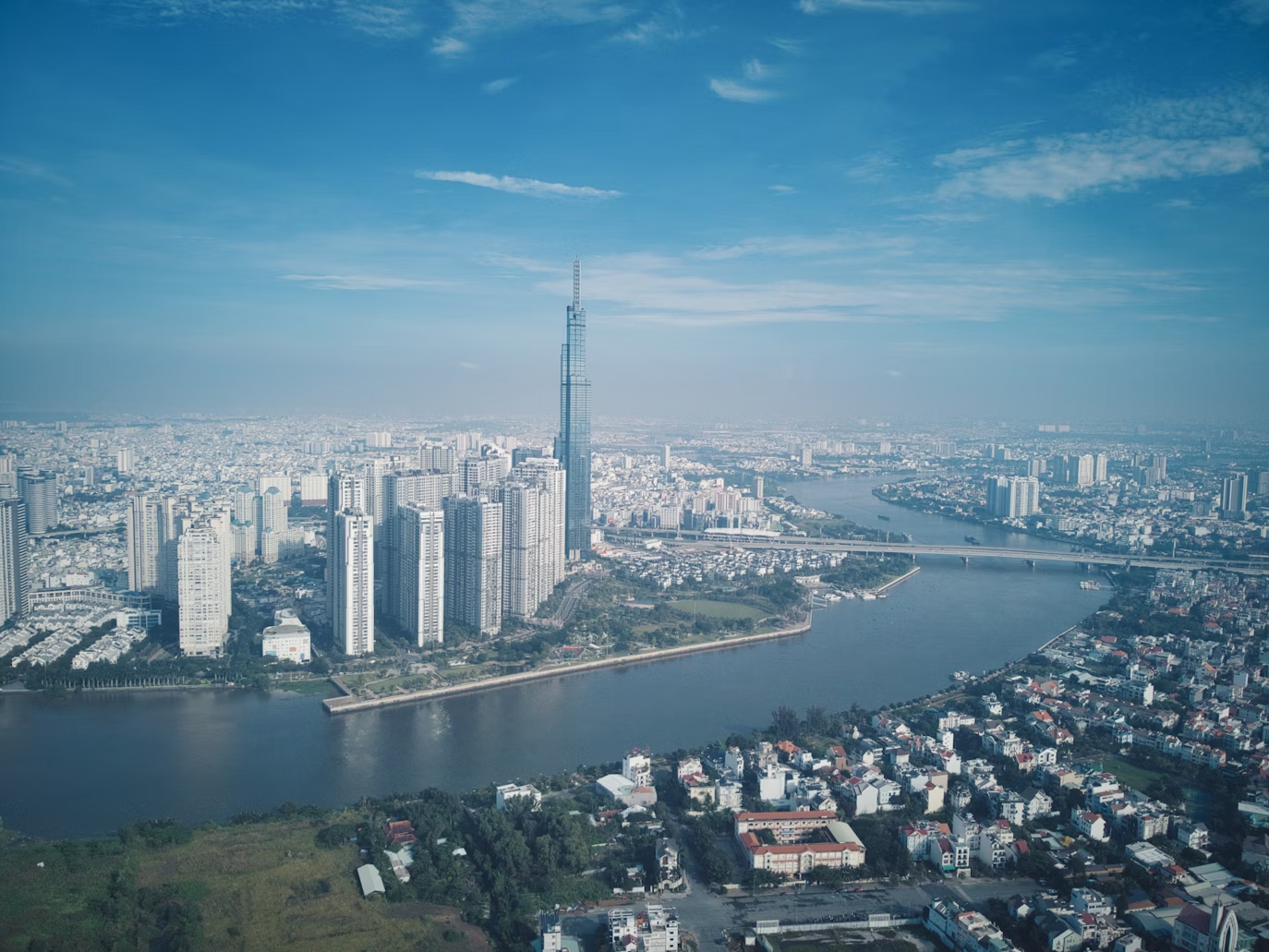
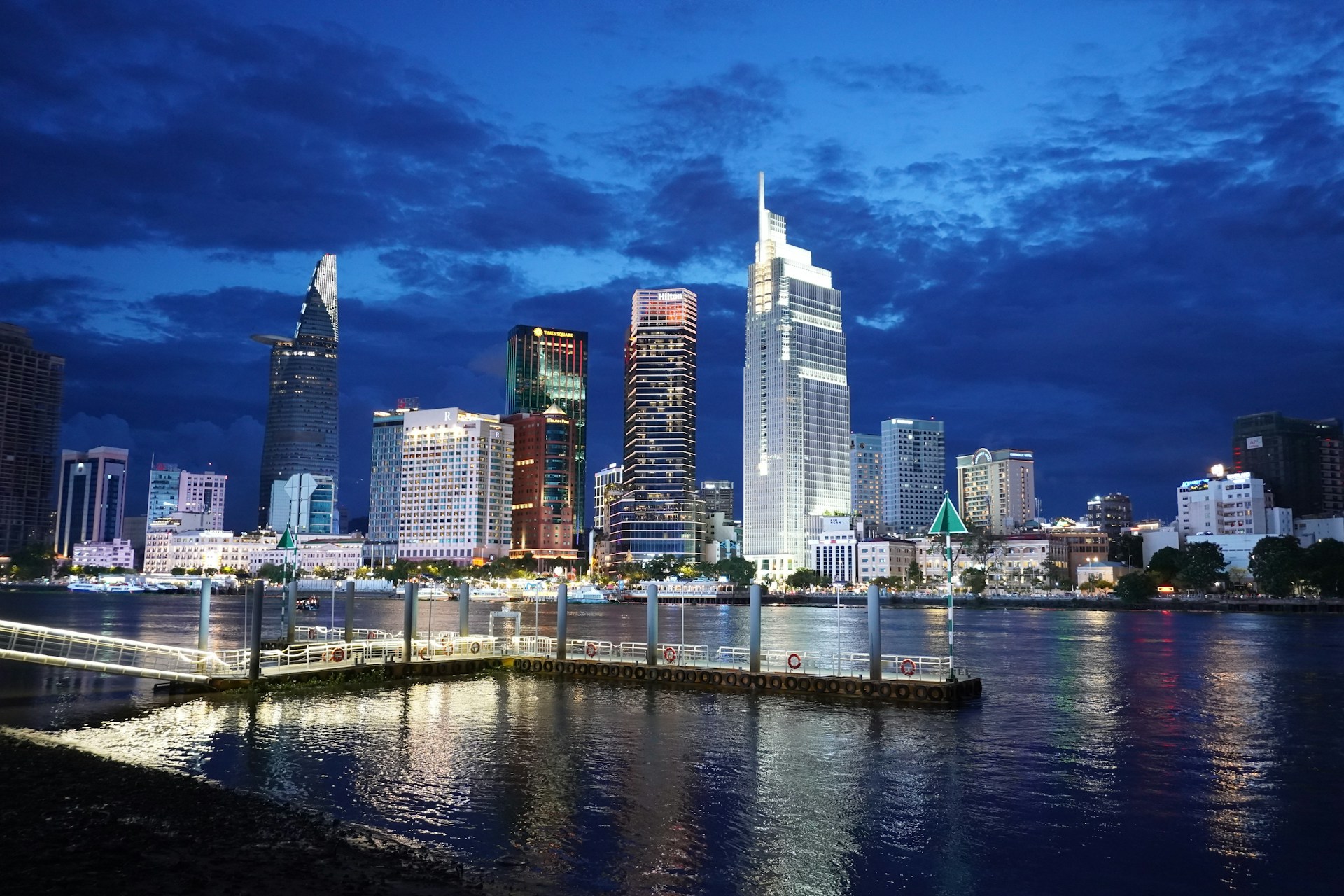
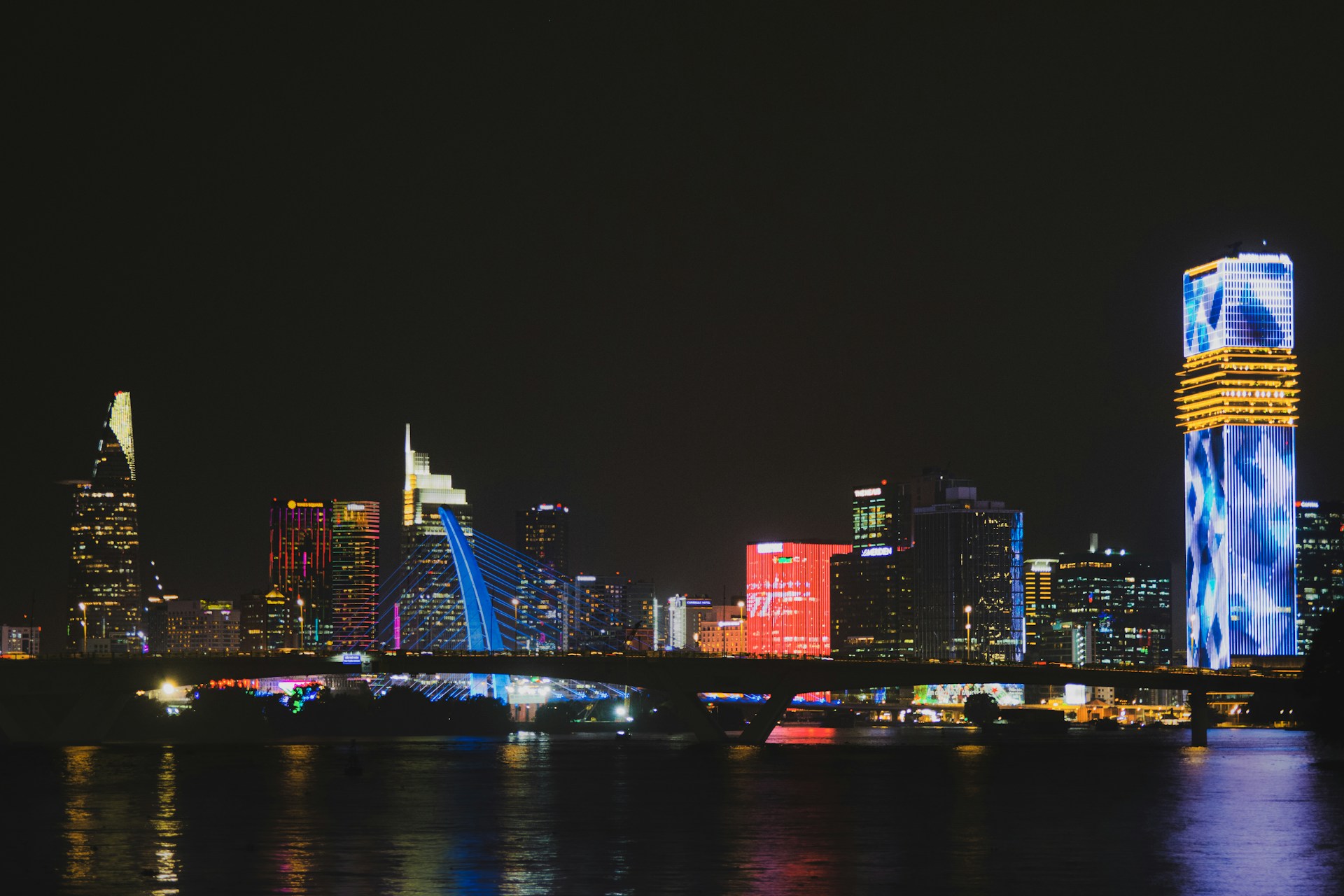
Ho Chi Minh City (HCMC) is the largest economic center in Vietnam, with rapid growth, developed infrastructure, abundant labor force and an increasingly favorable business environment, creating favorable conditions for foreign investors to expand production, trade and services. This article provides an overview of the city through important factors: geographical location, infrastructure, labor market, economic context and investment opportunities.
Geographical location
Ho Chi Minh City, located in the South of Vietnam, serves as the economic, financial and cultural center of the country. With its strategic location, Ho Chi Minh City is easily connected to countries in the Southeast Asian region, an important gateway for international trade activities. The city borders Binh Duong, Dong Nai, Long An and Ba Ria – Vung Tau provinces, forming the key economic region in the South of Vietnam.
Location of Ho Chi Minh City on Vietnam map
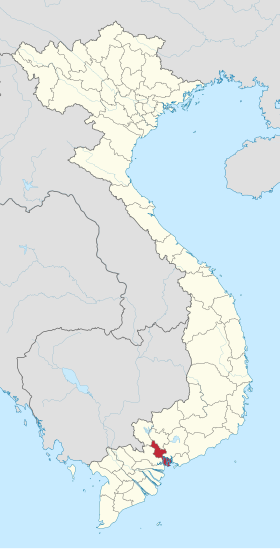
Source: Vi.wikipedia.org
Infrastructure
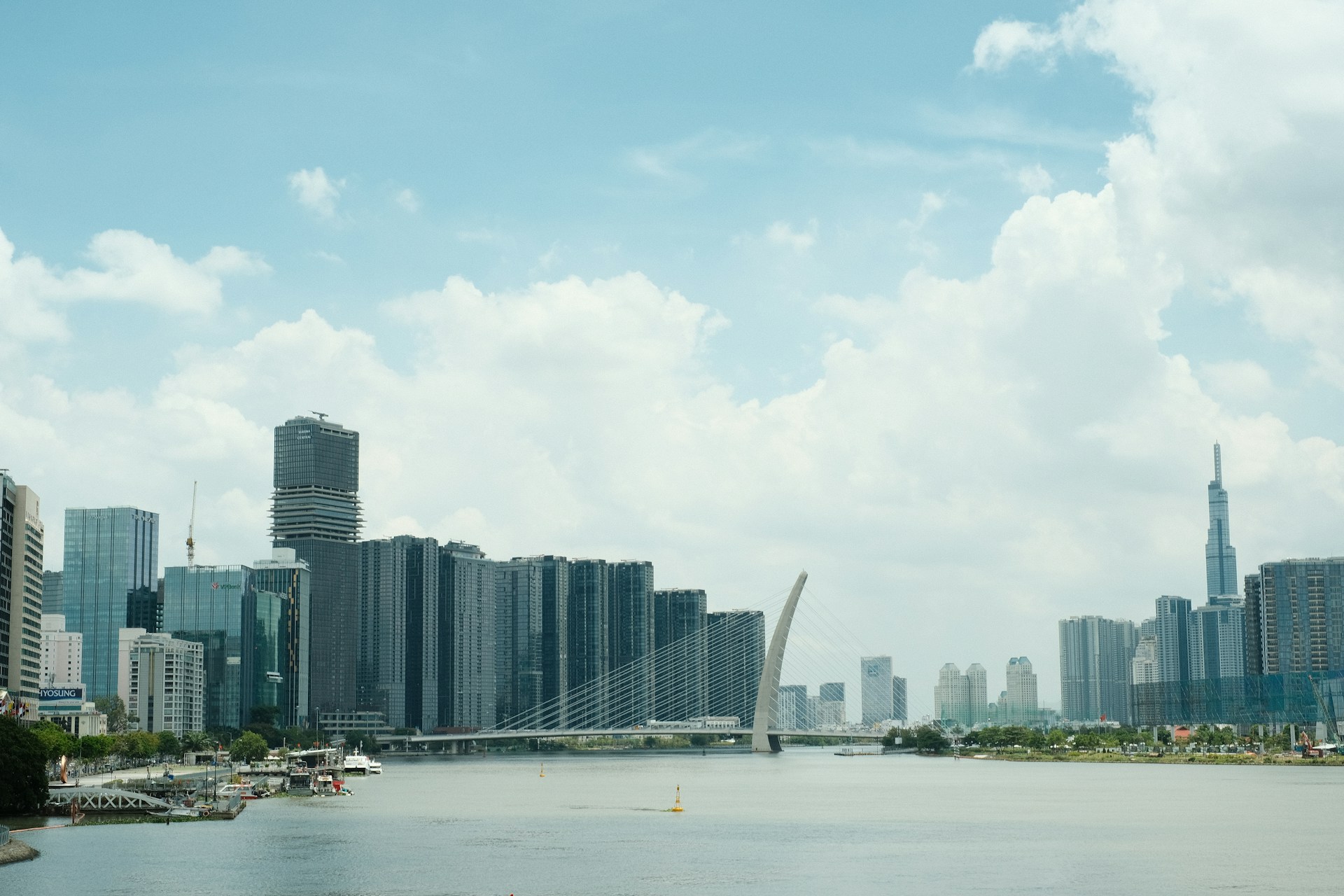
Ho Chi Minh City is witnessing strong development in infrastructure to meet the needs of a rapidly growing economy. According to the report of the Vietnam Chamber of Commerce and Industry (VCCI) in 2022, Ho Chi Minh City ranked 8th in the ranking of provinces in terms of infrastructure index[1]. This index reflects the quality of industrial parks, traffic routes and public utilities.
Currently, Ho Chi Minh City has 17 industrial parks and 2 export processing zones, with a total area of over 5,000 hectares, playing an important role in attracting investment and promoting the city’s economic and industrial development[2]. Some notable industrial parks include Dong Nam Industrial Park (Cu Chi district), Vinh Loc Industrial Park (Binh Chanh district), Tan Binh Industrial Park (Tan Binh district), Hiep Phuoc Industrial Park (Nha Be district) and Tan Tao Industrial Park (Binh Tan district)[3]. In particular, recently, Ho Chi Minh City has been actively expanding and developing many new industrial parks to meet the increasing investment demand. Specifically, the city has planned to add 800 hectares of industrial land, including projects such as Hiep Phuoc Industrial Park Phase 2 (nearly 597 hectares), Le Minh Xuan Industrial Park Expansion, Le Minh Xuan Industrial Park 2, and Pham Van Hai Industrial Park I & II[4]. In addition, the planning project for the 2021-2030 period also proposes to add 10 new industrial parks with a total area of about 2,465 hectares, demonstrating Ho Chi Minh City’s determination to attract large domestic and foreign projects.
This creates favorable conditions for attracting investors, especially in the fields of processing, manufacturing and high-tech industries. However, attention should also be paid to further improving factors such as the environment and living space for workers, to ensure the sustainable development of industrial park infrastructure in the future.
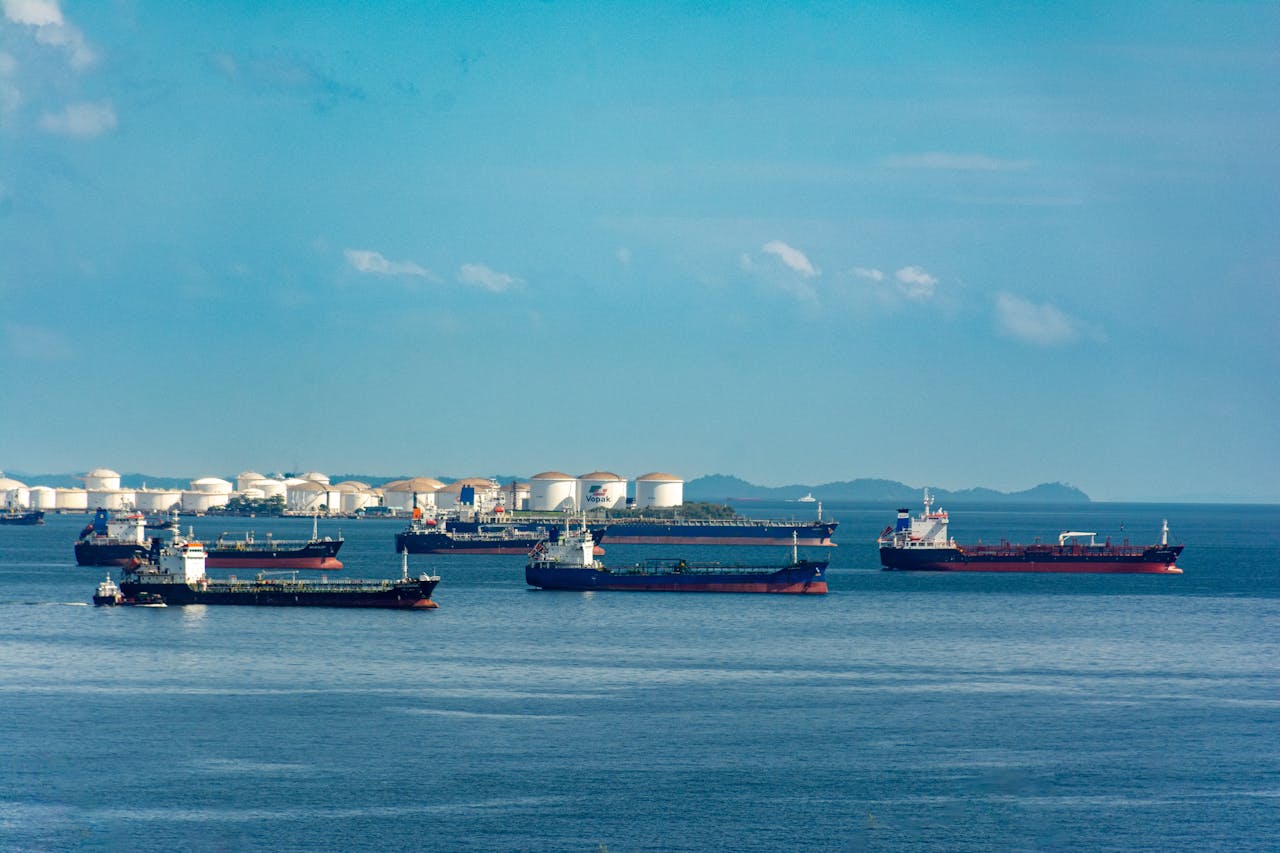
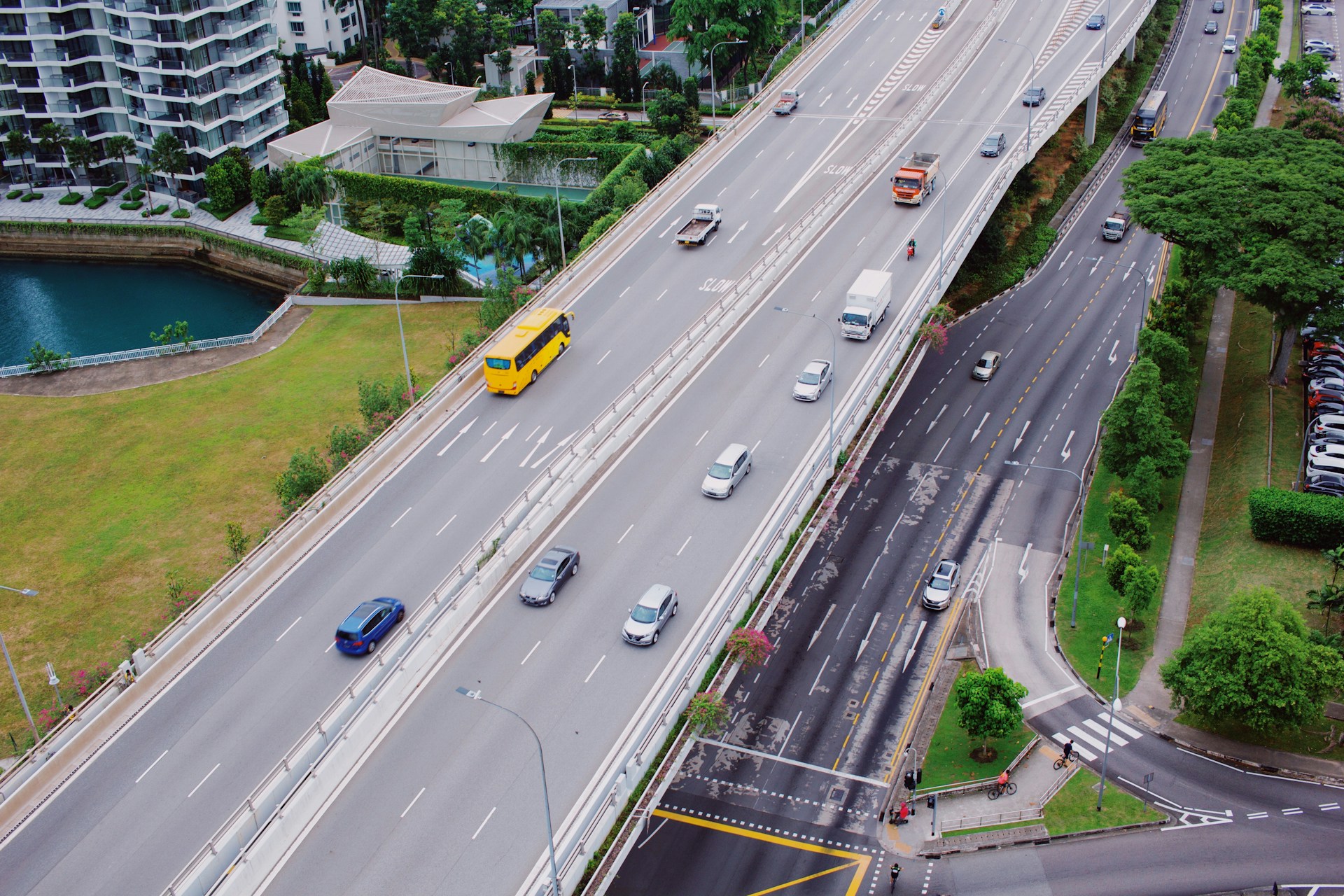
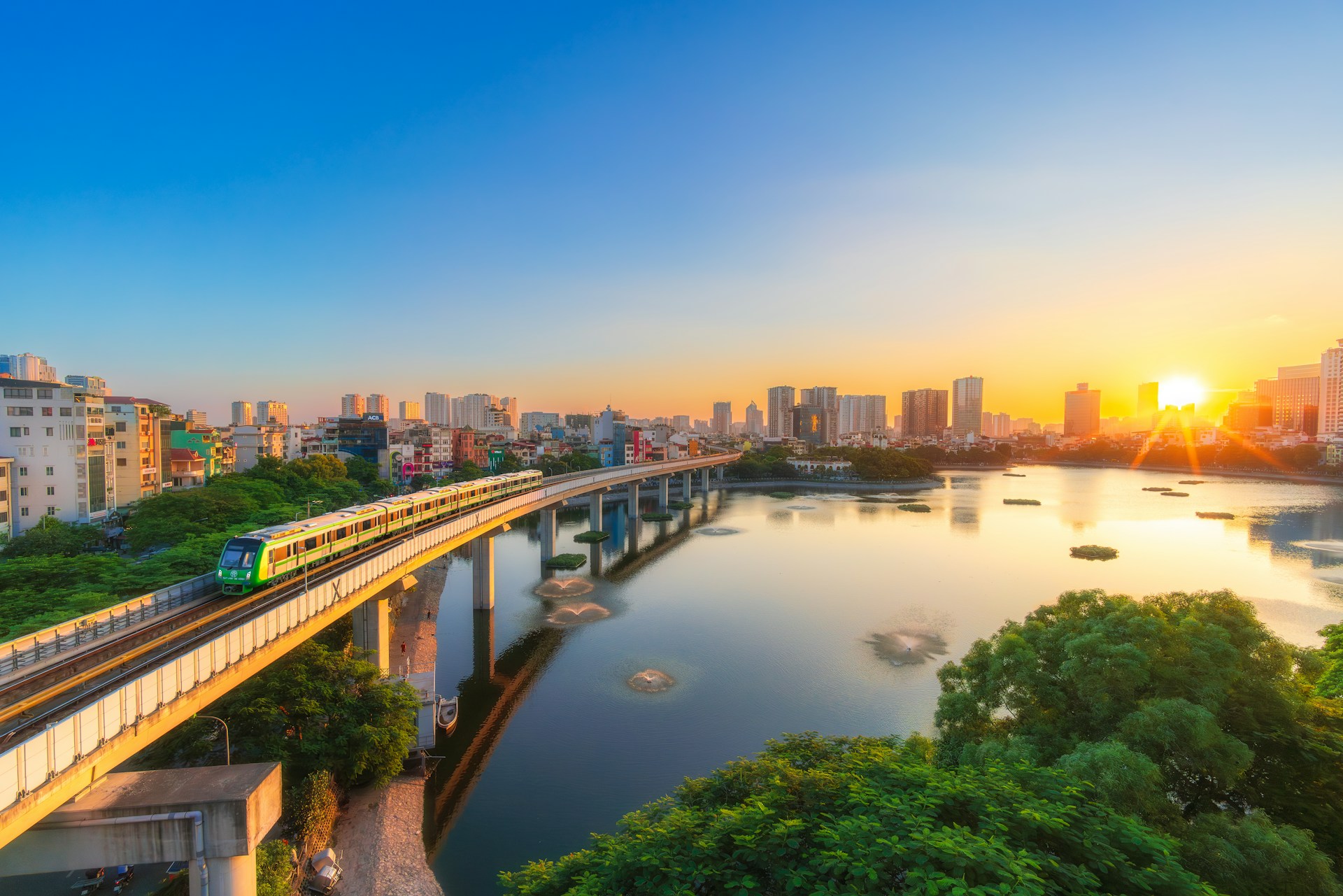
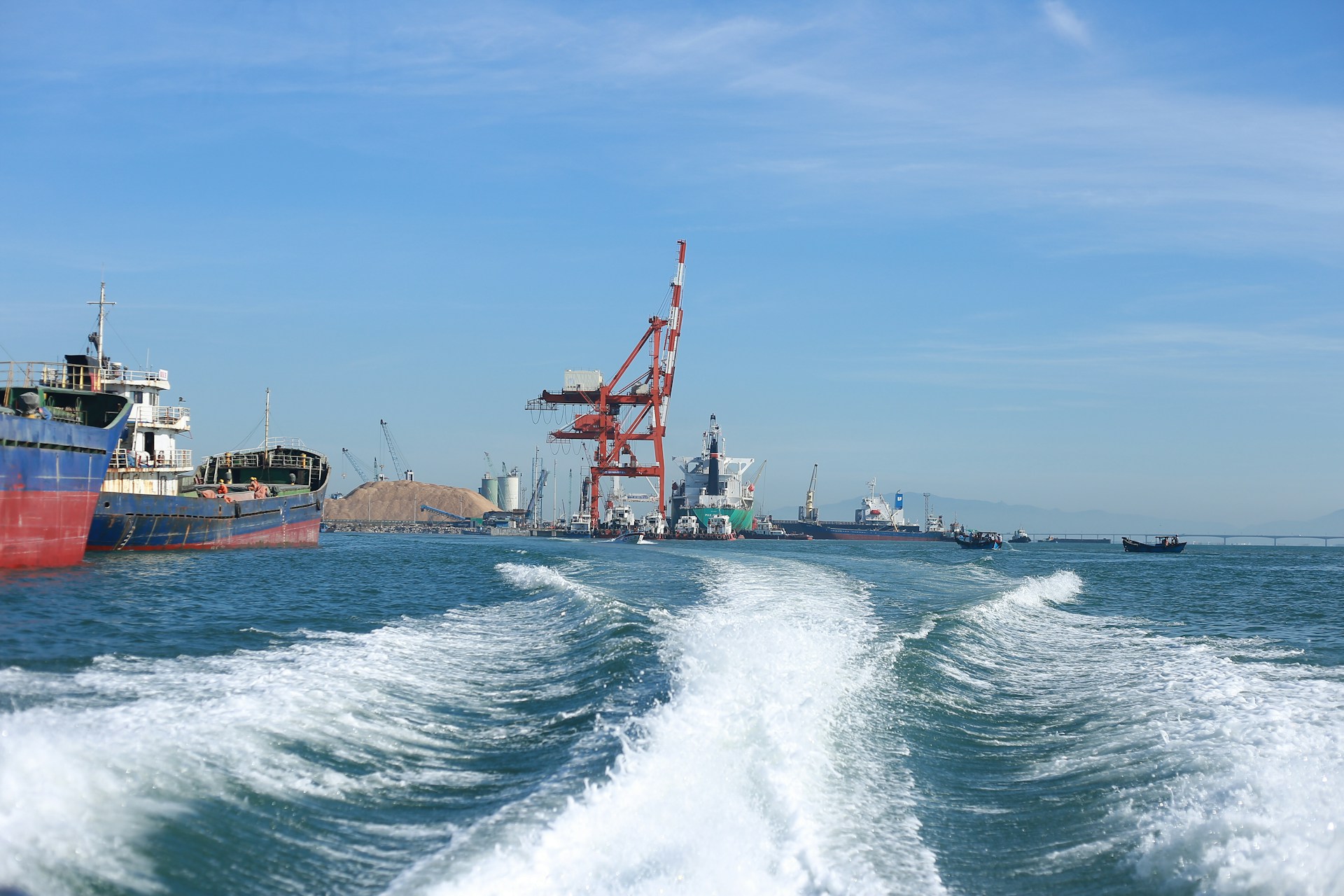
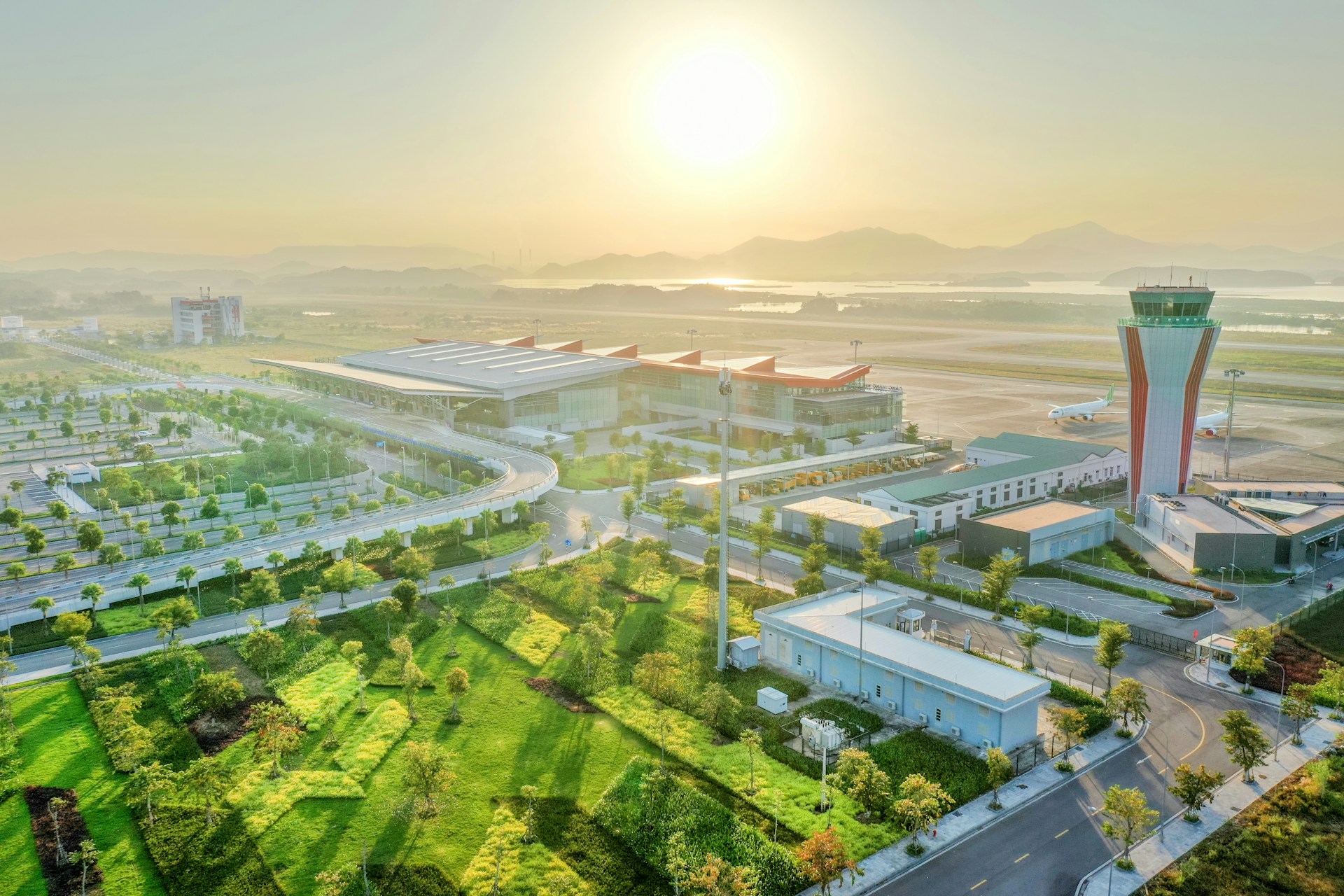
Ho Chi Minh City has Cat Lai port, which helps promote import and export activities. The city also has Tan Son Nhat international airport, which serves millions of international passengers every year. This brings a great advantage to investors in the fields of logistics, trade and transportation. The city has implemented a series of large infrastructure projects, especially in the field of transportation. The Ring Road 3 and Ring Road 4 projects, the Ho Chi Minh City – Moc Bai Expressway, and metro lines such as Metro No. 1 (Ben Thanh – Suoi Tien) are being implemented to reduce traffic congestion and connect inner-city areas with neighboring areas[5].
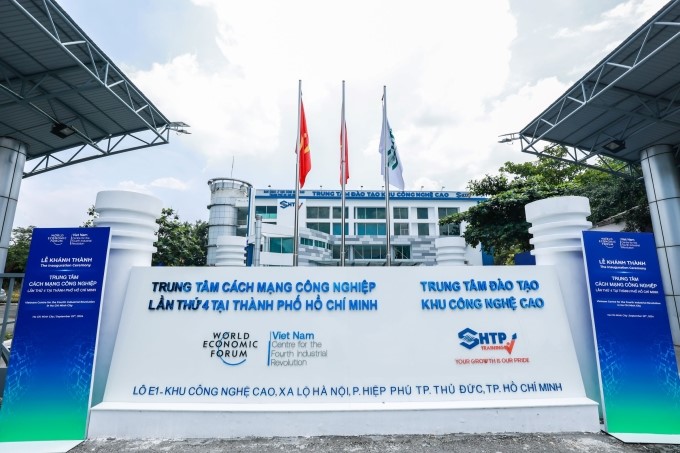
In addition, Ho Chi Minh City is promoting digital transformation to build a smart city, with projects to develop e-government and improve the quality of public services. Ho Chi Minh City inaugurated the Center for the Fourth Industrial Revolution (C4IR) on September 25, 2024, at Ho Chi Minh City Hi-Tech Park[6]. The center operates under a public-private partnership model, with the participation of large enterprises such as Viettel, Sovico, HD Bank and Techcombank. C4IR is part of the World Economic Forum (WEF) global network, and is the second center in Southeast Asia after Malaysia. The center focuses on four core technologies: artificial intelligence, 5G network, Internet of Things (IoT) and enterprise management systems, to promote digital transformation in businesses and industries. The launch of C4IR is expected to help Ho Chi Minh City become an innovation center, attracting investors in the fields of technology, telecommunications and big data[7].
Related article











Log in / Register
Continue without an account
Log in / Register
SUBSCRIBE NEWSLETTER