

 English
  日本語
日本語  Tiếng Việt
  简体中文
简体中文  한국어
한국어 Vietnam is taking a significant step toward establishing itself as a major player in the global financial landscape with its ambitious plan to develop an International Financial Center (IFC). This initiative aims to attract international capital, enhance financial services, and integrate Vietnam more deeply into the global economy. The government has been actively promoting this

25Apr2025
Latest News & Report / Vietnam Briefing
Comments: No Comments.
Vietnam is taking a significant step toward establishing itself as a major player in the global financial landscape with its ambitious plan to develop an International Financial Center (IFC). This initiative aims to attract international capital, enhance financial services, and integrate Vietnam more deeply into the global economy. The government has been actively promoting this project, particularly in Ho Chi Minh City (HCMC), the country’s economic hub. As Vietnam pushes forward with this vision, foreign investors have a unique opportunity to participate in a financial sector that is undergoing rapid transformation.
The Vision of an International Financial Center
Vietnam’s vision to build an IFC stems from the desire to diversify its economy, deepen financial markets, and position itself as a gateway to global capital. As the country continues to climb the ladder of global economic rankings, the government recognizes that an efficient, open, and sophisticated financial system is a prerequisite for sustained development.
Despite accounting for only about 10% of Vietnam’s population and just 0.63% of its total land area, Ho Chi Minh City contributed approximately USD 70 billion to the national GDP in 2024—equivalent to around 15%—highlighting its strong potential to become a global financial center ([1]).
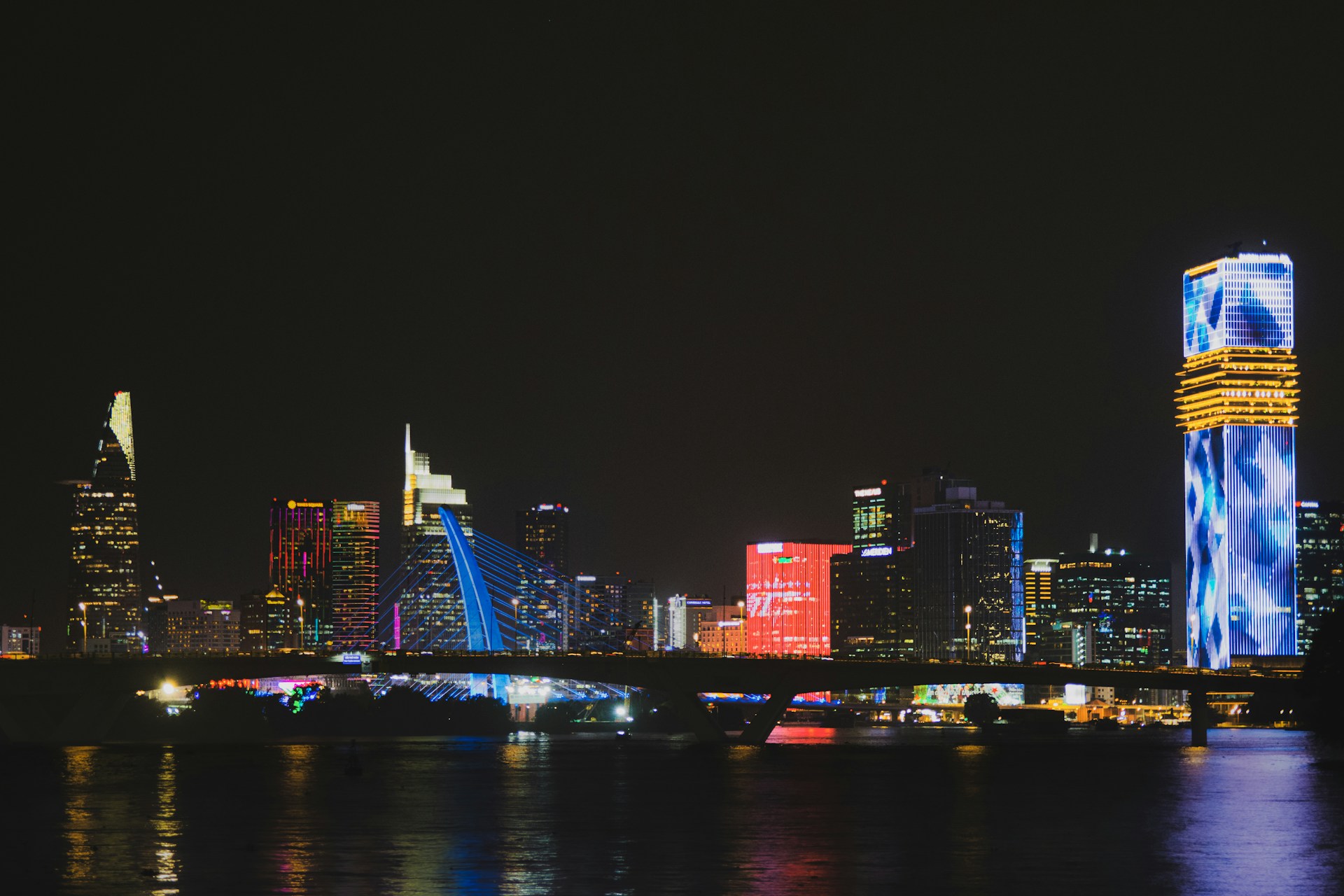
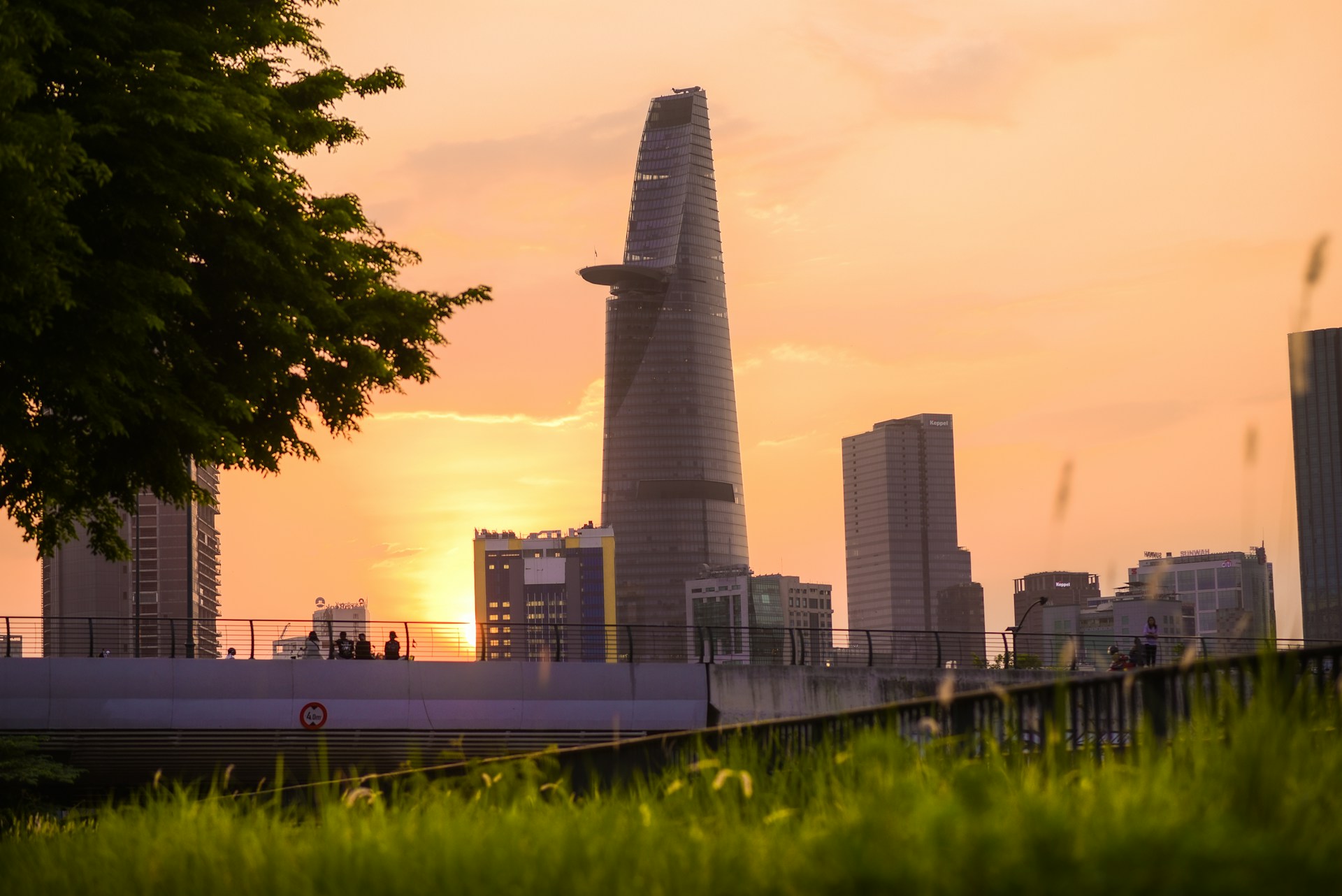
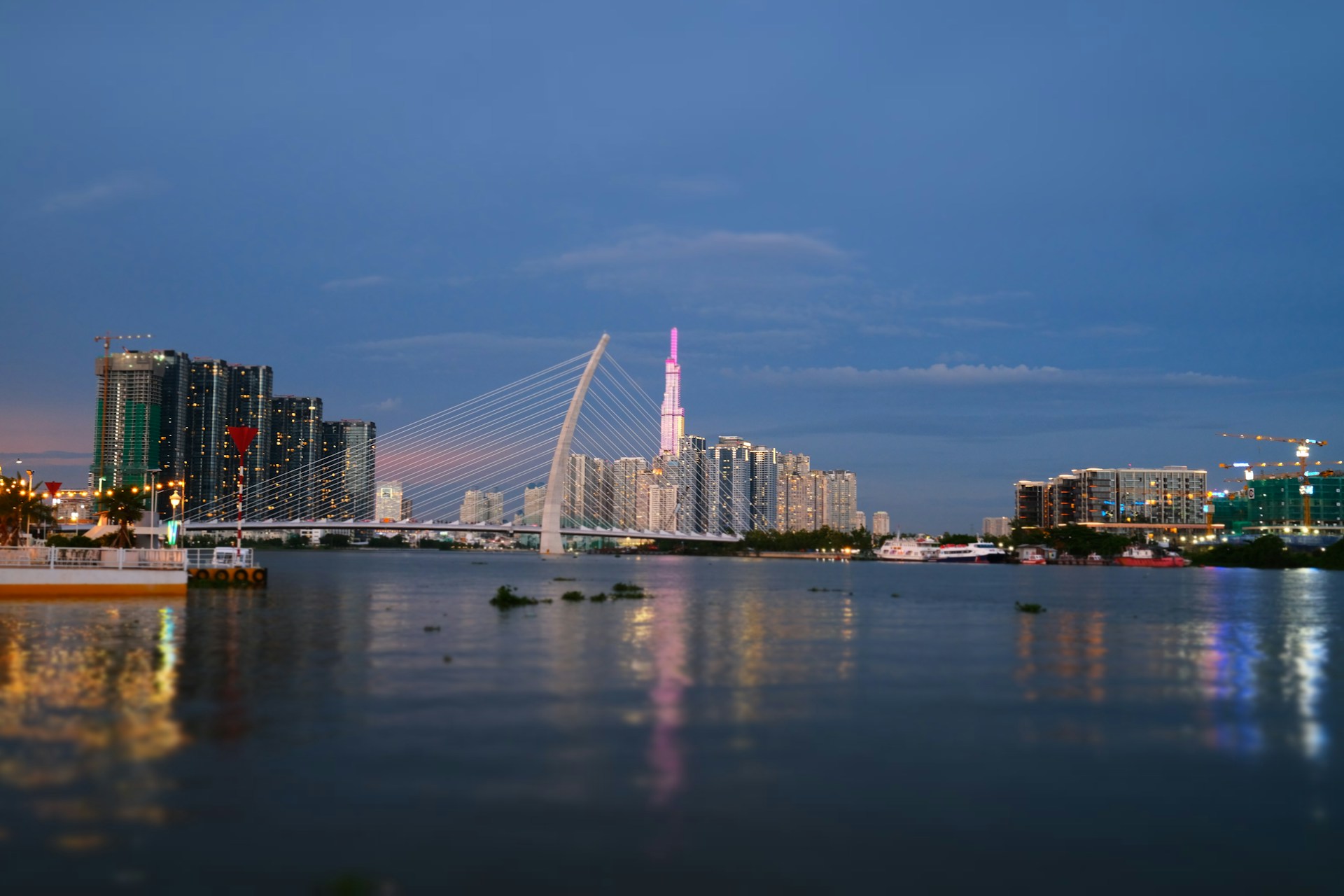
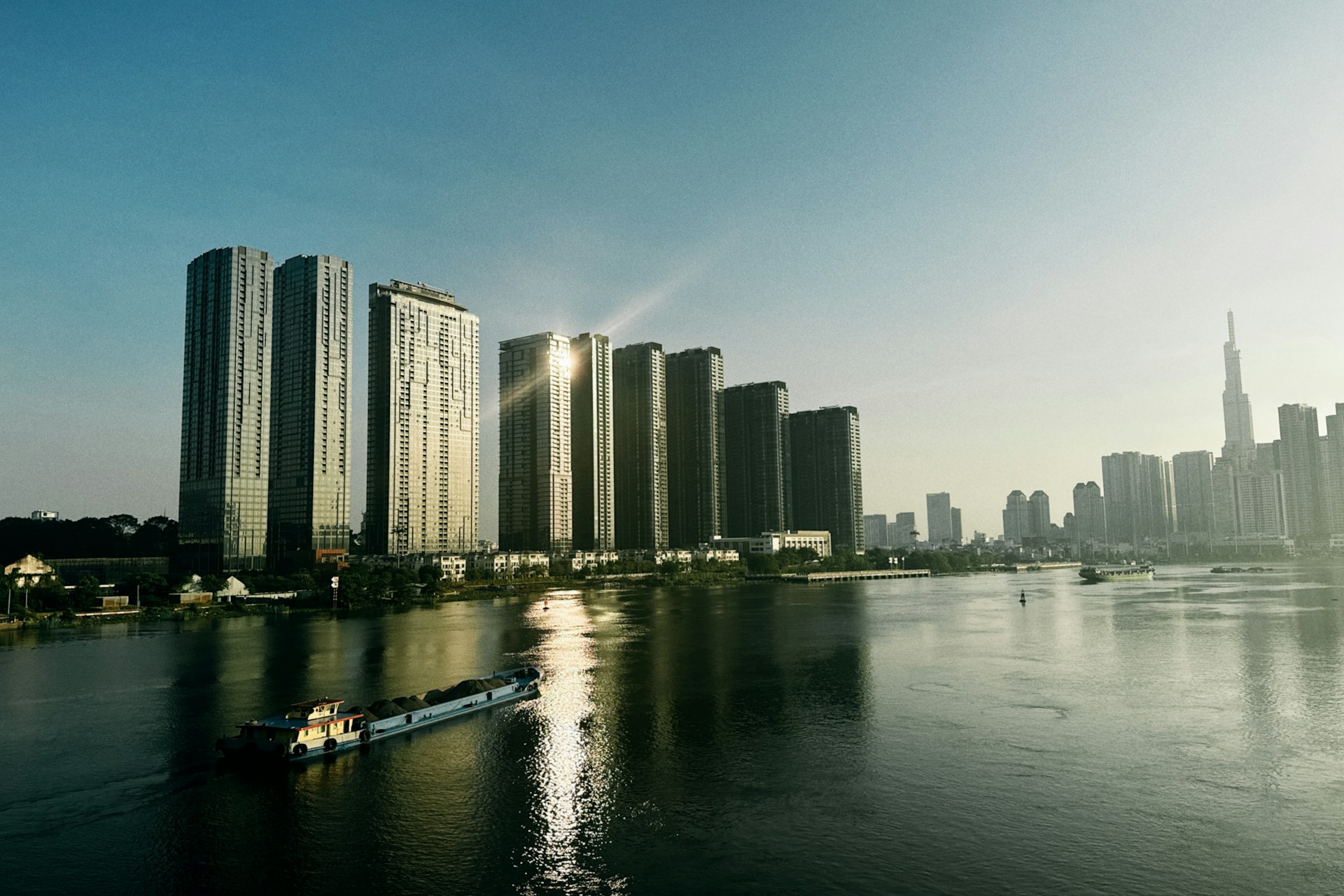
A critical milestone in this initiative is the development of a 9.2-hectare plot in the Thu Thiem New Urban Area in Ho Chi Minh City, which has been officially designated as the core site for the southern international financial center ([2]). This location is set to host headquarters of major financial institutions, fintech startups, and infrastructure supporting modern financial operations. The city’s People’s Committee has submitted its investment policy and awaits central government approval, which is expected to be a catalyst for construction to begin.
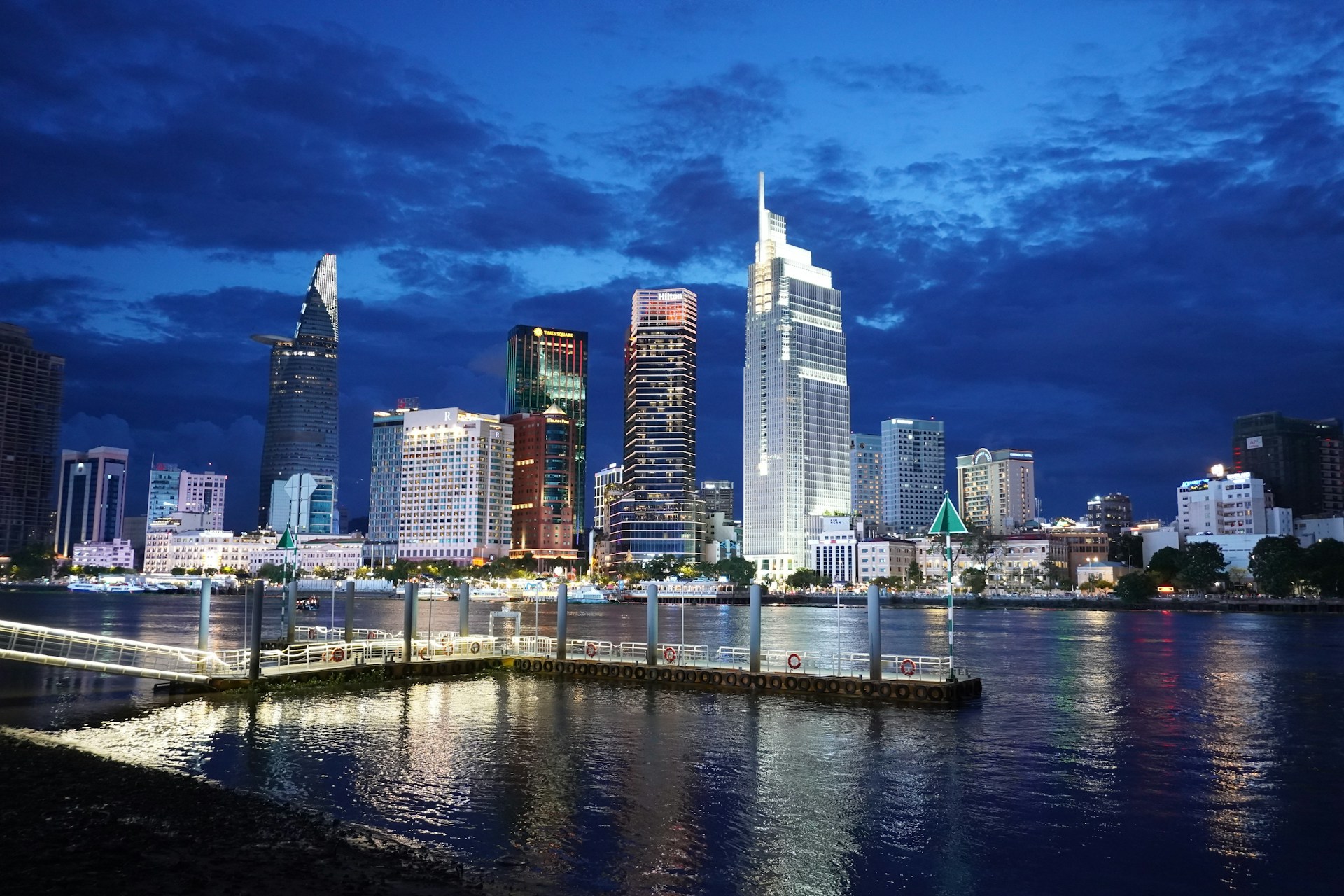
Panorama of Thu Thiem new urban area
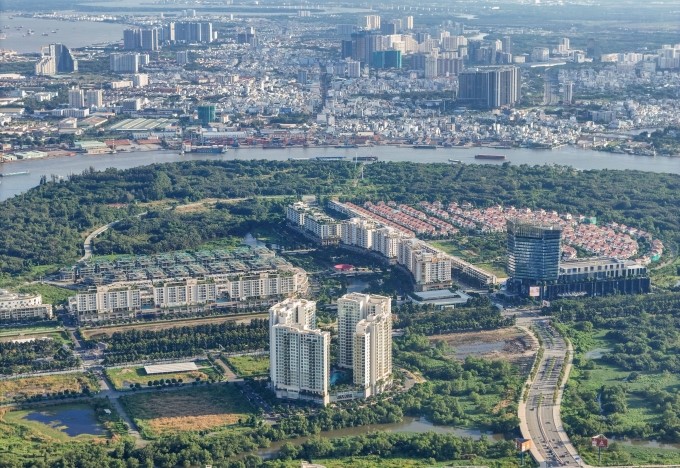
Source: VnExpress
Several factors make Vietnam – particularly Ho Chi Minh city stands out as an attractive destination for investment in finance. Its political stability, consistent economic growth, and strategic location in Southeast Asia offer a competitive advantage.
Vietnam has made significant progress in building the foundations necessary for a competitive financial center. Since the Đổi Mới reforms in the late 1980s, the country has undergone rapid economic transformation. According to the General Statistics Office, Vietnam’s GDP reached VND 9,513 trillion (around USD 409 billion) in 2022—more than tenfold its size in 2000. Per capita GDP rose to USD 4,110 in 2022, and the International Monetary Fund projects this will reach USD 615.6 billion by 2024, ranking Vietnam fourth in the ASEAN-6 group.
The country’s digital economy is the fastest growing in Southeast Asia, with gross merchandise value rising 28% from USD 18 billion in 2021 to USD 23 billion in 2022. The economy is expected to grow by 31% annually through 2025. Vietnam is also one of the leading adopters of emerging technologies like fintech, metaverse platforms, blockchain, and digital currencies—demonstrating a readiness to integrate into the global financial ecosystem. In 2022, 58% of Vietnamese digital consumers used fintech solutions, including online banking, e-wallets, and money transfer apps.
Ho Chi Minh city’s geographical position is strategic, situated in a different time zone from 21 major global financial centers—giving it the potential to attract idle capital during non-trading hours. Furthermore, it lies just a 2 to 5 hour flight away from major Asian economies like Singapore, Hongkong, Tokyo and China.


Related article















Log in / Register
Continue without an account
Log in / Register
SUBSCRIBE NEWSLETTER