

 한국어
한국어  English
  日本語
日本語  Tiếng Việt
  简体中文
简体中文 베트남에서 순환 경제로의 전환을 위한 핵심 정책 수단으로 생산자 책임 확대(EPR) 제도가 부상하고 있습니다.

053월2026
최신 뉴스 및 보고서 / 베트남 브리핑
댓글: 댓글 없음.
추상적인
생산자 책임 확대(EPR)는 베트남의 순환 경제 전환에 있어 핵심적인 정책 수단으로 부상하고 있습니다. EPR은 생산자와 수입업자가 사용 후 제품 및 포장재의 수거, 재활용 및 처리에 대한 책임을 지도록 의무화합니다. 본 논문에서는 EPR의 현황과 포장재, 소비재, 전자제품, 소매업 부문에 미치는 영향, 그리고 시행상의 과제를 분석합니다.
베트남 상황 개요
폐기물 상황
베트남은 급속한 도시화, 산업 성장, 소비 증가로 인해 폐기물 관리 측면에서 점점 더 큰 어려움에 직면하고 있습니다. 특히 플라스틱 포장 폐기물이 심각한 문제입니다. 환경단체 Earth Action의 '2025년 플라스틱 과잉 소비의 날(Plastic Overshoot Day)' 보고서는 플라스틱 폐기물 관리 부실 문제를 중점적으로 다루었습니다(잘 관리된 플라스틱 폐기물은 수거 후 재활용, 소각 또는 매립되는 경우). 베트남은 이 부문에서 7위를 기록했습니다.그 전 세계적으로 제대로 관리되지 않는 플라스틱 폐기물의 양은 210만 톤에 달합니다.[1].
Top 10 countries with highest amount of mismanaged plastic waste in 2025
단위: 백만 톤
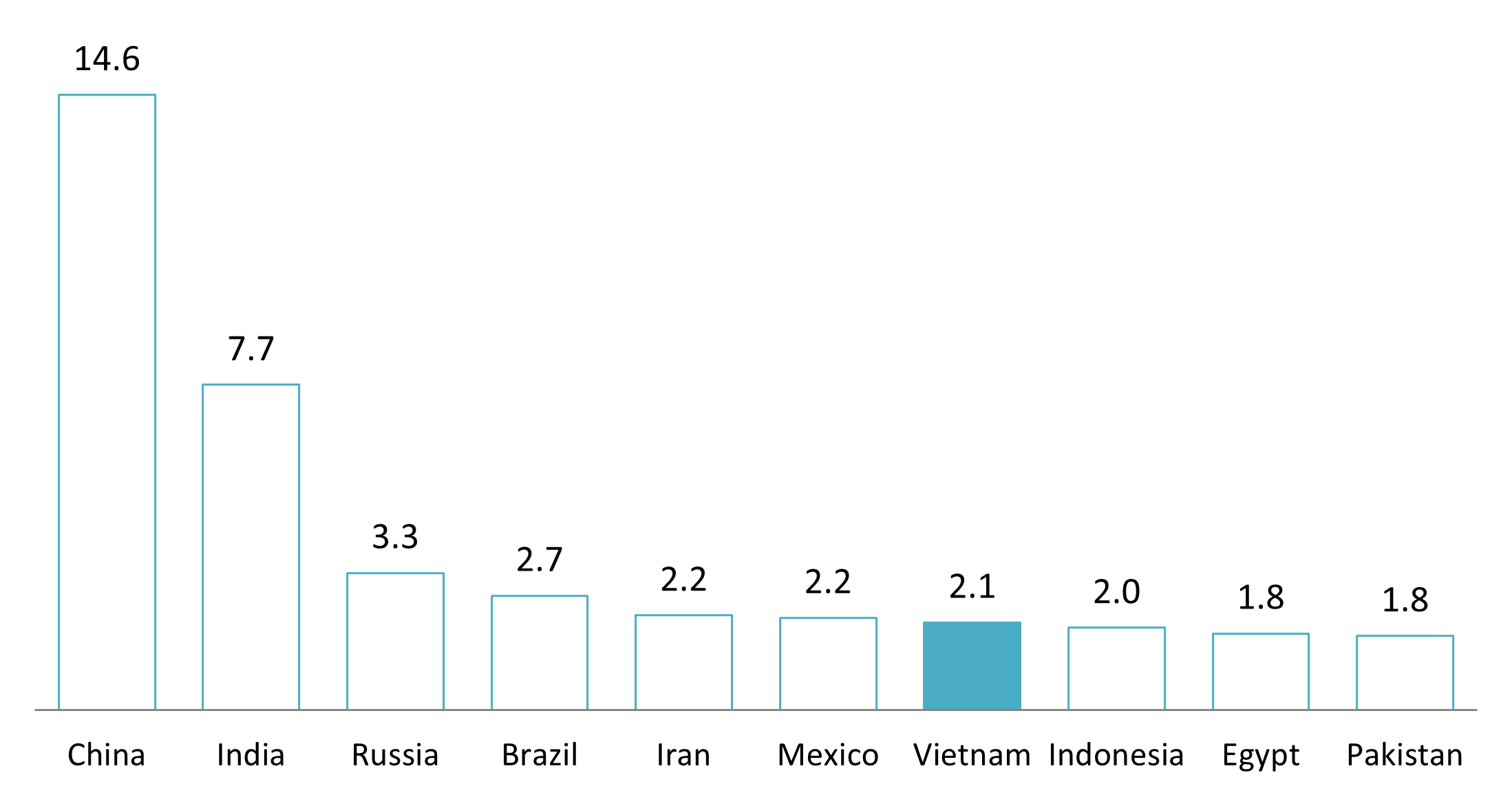
출처: 지구행동(EA)
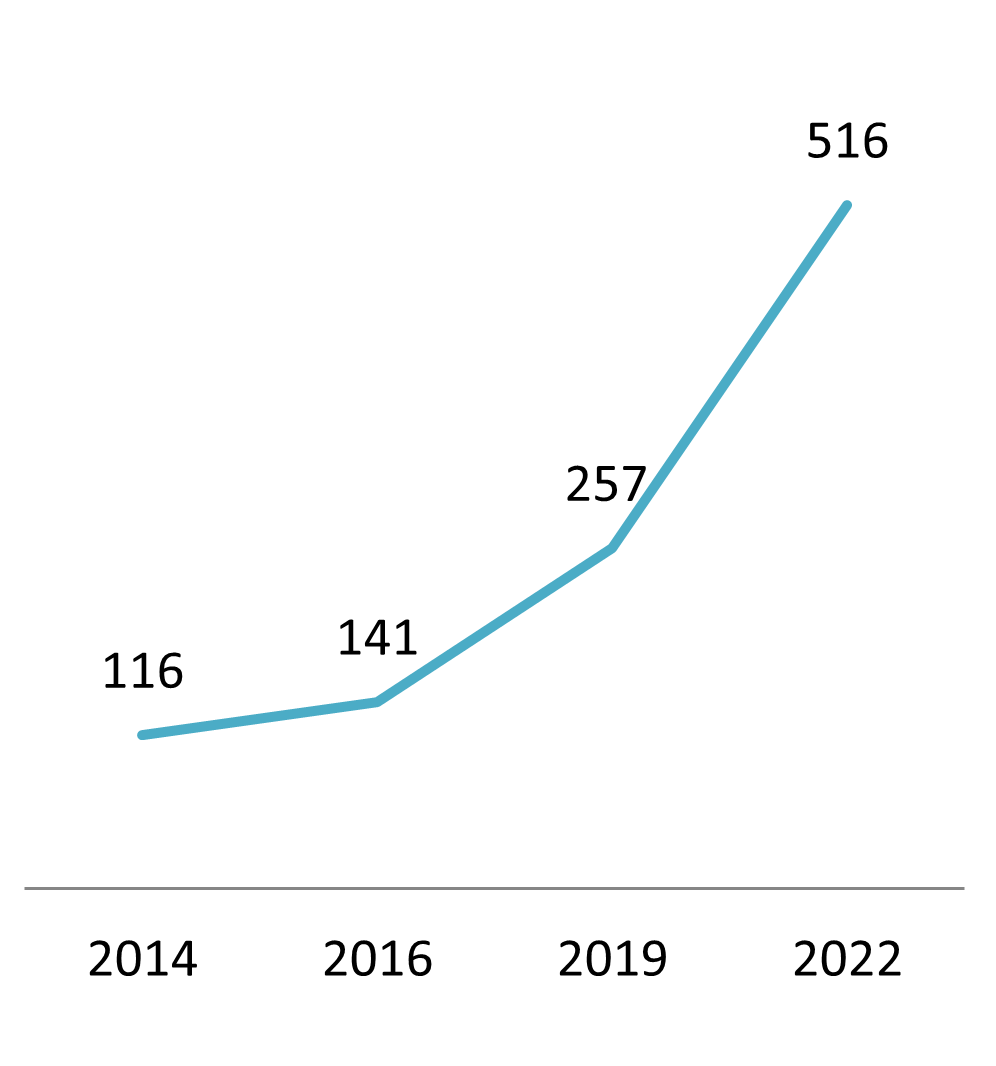
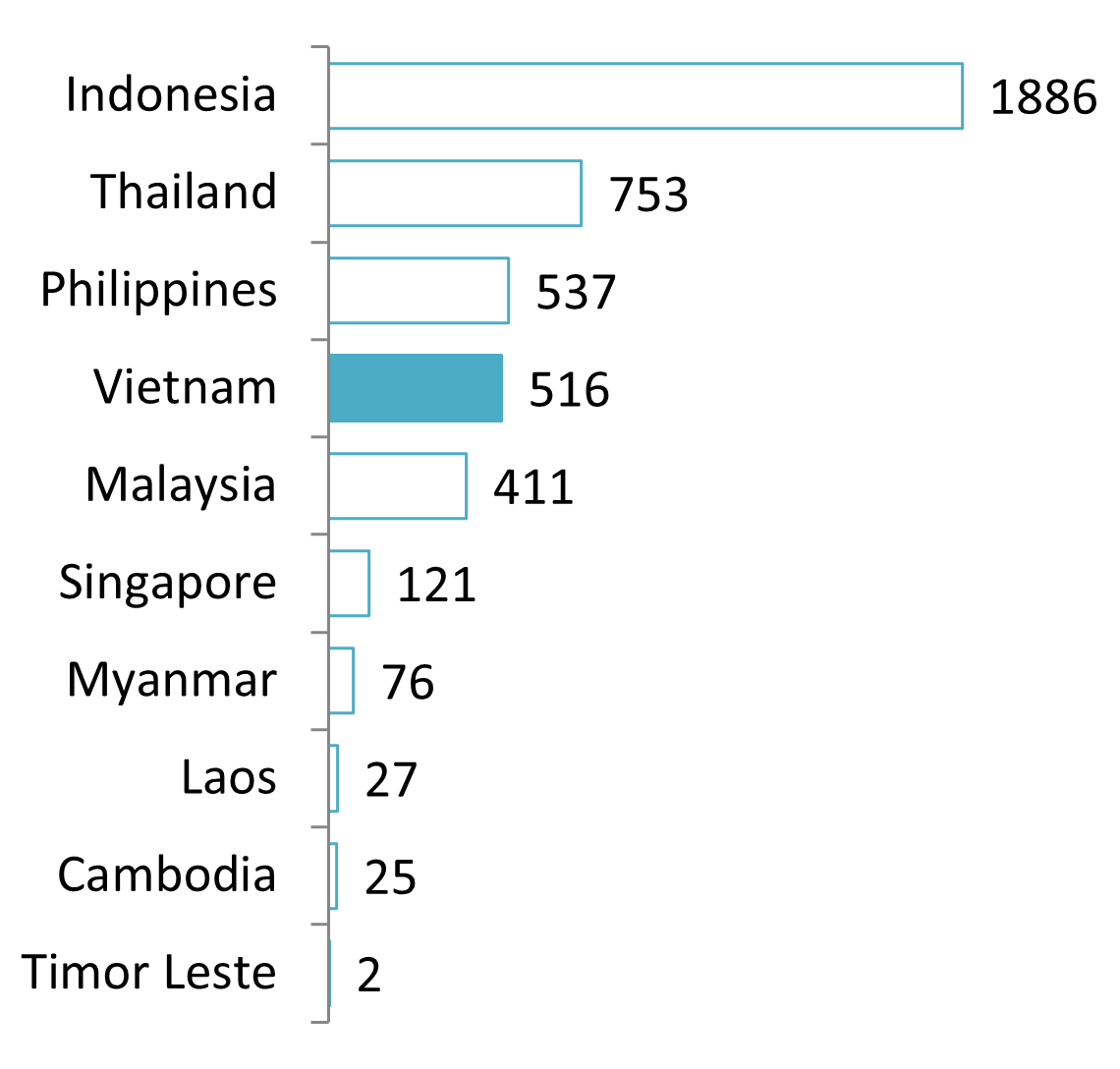
전자폐기물(e-waste)은 빠르게 증가하는 또 다른 폐기물 종류입니다. 글로벌 전자폐기물 모니터(Global E-waste Monitor)에 따르면, 베트남의 전자폐기물은 2014년부터 2022년까지 연평균 20.51톤(TP3T) 증가하여 51만 6천 톤에 달했습니다. 베트남은 또한 세계 4위를 기록했습니다.그 아세안 국가들 중 전자 폐기물 발생량이 가장 많습니다. 전자 시장의 급속한 성장과 제품 수명 단축으로 인해 전자 폐기물은 더욱 증가할 것으로 예상됩니다.[2].
향후 교통부는 2030년까지 자동차 30만 1천 3톤, 오토바이 22만 1천 3톤을 전기차로 전환하는 것을 목표로 설정했습니다.[3]전기 이동성으로의 전환은 특히 전기 자동차(EV)에 사용되는 수명이 다한 리튬 이온 배터리로 인해 전자 폐기물 발생량을 크게 증가시킬 것입니다. EV 시장 규모가 큰 국가들은 이미 이러한 문제에 직면하고 있습니다. 예를 들어, 중국에서는 초기 전기 자동차들이 수명을 다함에 따라 향후 수십 년 동안 수백만 톤의 폐 EV 배터리가 발생할 것으로 예상됩니다.[4].
| 베트남에서 발생한 전자 폐기물 (2014-2022)
단위: 천톤
|
Electronics waste generated among ASEAN countries in 2022
단위: 천톤
|
출처: 글로벌 전자폐기물 모니터
베트남의 생산자 책임 확대(EPR) 제도
베트남의 생산자 책임 확대(EPR) 체계는 주로 2020년 환경 보호법에 근거하여 수립되었으며, 08/2022/ND-CP 시행령 및 05/2025/ND-CP 시행령에서 더욱 상세하게 규정되어 있습니다.
규정에 따라 포장재, 배터리, 윤활유, 타이어, 전기전자 장비 및 차량의 생산자와 수입업자는 자체적으로 재활용을 조직하거나 베트남 환경보호기금에 재정적 기여를 하여 전국적인 재활용 및 폐기물 처리를 지원해야 합니다. 또한, 모든 사업자는 의무 재활용 기준치 이상의 비율로 포장재를 수거 및 재사용해야 합니다. 현재 알루미늄 포장재의 의무 재활용률이 가장 높고(22%), 자동차의 재활용률이 가장 낮습니다(0.5%). 이러한 재활용률은 3년 간격으로 조정될 예정입니다.[5].
EPR 구현 일정
| 제품 유형 | 구현 시작 시간 |
| 포장재 및 배터리, 윤활유, 타이어 등의 제품 | 2024년 1월 1일 |
| 전기 및 전자 제품 | 2025년 1월 1일 |
| 교통수단 | 2027년 1월 1일 |
출처: 법령 08/2022/ND-CP
베트남 농업환경부는 생산자 책임 확대(EPR) 제도가 여전히 새롭고 복잡하며, 많은 이해관계자를 포괄한다고 보고 있습니다. 따라서 별도의 시행령을 통해 파편화된 규정을 통합하고 규정 준수의 명확성을 높이고자 합니다.[6].
산업에 미치는 영향
포장 산업
포장 산업은 생산자 책임 확대(EPR) 시행의 중심에 있습니다. 이는 포장재 생산자에게 필연적으로 비용 증가를 초래합니다. 그러나 EPR은 혁신과 장기적인 변화를 위한 촉매제 역할도 합니다.
혁신적인 솔루션의 대표적인 사례로 테트라팩(Tetra Pak)이 개발한 테트라 리카트(Tetra Recart)를 들 수 있습니다. 테트라 리카트는 야채, 콩, 수프, 즉석식품과 같이 상온 보관이 가능한 식품을 위해 설계된 종이팩 형태의 포장재로, 기존 금속 캔보다 가볍고 재활용이 용이한 대안입니다. 이 포장재는 운송 중량과 탄소 배출량을 줄이는 동시에 방부제 없이도 식품의 유통기한을 연장해 줍니다.[7]베트남에서는 이 솔루션이 농산물 가공 및 수출을 지원하기 위해 도입되었으며, 현지 식품 생산자들이 가공 채소 및 즉석식품과 같은 제품을 포장하는 데 도움을 주고 있습니다.[8].
Tetra Recart production line installed at Doveco (Dong Giao Foodstuff Export JSC)
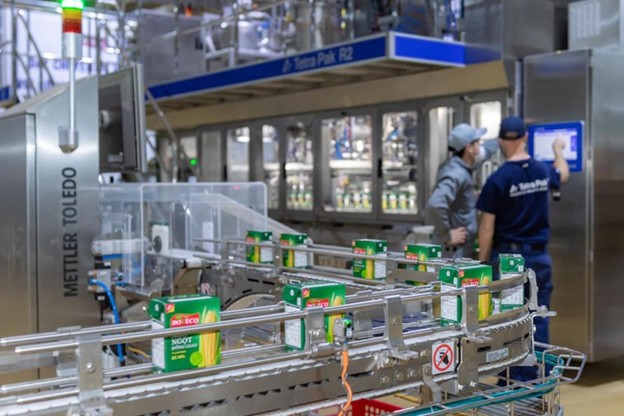
출처: 테트라팩
소비재(FMCG) 산업
소비재(FMCG) 부문은 매년 막대한 양의 포장재를 시장에 출시하기 때문에 베트남에서 생산자 책임 확대(EPR)의 영향을 가장 직접적으로 받는 산업 중 하나입니다. 소비재 제품은 회전율이 높고 마진이 낮기 때문에 포장 비용이 조금만 증가해도 수익성에 상당한 영향을 미칠 수 있습니다. 동시에 베트남 도시 지역에서 지속가능성에 대한 소비자 인식이 높아지고 있어 브랜드에게는 압력과 기회가 동시에 발생하고 있습니다.
주목할 만한 사례로 유니레버 베트남은 다음과 같은 약속을 했습니다. 병 포장재의 751톤을 재활용 가능한 소재로 만들고, 포장재 생산에 사용되는 신규 플라스틱 사용량을 871톤 감축하며, 수거 및 재활용하는 플라스틱 폐기물의 양을 시장에 출시하는 포장재의 양과 동일하게 맞추겠다는 것입니다.[9]유니레버 베트남의 여러 브랜드 제품에서 PCR(재활용 플라스틱)을 사용하고 있습니다.
Sunlight packaging is 100% made from PCR plastic

출처: 유니레버 베트남
전자 산업
전자 산업은 유해하고 고가의 재료를 사용하기 때문에 독특하고 복잡한 문제에 직면해 있습니다. 포장재 폐기물 관리와 비교했을 때, 전자 폐기물 관리는 더 높은 기술력, 특수 처리 시설, 그리고 엄격한 환경 규제를 요구합니다. 그러나 공식적인 재활용 인프라는 여전히 미흡하며, 대부분의 해체 작업은 비공식 사업자들이 담당하고 있습니다.
베트남에서는 전자제품의 사용 수명이 다한 후 발생하는 전자 폐기물을 수거해야 한다는 필요성이 비교적 일찍 인식되었습니다. 2015년 HP와 애플은 베트남에서 '베트남 재활용 프로그램'을 시작하여 노트북, 프린터, 휴대폰 및 관련 액세서리를 포함한 중고 전자제품을 무료로 수거하는 장소를 마련했습니다.[10]소비자들은 수명이 다한 기기를 지정된 장소에 무료로 반납할 수 있었고, 이를 통해 제품들은 환경적으로 책임 있는 처리를 위해 인증된 재활용 시설로 운송되었습니다. 이 프로그램은 하노이와 호치민시에 약 10개의 수거 지점을 두고 10년 이상 운영되어 왔습니다.[11].
하지만 이 프로그램은 두 개의 주요 도시에만 국한되어 있으며, 고철 수집업자로부터 고철을 구매하는 비공식 업체들과 경쟁하고 있습니다. 생산자 책임 확대(EPR)의 효과가 입증됨에 따라, 이 모델에 대한 투자가 전국적으로 확대될 것으로 기대됩니다.
소매 부문
베트남에서 생산자 책임 확대(EPR) 시행에 있어 소매 부문은 생산자와 최종 소비자 사이에서 중개자 역할을 수행합니다. 소매업체들은 점점 더 수거 시스템을 지원하고, 친환경 제품을 홍보하며, 소비자 행동에 영향을 미칠 것으로 기대되고 있습니다.
대표적인 사례로 센트럴 리테일의 메가 마켓을 들 수 있습니다. 이 회사는 베트남 최초로 계산대에서 무료 비닐봉투 제공을 중단한 슈퍼마켓 체인입니다. 대신 골판지 상자, 재사용 가능한 쇼핑백, 생분해성 비닐봉투와 같은 대안을 제공하고 있습니다.[12]또한, 이 슈퍼마켓 체인은 사용한 우유팩, 알루미늄 캔, 플라스틱 병을 수거하는 수거함을 설치했습니다. 메가 마켓은 이러한 활동을 통해 소비자들이 가정에서 쓰레기를 분리 배출하는 습관을 기르도록 돕고, 환경 의식을 고취하며 장기적인 행동 변화를 유도하는 것을 목표로 합니다.
안푸 메가마켓의 플라스틱 병, 알루미늄 캔, 우유팩, 전자 폐기물 및 유리병을 위한 종합적인 폐기물 분리수거 시스템

출처: 메가 마켓
베트남에서 생산자 책임 제도(EPR)를 적용하는 데 있어 어려움
정책적 진전에도 불구하고 실행상의 어려움은 여전히 상당합니다.
대기업과 대도시를 제외한 지역에서는 참여율이 제한적입니다.
현재 EPR(생산자 책임 확대) 참여는 대기업과 외국인 투자 기업에 집중되어 있습니다. 재활용 프로그램은 주로 하노이, 호치민시와 같은 대도시에서 활발하게 시행되고 있으며, 많은 중소기업은 EPR 참여에 필요한 인식, 기술 역량 또는 재정적 자원이 부족합니다.
파편화된 재활용 인프라
베트남의 폐기물 수거 시스템은 여전히 파편화되어 있으며, 비공식 노동자들이 주를 이루고 있습니다. 산업 규모의 재활용 인프라는 미흡하며, 규모 확대를 위해서는 상당한 자본 투자와 규제 조정이 필요합니다.
소비자 신뢰 및 참여 부족
소비자 행동은 분리수거 및 적절한 처리에 매우 중요합니다. 베트남 소비자들은 쓰레기 분리수거에 대한 의지가 점점 높아지고 있지만, 서로 다른 종류의 쓰레기통이 결국 같은 장소에 버려지는 것에 대해 우려하고 있습니다.[13]투명성과 대중의 신뢰는 전자투표제에 대한 사회적 지지를 확보하는 데 필수적입니다.
비용 압박
기업들은 재활용 가능한 포장재, 규제 준수 시스템, 재활용 기여 등에 투자해야 하므로 비용 압박은 불가피합니다. 지속 가능한 포장재는 비용이 더 많이 들지만, 고객에게 시각적으로 덜 매력적으로 보일 수 있습니다. 더욱이 가격에 민감한 시장에서는 추가 비용이 가격 인상으로 이어져 고객에게 전가될 수 있습니다.[14].
집행 및 감시의 어려움
엄격한 법 집행은 여전히 어려운 과제입니다. 물량 추적, 재활용률 검증, 그리고 벌금 부과에는 디지털 시스템과 기관 간 협력이 필요합니다. 현재의 제재 조치는 기업의 법규 미준수를 막기에 충분히 강력하지 않을 수 있습니다.
더 보기
* 이 기사에서 정보를 인용하고자 하신다면 출처를 원문 기사 링크와 함께 인용하여 저작권을 존중해 주시기 바랍니다.
| B&Company
2008년부터 베트남에서 시장 조사 전문 기업으로 활동해 온 최초의 일본 기업입니다. 산업 보고서, 업계 관계자 인터뷰, 소비자 설문 조사, 비즈니스 매칭 등 폭넓은 서비스를 제공합니다. 또한, 최근에는 베트남 기업 90만 개 이상의 데이터베이스를 구축하여 파트너 발굴 및 시장 분석에 활용하고 있습니다. 문의 사항이 있으시면 언제든지 저희에게 문의해 주세요. info@b-company.jp + (84) 28 3910 3913 |
[1] Earth Action, 플라스틱 과잉 소비의 날 – 2025년 보고서, https://plasticovershoot.earth/wp-content/uploads/2025/09/EA_POD_report_2025_HD.pdf
[2] 사이공 타임스, 베트남의 전자 폐기물 및 EPR 정책의 허점, https://thesaigontimes.vn/rac-dien-tu-va-khoang-trong-trong-chinh-sach-epr-tai-viet-nam/
[3] 결정 제1191/QĐ-BGTVT호, 2030년까지 운송 부문 온실가스 배출량 감축 계획, https://thuvienphapluat.vn/van-ban/Tai-nguyen-Moi-truong/Quyet-dinh-1191-QD-BGTVT-2024-Ke-hoach-Giam-nhe-phat-thai-khi-nha-kinh-linh-vuc-giao-thong-629175.aspx
[4] 중국 국무원 정보판공실, 전기차 배터리 재활용 붐, 녹색 전환 촉진 및 세계 시장 공략, http://english.scio.gov.cn/m/in-depth/2025-06/05/content_117912829.html
[5] 환경보호법 일부 조항에 대한 상세 설명이 담긴 시행령 제08/2022/ND-CP호, https://thuvienphapluat.vn/van-ban/Tai-nguyen-Moi-truong/Nghi-dinh-08-2022-ND-CP-huong-dan-Luat-Bao-ve-moi-truong-479457.aspx
[6] 베트남 농업환경부는 생산자 책임 확대를 위한 법적 체계 강화 방안을 추진하고 있습니다. (https://en.mae.gov.vn/vietnam-moves-to-strengthen-legal-framework-for-extended-producer-responsibility-9037.htm)
[7] 테트라 팩, 테트라 리카트, https://www.tetrapak.com/en-vn/solutions/packaging/packages/food-packages/tetra-recart
[8] Tuoi tre, Tetra Recart 포장 솔루션으로 베트남 농업 시장에서 혁신을 이루다, https://tuoitre.vn/but-pha-thi-truong-nong-san-viet-voi-giai-phap-bao-bi-tetra-recart-20250724101335164.htm
[9] 유니레버, 지속가능성, https://www.unilever.com.vn/sustainability/cai-thien-suc-khoe-hanh-tinh/
[10] 환경 전문지, HP와 애플, 베트남에서 전자제품 무료 반환 및 재활용 프로그램 공식 출범 발표 https://tapchimoitruong.vn/
[11] PRO Vietnam, 전자 폐기물은 어떻게 처리되나요?, https://provietnam.com.vn/tin-tuc-chung/rac-dien-tu-duoc-xu-ly-the-nao/
[12] 콩 트엉 신문, 베트남 MM 메가 마켓의 친환경 유통 시스템 구축, https://congthuong.vn/xay-dung-he-thong-phan-phoi-xanh-o-mm-mega-market-viet-nam-271404.html
[13] PRO Vietnam은 2026년 로드맵 "시스템 투명성 – 사회적 신뢰 강화"를 발표했습니다. (https://provietnam.com.vn/tin-pro-viet-nam/thong-cao-bao-chi-pro-viet-nam-cong-bo-lo-trinh-2026-minh-bach-he-thong-cung-co-niem-tin-xa-hoi/)
[14] VnEconomy, 베트남 기업들이 재활용에 대한 책임을 강화하고 있다, https://vneconomy.vn/doanh-nghiep-viet-tang-trach-nhiem-tai-che.htm
관련기사




















로그인 / 회원가입
뉴스레터 구독