

 Tiếng Việt
  English
  日本語
日本語  简体中文
简体中文  한국어
한국어 B&Company gần đây đã được giới thiệu trên VTV’s Vietnam Today để chia sẻ những hiểu biết về cách AI được áp dụng trong ngành thời trang và may mặc của Việt Nam.

18/08/2026
Nội dung nổi bật / Nội dung nổi bật JP / Nội dung nổi bật vi / Tin tức & Báo cáo mới nhất
Bình luận: Không có bình luận.
B&Company gần đây đã xuất hiện trên VTV’s Việt Nam Ngày Nay để chia sẻ những góc nhìn về cách trí tuệ nhân tạo (AI) đang được ứng dụng trong toàn ngành thời trang và may mặc của Việt Nam, từ thiết kế và sản xuất đến bán lẻ. Chương trình được phát sóng vào ngày 12 tháng 8 năm 2026.
Các điểm chính
Theo góc nhìn của B&Company, AI ngày càng trở thành một công cụ thiết thực cho ngành thời trang và may mặc Việt Nam, hỗ trợ phát triển sản phẩm nhanh hơn, sản xuất hiệu quả hơn, dự báo nhu cầu và nâng cao trải nghiệm cá nhân hóa cho khách hàng.
Tuy nhiên, AI không thay thế sự sáng tạo hay khả năng ra quyết định của con người. Giá trị kinh doanh của AI phụ thuộc vào việc doanh nghiệp kết hợp công nghệ với dữ liệu chất lượng, đội ngũ có kỹ năng, quy trình quản lý rõ ràng và bản sắc thương hiệu khác biệt như thế nào.
B&Company trên Vietnam Today về AI trong ngành thời trang và may mặc
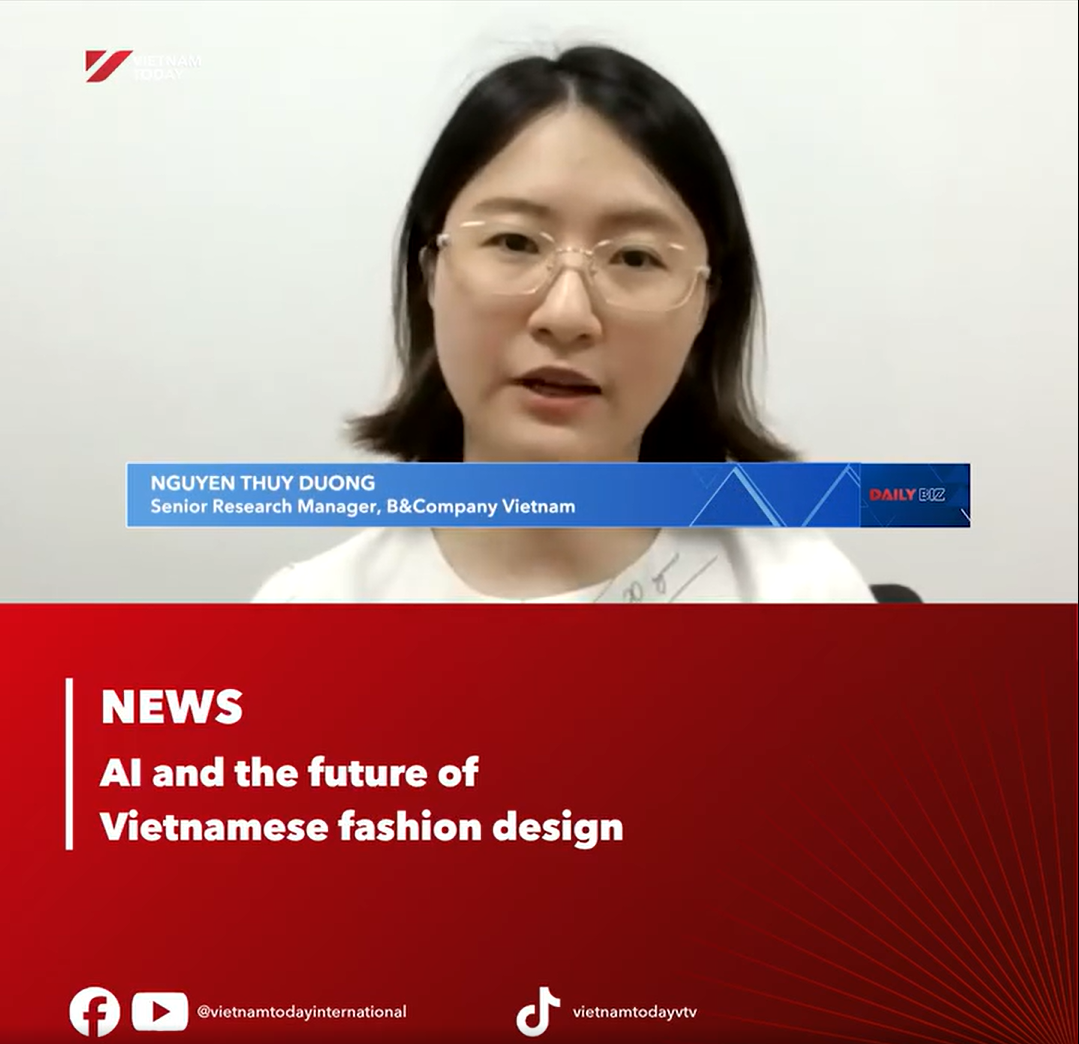
Xem toàn bộ bản tin trên Vietnam Today:
Nguồn: Việt Nam Ngày Nay
Được thành lập tại Nhật Bản năm 2001 với tư cách là công ty tư vấn nghiên cứu thị trường và đầu tư ra nước ngoài có trụ sở tại Tokyo, B&Company đã mở rộng sang Việt Nam từ năm 2008, với văn phòng tại Hà Nội và Thành phố Hồ Chí Minh. Trong gần hai thập kỷ qua, chúng tôi đã hỗ trợ khách hàng trên nhiều ngành nghề khác nhau trong việc hiểu thị trường Việt Nam và đưa ra các quyết định kinh doanh chiến lược.
Nếu bạn đang có kế hoạch thâm nhập hoặc mở rộng sang các thị trường thời trang, dệt may, may mặc, bán lẻ hoặc liên quan đến AI tại Việt Nam, B&Company có thể hỗ trợ doanh nghiệp của bạn thông qua nghiên cứu thị trường, phỏng vấn ngành, khảo sát người tiêu dùng, tư vấn gia nhập thị trường và kết nối kinh doanh.
Nội dung phỏng vấn về việc ứng dụng AI trong ngành thời trang Việt Nam
Cô Dương Nguyễn – Trưởng phòng Nghiên cứu cấp cao tại B&Company

Câu hỏi 1: AI đang thay đổi ngành thời trang Việt Nam như thế nào?
Trả lời:
Theo phân tích của B&Company, tác động của AI đang ngày càng thể hiện rõ nhất ở ba lĩnh vực: thiết kế, sản xuất và bán lẻ.
– Trong thiết kế, AI có thể hỗ trợ phân tích xu hướng, gợi ý màu sắc và họa tiết, tạo ra các ý tưởng thiết kế ban đầu và dựng mô phỏng 3D trước khi sản xuất mẫu vật lý. AI cũng đang được nghiên cứu như một công cụ số hóa và tái hiện các họa tiết truyền thống, yếu tố văn hóa. Tuy nhiên, nhà thiết kế vẫn giữ vai trò trung tâm trong việc quyết định phom dáng, chất liệu, tính khả thi sản xuất, câu chuyện thương hiệu và định hướng sáng tạo cuối cùng.
– Trong sản xuất và quản lý, một số doanh nghiệp tiên phong tại Việt Nam đã ghi nhận cải thiện ở các quy trình cụ thể sau khi áp dụng AI và tự động hóa. Ví dụ, Việt Thắng Jean cho biết đã giảm đáng kể khối lượng công việc quản lý dữ liệu và chi phí vận hành, đồng thời rút ngắn đáng kể thời gian phát triển mẫu. May 10 báo cáo năng suất cao hơn ở một số quy trình tự động hóa, trong khi Vinatex nhấn mạnh việc rút ngắn thời gian sản xuất thông qua tối ưu hóa quy trình, quản lý chuỗi cung ứng và dự báo nhu cầu.
– Trong bán lẻ, AI đang được ứng dụng vào gợi ý sản phẩm, chatbot, phân tích hành vi khách hàng, trải nghiệm cá nhân hóa và hình ảnh hóa thời trang ảo. Các doanh nghiệp Việt Nam cũng đang thử nghiệm hình ảnh thời trang do AI tạo ra và giải pháp thử đồ ảo. Tuy nhiên, hiện vẫn còn hạn chế về bằng chứng công khai cho thấy tác động trực tiếp của các công nghệ này đối với tỷ lệ chuyển đổi bán hàng hoặc tỷ lệ trả hàng tại Việt Nam.
Câu hỏi 2: Các doanh nghiệp thời trang Việt Nam đang đối mặt với những cơ hội và thách thức nào khi ứng dụng AI?
Trả lời:
Một trong những cơ hội lớn nhất là khả năng rút ngắn chu kỳ từ ý tưởng đến sản phẩm hoàn thiện.
AI và mô phỏng 3D có thể giảm số vòng làm mẫu thực tế, trong khi dự báo nhu cầu có thể giúp doanh nghiệp cải thiện kế hoạch tồn kho. AI cũng có thể hỗ trợ trải nghiệm mua sắm cá nhân hóa và cho phép các doanh nghiệp có dữ liệu được tổ chức tốt tận dụng hiệu quả hơn các thiết kế, họa tiết, thông tin bán hàng và phản hồi khách hàng trong quá khứ.
Tuy nhiên, khoảng cách giữa nhận thức và triển khai trên quy mô lớn vẫn còn đáng kể.
Theo thông tin được Hiệp hội Dệt May, Thêu Đan TP. Hồ Chí Minh dẫn lại, chỉ khoảng 20% doanh nghiệp dệt may đã ứng dụng chuyển đổi số ở các mức độ khác nhau, trong khi nhiều doanh nghiệp nhỏ và vừa vẫn đang ở giai đoạn nhận thức hoặc chuẩn bị.
Một khảo sát rộng hơn năm 2025 của ITviec cũng cho thấy thách thức mà các doanh nghiệp Việt Nam đang đối mặt. Mặc dù 73% doanh nghiệp được khảo sát đã tích hợp AI ở một mức độ nào đó, chỉ 13.8% đã đạt đến giai đoạn mở rộng quy mô hoặc áp dụng toàn diện. Thiếu hụt kỹ năng AI nội bộ và nhân sự giàu kinh nghiệm là một trong những rào cản chính.
Chất lượng dữ liệu, quyền riêng tư, sở hữu trí tuệ và quản trị cũng đang ngày càng trở nên quan trọng.
Các giải pháp thử đồ ảo và cá nhân hóa có thể liên quan đến hình ảnh khách hàng, số đo cơ thể và lịch sử mua hàng. Vì vậy, doanh nghiệp cần có quy trình rõ ràng để quản lý dữ liệu cá nhân và bảo đảm tuân thủ các yêu cầu bảo vệ dữ liệu của Việt Nam.
Đối với thiết kế hỗ trợ bởi AI, các công ty cũng nên lưu giữ hồ sơ về nguồn dữ liệu, mức độ tham gia của con người và các quy trình được sử dụng để rà soát và chỉnh sửa đầu ra do AI tạo ra. Doanh nghiệp không nên cho rằng nội dung do AI tạo ra sẽ tự động được bảo hộ đầy đủ về sở hữu trí tuệ.
Câu hỏi 3: Điều gì sẽ quyết định năng lực cạnh tranh trong kỷ nguyên AI?
Trả lời:
Từ góc nhìn của B&Company, bốn yếu tố sẽ đặc biệt quan trọng.
– Thứ nhất, dữ liệu nội bộ. Các công ty cần có dữ liệu đủ cấu trúc về thiết kế, nguyên liệu, doanh số, tồn kho và khách hàng. Quan trọng hơn, dữ liệu này nên được tích hợp vào các quy trình kinh doanh thực tế thay vì chỉ dùng AI cho các tác vụ riêng lẻ.
– Thứ hai, năng lực con người và định hướng quản lý. Ban lãnh đạo cần xác định rõ mục tiêu ứng dụng AI, trong khi các nhà thiết kế và đội ngũ vận hành phải có khả năng xác định yêu cầu, đánh giá tính khả thi, nhận diện sai sót hoặc thiên lệch, và chịu trách nhiệm đối với các quyết định cuối cùng.
– Thứ ba, bản sắc thương hiệu và sở hữu trí tuệ. Khi các công cụ AI ngày càng dễ tiếp cận, lợi thế cạnh tranh khó có thể đến từ bản thân phần mềm. Sự khác biệt sẽ ngày càng phụ thuộc vào dữ liệu độc quyền, ngôn ngữ thiết kế, sự thấu hiểu khách hàng và khả năng diễn giải các yếu tố văn hóa một cách chân thực và được quản lý tốt.
– Thứ tư, tác động vận hành có thể đo lường. Các công ty nên xác định rõ việc triển khai AI nhằm rút ngắn thời gian làm mẫu, giảm lỗi, tối ưu tồn kho, cải thiện năng suất hay nâng cao tỷ lệ chuyển đổi, sau đó theo dõi các mục tiêu này bằng những chỉ số cụ thể.
Việc áp dụng sớm tự thân không đảm bảo lợi thế cạnh tranh nếu dữ liệu nền tảng kém, quy trình kinh doanh không thay đổi hoặc đầu ra do AI tạo ra không được kiểm soát đúng cách.
Quan điểm của B&Company
AI nhiều khả năng sẽ trở thành một công cụ ngày càng quan trọng về năng suất và thử nghiệm đối với ngành thời trang và may mặc Việt Nam.
Tiềm năng lớn nhất của AI không nằm ở việc thay thế nhà thiết kế hay nhân viên, mà ở việc giúp doanh nghiệp phân tích thông tin nhanh hơn, thử nghiệm nhiều phương án hơn, rút ngắn chu kỳ phát triển, tối ưu vận hành và phản ứng nhanh hơn trước những thay đổi của nhu cầu người tiêu dùng.
Đồng thời, việc tiếp cận rộng rãi các công cụ AI tương tự có thể khiến năng lực con người, dữ liệu độc quyền, kinh nghiệm vận hành và bản sắc thương hiệu trở thành những nguồn khác biệt hóa còn quan trọng hơn.
Vì vậy, những công ty có vị thế tốt nhất để cạnh tranh sẽ là những doanh nghiệp biết kết hợp hiệu quả tốc độ và khả năng mở rộng của AI với dữ liệu chất lượng, đội ngũ năng lực, quản trị rõ ràng, mục tiêu kinh doanh có thể đo lường và bản sắc thương hiệu nhất quán.
Cuối cùng, AI có thể mở rộng những gì các công ty thời trang có thể tạo ra và thử nghiệm, nhưng trách nhiệm về định hướng, lựa chọn và ra quyết định cuối cùng vẫn thuộc về con người.
Đọc thêm
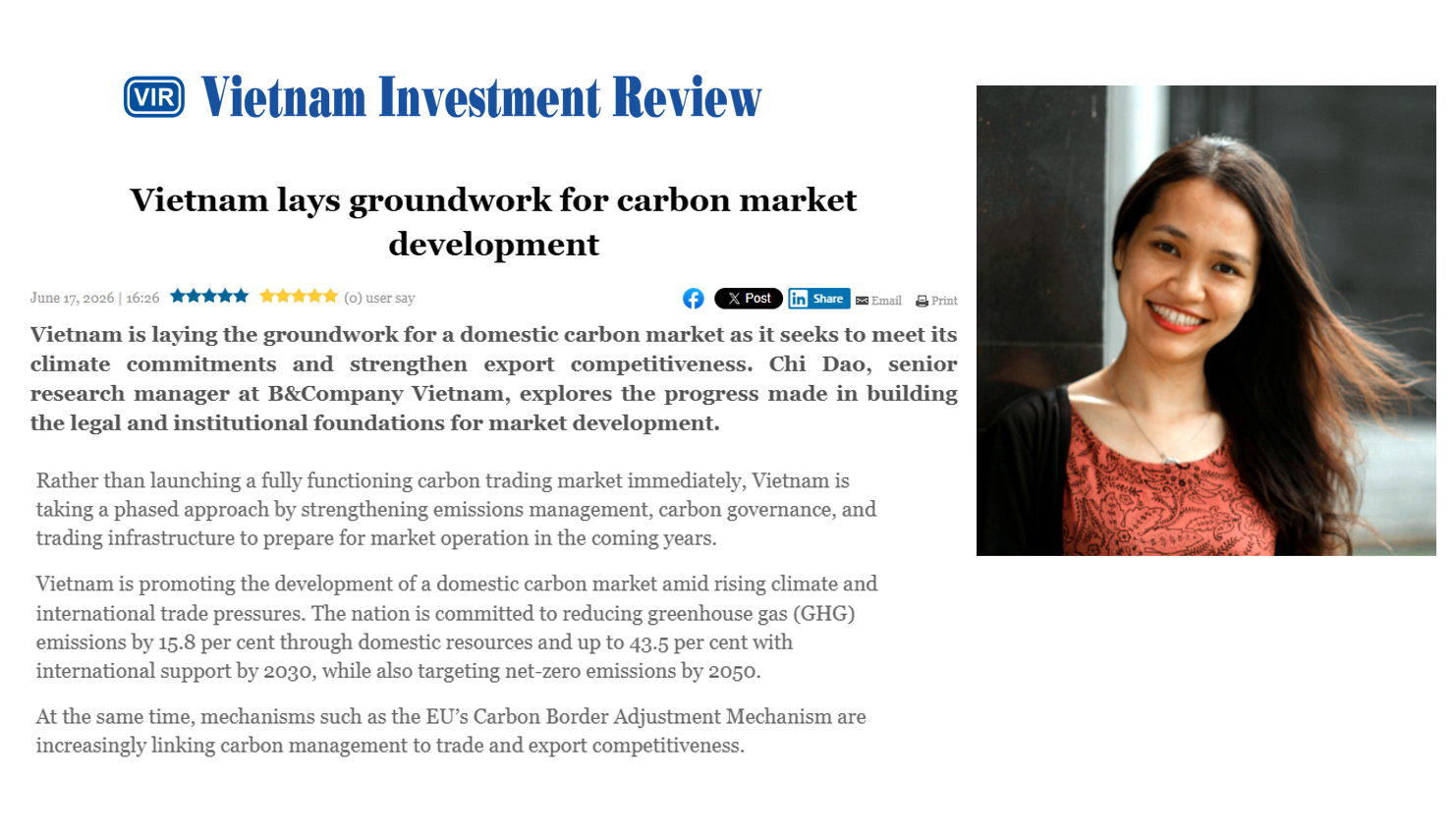
Phỏng vấn với B&Company về thị trường carbon đang phát triển của Việt Nam
* Nếu bạn muốn trích dẫn bất kỳ thông tin nào từ bài viết này, xin vui lòng ghi rõ nguồn cùng với liên kết đến bài viết gốc để tôn trọng bản quyền.
| B&Company
Công ty Nhật Bản đầu tiên chuyên về nghiên cứu thị trường tại Việt Nam kể từ năm 2008. Chúng tôi cung cấp một loạt dịch vụ bao gồm báo cáo ngành, phỏng vấn ngành, khảo sát người tiêu dùng và kết nối doanh nghiệp. Ngoài ra, chúng tôi vừa phát triển một cơ sở dữ liệu với hơn 1.000.000 công ty tại Việt Nam, có thể được sử dụng để tìm kiếm đối tác và phân tích thị trường. Xin vui lòng liên hệ với chúng tôi nếu bạn có bất kỳ câu hỏi nào. info@b-company.jp + (84) 24 3978 5165 |
Bài viết liên quan





















Đăng nhập / Đăng ký
ĐĂNG KÝ NHẬN BẢN TIN