

 English
  日本語
日本語  Tiếng Việt
  简体中文
简体中文  한국어
한국어 In Q4 2025, Vietnam logistics experienced strong momentum driven by policy reforms, increased investment inflows, and infrastructure developments.

07Apr2026
Latest News & Report / Vietnam Briefing
Comments: No Comments.
In Q4 2025, Vietnam’s logistics sector experienced strong momentum driven by strategic policy reforms, increased investment inflows, and major infrastructure developments. The government introduced a comprehensive national logistics strategy, while transport infrastructure—including ports, expressways, and railways—continued to expand significantly. At the same time, regulatory updates focused on improving efficiency, transparency, and digitalization, reinforcing Vietnam’s position as an emerging logistics hub in the region.
Investment updates
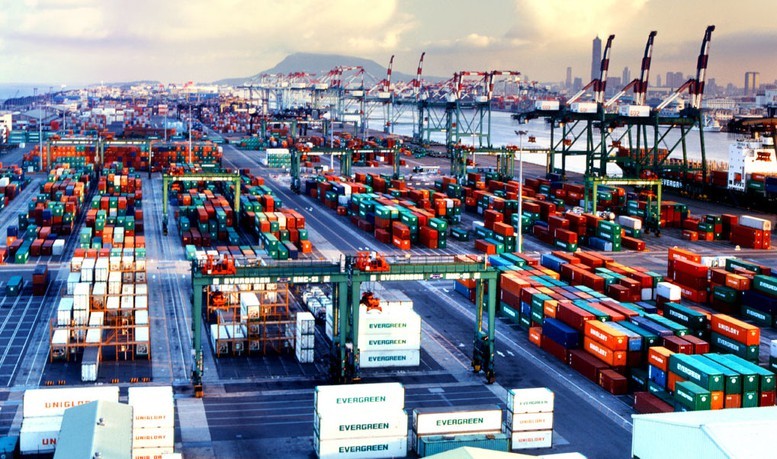
Investment in Vietnam’s logistics market in Q4 2025 entered a phase of strategic acceleration, driven by significant advancements in transport infrastructure and the national legal framework.
Source: Government News
A rapid surge in investment inflows and the establishment of new enterprises
The market has seen a sharp increase in the capital scale of newly established enterprises. As of October 2025, Vietnam recorded 9,343 new transport and warehousing companies, up 27.7% year-on-year. Notably, their total registered capital reached nearly VND 92 trillion, surging by 115.7%, indicating a significantly higher average investment per company.
Meanwhile, realized FDI in 2025 is estimated at USD 27.62 billion, the highest in five years, with the manufacturing and processing sector—logistics’ primary demand driver—accounting for 82.8% of total disbursed capital. In addition, M&A activity expanded strongly, with capital contributions and share acquisitions rising 54.8% to USD 7.03 billion.[1]
Newly established transport and warehousing enterprises
| Newly established businesses | In the first 10 months of 2025 | Compared to the same period in 2024 | ||||
| No. of businesses
(thousand) |
Registered capital
(billion VND) |
Number of employees
(people) |
Number of businesses
(%) |
Registered capital
(%) |
Number of employees
(%) |
|
| Total number of businesses nationwide | 162,935 | 1,592,708 | 967,557 | 119.7 | 121.4 | 118.6 |
| Transportation and warehousing businesses | 9,343 | 91,466 | 45,208 | 127.7 | 215.7 | 138.0 |
Source: General Statistics Office of Vietnam
Deep-water berths at the Lach Huyen port complex have been put into operation
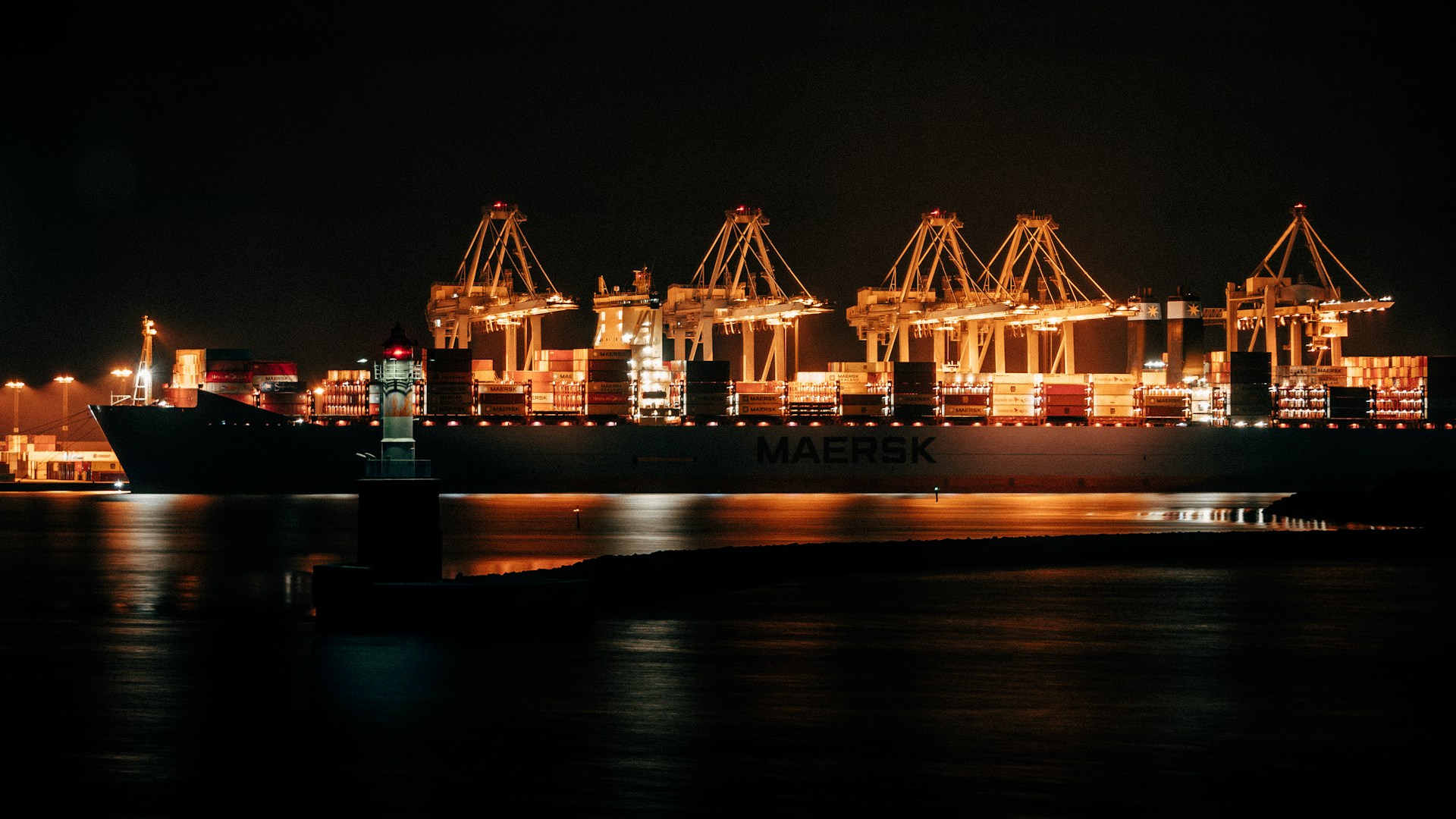
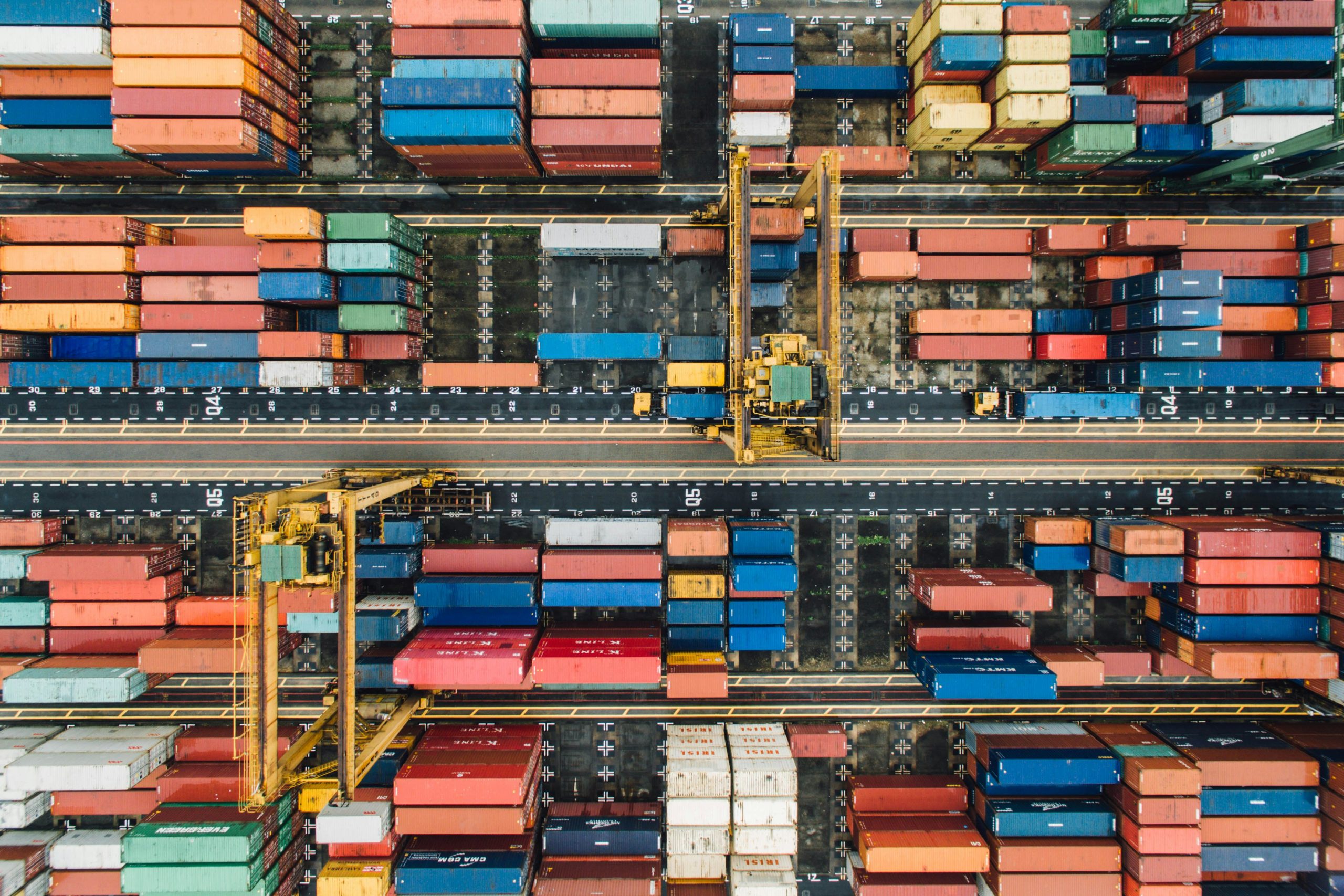
In Q4 2025, berths 3, 4, 5, and 6 at the Hai Phong International Gateway Port (Lach Huyen) were completed and put into operation. The addition of these four berths increased Vietnam’s total seaport capacity to approximately 900 million tons per year. This expansion enhances the ability to accommodate ultra-large container vessels (up to 165,000 DWT), reduces reliance on international transshipment hubs, and supports more direct exports from Northern Vietnam to the U.S. and Europe.[2]
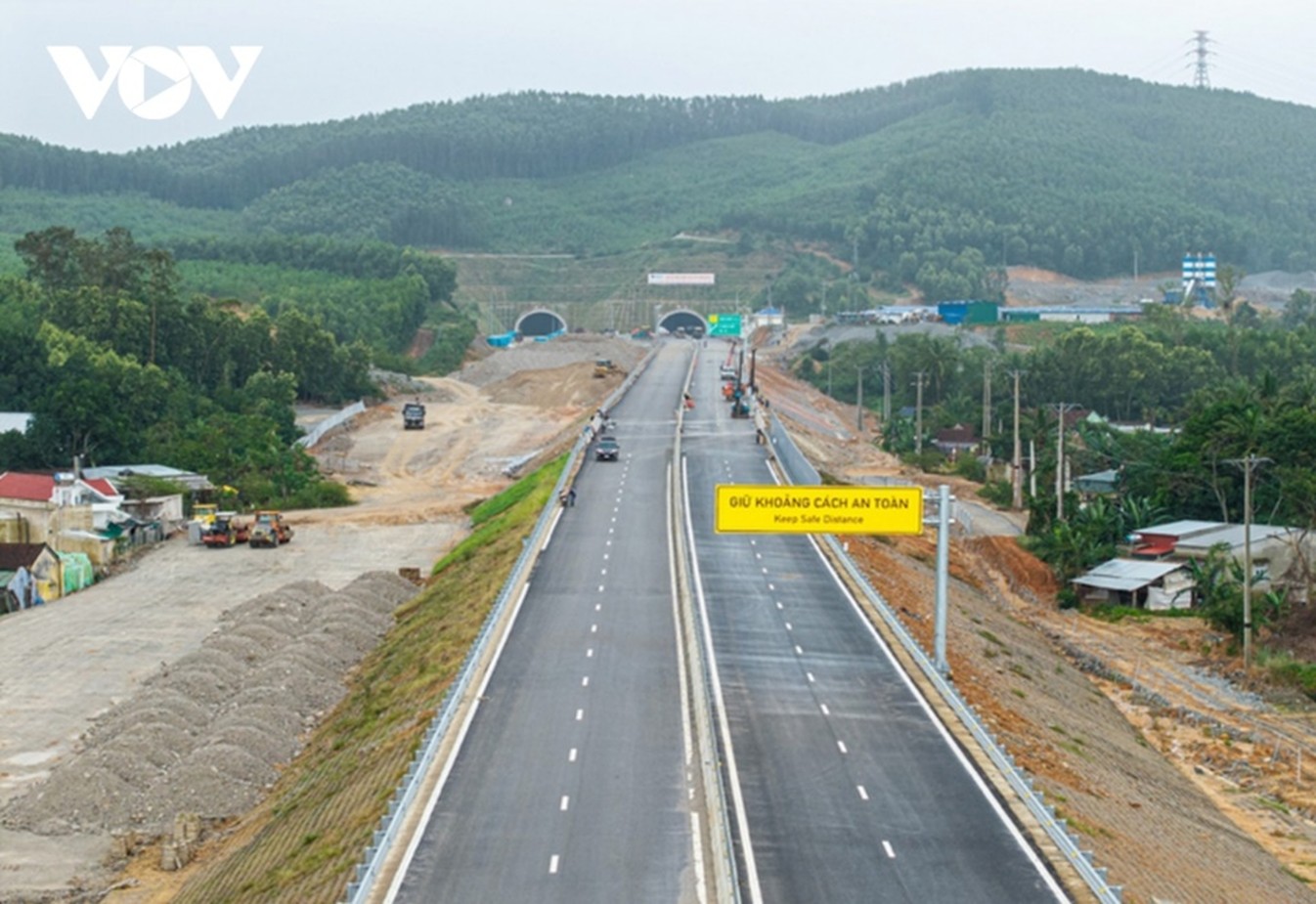
The entire North–South Expressway, spanning from Cao Bang to Ca Mau, has been fully opened to traffic
By the end of 2025, Vietnam is expected to complete its target of 3,000 km of expressways and fully open the North–South backbone corridor. In 2025 alone, an additional 1,491 km of expressways will be completed, including key sections such as Bai Vot–Ham Nghi and Quang Ngai–Hoai Nhon. This development is projected to reduce travel time between Hanoi and Ho Chi Minh City to approximately 20 hours, significantly lowering transportation costs and enhancing connectivity among major economic regions.[3]
The North-South Expressway
Source: VOV.vn
Construction of the Lao Cai–Hanoi–Hai Phong railway line has officially commenced
By the end of 2025, construction is scheduled to begin on five stations along the standard-gauge (1,435 mm) Lao Cai – Hanoi – Hai Phong railway line. This marks the first step in developing a modern East–West corridor connecting the northern border to key seaports. The project is expected to facilitate a shift from road to rail transport, support greener and more cost-efficient international intermodal logistics, and enhance transit flows of goods from China through Vietnam.[4]
Policy updates
In Q4 2025, the Vietnamese Government and relevant ministries issued several key strategic and regulatory policies, establishing an important legal framework to support the long-term development of the logistics sector.
National strategic policy
Issued on October 9, 2025 (Decision No. 2229/QĐ-TTg), Vietnam’s Logistics Service Development Strategy for 2025–2035, with a vision to 2050, is the first comprehensive plan recognizing logistics as a key economic sector and a driver of growth. The strategy targets reducing logistics costs to 12–15% of GDP and placing Vietnam among the world’s top 40 in the Logistics Performance Index (LPI) by 2035. It also establishes a unified legal framework to develop internationally competitive logistics hubs while accelerating digital transformation and green transition across the industry.[5]
Other key legal documents
In late 2025, several key laws and regulations were enacted to strengthen Vietnam’s regulatory framework and support logistics and trade activities. The Law on E-commerce 2025, passed on December 10, introduces stricter governance of e-commerce, including seller identification via VNeID and clearer responsibilities for cross-border platforms, thereby establishing a solid legal foundation for e-logistics and enhancing consumer protection. On the same date, the amended Civil Aviation Law expands tax and credit incentives for aviation infrastructure investment and promotes digital adoption, aiming to mobilize private resources and improve international cargo transport capacity.[6]
At the government level, Resolution No. 389/NQ-CP (December 2, 2025) adds 41 international border gates eligible for e-visa entry and exit, facilitating cross-border trade and mobility for experts and logistics operations. Meanwhile, Resolution No. 86/NQ-CP and Directive No. 220/CĐ-TTg (November 2025) focus on accelerating administrative reform and simplifying business conditions, reducing compliance costs, and improving the business environment for logistics firms.[7]
In terms of sector-specific regulations, new circulars issued in November 2025 introduce updated rules on railway transport management (effective January 1, 2026), service pricing for inspection in maritime and inland waterway transport (effective January 8, 2026), mandatory energy labeling for equipment, and certification requirements for ICT and telecommunications products with potential safety risks.[8] Additionally, Decision No. 3176/QĐ-BCT (October 27, 2025) initiates an anti-circumvention investigation on certain hot-rolled steel products from China, aiming to protect domestic production and regulate import flows.[9]
Conclusion
Vietnam’s logistics market in Q4 2025 entered a phase of accelerated and more structured growth, driven by a clearer strategic framework, rapid enterprise expansion, and improved infrastructure connectivity, all of which are strengthening the sector’s competitiveness. At the same time, ongoing regulatory reforms and digital transformation are fostering a more transparent and efficient business environment, supporting long-term sustainable development. To capitalize on these trends, businesses should invest in digital capabilities and green logistics solutions to enhance efficiency and comply with evolving regulations; investors should leverage opportunities from infrastructure expansion and rising demand, particularly in multimodal transport and industrial-linked services; and policymakers should continue streamlining administrative procedures and ensuring effective policy implementation to sustain momentum and reduce logistics costs.
Read more
Challenges and opportunities in Vietnam’s Logistics sector for foreign investors
* If you wish to quote any information from this article, please kindly cite the source along with the link to the original article to respect copyright.
| B&Company
The first Japanese company specializing in market research in Vietnam since 2008. We provide a wide range of services including industry reports, industry interviews, consumer surveys, business matching. Additionally, we have recently developed a database of over 900,000 companies in Vietnam, which can be used to search for partners and analyze the market. Please do not hesitate to contact us if you have any queries. info@b-company.jp + (84) 28 3910 3913 |
[1] https://ratracosolutions.com/wp-content/uploads/2026/03/Bao-cao-Logistics-Viet-Nam-2025.pdf
[2] https://ratracosolutions.com/wp-content/uploads/2026/03/Bao-cao-Logistics-Viet-Nam-2025.pdf
[3] https://ratracosolutions.com/wp-content/uploads/2026/03/Bao-cao-Logistics-Viet-Nam-2025.pdf
[4] https://ratracosolutions.com/wp-content/uploads/2026/03/Bao-cao-Logistics-Viet-Nam-2025.pdf
[5] https://vla.com.vn/wp-content/uploads/2025/11/BAN-TIN-VLA-SO-138-15.011.2025-.pdf; https://baohaiquanvietnam.vn/tin-tuc/de-logistics-viet-nam-tro-thanh-mat-xich-chien-luoc-cua-chuoi-cung-ung-toan-cau
[6] https://ratracosolutions.com/wp-content/uploads/2026/03/Bao-cao-Logistics-Viet-Nam-2025.pdf
[7] https://logistics.gov.vn/nghien-cuudao-tao/bao-cao-quy-dinh-chinh-sach-trong-linh-vuc-logistics-viet-nam-va-the-gioi-quy-4-2025-mien-phi
[8] https://logistics.gov.vn/nghien-cuudao-tao/bao-cao-quy-dinh-chinh-sach-trong-linh-vuc-logistics-viet-nam-va-the-gioi-quy-4-2025-mien-phi ; https://vla.com.vn/wp-content/uploads/2025/12/BAN-TIN-VLA-SO-139-01.12.2025-.pdf
[9] https://vla.com.vn/wp-content/uploads/2025/12/BAN-TIN-VLA-SO-139-01.12.2025-.pdf
Related article






















Sidebar:
SUBSCRIBE NEWSLETTER