

 English
  日本語
日本語  Tiếng Việt
  简体中文
简体中文  한국어
한국어 Vietnamese farmers and enterprises have pioneered innovative ways to repurpose agricultural waste for sustainability and profitability.
15May2025
Latest News & Report / Vietnam Briefing
Comments: No Comments.
Market Overview
Vietnam is an agricultural giant in Southeast Asia, and as such, it also produces an extraordinary quantity of agricultural by-products annually. According to 2022 statistics, total agricultural by-products in Vietnam are around 159–160 million tons, including Crop residues Livestock waste, Forestry waste, and Aquatic processing waste1
Agricultural by-products in Vietnam (2022)
Unit: %; 100% = ~159 million tons
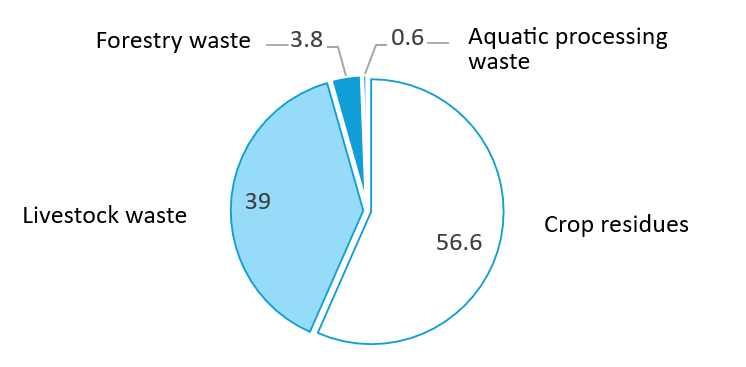
Source: GSO, Reports of Ministry of Agriculture and Rural Development; BC’s synthesis
While ~52.3% of crop by-products are recycled or reused3, sectors like livestock and forestry still exhibit untapped potential, pointing toward a major opportunity for promoting green transformation in Vietnam. If effectively managed, this resource could yield 43 million tons of organic fertilizer, 87 million liters of bioethanol, and substantial volumes of biomass energy.
Moreover, according to the Ministry of Agriculture and Rural Development, improper management of these by-products, especially through open-field burning of rice straw, accounts for significant greenhouse gas emissions, contributing nearly 15% of Vietnam’s total emissions2
New Changes in Utilizing By-Products in Agriculture
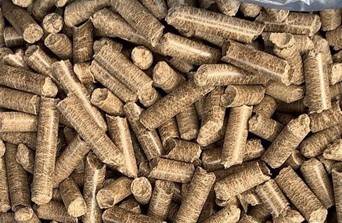
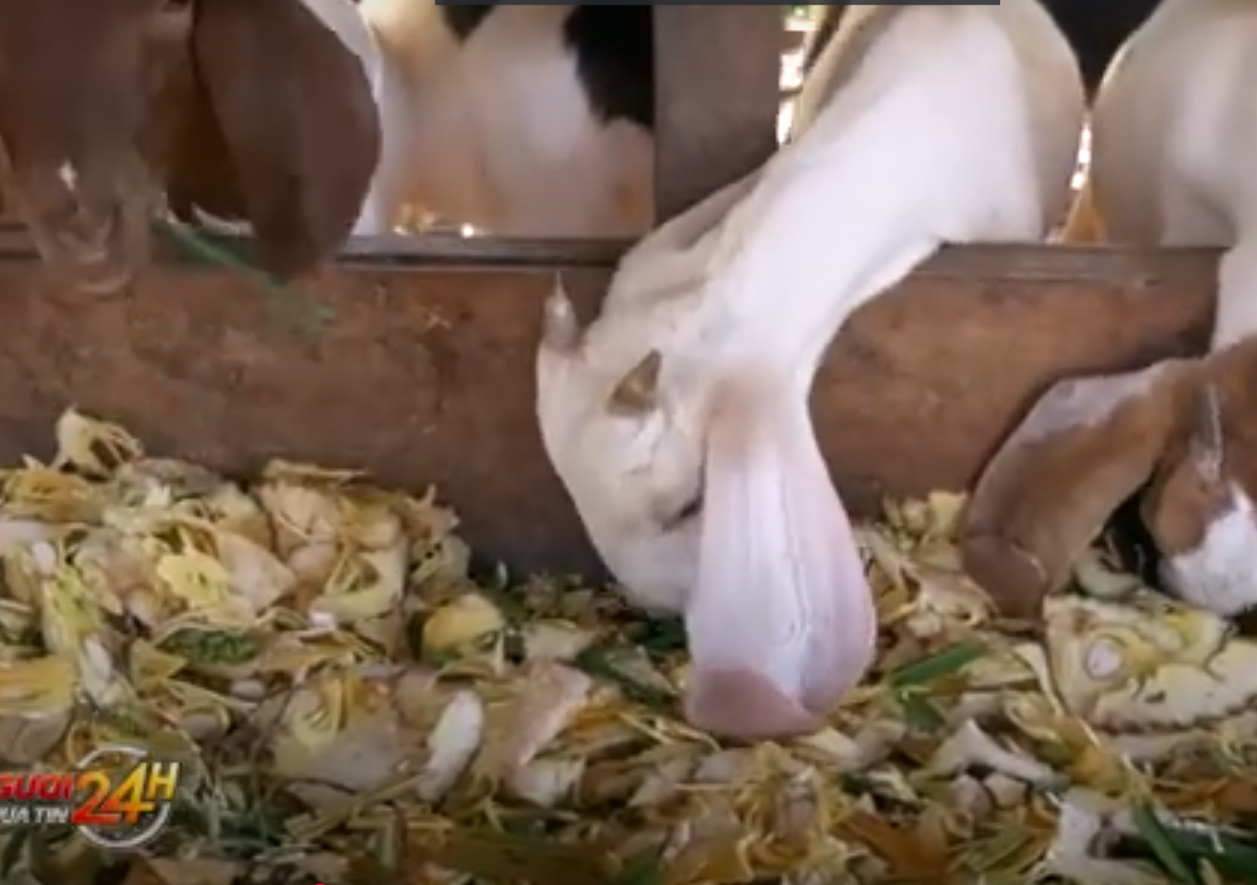
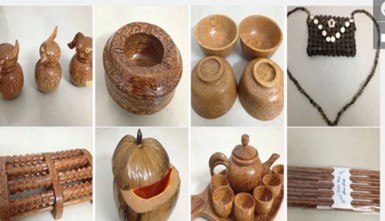
Vietnamese farmers and enterprises have pioneered new and innovative ways to repurpose agricultural waste, enhancing both sustainability and profitability.
a. In Planting
Fertilizer made from rice straw – New trends in Vietnam’s agriculture industry
Related article











Log in / Register
Continue without an account
Log in / Register
SUBSCRIBE NEWSLETTER