

 日本語
日本語  English
  Tiếng Việt
  简体中文
简体中文  한국어
한국어 ベトナムでは、放課後教育の需要が着実に成長し、家計支出も堅調で、非常に有望な市場が生まれています。

2025年9月9日
最新ニュース&レポート / ベトナム速報
コメント: コメントはまだありません.
ベトナムにおける教育需要
ベトナムの教育への総支出は2017年から2022年にかけて着実に増加し、236億米ドルから328億米ドルへと拡大した。これは年平均成長率(CAGR)7%に相当する[1]。この数値には公共部門の支出と家計支出の双方が含まれており、ベトナム国民の間で教育に対する認識、優先順位、投資行動が明確に高まっていることを示している。.
ベトナムの教育支出 2017~2022年
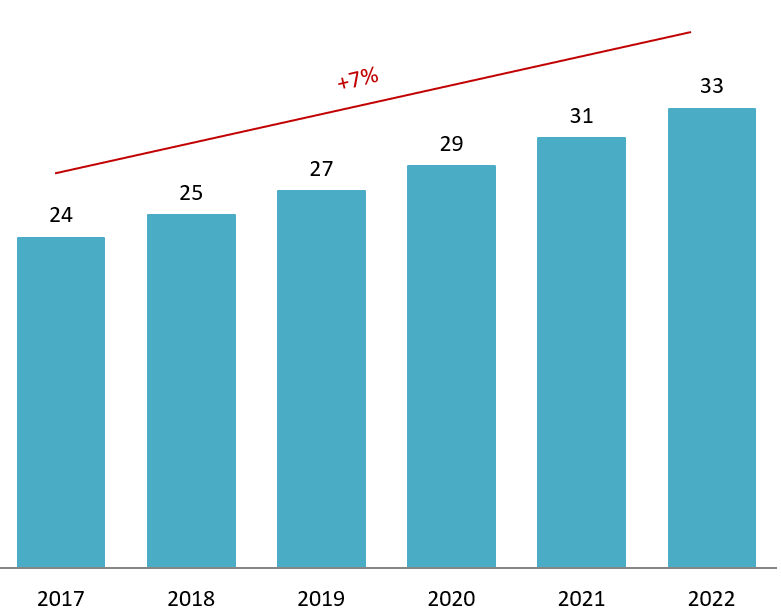
出典: FiinGroup
ベトナムの親は教育を最優先事項の一つと考えており、子どもの学習に収入の相当な割合を充てる意向を持っている。主要都市では、教育費が家計予算の最大47%を占める[2]。パンデミックによって収入が減少した時期でさえ、教育への投資は290億米ドルから310億米ドルへと増加し続けた。これは、「学習に妥協しない」という強い意識を示している[3]。この揺るぎない取り組みは、ベトナムの放課後教育セクターの長期的な成長と持続可能性を支える強固な基盤となっている。.
学校の近隣に立地する従来型の教育センターは、特に学科教育や試験対策において、依然として人気が高い。この長年にわたるモデルは、主要都市に密集した「受験対策ストリート」を生み出しており、そこでは一流校の周辺に教育センターが集中している。多くの人にとって、補習教育といえば今なおこのイメージが基本となっている。.
教育そのものを超えて, 、立地とアクセスのしやすさも重要な要素となる。. ベトナムでは公共交通機関が便利とはいえず、学生は法的に、また安全面からも、バイクを運転することが認められていない。そのため、アクセスしやすく安全な教育センターであることが、保護者の選択を大きく左右する。.
しかし、新たなトレンドとして、住宅コミュニティ内に立地する教育センターが台頭している。変化するニーズと「利便性」の広義化を背景に、現代の親は、自宅に近く、家族全員にとって安全で利用しやすい立地を優先するようになっている。こうしたセンターは、単なる学習支援にとどまらず、住民の多様なニーズに応えるため、芸術、ライフスキル、外国語を組み合わせて提供している。このモデルは、人口密度が高く、施設内サービスへの需要が拡大している新都市開発において、特に明確な競争優位性を発揮する。.
教育モデルの比較:学校近隣型と住宅コミュニティ内型
2つの教育センターモデルの比較
| 学校近隣型 | 住宅コミュニティ内型
(新都市エリア) |
|
| 利点 | – 生徒密度が高く、自然な通行量が見込める – 評判の高い学校に近接することで、強いブランド認知を得られる – 生徒の当面の学習ニーズに合わせて補習プログラムを容易に設計できる |
– 住宅コミュニティ内に確保された顧客層がある – 保護者にとって利便性と安全性が高い – コミュニティへの統合と信頼構築を促進できる – 現代的な施設(例:新都市エリアのショップハウス) |
| 課題 | – 競争が激しく、市場の飽和度が高い – 一等地の賃料が高い – 価格競争が激しく、差別化が難しい – 規制当局による監視が厳しい |
– 顧客基盤がコミュニティの規模と入居率に限定される – 都市全体でのブランド認知を構築しにくい – 開発業者および不動産管理会社への依存度が高い – 居住者の属性が多様でなく、講座の種類が制限される |
の 学校近隣型モデル は非常に競争の激しい環境で事業を展開しており、成長の多くは競合から生徒を獲得することで生まれている。市場が飽和しているため、教育センターは明確な差別化を図る必要があり、試験対策、独自の教授法、特定分野に特化したスキルプログラムなどがその手段となる。中心部の賃料が高いこともさらなる圧力となり、教育センターは高い稼働率を維持せざるを得ない。その結果、過密化や教育の質の低下につながる可能性がある。.
これに対して、 住宅コミュニティ内型モデル は持続可能なソリューションとして台頭している。教育サービスを提供するだけでなく、こうしたセンターは “「第三の場所」” として機能する。つまり、家庭と学校の外にある、子どもにとって安全で信頼できる空間である。付加価値は学業面にとどまらず、顧客ロイヤルティとプレミアム価格設定力を高める。さらに、成功した教育センターはコミュニティ全体の居住性と不動産価値を向上させ、開発業者との 相互補完的な関係 を生み出す。これにより、単純な貸主とテナントの関係を超え、戦略的パートナーシップや有利な賃貸条件への道が開かれる。.
参入機会
ベトナムの放課後教育セクターは戦略的な多様化の段階に入りつつあり、事業者のポジショニングと専門分野に応じて、明確に異なる機会が生まれている。.
試験対策、主要科目の個別指導、学校カリキュラムの補強などを提供する学業重視型の教育機関にとっては、従来型の学校近隣モデルが依然として高い関連性を持つ。これらの教室は、自然な人流、学力上位校への近接性、そして目の前の学習ニーズを抱える生徒が集中していることから恩恵を受ける。ここでの機会は、高度な専門性にある。入学試験の形式を熟知し、難関校向けの的を絞った対策を提供し、学習面で卓越した実績を持つ教育機関としての評判を築くことが重要となる。ただし、この飽和した環境で成功するには、指導の質、実証された成果、ブランドの信頼性による差別化が必要となる。.
ハノイで人口が最も多い区トップ3 [4]
| 区 | 人口 |
| Hong Ha | 126,062 |
| Xuan Phuong | 108,984 |
| Thanh Xuan | 99,491 |
ホーチミンで人口が最も多い区トップ3 [4]
| 区 | 人口 |
| Hiep Binh | 215.638 |
| Tang Nhon Phu | 208.233 |
| Ba Diem | 204.289 |
出所:Tuoi Tre news、Tien Phong news
これに対して、住宅地域に根差したコミュニティ型教育センターの台頭は、スキルベースの学習モデルや全人的な学習モデルに新たなフロンティアを切り開いている。こうしたセンターは、子どもに利便性、安全性、バランスの取れた成長を求める家庭にサービスを提供するうえで理想的な立地にある。この分野では、ソフトスキル、外国語、芸術、STEM、感情知能など、従来の学習塾では十分に提供されていないことの多い領域のプログラムを提供する機会がある。住民の日常生活に溶け込むことで、こうしたセンターは子どもたちにとって信頼される「サードプレイス」となり、長期的なロイヤルティとプレミアム価格の可能性を育むことができる。.
まとめ
ベトナムにおける放課後教育への需要は、安定した成長と旺盛な家計支出を背景に、非常に有望な市場を形成している。学校近隣モデルは、特に試験対策などの学業重視型プログラムに適している一方、住宅地域コミュニティ型モデルは、全人的な成長、利便性、地域との関わりにより適している。この明確な市場セグメンテーションは、教育事業者に価値ある機会をもたらす。すなわち、適切な立地戦略を選択し、地理的条件と保護者の期待の双方に合致するプログラムを設計することで、企業は急速に変化する環境において競争優位性を構築できる。.
[1] FiinGroup, ベトナムにおける私教育需要の高まり <アクセス>
[2] VnExpress, ベトナム農村部の保護者、子どもの英語教育に多額の資金を投入 <アクセス>
[3] Advertising Vietnam, 所得が減少する時期においても、ベトナムの保護者は子どもの教育に大胆な投資をますます行っている <アクセス>
[4] Tien Phong, ハノイ:行政単位再編後における47区の想定名称、地域、人口 <アクセス>
[5] Tuoi Tre, 新ホーチミン市で面積が最大のコミューン3つと人口が最多のコミューン3つ <アクセス>
* この記事からの情報を引用する場合は、著作権を尊重するために、元の記事へのリンクと共に出典を引用してください。.
| B&Company
2008年からベトナムで市場調査を専門とする初の日本企業です。業界レポート、業界インタビュー、消費者調査、ビジネスマッチングなど、幅広いサービスを提供しています。さらに、最近ではベトナム国内の90万社以上のデータベースを開発しており、パートナーを検索したり、市場を分析したりするために利用できます。. ご不明点がございましたら、お気軽にお問い合わせください。. info@b-company.jp + (84) 28 3910 3913 |
関連記事











ログイン / 新規登録
ニュースレターを購読する