

 日本語
日本語  English
  Tiếng Việt
  简体中文
简体中文  한국어
한국어 ベトナムでは、経済成長と教育への投資増加に牽引され、インターナショナルスクールが急速に拡大している。

2025年6月23日
ハイライトコンテンツ / 業界レビュー / 最新ニュースとレポート
コメント: コメントはまだありません.
ベトナムでインターナショナルスクールの開校が相次いでいる。経済成長に伴い教育投資意欲が高まる中、従来の公教育に不安を抱える保護者層を取り込みつつある。だが、教育の質や情報の不透明さといった課題も浮き彫りとなっており、持続的な成長には業界全体の透明性とガバナンスが問われる。
この10年で3分の1が新設、都市部中心に急増
【図1】インターナショナルスクール数(校)

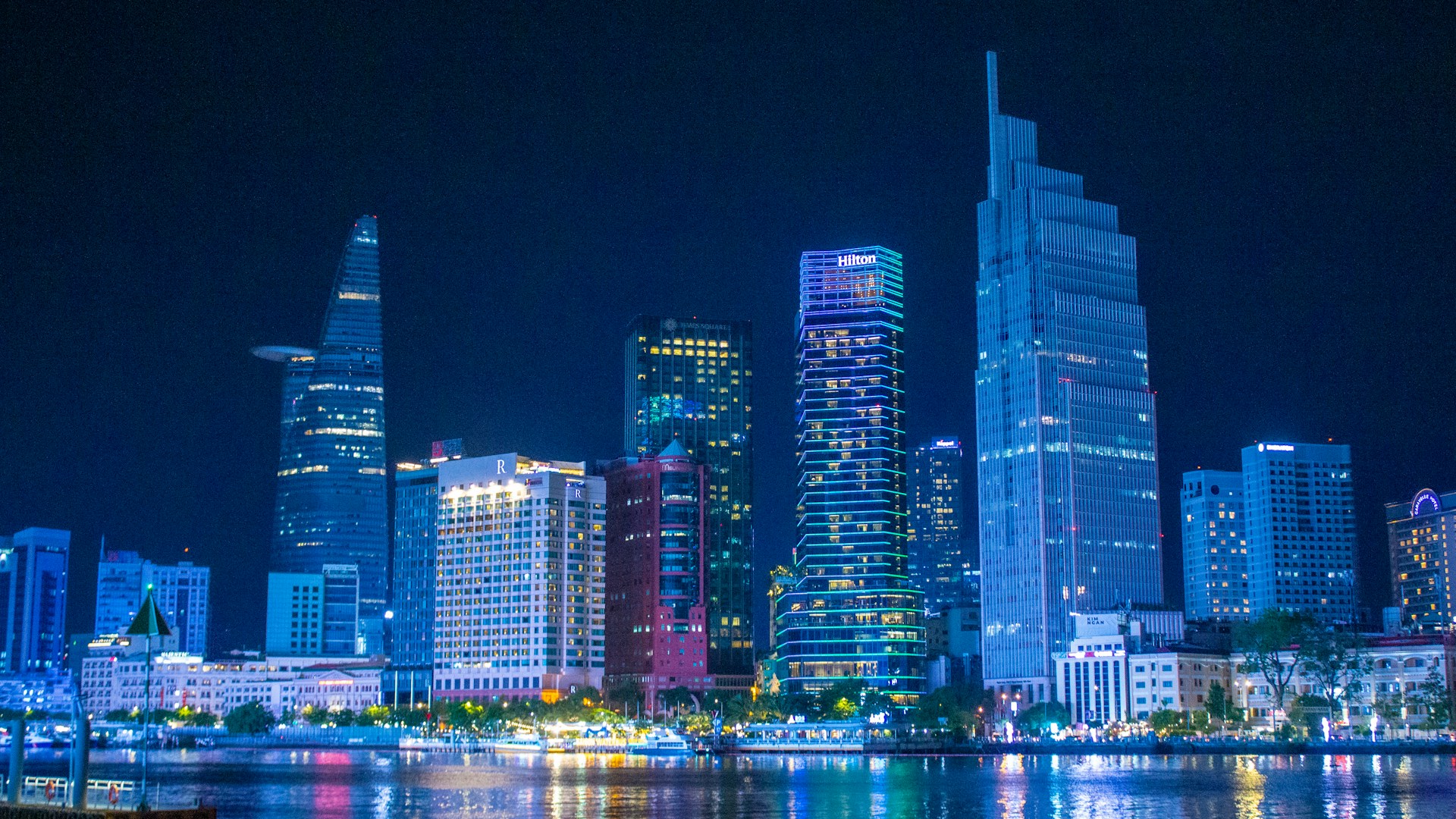
International School Databaseのデータによると、現在ベトナム国内には77校のインターナショナルスクールが存在し、そのうち27校(約35%)は過去10年以内に開校した。地域別ではホーチミン市が最多の35校、ハノイ27校、ダナン6校で、他の地方都市にも徐々に広がりを見せている。
また、全体の約6割(43校)が幼稚園から高校までの一貫教育を提供しており、残る学校も「K~中学」や「小~高校」など比較的長い教育課程を持つ。これは、多額の施設投資が求められるインターナショナルスクールにおいて学年の縦割り運営による収益の最大化を狙った構造といえる。
学費に5倍超の開き、都市と地方の格差も
学費水準は学校によって大きく異なる。小学校段階で年間約5,000~30,000USD、高校では6,000~36,000USDと5倍以上の差がある。2大都市におけるトップ校では校舎や教育設備への初期投資が数十億円規模に上るケースもあり、生徒数1,000人、年間学費30,000USDと仮定すれば年商50億円規模のビジネスとなる。一方、地方都市では施設・学費水準ともに抑えられ、より中間層向けのスクールが主流だ。
外国人児童よりベトナム人家庭の志向が牽引
インターナショナルスクールの増加は、外国人駐在員の流入によって一部は促進されているが、実際の生徒の大半はベトナム人である。この傾向は、公立学校への根強い不満と、教育水準に対する懸念の高まりを反映している。特に都市部では、より裕福な家庭ほど「グローバル教育」を求めてインターナショナルスクールを選ぶ傾向が強まっており、中産階級の教育意識の変化を示している。親世代の進路や経験の影響を受け、留学や外資系企業への就職といった将来目標を見据えて教育に投資しようとする意欲が高まっている。.
名ばかりの「インターナショナルスクール」に対する透明性向上の緊急の必要性
ベトナムのインターナショナルスクール業界における差し迫った懸念は、教育の質に大きなばらつきがあることだ。多くの学校は自らを「インターナショナル」と称しているが、カリキュラムはベトナム語教育に大きく偏っており、国際的な内容や外国人教員は限定的だ。この乖離は、認定制度を明確化し、インターナショナルスクールとみなされる基準を一貫して定める必要性を浮き彫りにしている。.
関連記事









ログイン / 新規登録
アカウントなしで続ける
ログイン / 新規登録
ニュースレターを購読する