

 English
  日本語
日本語  Tiếng Việt
  简体中文
简体中文  한국어
한국어 In a recent interview with Vietnam Investment Review, Mr. Le Huy Hoang – Director of Research at B&Company in Ho Chi Minh City – shared insightful perspectives on the rapid growth of the convenience store (CVS) model in Vietnam.
16Jul2025
Report & Press
Comments: No Comments.
In a recent interview with Vietnam Investment Review, Mr. Le Huy Hoang – Director of Research at B&Company in Ho Chi Minh City – shared insightful perspectives on the rapid growth of the convenience store (CVS) model in Vietnam.
What is your assessment of the allure of the convenience store (CVS) market?
 |
| Le Huy Hoang, research director at B&Company’s Ho Chi Minh City branch |
Despite some fluctuations, the market in Vietnam has generally experienced upward growth over the past five years.
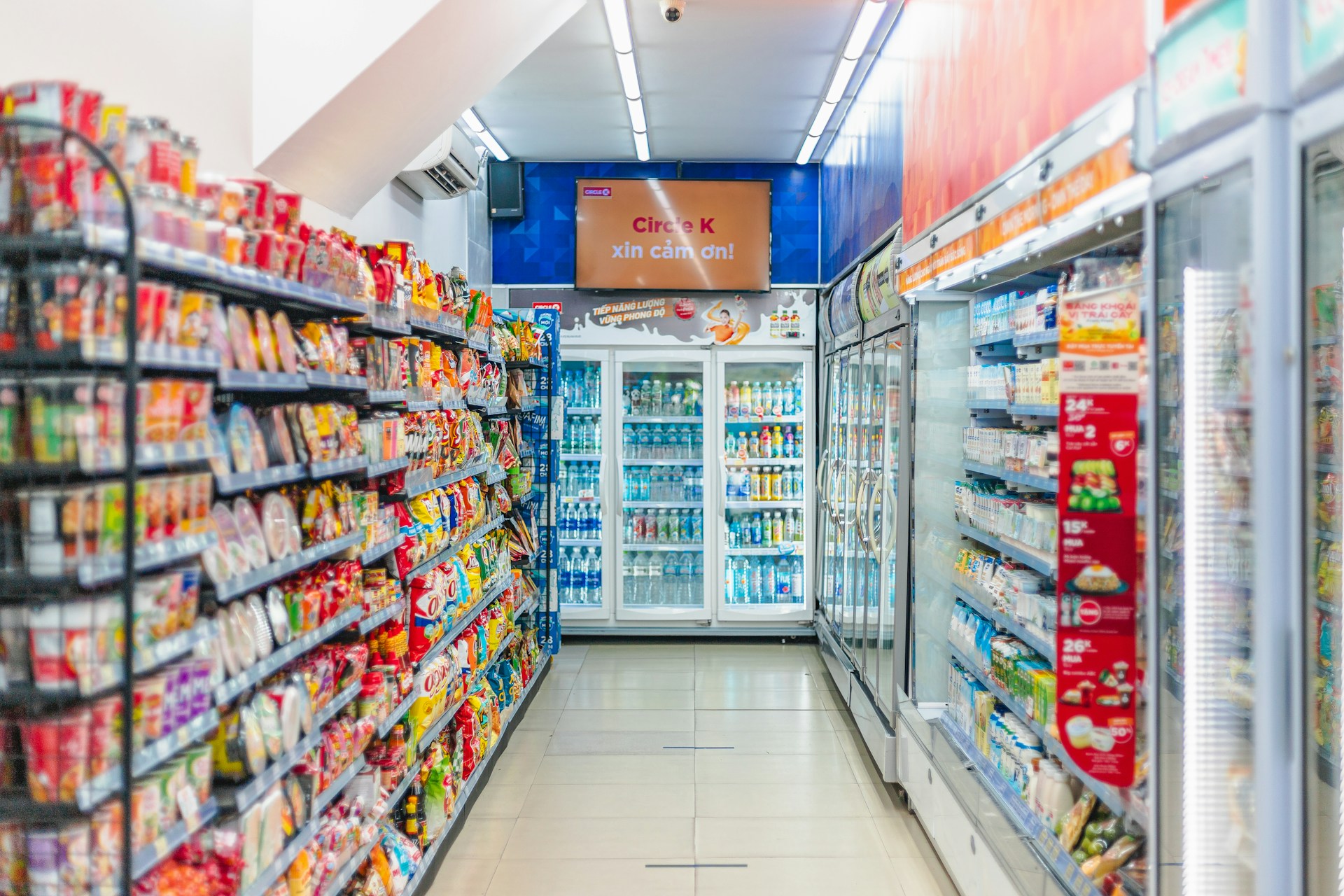
The number of stores for top foreign brands like 7-Eleven, Ministop, Family Mart, GS25, and Circle K has consistently increased. This trend is also evident in the minimart segment, with brands like WinMart+ and Bach Hoa Xanh, which share similarities with CVSs.
Although CVSs represent a small proportion of Vietnam’s total retail revenue, less than 1 per cent of the total $5.6 billion in 2023, they are considered one of the fastest-growing retail models, with a compound annual growth rate of 18.4 per cent from 2020 to 2022, according to Vietdata in 2023.
Several factors contribute to the growth of the CVS market. The steady growth of Vietnam’s overall economy is a key driver. Improvements in living standards and income have boosted demand and purchasing power, while increased openness to foreign brands has familiarised consumers with modern retail models.
The growing popularity and coverage of such outlets, particularly in large cities and now expanding into suburban areas, offer consumers more convenience. They provide bulk shopping options, various payment methods, and well-developed facilities for a more comfortable shopping experience.
A portion of consumers, especially younger people and white-collar workers, are keen to follow trends and embrace Western-style shopping. This demographic, aged 15-40, comprises about 40 per cent of Vietnam’s population and is expected to remain a driving force in labour and consumption for the next 10-15 years.
What is your assessment of development trends of the CVS model in Vietnam at present, and how do changes in consumer behaviour impact the model?
In the last few years, newer CVS outlets are often seen to have more space for self-service and seating. More dynamic product offerings, focusing on ready-to-eat items, are more prominent. At the counter, they also serve breakfast with hot food and coffee, as well as including more tea and fruit juice.
Over time, more and more promotions or gift boxes, sponsored by goods brands, are provided when purchasing at CVSs. Some, such as GS25, have sold “blind boxes” which have been very hot items since late 2024.
Though some brands had mobile apps from a much earlier time, only in the past few years did they promote them strongly. At present, CVSs are trying to engage with customers more thoroughly.
Besides buy-and-go and on-site consumption options, many CSVs have offered delivery through food delivery services or through in-house delivery, to enrich customer’s convenience and stimulate their shopping demands.
CVSs are constantly changing and evolving to satisfy their customers’ needs. Their target buyers are teenagers, students, or office workers who may like a place to hang out either quickly during lunch, or spend 3-4 hours comfortably with a laptop for study or work. These people are more socialised, fashionable, and high-tech adopted. That’s why CVSs are taking such movements and will likely continue them, rather than including many other fast-moving consumer goods items, like supermarkets.
How is the competition between CVSs and other retail models such as minimarts, and how are CVSs adapting?
CVSs and minimarts may offer some overlapping products but should not be considered as direct competitors because they aim at well-distinguished target customers, hence their business models as well as product offerings are separate.
A CVS is open 24/7, catering to self-service and instant consumption. It primarily offers ready-to-eat foods and beverages. The main customers are young people and office workers looking for a quick meal during lunch or dinner, with the flexibility to stay longer if needed.
Meanwhile, minimart is a compact version of a supermarket designed for quick shopping and not open 24/7. It provides daily groceries, including raw ingredients. The customer base is more diverse, including older shoppers who typically make brief visits to purchase essentials before leaving.
In fact, the competition of CVSs is taking place more fiercely among themselves. It is easy to see different brands’ stores in the same street, or on the same floor of a shopping centre or condominium block. While they are aiming at mostly similar targets, they are competing against each other to see who can win customers.
What are the key winning factors for enterprises when investing in this type of business?
Despite growing demand, the competition in the CVS market is tough. According to our Enterprise Database, the average annual revenue for foreign stores in 2022 was between $360,000 and $400,000, yet most key brands are facing financial losses due to high operational and product costs.
B&Company Vietnam offers several recommendations for new businesses entering this market, based on our expertise and industry insights. Firstly, they should ensure stable financial capital, reliable and expandable product sourcing, a systematic process for high-quality management, and a strong partner ecosystem to enhance product offerings and customer experience.
CVS brands must also deeply understand their target customers to avoid costly trial-and-error mistakes. This is crucial for making informed decisions before launch.
Even after a successful launch, businesses must remain competitive by constantly reviewing their performance, customer satisfaction, and comparing with competitors. Proactively adapting to market shifts is key to staying relevant.
Finally, a strong grasp of market trends, competitors, and consumer behaviour is essential for refining internal processes and maintaining a competitive edge.
Reference: Vietnam Investment Review (2025). Convenience store chains grasp Vietnam’s promise <Assess>
* If you wish to quote any information from this article, please kindly cite the source along with the link to the original article to respect copyright.
| B&Company
The first Japanese company specializing in market research in Vietnam since 2008. We provide a wide range of services including industry reports, industry interviews, consumer surveys, business matching. Additionally, we have recently developed a database of over 900,000 companies in Vietnam, which can be used to search for partners and analyze the market. Please do not hesitate to contact us if you have any queries. info@b-company.jp + (84) 28 3910 3913 |
Related article























Log in / Register
SUBSCRIBE NEWSLETTER