

 English
  日本語
日本語  Tiếng Việt
  简体中文
简体中文  한국어
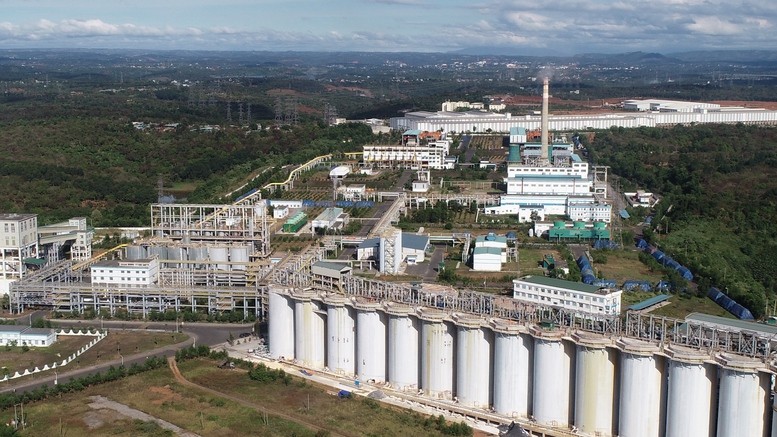
한국어 After more than 11 years of investment and construction, the Dak Nong Aluminum Electrolysis Plant officially produced Vietnam's first aluminum ingots.
14Oct2026
Latest News & Report / Vietnam Briefing
Comments: No Comments.
Abstract
Vietnam’s aluminum industry is entering a new phase following the successful production of the country’s first domestically manufactured aluminum ingots at the Dak Nong Aluminum Electrolysis Plant in Lam Dong Province[1]. While Vietnam has long held advantages in bauxite resources and alumina production, the lack of domestic primary aluminum production capacity has limited its participation in the higher-value segments of the aluminum value chain. This milestone marks a step toward greater integration, enabling Vietnam to move beyond raw material processing and strengthen its position in the regional manufacturing supply chain. This article examines the current development of Vietnam’s aluminum industry, the significance of domestic aluminum ingot production, its potential impact on downstream industries, and the challenges that need to be addressed for sustainable growth.
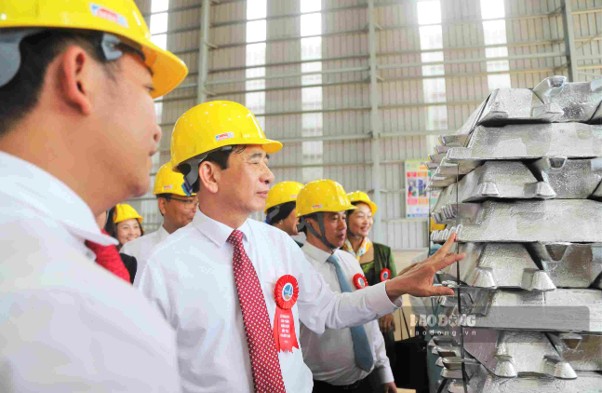
General Phan Van Giang, Politburo Member, Deputy Prime Minister and Minister of National Defense, visits the aluminum ingot production plant
Source: Laodongvn
Vietnam’s Aluminum Industry Moves Toward Higher Value-added Production
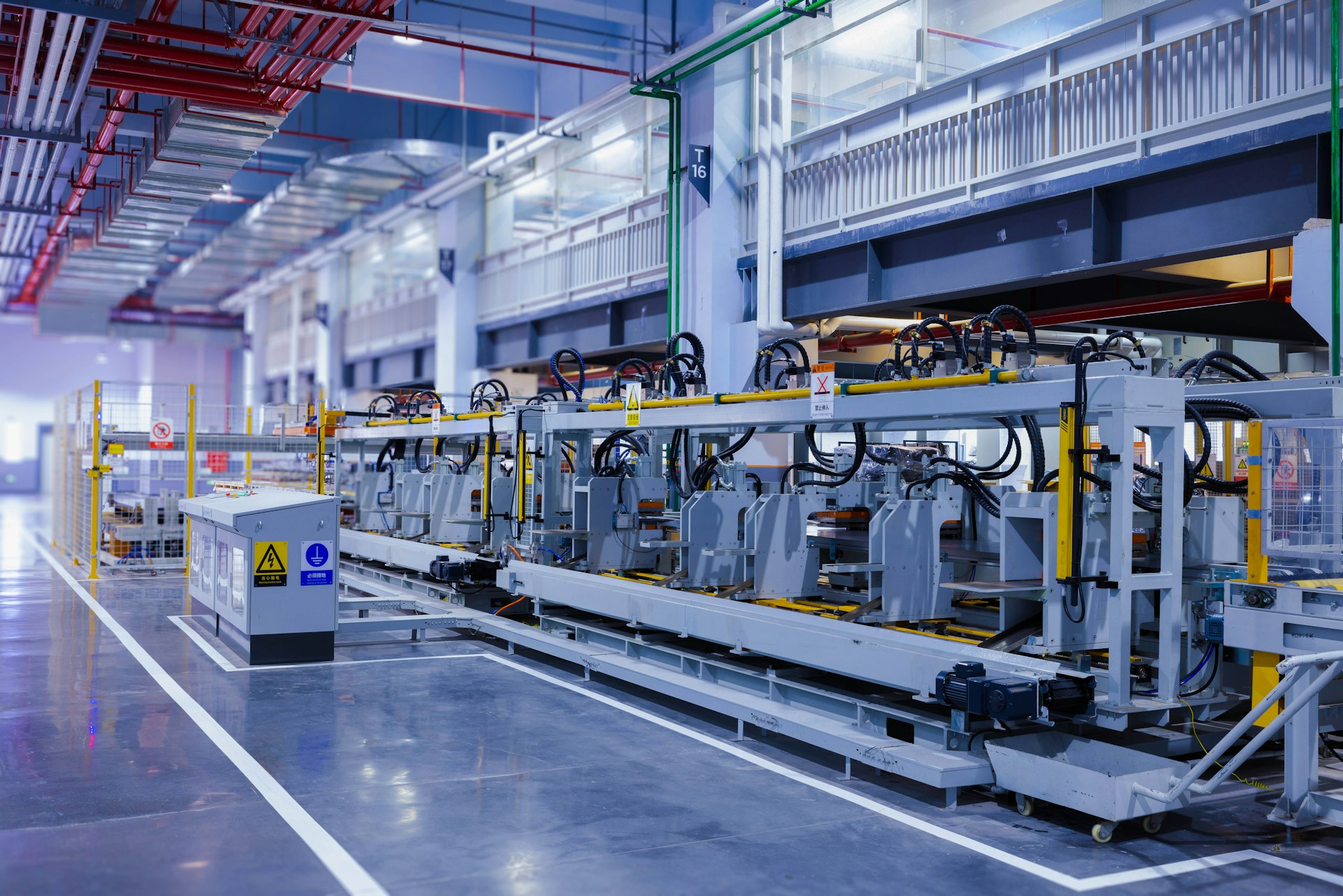
On 26 July 2026, Vietnam reached a milestone eleven years in the making. At the Dak Nong Aluminum Electrolysis Plant in the Nhan Co Industrial Zone, the Lam Dong Provincial People’s Committee held a ceremony announcing the first batch of aluminum ingots produced in Vietnam, attended by General Phan Van Giang, Politburo member, Deputy Prime Minister and Minister of National Defense, who gave remarks[2]. After more than 11 years of investment and construction, the plant officially produced Vietnam’s first domestically made aluminum ingots[3].
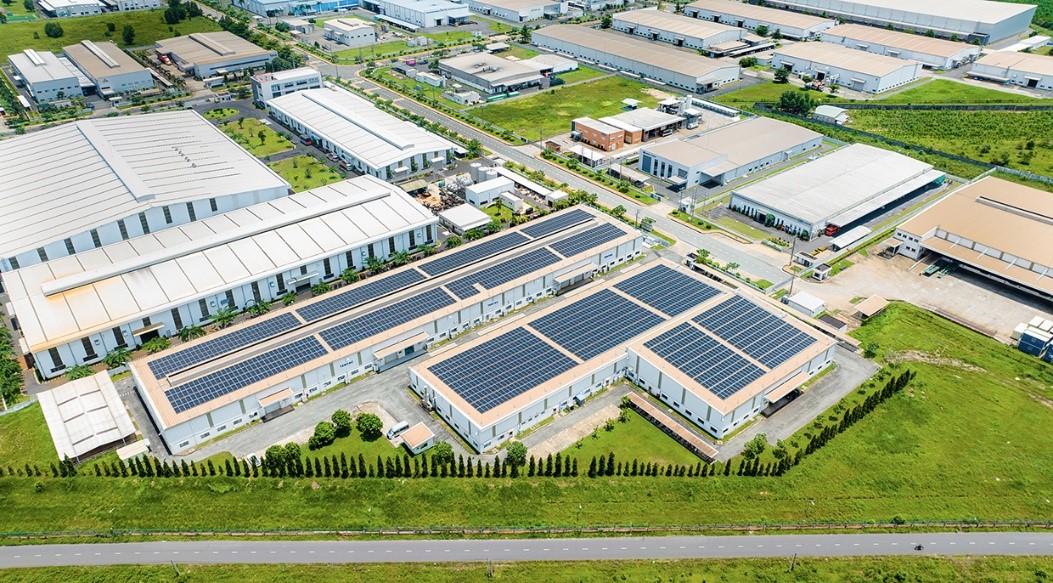
Nhan Co Alumina Plant
Source: Baochinhphuvn
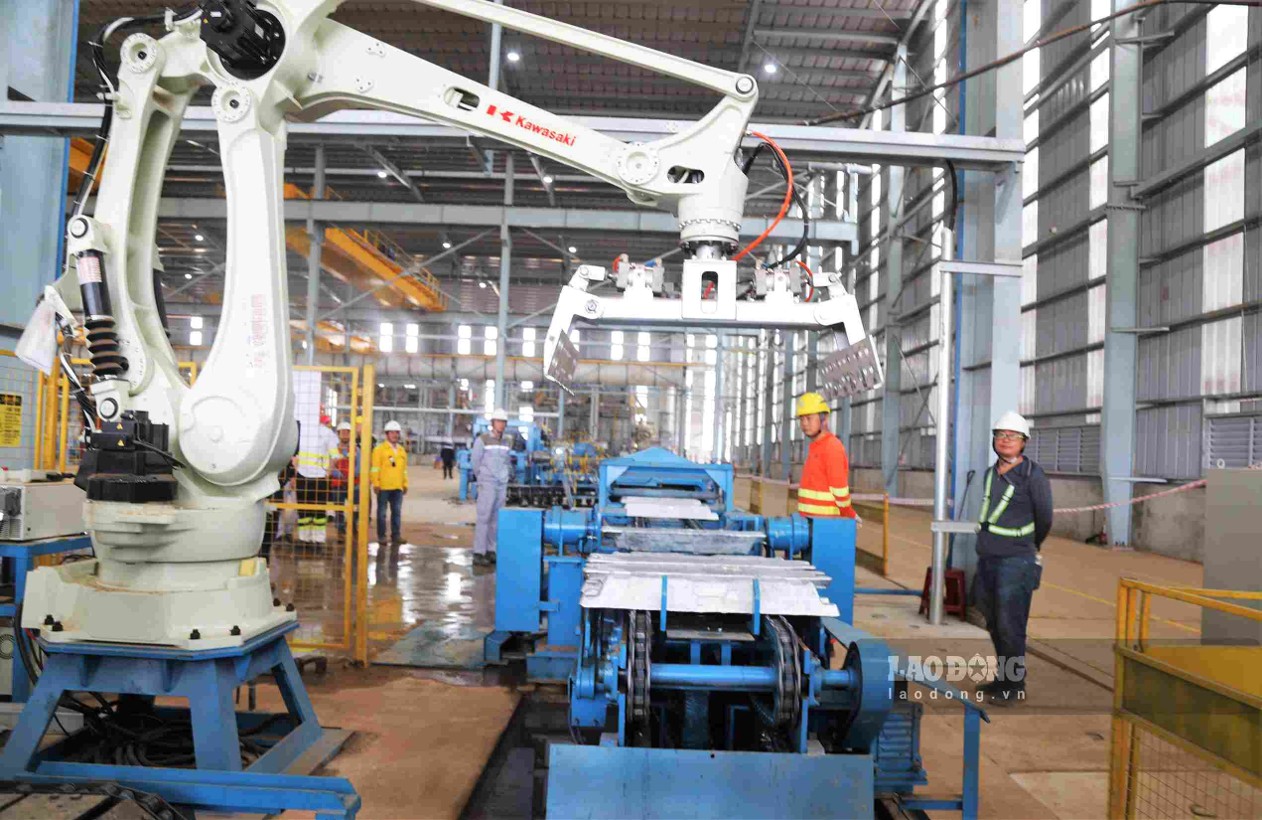
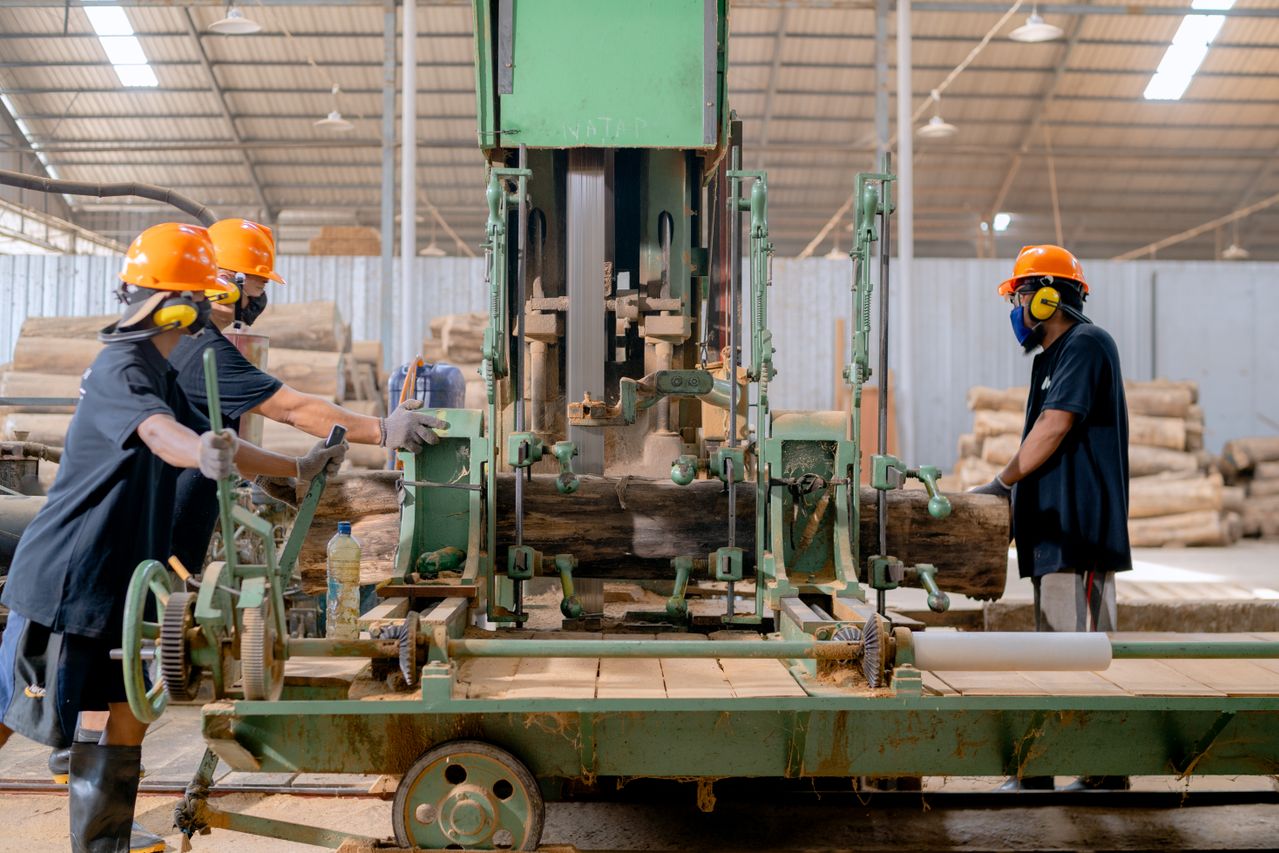
Final stage of aluminum ingot production at Tran Hong Quan Metallurgy Co., Ltd.
Source: Laodongvn
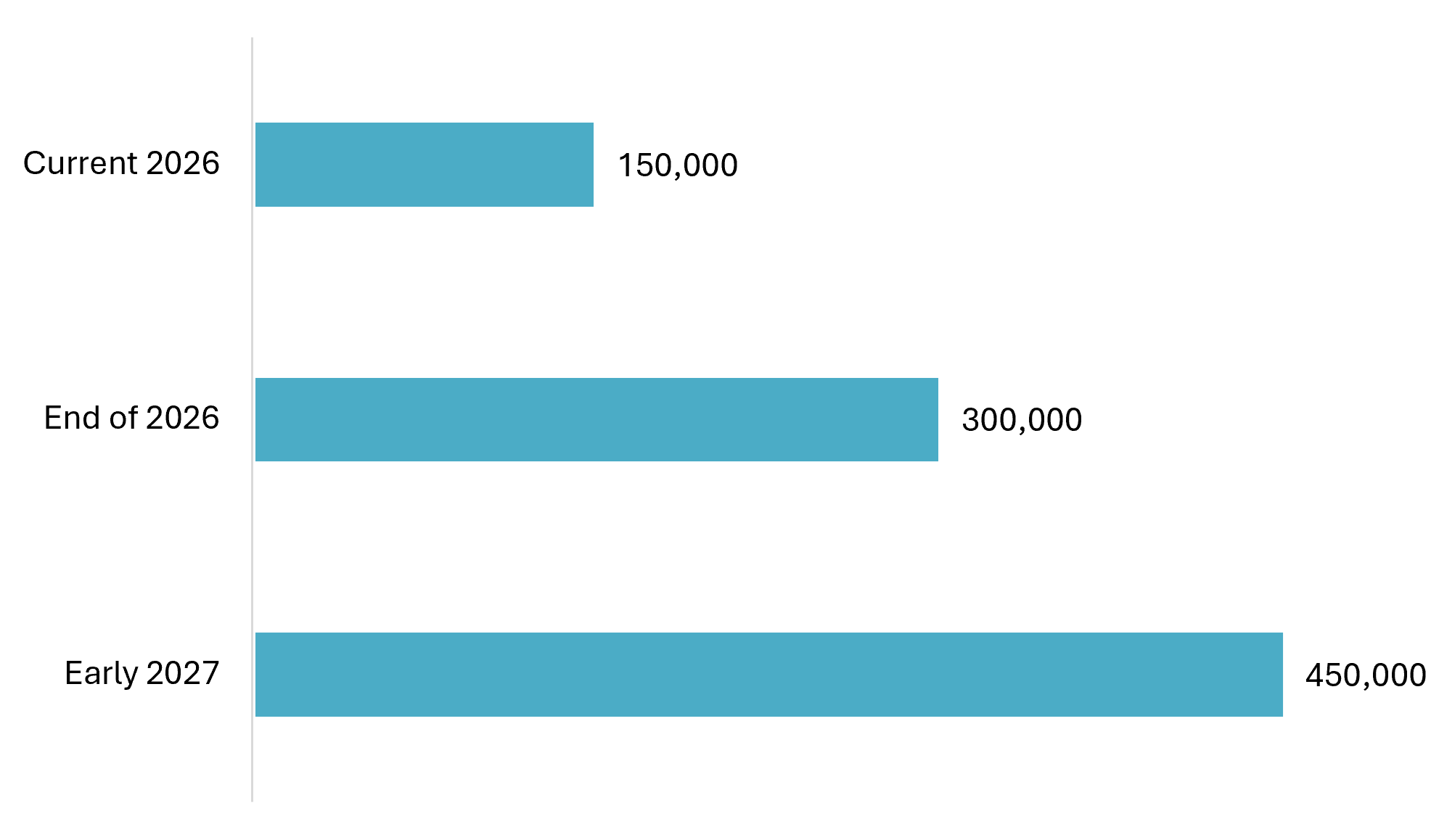
According to Tran Hong Quan Metallurgy Co., the first batch was produced using aluminum electrolysis technology with a current intensity of 500 kA, achieving a purity of 99.71%.[2] This marks the first time Vietnam has smelted metallic aluminum on domestic soil. The plant’s output comes with a defined capacity roadmap rather than standing as a one-off batch. The smelter has an annual production capacity of 150,000 tonnes following the completion of its first phase after 11 years of construction. Capacity is expected to double to 300,000 tonnes by the end of 2026, before increasing further to 450,000 tonnes in early 2027[4].
Dak Nong Aluminum Plant: Planned Capacity Ramp-up
Unit: Tonnes per year
Source: Al Circle
The project represents an investment of nearly VND 28 trillion (USD 1.07 billion) on a 128-hectare site, and is expected to reduce aluminium imports by around USD 1.5 billion annually once fully ramped up. Once operational at full scale, the plant will produce aluminum ingots, aluminum slab ingots, and billets, the semi-finished forms that feed directly into higher-value downstream manufacturing and is expected to contribute approximately USD 700 million annually to the local economy[5].
Vietnam’s Aluminum Industry Development: From Resource Advantage to Domestic Aluminum Production
Vietnam’s move into domestic aluminum production follows a plan the government has been developing for several years, rather than happening on its own. In July 2023, the Prime Minister approved Decision No. 866/QD-TTg, the national plan for mineral exploration, mining, processing and use for the period 2021 to 2030[6], with a vision toward 2050. The plan identifies bauxite as one of a small number of minerals, alongside titanium, rare earth elements and nickel, that the government considers strategically important. For these minerals, companies granted mining licenses are also required to invest in processing them domestically, rather than exporting the raw ore.
The plan sets specific targets covering bauxite, alumina and aluminum as a single chain. By 2030, Vietnam aims to mine 68 to 112 million tonnes of raw bauxite a year, process 11.6 to 18.6 million tonnes of alumina a year, and produce 1.2 to 1.5 million tonnes of primary aluminum a year. It names the Dak Nong smelter directly as the pilot project for this final stage, with a target capacity of 300,000 tonnes a year, expanding to 450,000 tonnes, matching the roadmap the plant has since pursued. This builds on an earlier, higher-level directive from the Politburo in March 2022, which set the broader strategic direction for developing Vietnam’s bauxite, alumina and aluminum industry as an integrated chain through 2030.
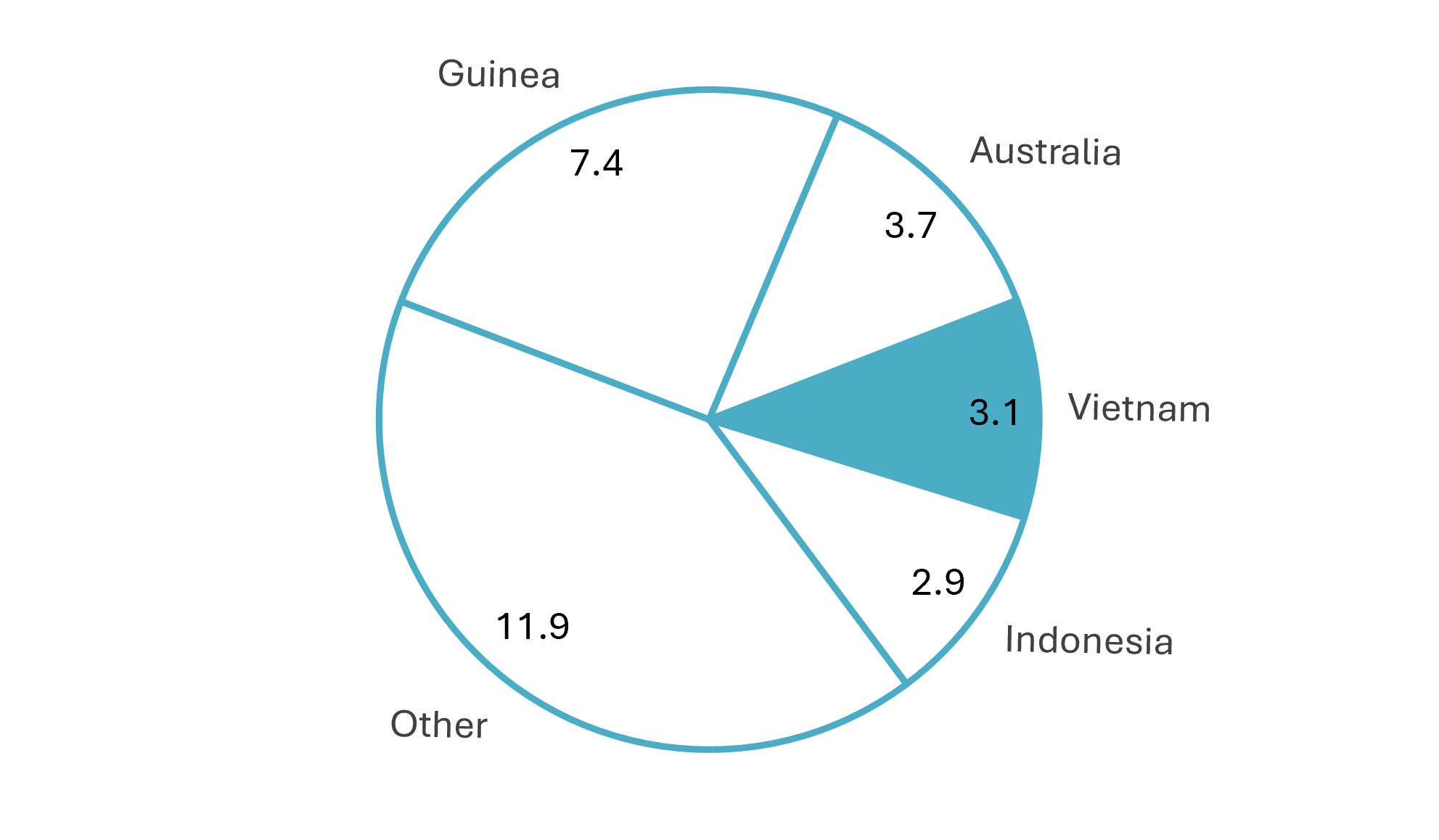
According to the US Geological Survey, Vietnam holds an estimated 3.1 billion tonnes of bauxite reserves, the raw ore used to make aluminum. This is the third largest in the world, behind only Guinea with 7.4 billion tonnes and Australia with 3.7 billion tonnes. Most of Vietnam’s deposits are found in the Central Highlands, including Lam Dong province[7].
Vietnam Ranks Third Globally in Bauxite Reserves, 2025
Unit: billion tonnes
Source: U.S. Geological Survey (USGS)
However, having large reserves does not automatically mean a country can build its own aluminum industry. Guinea is a clear example. It holds more than twice Vietnam’s reserves and mined about 142 million tonnes of bauxite in 2024, yet it produced only 351,000 tonnes of alumina that year. In other words, most of Guinea’s ore is exported raw and processed elsewhere. Vietnam has chosen a different path and has been building its own processing capacity step by step.
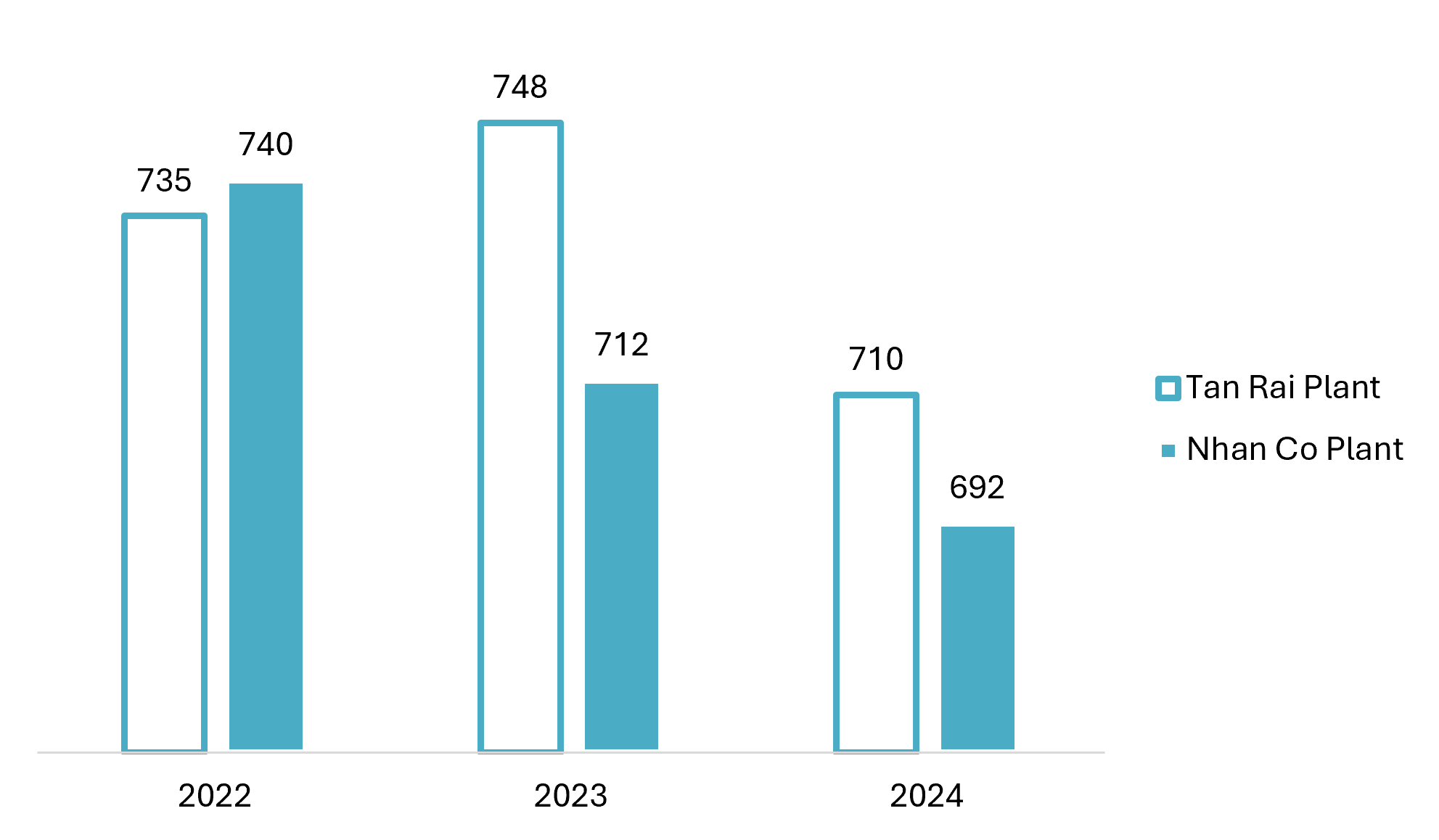
Vietnam has used its bauxite resources to develop an alumina industry, the step that comes right before aluminum smelting. Two major refineries, Tan Rai in Lam Dong and Nhan Co in Dak Nong, both operated by the Vietnam National Coal and Mineral Industries Group (TKV), process bauxite into alumina. In recent years, both plants have maintained annual production at around 0.7 – 0.75 million tonnes, with Tan Rai producing 735,200 tonnes and Nhan Co 740,000 tonnes in 2022[8] [9]. Their production remained at similar levels in 2023, at 748,300 tonnes and 712,000 tonnes[10] [11], respectively, before declining moderately in 2024 to 710,000 tonnes and 692,500 tonnes[12] [13].
Alumina Production at Vietnam’s Two Major Plants, 2022–2024
Unit: Thousand tonnes by Year
Source: Trade Union of Vietnam National Coal and Mineral Industries Group (TKV), 2022–2024.
The country could mine bauxite and refine it into alumina, but it could not turn that alumina into metallic aluminum. As a result, almost all of the alumina Vietnam produced was exported abroad, while local aluminum manufacturers had to import aluminum ingots and billets to make their products. This is exactly the gap the new Dak Nong smelter fills. For the first time, Vietnam can carry the process all the way through, from mining bauxite, to refining alumina, to producing primary aluminum, without sending the material abroad first.
Opportunities and Implications for Vietnam’s Industrial Development
The significance of the Dak Nong smelter goes beyond a single factory. Its real impact will come from how it changes conditions for the industries around it.
– The first change is in supply. Vietnam’s aluminum manufacturers have relied on imported primary aluminum, and the bill is large. In 2022, Vietnam imported about USD 1.58 billion worth of unwrought aluminum, the biggest single category among its aluminum imports[14]. Once the plant is fully ramped up, it is expected to reduce Vietnam’s aluminum imports by around USD 1.5 billion a year, a saving comparable in size to that entire category.
– The second change is how well this supply fits domestic demand. Vietnam’s fast – growing manufacturing sector, especially electronics, auto parts and machinery, is a major driver of aluminum consumption in the country[15]. The project is also expected to contribute about USD 700 million a year to the local economy and to create an estimated 3,500 direct and indirect jobs. Vietnam’s minerals planning for 2021 to 2030 targets 1,2 to 1,5 million tonnes of primary aluminum a year by 2030[16], and the plant’s first phase, at 150,000 tonnes, already reaches the top of that range.
For foreign investors, the implications fall into two areas.
– The first is supply diversification. In 2024, China produced about 43 million of the world’s 72 million tonnes of aluminum, close to 60% of global output[17]. Buyers who want to reduce their dependence on one country have had few alternatives, and Vietnam is now adding one. Its volumes are still small on a global scale, so the near-term effect will be felt mostly in the regional market rather than worldwide.
– The second is opportunity around the smelter itself. As output grows, demand is likely to rise for downstream processing such as rolling and extrusion, for equipment and automation, and for power, logistics and other services in the Central Highlands. Companies with experience in these areas may find Vietnam a more attractive base than before.
Conclusion
The first aluminum ingots produced at the Dak Nong plant on 26 July 2026 mark a turning point for Vietnam’s aluminum industry. With the third largest bauxite reserves in the world and a well-established alumina sector, Vietnam had long lacked one final step, turning alumina into metallic aluminum. That step now exists within its own borders, completing the chain from bauxite to alumina to aluminum for the first time.
Domestic manufacturers may gain a closer and more reliable source of primary aluminum, and the planned reduction in imports could ease pressure on the country’s trade balance. For foreign investors, Vietnam is emerging as an additional aluminum supply base, along with new opportunities in downstream processing, equipment and services around the Central Highlands.
Read more
Vietnam’s Aluminum market: Growth amidst global supply chain challenges
* If you wish to quote any information from this article, please kindly cite the source along with the link to the original article to respect copyright.
| B&Company
The first Japanese company specializing in market research in Vietnam since 2008. We provide a wide range of services including industry reports, industry interviews, consumer surveys, business matching. Additionally, we have recently developed a database of over 1,000,000 companies in Vietnam, which can be used to search for partners and analyze the market. Please do not hesitate to contact us if you have any queries. info@b-company.jp + (84) 24 3978 5165 |
Cover photo: Baochinhphuvn
[1] https://laodong.vn/kinh-doanh/lam-dong-cong-bo-san-pham-nhom-thoi-dau-tien-san-xuat-tai-viet-nam-1741134.ldo
[2] https://vov.vn/kinh-te/dai-tuong-phan-van-giang-du-le-cong-bo-san-pham-nhom-thoi-dau-tien-san-xuat-tai-vn-post1318638.vov
[3] https://nongnghiepmoitruong.vn/cong-bo-thoi-nhom-dau-tien-made-in-viet-nam-d823197.html
[4] https://www.alcircle.com/news/vietnam-completes-bauxite-to-aluminium-value-chain-targets-usd-1-5-billion-import-reduction-120523
[5] https://news.metal.com/newscontent/104046341-what-is-reshaping-vietnams-aluminium-industry-landscape-insights-from-smm%E2%80%90aices-visit-to-thq
[6] https://thuvienphapluat.vn/van-ban/Tai-nguyen-Moi-truong/Decision-866-QD-TTg-2023-planning-for-exploration-extraction-processing-and-use-of-minerals-574694.aspx
[7] https://pubs.usgs.gov/periodicals/mcs2026/mcs2026-bauxite-alumina.pdf
[8] https://congdoantkv.vn/tin-tuc/chi-tiet/37697/%C4%90ai-hoi-Cong-%C4%91oan-Cong-ty-Nhom-%C4%90ak-Nong-lan-thu-II-nhiem-ky-2023-2028
[9] https://congdoantkv.vn/tin-tuc/chi-tiet/36804/Cong-ty-Nhom-Lam-%C4%90ong—TKV-but-pha-thanh-cong-hoan-thanh-xuat-sac-nhiem-vu-SXKD-nam-2022
[10] https://congdoantkv.vn/tin-tuc/chi-tiet/39737/Cong-ty-Nhom-%C4%90ak-Nong-%E2%80%93-TKV-to-chuc-thanh-cong-Hoi-nghi-Nguoi-lao-%C4%91ong-nam-2024
[11] https://congdoantkv.vn/tin-tuc/chi-tiet/39765/Cong-ty-Nhom-Lam-%C4%90ong—TKV-hoan-thanh-xuat-sac-ke-hoach-san-xuat-kinh-doanh-nam-2023
[12] https://congdoantkv.vn/tin-tuc/chi-tiet/42577/Cong-ty-Nhom-%C4%90ak-Nong-%E2%80%93-TKV-to-chuc-thanh-cong-Hoi-nghi-Tong-ket-hoat-%C4%91ong-SXKD-nam-2024-va-Hoi-nghi-nguoi-lao-%C4%91ong-nam-2025
[13] https://congdoantkv.vn/tin-tuc/chi-tiet/42485/Cong-ty-Nhom-Lam-%C4%90ong—TKV-hoan-thanh-xuat-sac-nhiem-vu-san-xuat-kinh-doanh-nam-2024
[14] https://trendeconomy.com/data/h2/Vietnam/76
[15] https://www.imarcgroup.com/report/vi/vietnam-aluminium-market
[16] https://vietnamnews.vn/economy/1726484/viet-nam-taps-into-aluminium-surge-amid-global-supply-race.html
[17] https://www.nasdaq.com/articles/top-10-aluminum-producing-countries
Related article

























Log in / Register
SUBSCRIBE NEWSLETTER