

 English
  日本語
日本語  Tiếng Việt
  简体中文
简体中文  한국어
한국어 This article analyzes challenges in selecting a business location and proposes an approach to help businesses evaluate and make decisions effectively.

13Feb2025
Latest News & Report / Vietnam Briefing
Comments: No Comments.
Choosing a business location is one of the most strategic decisions for any company, especially in the retail sector. A suitable location not only boosts revenue but also ensures long-term business sustainability. However, the process of selecting a location is not simple and requires consideration of various factors, including population density, consumer habits, competition levels, transportation infrastructure, and other underlying elements that may impact business operations.
In addition to quantitative data analysis, several non-financial factors such as the convenience of the location, long-term development trends of the area, and the attractiveness of the site to the target customers also play a crucial role in the final decision. In reality, many stores, despite being in crowded areas, fail to achieve expected revenue due to misalignment with consumer habits or difficulties in reaching customers.
This article will analyze common challenges in selecting a business location and propose an approach to help businesses evaluate and make informed decisions effectively.
1. Challenges in Choosing a Business Location
1.1. The Impact of Surrounding Residents’ Characteristics
One of the most critical factors in assessing a business location is understanding the characteristics of local residents, particularly their shopping behavior and willingness to spend at modern retail channels. In some central areas, although population density is high with significant foot traffic, if most residents live in townhouses or old apartment complexes situated deep in narrow alleys, they may prefer traditional retail channels such as local markets or small neighborhood stores.
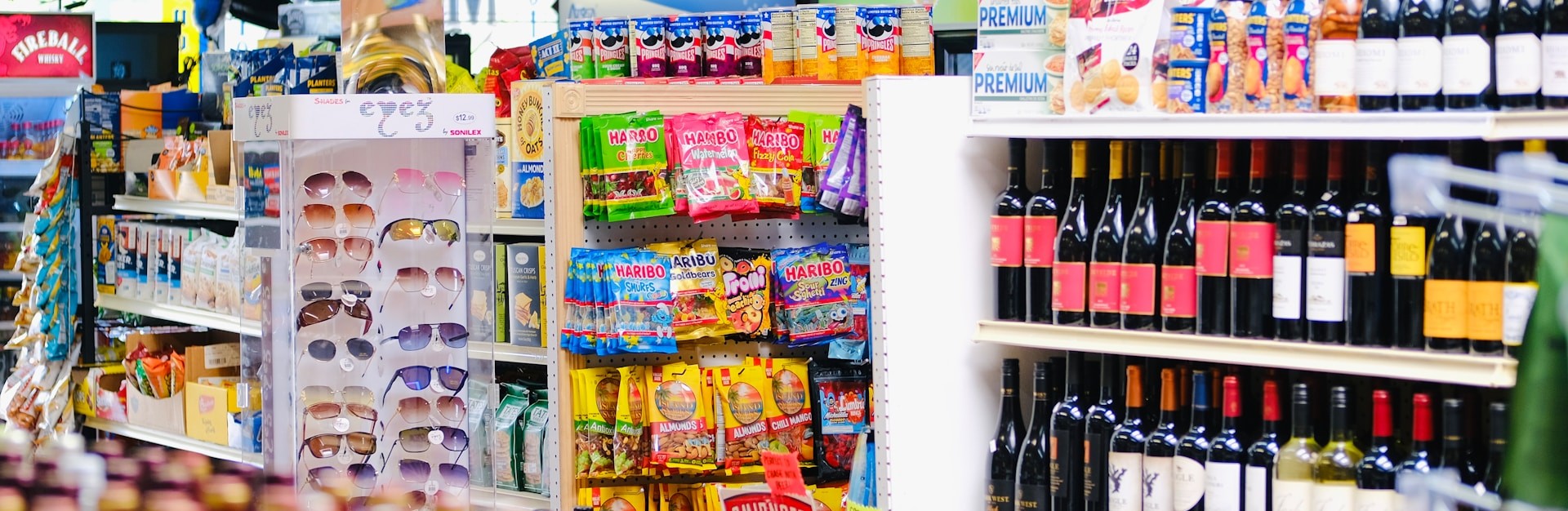
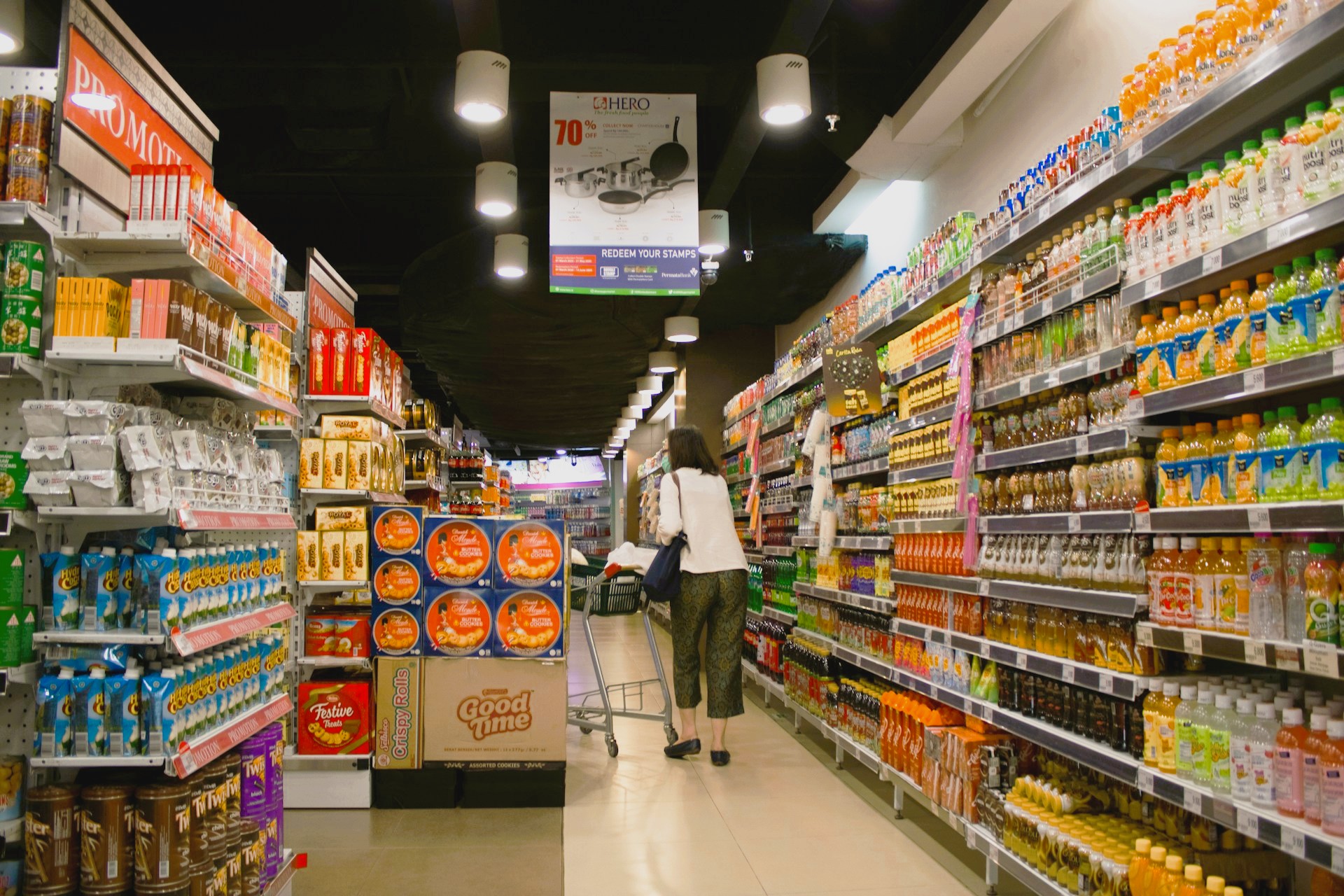
Figure 1: Wet market and supermarket image in Vietnam with different customer segments
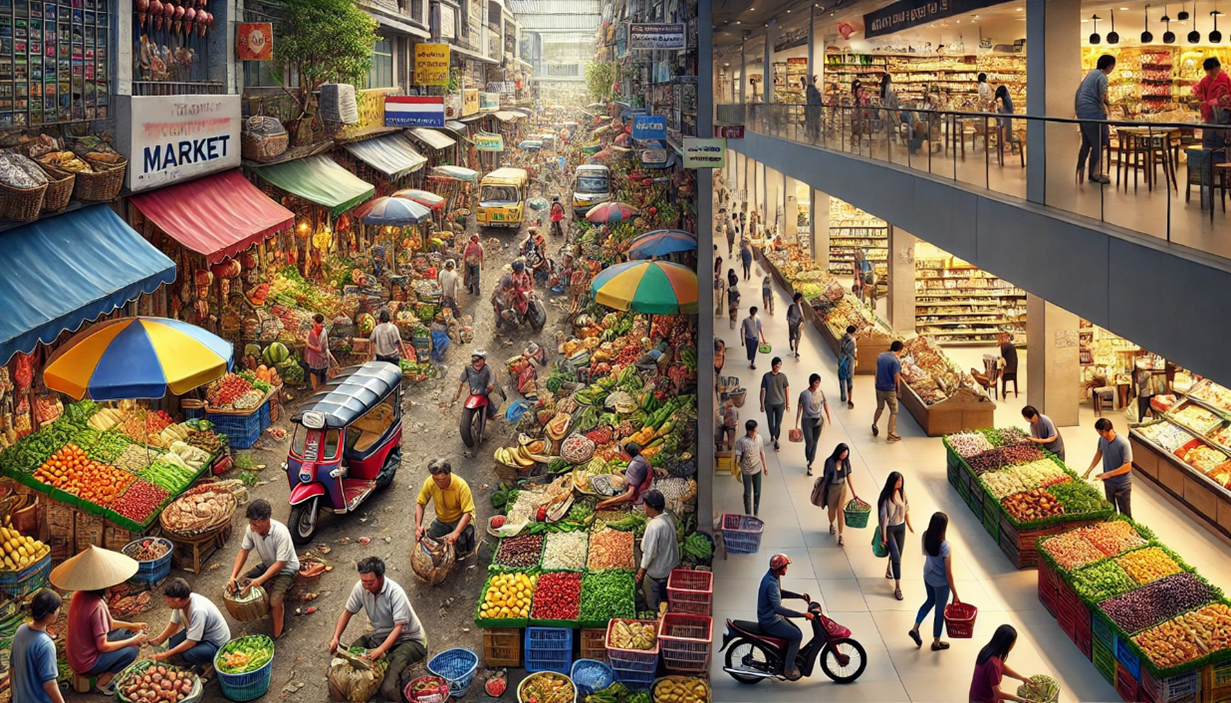
Meanwhile, younger generations tend to shift towards shopping at supermarkets, convenience stores, or shopping malls, but this transition does not happen immediately and requires time. This can affect business performance in the initial stage of opening a store. Forecasting changes in shopping behavior is crucial for making appropriate investment decisions.
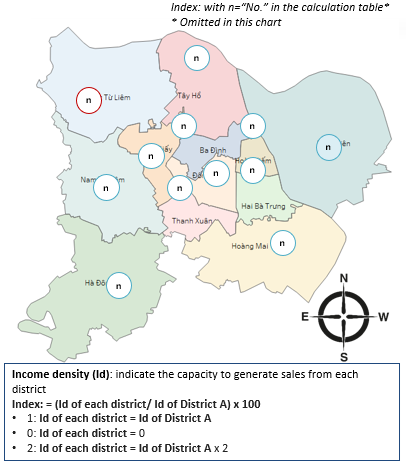
Market research in Vietnam has shown that areas with lower average incomes tend to maintain traditional shopping habits longer than higher-income areas. This is particularly true for regions with a predominantly working-class population, laborers, or elderly residents. Conversely, areas with younger demographics or rapid urbanization tend to adopt supermarket and convenience store models more quickly.
Figure 2: B&Company analysis on Income density in Hanoi by district level

Related article






























Log in / Register
Continue without an account
Log in / Register
SUBSCRIBE NEWSLETTER