

 English
  日本語
日本語  Tiếng Việt
  简体中文
简体中文  한국어
한국어 Vietnam's retail market is experiencing a significant transformation, marked by the rapid expansion of Chinese retail brands.
23May2025
Latest News & Report / Vietnam Briefing
Comments: No Comments.
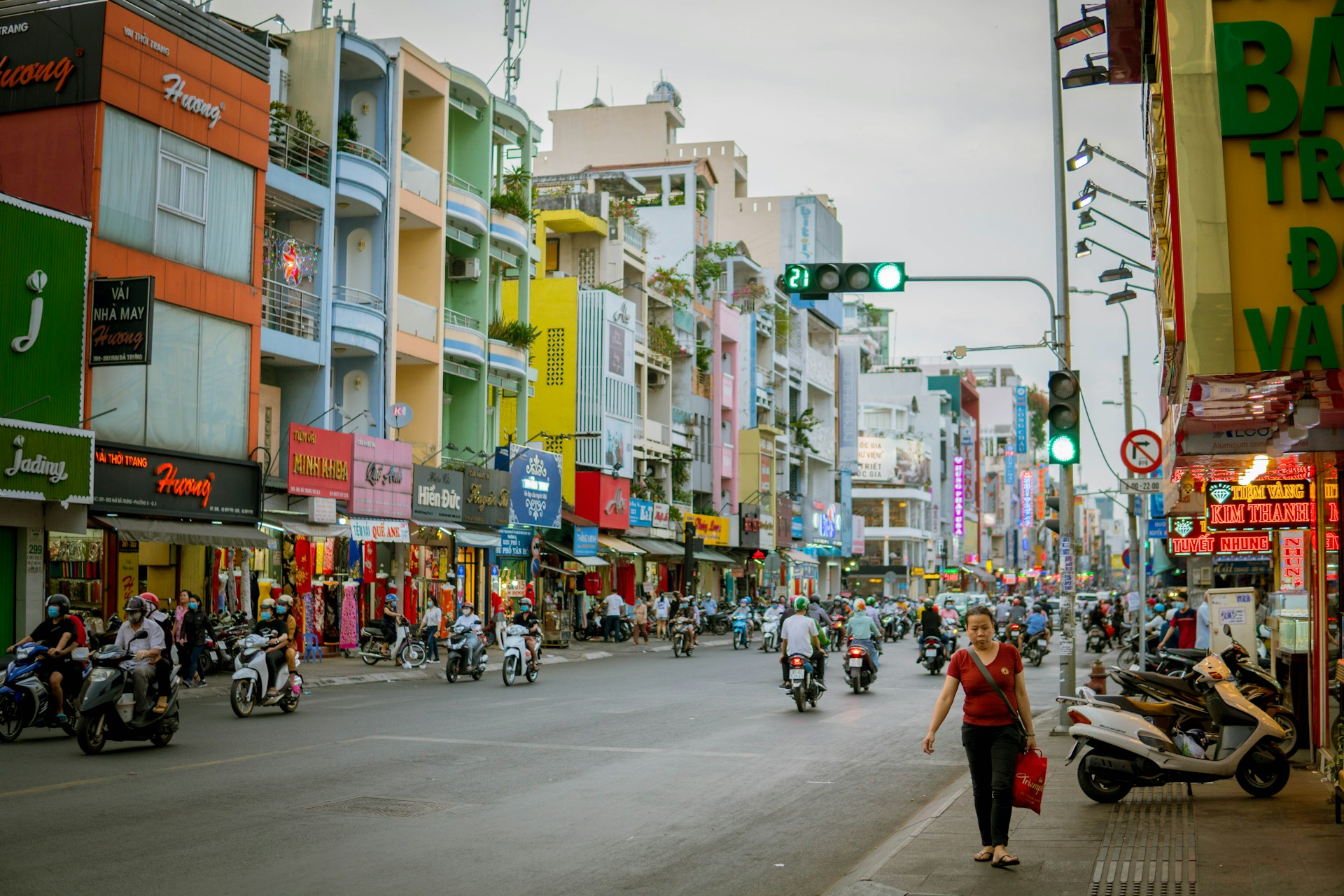
Vietnam’s retail market is experiencing a significant transformation, marked by the rapid expansion of Chinese retail brands across various sectors. From food and beverage (F&B) chains to e-commerce platforms, electric vehicles (EVs), cosmetics, fashion, electronics, etc Chinese enterprises are leveraging their competitive advantages to establish a strong presence in Vietnam.
Current Landscape: Chinese Brands Making Inroads
Chinese brands are making significant inroads into Vietnam’s retail market, focusing on the mid-range segment across sectors like food and beverage, e-commerce, and electric vehicles. With their dynamic expansion strategies, reliance on franchise models, and ability to offer affordable pricing, Chinese companies are proving more agile and proactive than their Western counterparts, allowing them to quickly adapt to local market demands and attract price-sensitive consumers.
Food and Beverage Sector
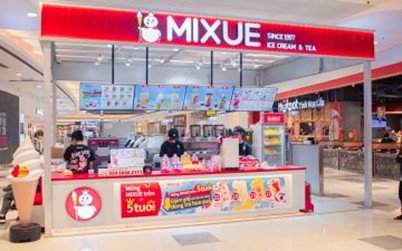
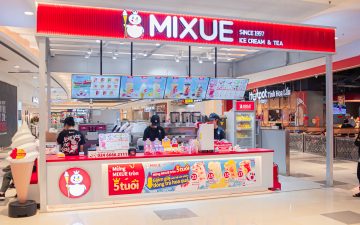
Chinese food and beverage (F&B) brands are at the forefront of retail expansion in Vietnam, driven by aggressive franchising, affordable pricing, and youth-focused branding. Among them, Mixue, a soft-serve ice cream and tea chain, has made the biggest splash. By the end of 2023, Mixue had opened over 1,000 stores nationwide, using a low-cost franchise model that targets high-traffic locations in cities and towns alike [1]. Its budget-friendly menu, playful branding, and social media popularity have made it a go-to hangout spot for young Vietnamese consumers.
Mixue Store at Aeon Mall Binh Duong
Following closely is Cotti Coffee, a newer Chinese entrant that launched in Vietnam in late 2023. Despite only opening around 10 outlets so far in Hanoi and Ho Chi Minh City, Cotti has ambitious global plans, aiming for 20,000 stores worldwide by 2025. It positions itself between premium international chains like Starbucks and local coffee vendors, offering high-quality Arabica coffee at competitive prices. The brand’s clean, modern aesthetic and quick-service model cater well to Vietnam’s fast-paced urban lifestyle[2].
The rise of these brands is having a ripple effect on the local market. Vietnamese chains are facing increased pressure to improve quality, pricing, and digital engagement. Meanwhile, the popularity of franchise models led by Mixue is encouraging a wave of young local investors to enter the F&B space. With their proven business models and efficient supply chains, Chinese F&B brands are not just expanding, they are actively shaping Vietnam’s modern retail food culture.
E-Commerce Platforms
Chinese e-commerce platforms have been actively expanding their presence in Vietnam, tapping into the country’s fast-growing digital economy. Major platforms such as Taobao, Tmall, Pinduoduo, and JD.com have introduced Vietnamese-language interfaces, making it easier for local consumers to access a wide variety of products[3]. By removing language barriers and offering competitive pricing, these platforms are attracting a growing number of Vietnamese online shoppers, especially among younger, price-sensitive demographics.
One of the most notable recent moves was the launch of Temu in Vietnam in October 2024. Temu, known for its bargain-priced goods and aggressive promotions, entered the market offering significant discounts and free shipping, quickly gaining attention from budget-conscious consumers[4]. Its arrival signaled a new phase of competition in Vietnam’s already vibrant e-commerce sector, challenging local players like Shopee and Lazada.

Related article





















Log in / Register
Continue without an account
Log in / Register
SUBSCRIBE NEWSLETTER