

 English
 日本語
 Tiếng Việt
 简体中文
 한국어
Vietnam logistics industry is expanding rapidly. With an annual growth rate of approximately 14–16%, it currently contributes about 10% to the GDP.
26Oct2026
Latest News & Report / Vietnam Briefing
Comments: No Comments.
The logistics industry is expanding rapidly. Growing at an annual rate of approximately 14-16%, it has reached about 52 billion USD, accounting for roughly 10% of GDP. Its accessible location for overseas trade (extensive coastline, rivers, and land borders) and trade agreements (EVFTA, CPTPP, RCEP, etc.) facilitate integration into global supply chains and are essential elements enabling the processing trade model. While high logistics costs were a challenge, improvements in transport infrastructure and competition have boosted efficiency. By 2023, Vietnam’s ranking in the World Bank’s Logistics Performance Index rose to 43rd out of 139 countries.
Basic Statistics
| Indicator | Unit | 2020 | 2021 | 2022 | 2023 | 2024 |
| Cargo Volume | Million tons | 1,622 | 1,622 | 2,031 | 2,289 | 2,575 |
| Road | Million tons | 1,282 | 1,303 | 1,595 | 1,806 | 2,030 |
| Inland Waterways | Million tons | 258 | 242 | 332 | 368 | 410 |
| Seaport | Million tons | 76 | 70 | 98 | 110 | 130 |
| Rail | Million tons | 5.2 | 5.7 | 5.7 | 4.6 | 5.1 |
| Aviation | Million tons | 0.3 | 0.3 | 0.3 | 0.3 | 0.4 |
| Market Size | Billion USD | 35 | 40 | 44 | 48 | 52 |
| Number of Companies | Thousand | 32 | 35 | 38 | 40 | 42 |
| FDI Inflows | Million USD | 663 | 742 | 454 | 491 | 488 |
Source: General Statistics Office
Regulation
Foreign ownership restrictions in the logistics sector range from 34% to 100%. Foreign equity is capped at 34% for air cargo, 49% for maritime, rail, and inland waterway transport, and 51% for road freight transport. Conversely, warehousing, express delivery (parcel and package), and freight forwarding allow for full foreign ownership. While license acquisition and compliance with industry regulations remain necessary, institutional reforms accompanying WTO accession and various FTAs have gradually eased entry procedures and equity restrictions for foreign investment, particularly in warehousing and forwarding. Furthermore, while the government maintains foreign ownership caps for core transport services like aviation, shipping, and railways to safeguard sovereignty and security, it actively promotes foreign and private capital participation in infrastructure sectors such as airports, ports, and highways through FDI and PPP schemes.
In 2023, Government Decision 163/NQ-CP 2022 established a national logistics strategy emphasizing digitalization and efficiency. Looking ahead, growth is anticipated for new 4PL (Fourth-Party Logistics) providers and digital freight platforms aiming to offer end-to-end supply chain management for exporters and major retailers. Overseas investors have opportunities to invest in infrastructure such as port terminals, cold storage, and inland logistics hubs, as well as software platforms that enhance efficiency and visibility.
Market Overview
Total cargo volume rose at a 9% annual rate from 1.38 billion tons in 2017 to 2.58 billion tons in 2024.
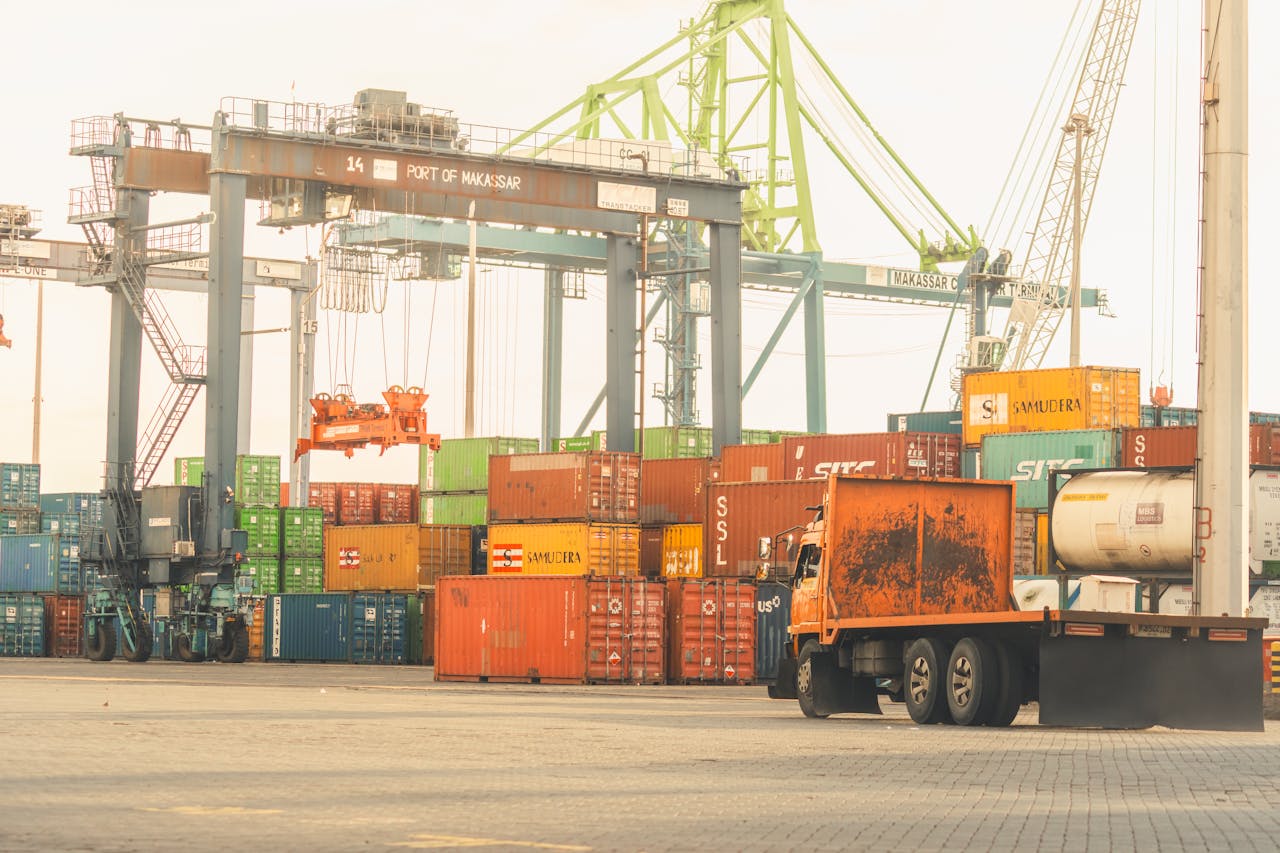
Road transport accounts for 80% of total cargo volume. Inland waterways follow at 16%, concentrated in river-dense regions like the Mekong Delta and Red River Delta. Meanwhile, seaports represent 5% but are experiencing robust growth with the utilization of new deep-water ports like Lach Huyen and Cai Mep.
Key Sectors:
– Forwarding and Transportation: The use of multimodal transport- combining sea, air, rail, and road for international and domestic cargo is expanding.
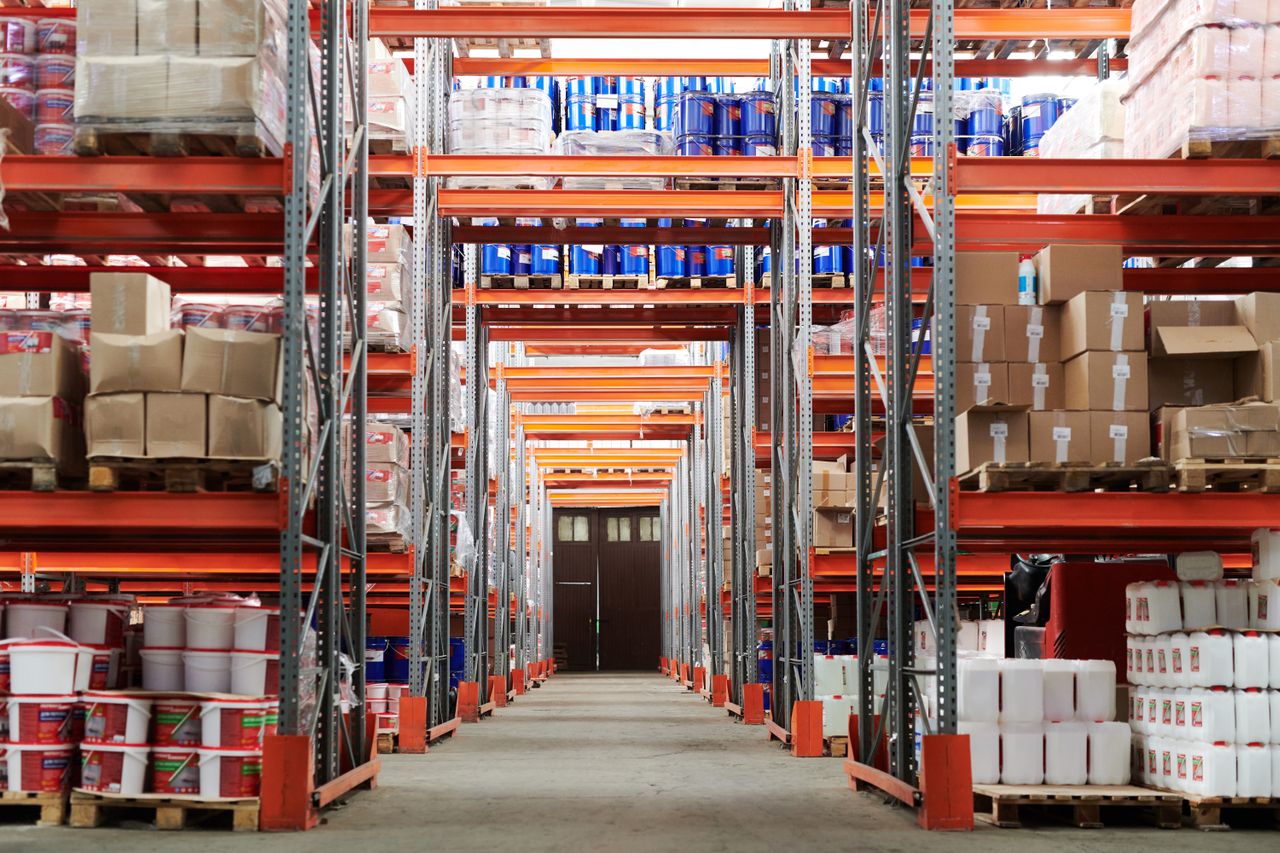
– Warehousing & Distribution: Modern warehouses are growing due to the expansion of industrial parks and retail networks. Demand for warehouses for refrigerated agricultural products (fruits, seafood) and pharmaceuticals is increasing. Logistics parks are being built near cities and ports by domestic and foreign investors.
– Last-Mile Delivery: EC logistics infrastructure is being established. The e-commerce market is projected to reach 22 billion USD by 2024 and 63 billion USD by 2030. Developments are anticipated in home delivery services, small urban distribution centers, mobile platforms, real-time tracking, and route optimization.
– Cold Chain: Frozen and refrigerated logistics are growing, supported by strong demand for seafood, fruits, vegetables, and pharmaceuticals in both export and domestic markets. The industry consists mostly of small players, but major players include Lineage Logistics (expanding foreign company), Transimex (domestic player in the south), and ABACooltrans. The market size is 163–211 million USD in 2023106 and is projected to more than double by 2029. However, equipment and technology have not caught up to international standards (see next section).
Major Players
The industry is segmented into specialized services such as freight transport, warehousing, third-party logistics, cold chain, and e-commerce delivery. While Hanoi and Ho Chi Minh City host most hubs, port, road, and rail infrastructure development is expanding networks to regional areas. Hundreds of medium-sized local companies fiercely compete with major domestic and international players. SMEs leverage flexibility and local knowledge, while large firms provide comprehensive IT-driven solutions.
Major players include domestic firms such as Vietnam Post, Viettel Post, VIMC, Transimex, Bee Logistics, Indo Trans, and Vinafreight, alongside international giants like DHL, Kuehne+Nagel, DB Schenker, and Expeditors.
| No | Company | Country | Established | Headquarters | Overview |
| 1 | Transimex | Vietnam | 1983 | Ho Chi Minh City | Long-established corporation. Multimodal transport, ICD, warehousing |
| 2 | Schenker | Germany | 1991 | Hanoi | International Air/Sea Freight, Land Transportation, Contract Logistics |
| 3 | Vietnam Maritime Corporation | Vietnam | 1995 | Hanoi | State-owned holding company engaged in maritime transportation and port operation management. Owns major ports such as Haiphong and HCMC |
| 4 | Vinafreight | Vietnam | 1997 | Ho Chi Minh City | Air and sea freight forwarding, liner shipping agency services, warehousing services |
| 5 | Viettel Post | Vietnam | 1997 | Hanoi | Major postal, courier, and e-commerce delivery provider. Part of Viettel Group. Nationwide operational network |
| 6 | Do Trans Logistics | Vietnam | 1999 | Ho Chi Minh City | Major forwarder. Integrated logistics covering air, sea, rail, and land transport; digital platform support |
| 7 | Bee Logistics | Vietnam | 2004 | Ho Chi Minh City | A private 3PL provider offering sea and air freight forwarding, customs clearance, trucking, and express supply services. Extensive overseas network |
| 8 | Vietnam Post | Vietnam | 2007 | Hanoi | A state-owned enterprise under the Vietnam Post and Telecommunications Group, providing nationwide postal, delivery, and logistics services |
| 9 | DHL | Germany | 2008 | Ho Chi Minh City | International Air & Ocean Freight Forwarding & Customs Clearance Services |
| 10 | Expeditors | United States | 2013 | Ho Chi Minh City | Providing global ocean and air freight transportation, customs clearance services, and supply chain management functions |
Source: B&Company Analysis
M&A activity in the logistics sector remained robust from 2023 to 2024, with investment scale expanding (56.3 million USD in the first nine months of 2024). Investment targets include warehouses, industrial logistics (third-party logistics, distribution, cold chain), ports, and inland container depots.
Examples of investment in the logistics sector
| No | Investment Targets | Investor | Investment Amount | Term | Details |
| 1 | D PROJECT TAN DUC 2 (Long An Province) | Daiwa House Logistics Trust (Japan) | 26.5 million USD | July 2024 | Acquisition of a cold storage warehouse (REAT’s first project in Vietnam) |
| 2 | Two logistics facilities in Binh Duong and Hung Yen provinces | Mapletree Logistics Trust (Singapore) | Over 50 million USD | March 2024 | Acquired two Grade A warehouses at VSIP II (Binh Duong) and Yen My Industrial Park (Hung Yen) |
| 3 | Khai Mep-Thi Vai LNG Terminal | AG&P LNG (Singapore) | Approximately 500 million USD, 49% stake | March 2024 | Receiving terminal with an annual capacity of 3 million tons (including logistics and energy plant functions) |
| 4 | Joint venture with SK Logistics (Vietnam) | Lineage Logistics (U.S.) | NA | August 2023 | Expanding refrigerated warehouse capacity in Hanoi and Ho Chi Minh City |
| 5 | Sotrans (Vietnam) | PSA International (Singapore) | NA | May 2023 | Strengthening Port, Inland Container Depot, and Forwarding Network |
| 6 | Three Logistics Properties (Bac Ninh, Binh Duong) | Mapletree Logistics Trust (Singapore) | 95 million USD | January 2022 | Acquired a portfolio of three logistics warehouses located in Bac Ninh and Binh Duong provinces in a single transaction |
| 7 | Logistics facility within Yen Phong Industrial Park (Bac Ninh Province) | Boustead Projects (Singapore) | 6.9 million USD | January 2021 | Acquired a 49% stake in KTG Bac Ninh Industrial Development to enter the logistics warehouse project within the Yen Phong Industrial Park |
Source: B&Company synthesized from various media reports
Market development
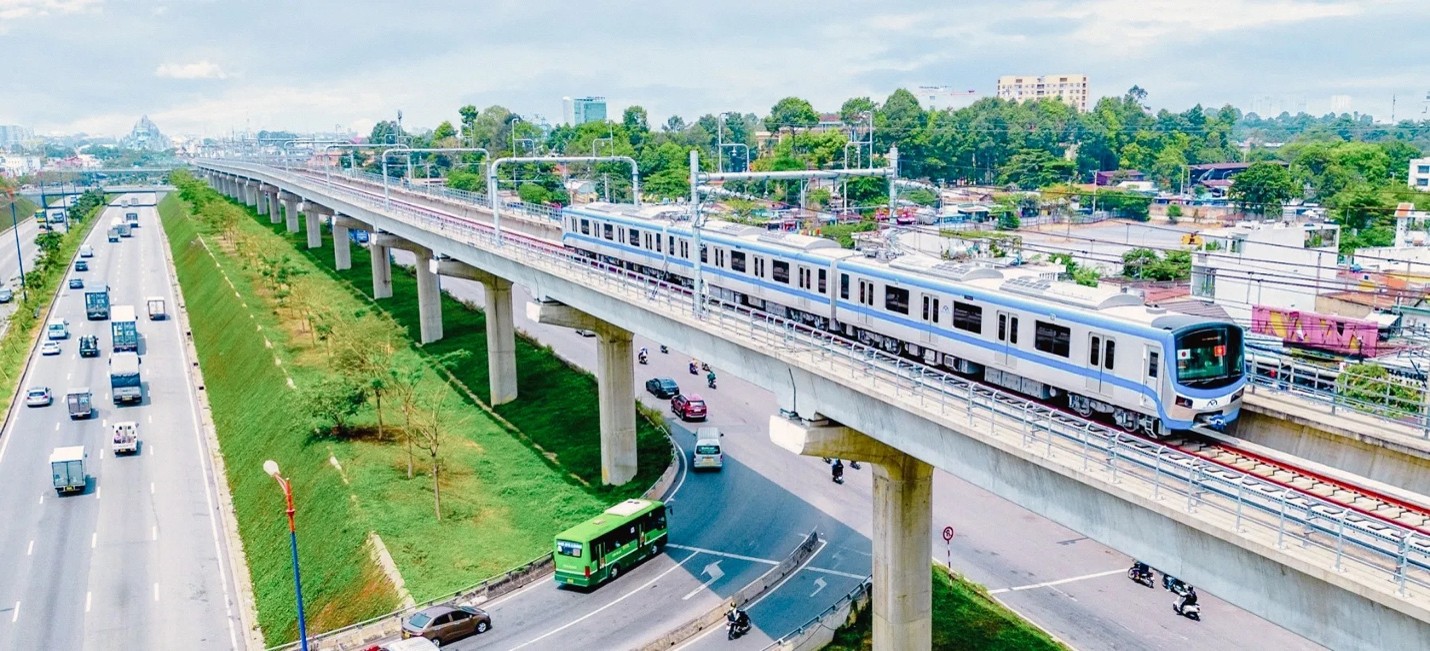
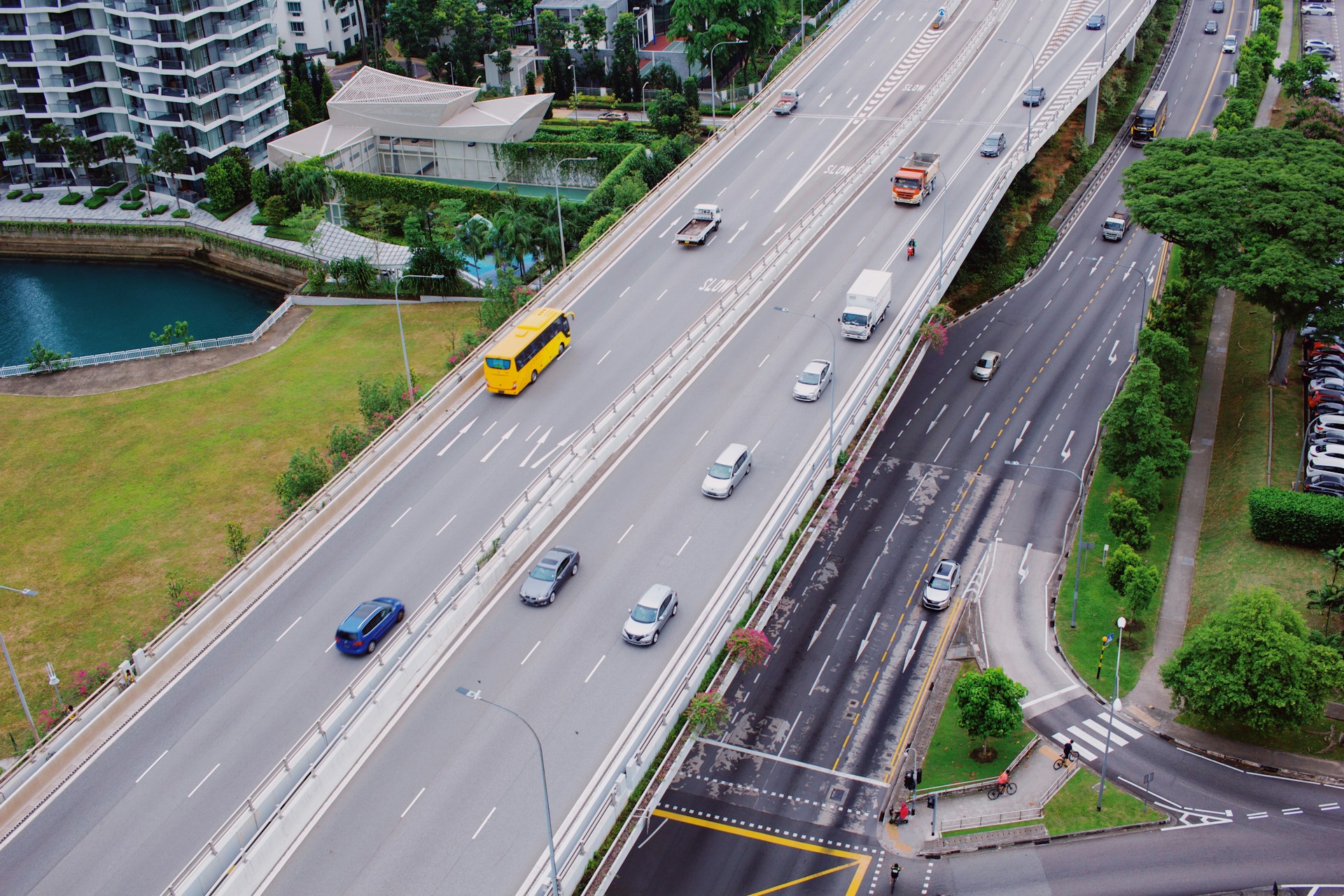
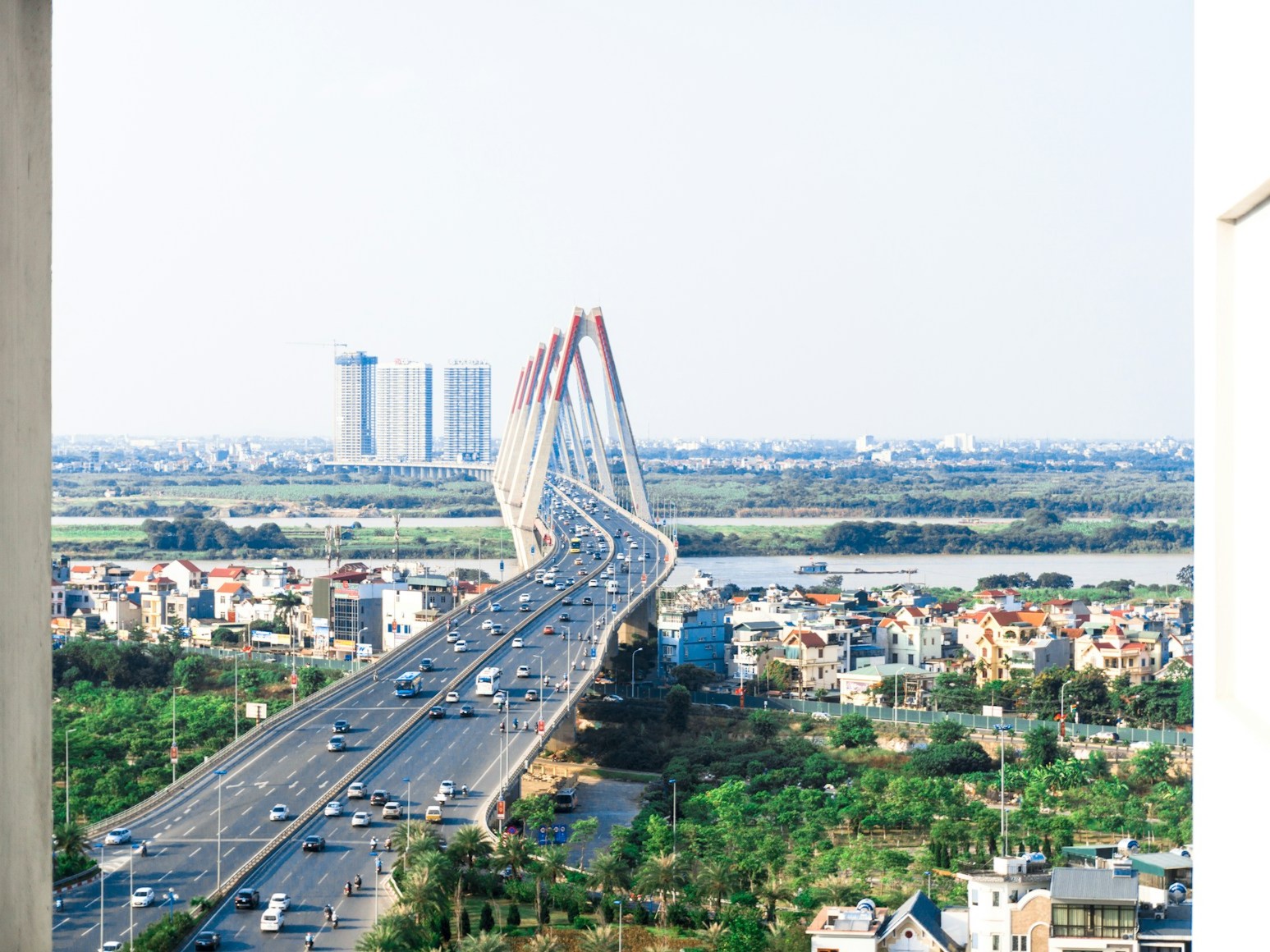
National logistics infrastructure development is advancing across various transportation modes. Digitalization and public-private partnerships are prioritized, poised to significantly enhance connectivity and efficiency. The Lach Huong Deep-Water Port (Hai Phong) is expanding to 12 berths with a maximum annual capacity of 6 million TEUs. A 136-hectare logistics and bonded zone is being developed at Long Thanh International Airport, positioning it as an air cargo hub adjacent to Dong Nai and Binh Duong. Recent expressways, such as the Ben Luc-Long Thanh and Hai Phong-Quang Ninh routes, are reducing transit times between industrial zones and deep-sea ports, helping to alleviate supply chain bottlenecks.
Long Thanh Airport is undergoing final preparations for operations in June 2026

Source: Civil Aviation Authority of Vietnam
Environmental concerns are promoting green logistics. Hanoi and Ho Chi Minh City are introducing trial restrictions on gasoline vehicles in central areas and promoting a shift to biofuels and electric vehicles. Logistics and EC companies are trialing electric delivery motorcycles and trucks, while warehouses are increasingly adopting solar panels and LED lighting. These measures align with the country’s green growth strategy promoting low-emission, energy-efficient transportation. Ports are also advancing initiatives, with Cat Lai Port replacing diesel-powered cargo handling equipment with electric alternatives, achieving annual fuel cost savings of 1.5 to 2 million USD.
FTAs (such as the AEC, EVFTA, CPTPP, and RCEP) are promoting improvements in cross-border logistics efficiency. These agreements have eliminated or reduced tariffs on many items, simplified customs procedures, promoted electronic customs clearance and the unification of rules of origin, and steadily reduced the lead time and cost of cross-border transactions. Furthermore, the gradual opening of logistics service markets and the harmonization of standards and specifications are accelerating the development of regional networks and the restructuring of hub locations. This is also driving increased demand for advanced logistics services such as 3PL and 4PL.
Read more
Challenges and opportunities in Vietnam’s Logistics sector for foreign investors
Cold chain Logistics in Vietnam: Investment of Japanese companies and opportunities for expansion
* If you wish to quote any information from this article, please kindly cite the source along with the link to the original article to respect copyright.
| B&Company
The first Japanese company specializing in market research in Vietnam since 2008. We provide a wide range of services including industry reports, industry interviews, consumer surveys, business matching. Additionally, we have recently developed a database of over 1,000,000 companies in Vietnam, which can be used to search for partners and analyze the market. Please do not hesitate to contact us if you have any queries. info@b-company.jp + (84) 24 3978 5165 |
Related article














Log in / Register
SUBSCRIBE NEWSLETTER