

 日本語
日本語  English
  Tiếng Việt
  简体中文
简体中文  한국어
한국어 廃棄物エネルギーや産業リサイクルのソリューションは登場していますが、規模が限られているため、投資とイノベーションのチャンスが生まれています。
2026年2月2日
最新ニュースとレポート / ベトナムブリーフィング
コメント: コメントはまだありません.
ベトナムでは、工業化の加速に伴い産業廃棄物が急増しており、埋立処分と焼却が依然として主な処理方法となっています。廃棄物発電や産業リサイクルといった技術に基づく解決策も登場していますが、高コストと技術的制約により規模が限定されており、さらなる投資とイノベーションの機会が生まれています。
ベトナムの産業廃棄物リサイクル技術の現状
過去10年間のベトナムの急速な産業発展により、産業廃棄物の量が大幅に増加し、同国の廃棄物管理システムへの負担が増大しています。ベトナムは毎年数千万トンもの産業廃棄物を排出していますが、正式に収集・処理されているのはわずか70%程度です。残りの半分は埋め立て処分されるか、非公式なルートで処理されることが多く、土壌の質、地下水、そして公衆衛生に持続的なリスクをもたらしています。
実際には、産業廃棄物処理においては依然として埋め立てが主流です。多くの工場、特に中小規模の工場にとって、埋め立て処分は最も利用しやすく費用対効果の高い選択肢です。しかし、この方法は温室効果ガスの排出など、長期的な環境への影響を伴います。廃棄物の減量には焼却も用いられますが、高度な排出制御システムがなければ、問題を解決するどころか二次汚染を引き起こす可能性があります。
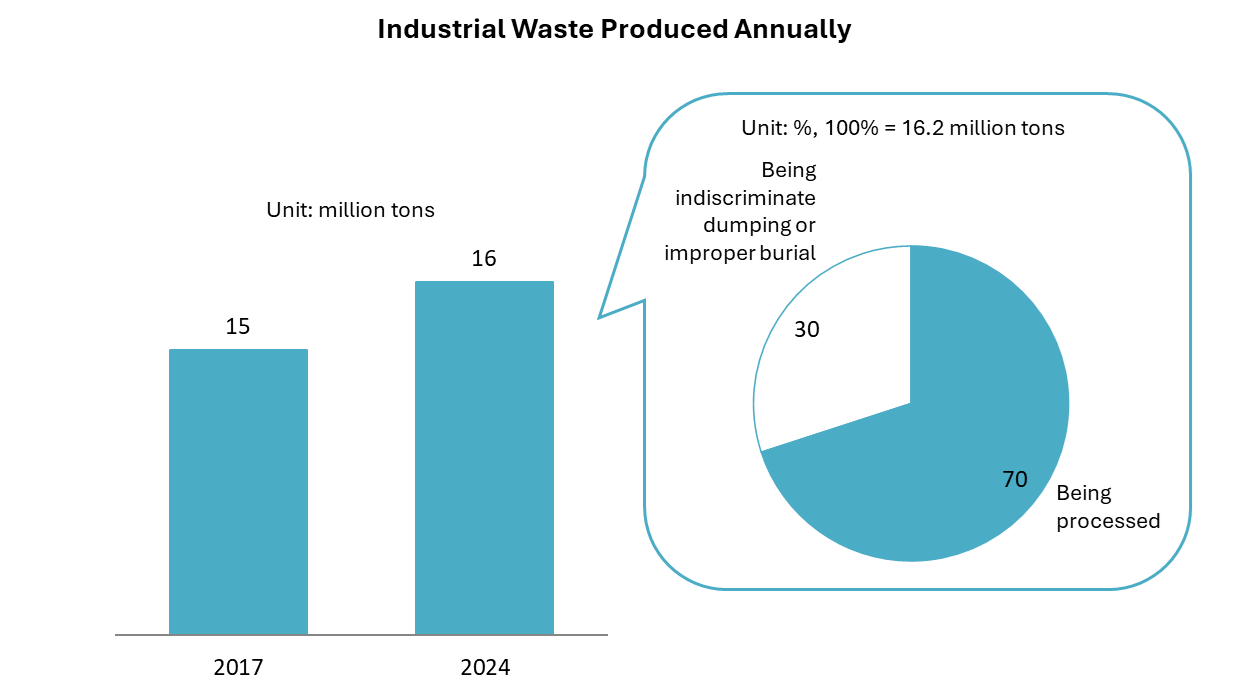
出典: B&Company
ベトナムでは廃棄物収集システムを備えた工業団地が整備されているものの、処理が必要な産業廃棄物の量は依然として処理能力をはるかに上回っています。多くの集中処理施設は老朽化しており、過負荷状態にある一方、廃棄物の流れ自体も複雑化しており、製造業、電子機器、化学、食品加工などの分野から発生する有害物質と非有害物質の両方が混在しています。こうした複雑さが、リサイクルと回収をはるかに困難にしています。
その結果、産業廃棄物処理における最新技術の適用は最優先事項の一つとなっています。一部の企業はこの技術の適用を開始していますが、投資コストの高さ(初期費用で最大100万~200万米ドル)と技術力の不足により、その規模は依然として限定的です。さらに、政策実施のギャップと環境規制の不十分な施行により、多くの企業が廃棄物処理基準を完全に遵守しておらず、既存システムの有効性が低下しています。
産業廃棄物に適用される現在のリサイクル技術
ベトナムは産業廃棄物への圧力に応えて、価値を引き出し環境への影響を減らすことができる新しいリサイクル方法と技術の模索を始めました。
例えば、 廃棄物エネルギー(WtE) リサイクルできない固形廃棄物を、制御された熱処理プロセスを用いて電力や熱に変換する技術。ベトナムでは、埋立地容量の限界が迫る中、廃棄物発電は同国の廃棄物対策戦略の中核を担うようになっている。ハノイにある世界最大級のナムソン廃棄物発電プラントのような大規模プロジェクトは、産業廃棄物や都市廃棄物が発電原料として利用できることを実証している。ベトナムには現在、約 20件のWtEプロジェクト 開発中または稼働中の廃棄物処理施設[4]には、カントー市にあるEB環境エネルギー社の400トン/日の処理能力を持つ廃棄物処理施設[5]が含まれます。廃棄物処理施設(WtE)は、埋立地に送られる産業廃棄物の量を削減するだけでなく、残留物からエネルギーを生成することで、より広範な循環型経済の目標にも合致しています。
カントー市にあるEB環境エネルギー社の廃棄物処理施設
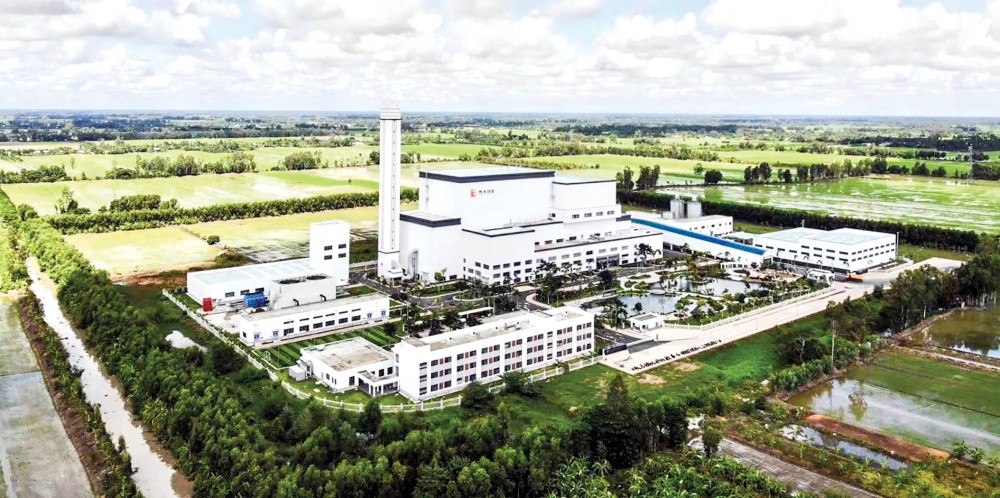
出典:MOIT カントーオンライン
このような進歩にもかかわらず、廃棄物発電(WtE)の導入状況は大きく異なっており、多くのプロジェクトは計画段階または建設初期段階にとどまっています。課題としては、高額な資本コスト、厳格な排出規制要件、そして安全に燃焼を行う前に堅牢な選別・前処理システムとの統合が必要となることなどが挙げられます。
WtEのもう一つの成功事例は、ハノイのナムソン廃棄物処理団地にあるソクソン廃棄物発電プラントである。このプラントは2022年に正式に国の電力網に接続され、ベトナムの産業廃棄物リサイクル技術の応用における大きな一歩となった。このプラントは1日最大4,000トンの乾燥廃棄物を焼却することができ、最初の発電機は15MWの電力を生産し、すべての焼却炉が稼働すれば75MWに達する予定である。この電力の約50MWは国の電力網に供給され、残りは現場での作業をサポートしている。2017年にハノイ当局によって7兆ドン(約1兆4,300万米ドル)の投資で承認されたこの施設は、首都の廃棄物の大部分を処理し、埋め立て処分への依存を減らすように設計されている[10]。
The Soc Son Waste-to-Energy Plant

出典:MOIT VNTY
市場参加者
ベトナムにおける産業廃棄物リサイクル技術の開発と応用は、単一の主体ではなく、政府機関、国内企業、そして外資系企業の組み合わせによって推進されています。これは、産業廃棄物の複雑な性質を反映しており、政策、インフラ、そして技術を横断した協調的な解決策が必要となる場合が多いことを示しています。
政策面では、ベトナム政府が技術導入の推進において中心的な役割を果たしています。環境保護と循環型経済に関する国家戦略では、2030年までに60~70%の産業廃棄物をリサイクルするという明確な目標が設定されています[8]。これらの政策コミットメントにより、地方自治体や工業団地は、埋立処分のみに頼るのではなく、技術に基づく解決策を模索するようになりました。しかし、実施状況は地域によって依然としてばらつきがあり、多くのプロジェクトが依然として試験段階または初期導入段階にあります[9]。
国内企業は、特に廃棄物を直接経済価値に変換できる分野において、徐々に積極的に活動するようになっている。プラスチック、金属、産業副産物のリサイクル企業は、より厳しい規制を遵守し、処分コストを削減するために、選別ライン、前処理システム、エネルギー回収ソリューションへの投資を行っている。同時に、ベトナム廃棄物リサイクル協会(VWRA)などの業界団体は、慣行の標準化や企業と技術提供者の連携を支援している[11]。
外資系企業や多国籍企業もまた、新興技術の重要な推進力となっている。官民パートナーシップや持続可能性イニシアチブを通じて、ダウ、SCGグループ、ユニリーバといったグローバル企業は、ベトナム当局と協力し、高度な廃棄物処理モデル、循環型包装ソリューション、産業リサイクルロードマップを推進してきた。これらの協力は、ベトナムの産業廃棄物セクターに国際的な技術基準や運用ノウハウを導入し、技術の習得と導入を加速させている。[7]
外国直接投資(FDI)企業への影響
ベトナムの産業廃棄物セクターは、特に環境工学や高度な処理技術の専門知識を持つ企業にとって、外国直接投資の明確な機会を提供しています。廃棄物量の増加にもかかわらず、ベトナムの現在の産業廃棄物管理システムは、特にケミカルリサイクル、高効率廃棄物発電システム、複雑な産業残渣の処理といった分野において、技術的深度が限られているという制約を受けています。このギャップは、外国企業が技術プロバイダーまたは戦略的パートナーとして、現地の事業者や工業団地の廃棄物処理能力の向上を支援する余地を生み出しています。
同時に、ベトナムの循環型経済発展へのコミットメントと2030年までの産業廃棄物リサイクル目標は、好ましい政策的背景を提供しています。外資系企業にとって、産業廃棄物処理・リサイクル技術への投資は、規制遵守への対応だけでなく、地域サプライチェーン全体の長期的な持続可能性目標にも合致するものです。ベトナムの製造業が拡大を続けるにつれ、信頼性の高い技術主導の廃棄物ソリューションに対する需要は着実に増加することが予想され、先行企業にとってのビジネスケースを強化するものとなります。
ベトナムの産業廃棄物管理へのアプローチは転換期を迎えています。埋立処分や簡易処理が依然として主流ですが、廃棄物量の増加と環境規制の厳格化により、ベトナムはより技術主導型のソリューションへと移行しつつあります。メカニカルリサイクルや廃棄物発電といった既存の技術は基盤を提供していますが、産業廃棄物処理の流れの複雑さに完全に対処するには依然として不十分です。このギャップを埋めるには、新興技術、政策支援、そして国内外のステークホルダー間の連携が不可欠です。ベトナムが工業化の道を歩み続ける中で、産業廃棄物を環境負荷から回収可能な資源へと転換する能力こそが、持続可能な成長の次の段階を決定づけるでしょう。
*ご注意: 本記事の情報を引用される場合は、著作権の尊重のために、出典と記事のリンクを明記していただきますようお願いいたします。
| B&Company株式会社
2008年に設立され、ベトナムにおける日系初の本格的な市場調査サービス企業として、業界レポート、業界インタビュー、消費者調査、ビジネスマッチングなど幅広いサービスを提供してきました。また最近では90万社を超える在ベトナム企業のデータベースを整備し、企業のパートナー探索や市場分析に活用しています。 お気軽にお問い合わせください info@b-company.jp + (84) 28 3910 3913 |
参照:
- https://b-company.jp/implementation-of-waste-sorting-at-source-in-vietnam-starting-in-2025/
- https://kinhtedothi.vn/de-rac-thai-cong-nghiep-khong-con-la-ganh-nang
- https://vietnamnews.vn/environment/377027/co-processing-solution-for-industrial-waste.html
- https://vietnamnet.vn/en/vietnam-embraces-circular-economy-to-tackle-waste-crisis-and-drive-green-growth-2420792.html
- https://b-company.jp/from-trash-to-treasure-vietnams-waste-to-energy-revolution/
- https://scp.gov.vn/tin-tuc/t11474/hoat-dong-tai-che-chat-thai-dien-tu-o-viet-nam-va-mot-so-khuyen-nghi
- https://vn.dow.com/en-us/news/plastic-waste-mgnt-vietnam.html
- https://vir.com.vn/vietnam-sets-2030-target-to-recycle-70-per-cent-of-industrial-waste-136423.html
- https://www.vietnam-briefing.com/news/turning-challenges-into-opportunities-investing-in-waste-disposal-management-in-vietnam.html
- https://thanglong.chinhphu.vn/english/biggest-waste-to-energy-plant-hooks-up-to-national-grid-110220729094724593.htm
- https://thanhnien.vn/bien-ganh-ve-chai-thanh-cong-nghiep-tai-che-viet-nam-185251223161706345.htm
関連記事























サイドバー:
ニュースレターを購読する