

 English
  日本語
日本語  Tiếng Việt
  简体中文
简体中文  한국어
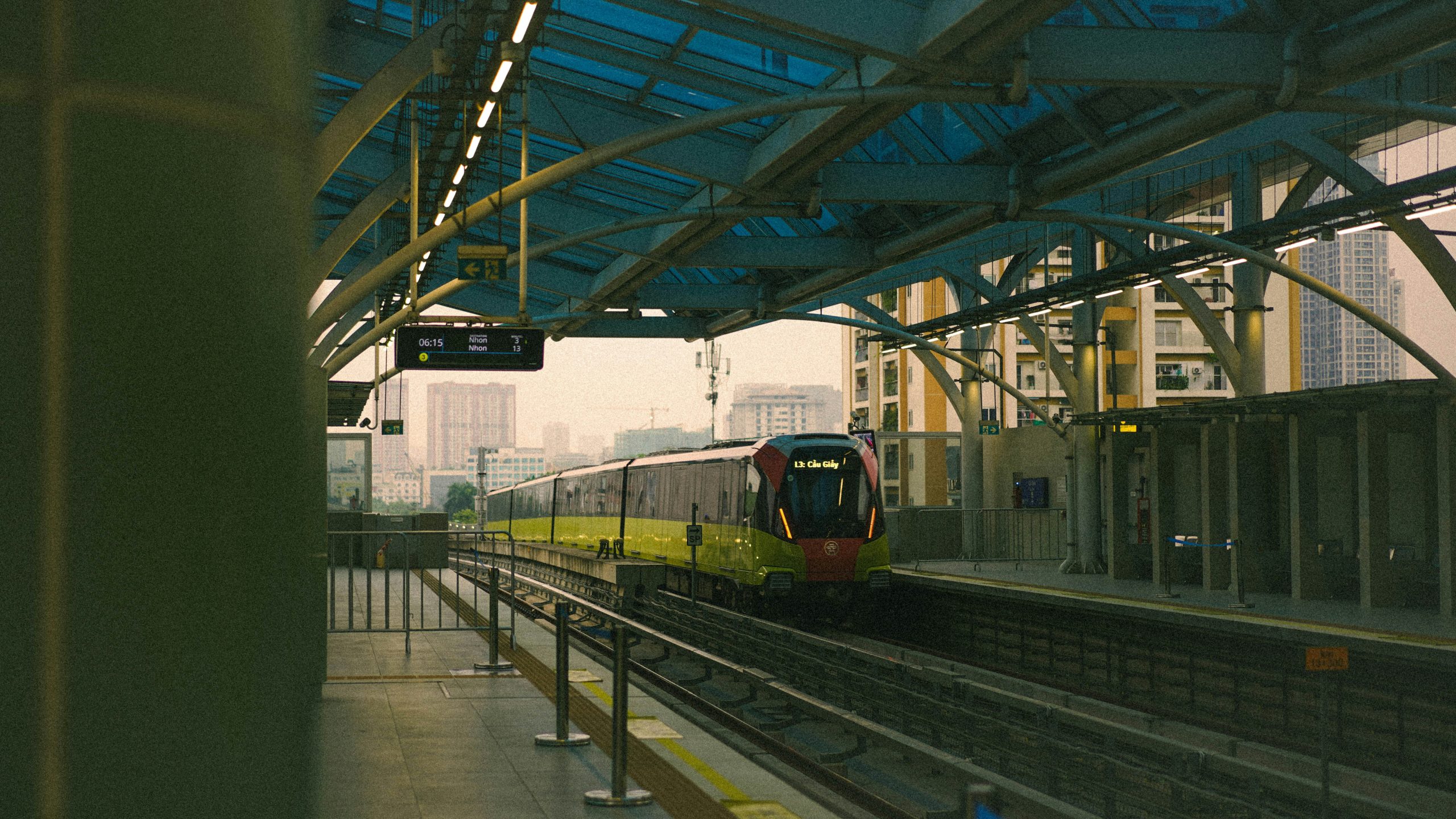
한국어 Ho Chi Minh City's Metro Line 1 (Ben Thanh – Suoi Tien) represents a transformative step in the development of urban transportation infrastructure.
17Jan2025
Latest News & Report / Vietnam Briefing
Comments: No Comments.
Ho Chi Minh City’s Metro Line 1 (Ben Thanh – Suoi Tien) represents a transformative step in the development of urban transportation infrastructure. As the city’s first metro system, it promises to alleviate traffic congestion, enhance connectivity, and support sustainable urban growth. This exploration highlights the project’s status, anticipated impacts on mobility, and its role in shaping the future of public transit in the region.
Current State of Urban Transportation Infrastructure in Ho Chi Minh City
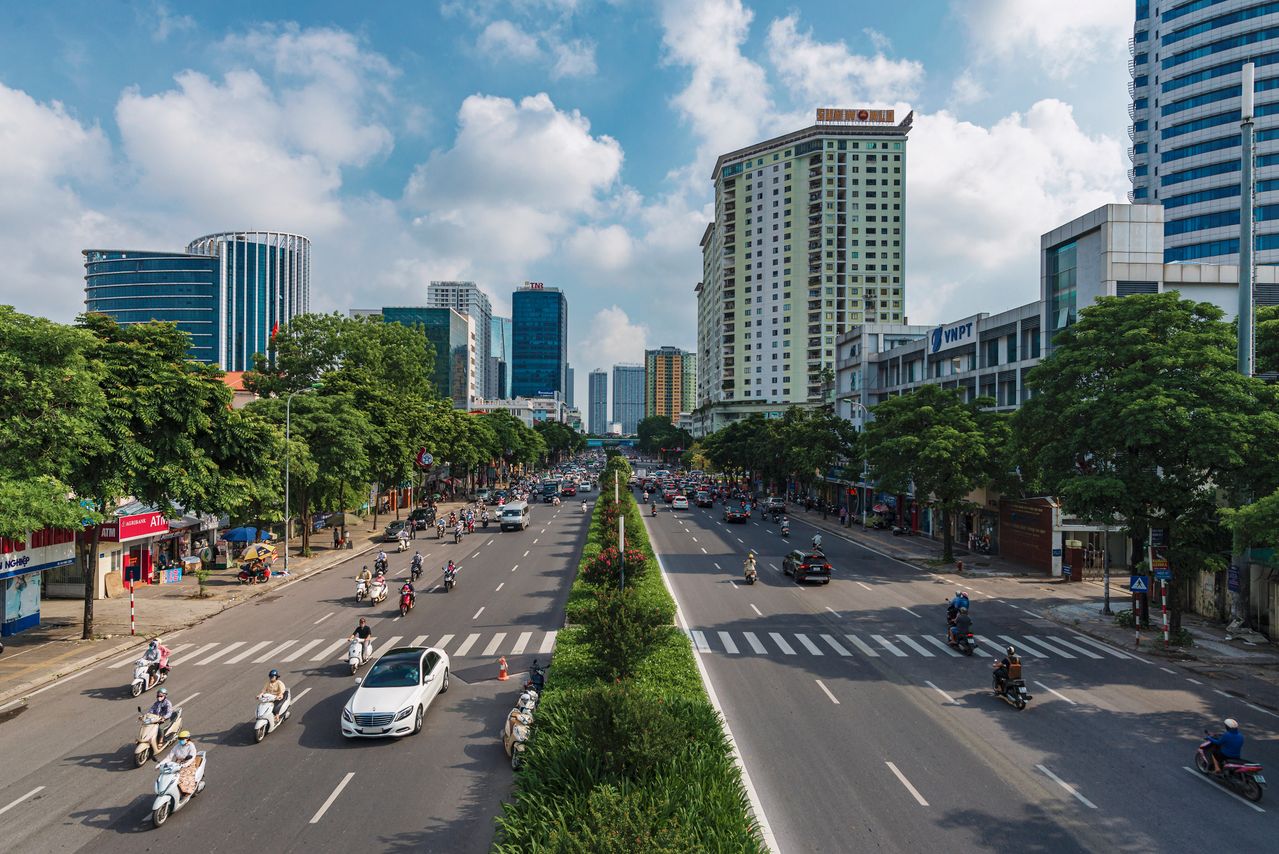
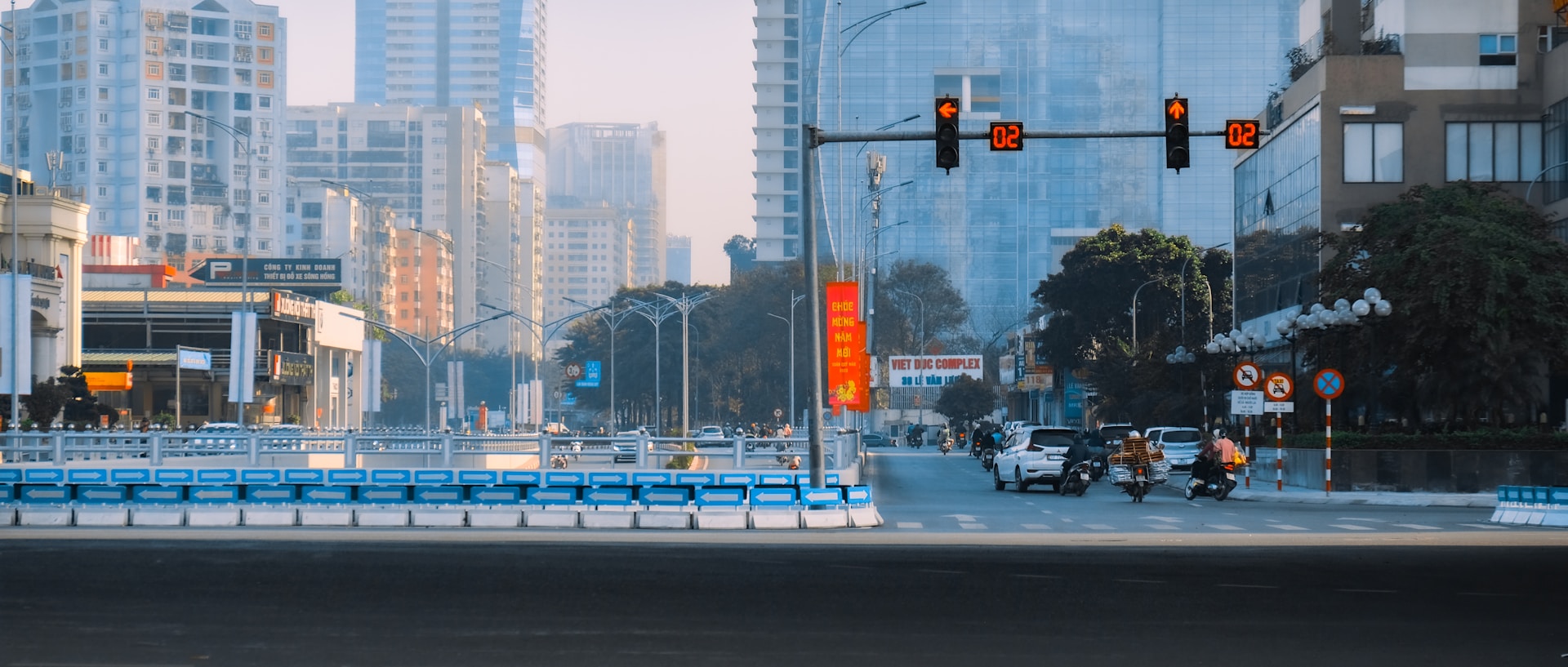
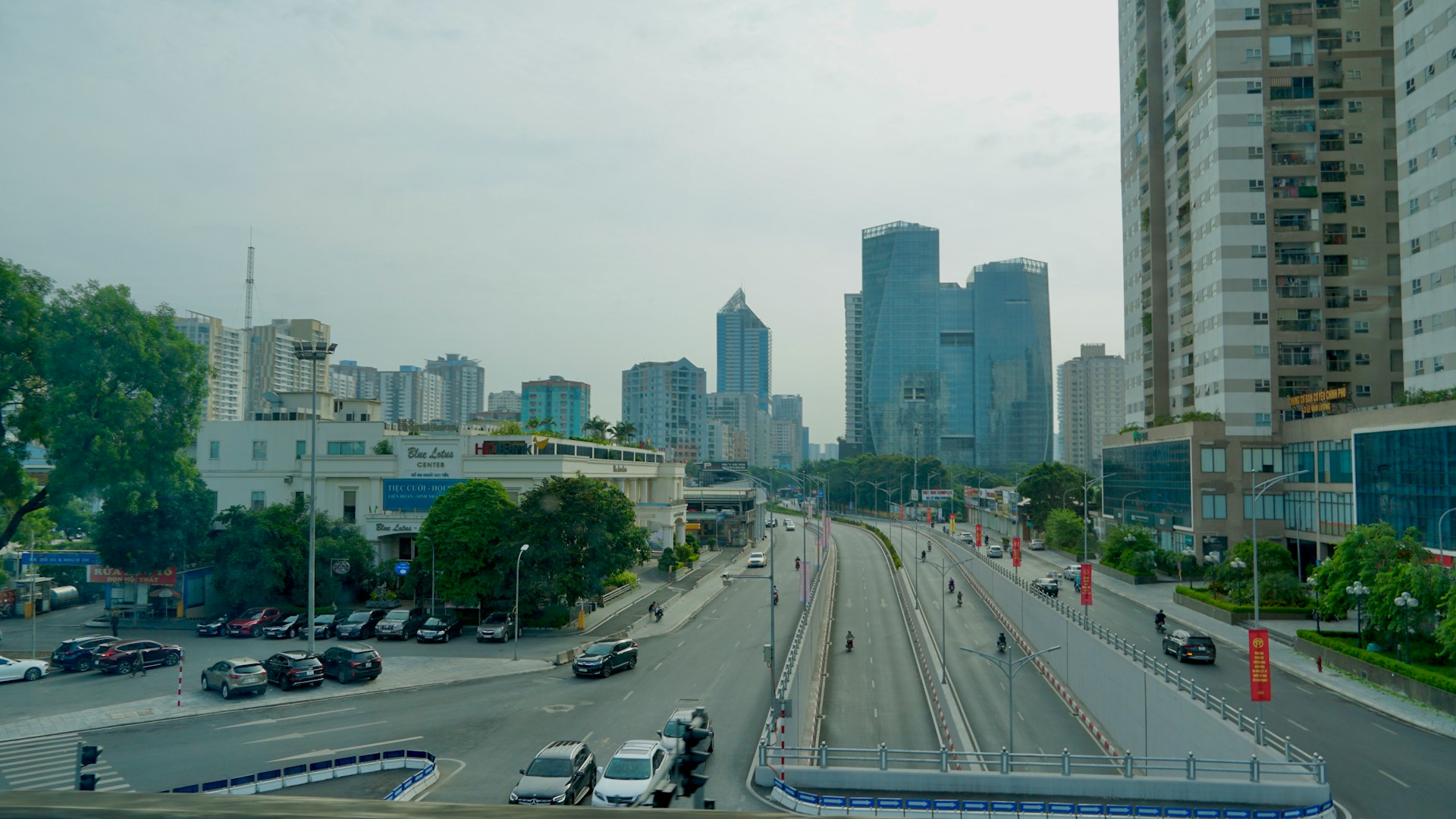
Ho Chi Minh City, Vietnam’s largest economic hub, faces significant challenges in managing its urban transportation. The current infrastructure must cater to the mobility needs of over 10 million residents, not to mention the influx of people from neighboring provinces.
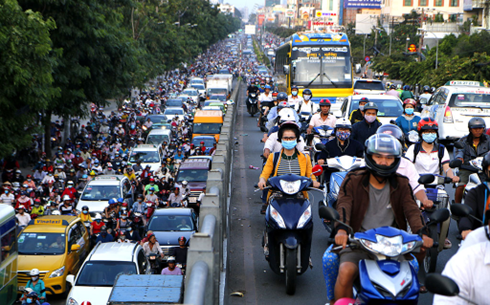
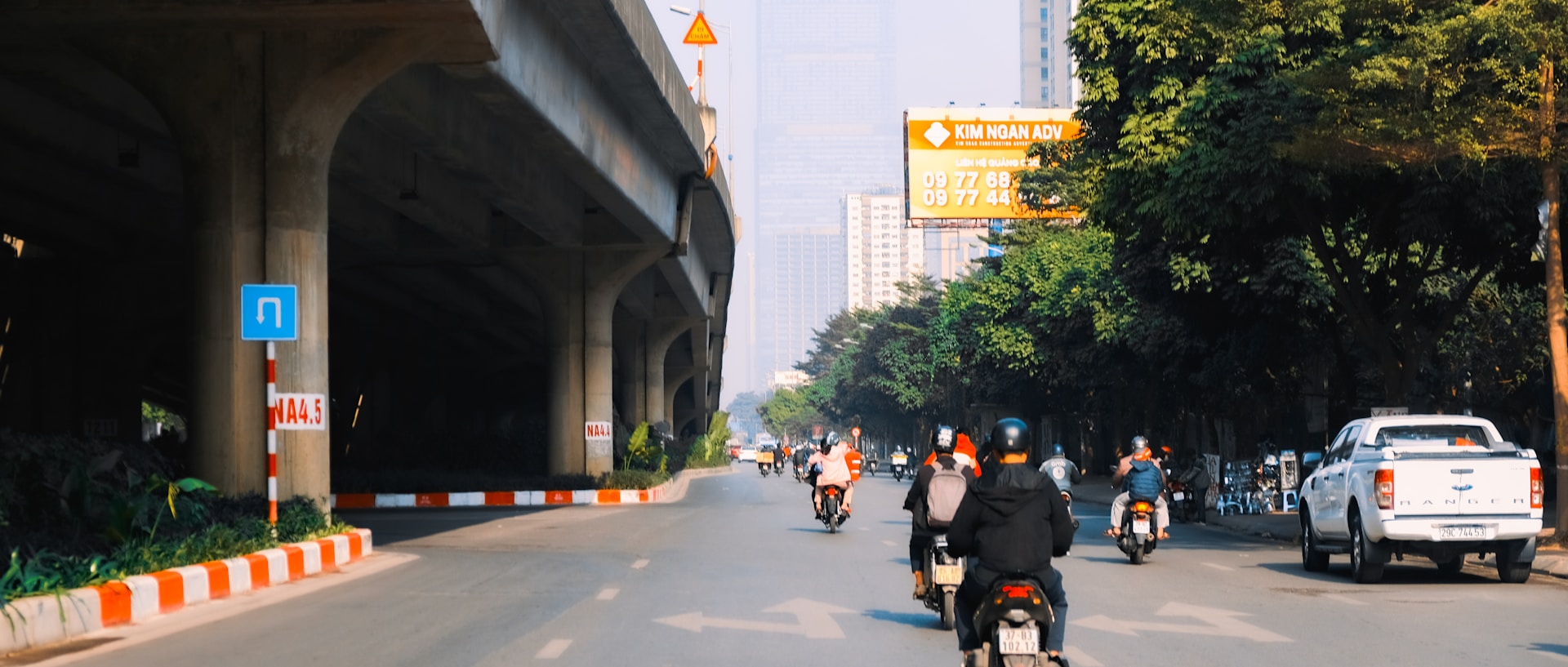
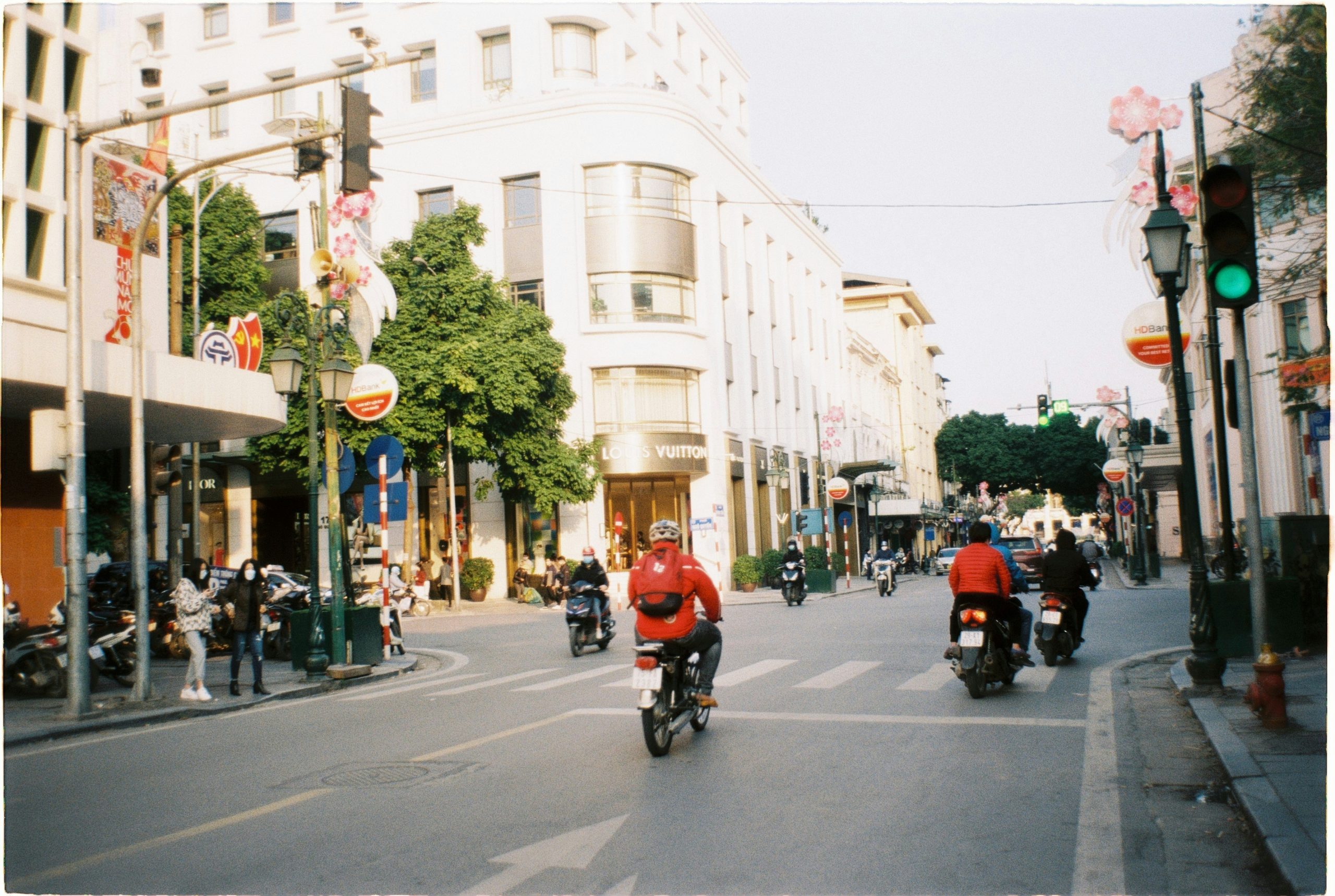
The main modes of transportation include motorbikes, buses, bicycles, and cars. However, the heavy reliance on motorbikes, which make up the majority of vehicles, has led to severe traffic congestion. As of late 2023, the city had around 10 million registered vehicles, including over 7.6 million motorbikes and 700,000 cars. Additionally, over 2 million vehicles enter the city daily from surrounding areas, further straining the transportation network.[1]
Public transport in Ho Chi Minh City primarily consists of buses, taxis, motorbike taxis, and ride-hailing services, with buses being the most widely used. Despite their popularity, the city faces challenges with traffic congestion and limited infrastructure. Metro Line 1 will be the first of its kind, marking a significant milestone in the city’s public transit development.
Modes of transportation during rush hours in Ho Chi Minh City
Source: Thanh Niên Newspaper
Metro Line 1: Ben Thanh – Suoi Tien starts operating from Dec 22, 2024
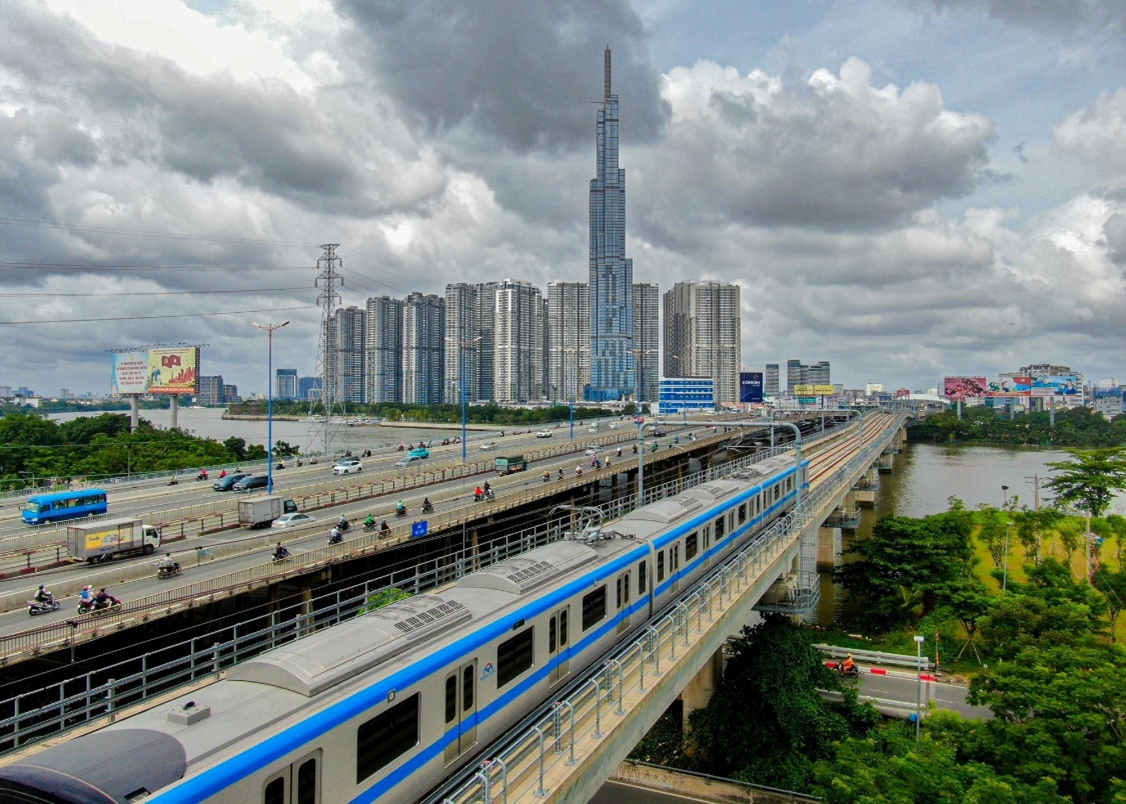
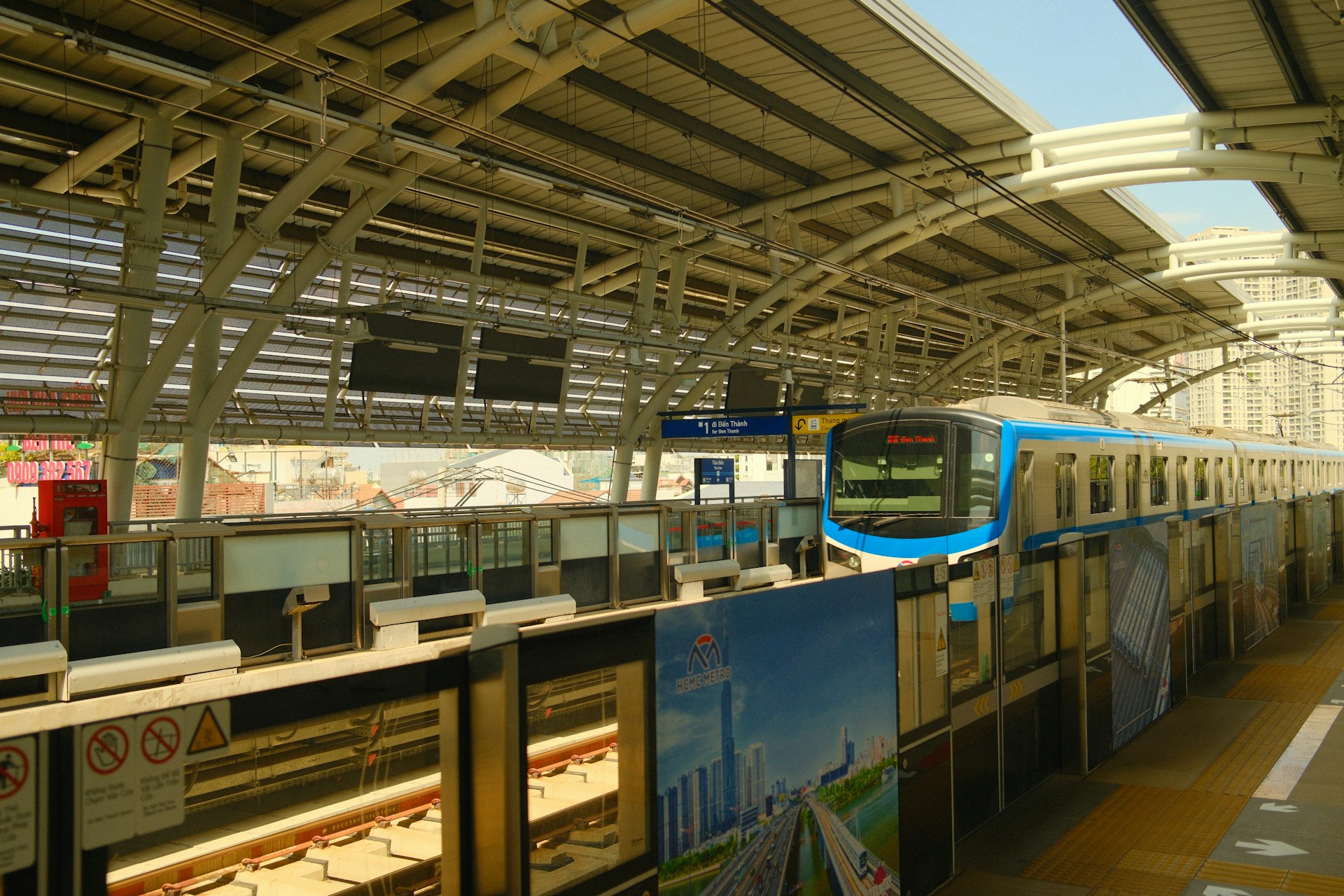
The implementation of Metro Line 1 Ben Thanh – Suoi Tien is a big step forward in improving the urban transport infrastructure of Ho Chi Minh City. The 19.7 km long Metro line connects the city center with suburban districts such as Thu Duc, the high-tech park, and Suoi Tien tourist area. The line is designed with 14 stations, including 3 underground stations and 11 elevated stations with a maximum speed of 110 km/h (elevated) and 80 km/h (underground).[2]
Passengers on Ho Chi Minh City’s Metro Line 1 can choose from various ticket options, including one-way, one-day, three-day, and monthly passes. One-way tickets range from 6,000-20,000 VND depending on payment method and distance, while monthly tickets are priced at 300,000 VND, with students enjoying a 50% discount. Unlimited travel is available with one-day and three-day tickets, priced at 40,000 VND and 90,000 VND, respectively. Additionally, disabled and elderly passengers are exempt from ticket fees under the city’s policy. [3]Once operational, it is expected to serve around 200,000 passengers daily, alleviating traffic pressure and improving the urban environment.
Image of a train on Metro Line 1
Related article















Log in / Register
Continue without an account
Log in / Register
SUBSCRIBE NEWSLETTER