

 한국어
한국어  English
  日本語
日本語  Tiếng Việt
  简体中文
简体中文 베트남의 수도인 하노이는 빠르게 성장하는 도시로, 국가 경제와 인프라에서 중요한 역할을 합니다.

234월2025
최신 뉴스 및 보고서 / 베트남 브리핑
댓글: 댓글 없음.
베트남의 수도인 하노이는 빠르게 성장하는 도시로, 국가 경제와 인프라에서 중요한 역할을 담당하고 있습니다. 이 글에서는 하노이의 경제 발전, 인프라 개선, 노동시장 동향, 투자 기회 및 미래 성장 전략을 살펴보고, 도시의 변화를 이끄는 주요 요인을 조명합니다.
위치
하노이는 베트남 북부 지역의 전략적 요충지에 위치하며, 베트남에서 가장 비옥하고 인구 밀도가 높은 지역 중 하나인 홍강 삼각주의 중심부에 자리하고 있습니다. 또한 하노이는 베트남에서 가장 규모가 큰 중앙 직할시로, 면적은 344,470헥타르에 달합니다. 인구는 850만 명 이상으로 베트남에서 두 번째로 많으며, 전국 63개 성·시 가운데 인구 밀도 역시 두 번째로 높습니다.
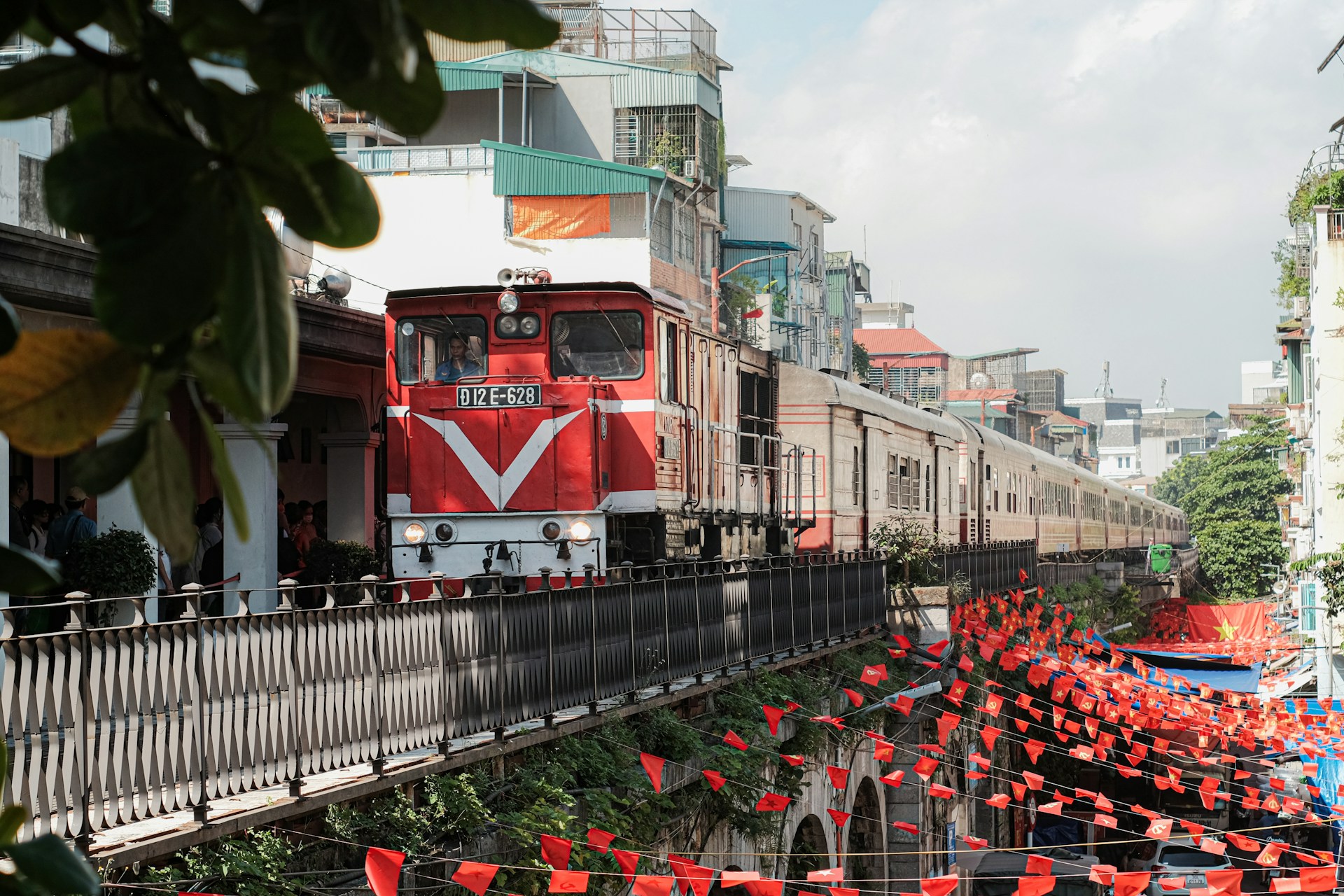
하노이는 베트남 북부의 중심부에 위치하며 국가 교통망에서 중요한 역할을 담당합니다. 이 도시는 인접 성 및 주요 경제권을 연결하는 국도와 고속도로가 구축된 도로 교통의 주요 허브입니다. 남북 철도 노선의 하노이역을 중심으로 한 철도 시스템과 노이바이 국제공항은 국내외 연결성을 크게 향상시키고 있습니다. 주요 하천이 도심을 관통하지는 않지만, 홍강은 화물과 승객을 위한 지역 수운을 지원합니다. 전략적 입지와 다양한 교통 인프라를 바탕으로 하노이는 경제 및 관광 개발에 유리한 조건을 갖추고 있습니다.
베트남 지도에서 하노이시의 위치 이미지
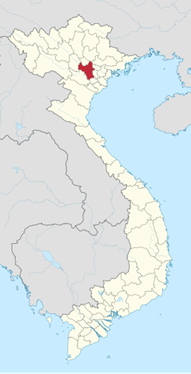
출처: 위키피디아
하부 구조
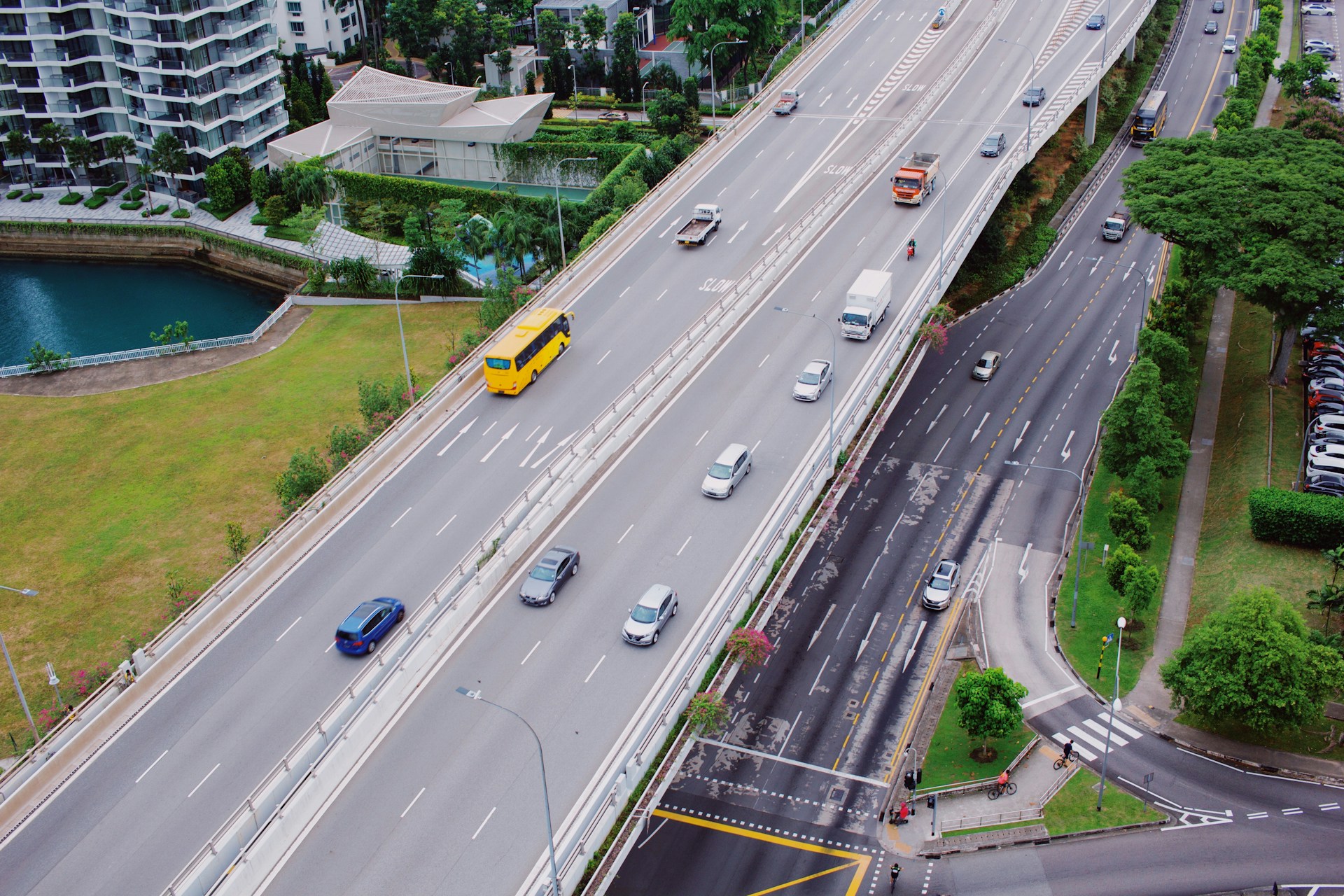
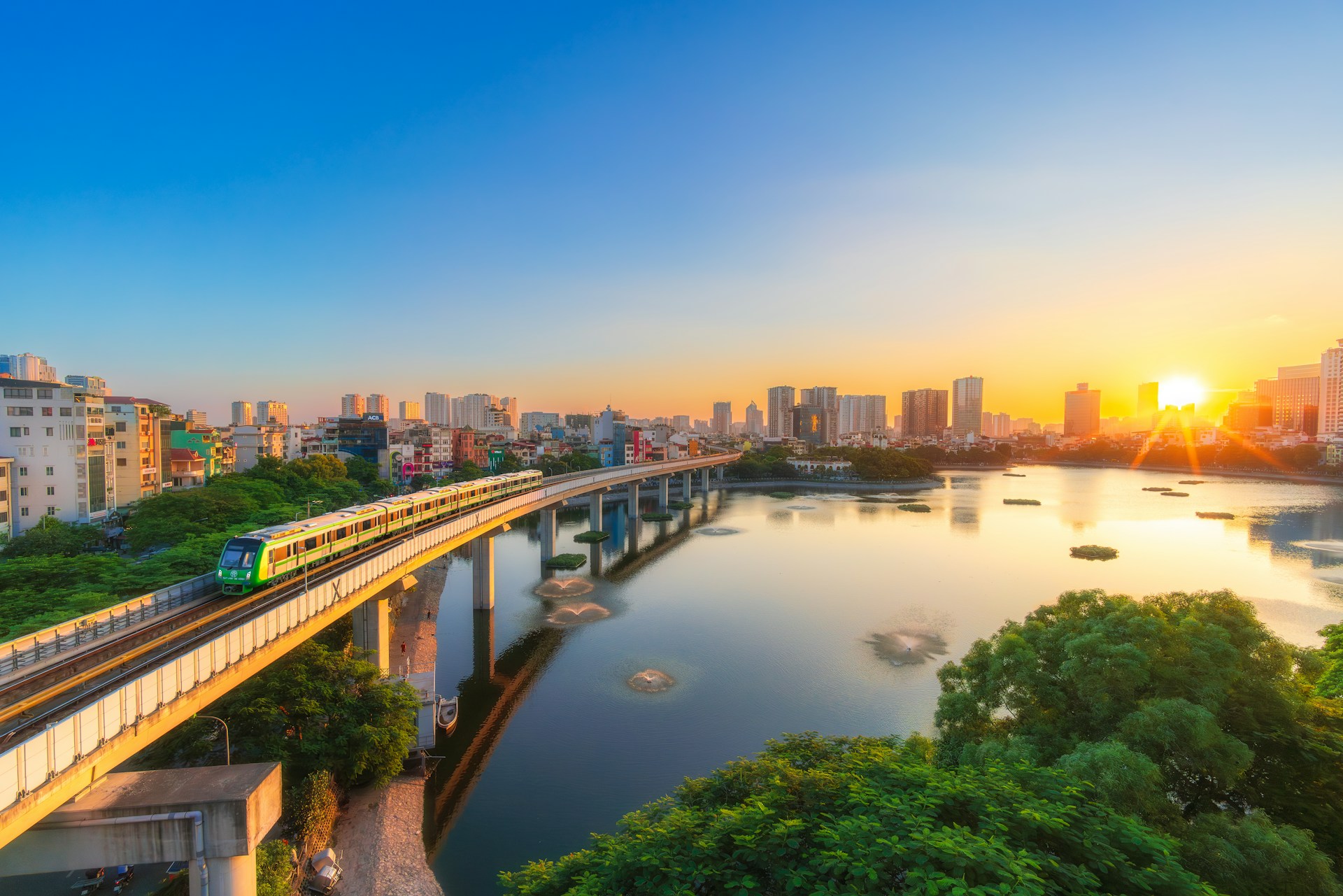
하노이는 급속한 도시화와 경제 발전을 지원하기 위해 광범위한 인프라 고도화를 추진하며 대대적인 변화를 겪고 있습니다. 2022년 하노이는 베트남에서 인프라가 가장 우수한 성·시 가운데 5위를 기록했습니다[1]. 이 도시는 베트남 북부의 핵심 교통 허브로서 노이바이–라오까이 및 하노이–하이퐁 노선을 포함한 고속도로 네트워크가 확대되고 있으며, 교통 혼잡 완화를 위해 제4순환도로 건설도 진행 중입니다. 대중교통은 도시철도 프로젝트를 통해 확대되고 있으며, 깟린–하동선과 년–하노이선이 이미 운행을 시작해 더욱 지속 가능하고 효율적인 도시 교통체계로 나아가고 있음을 보여줍니다. 또한 노이바이 국제공항은 국내외 연결성을 강화하여 하노이가 지역 관문으로서 수행하는 역할을 뒷받침하고 있습니다.
하노이 최초의 도시철도 노선인 Cat Linh-Ha Dong 철도의 이미지
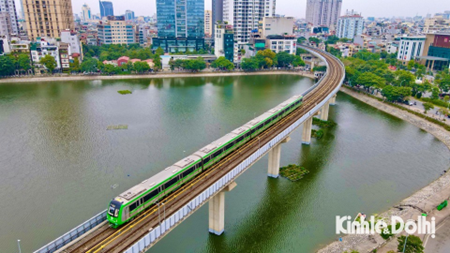
출처: Kinh te & Do thi

관련기사


















로그인 / 회원가입
계정 없이 계속하기
로그인 / 회원가입
뉴스레터 구독