

 English
  日本語
日本語  Tiếng Việt
  简体中文
简体中文  한국어
한국어 Vietnam and Japan have established a broad framework for cooperation on energy transition and clean energy, with Tay Ninh as a notable case.
31Aug2026
Highlight content / Highlight Content JP / Highlight content vi / Industry Reviews / Latest News & Report
Comments: No Comments.
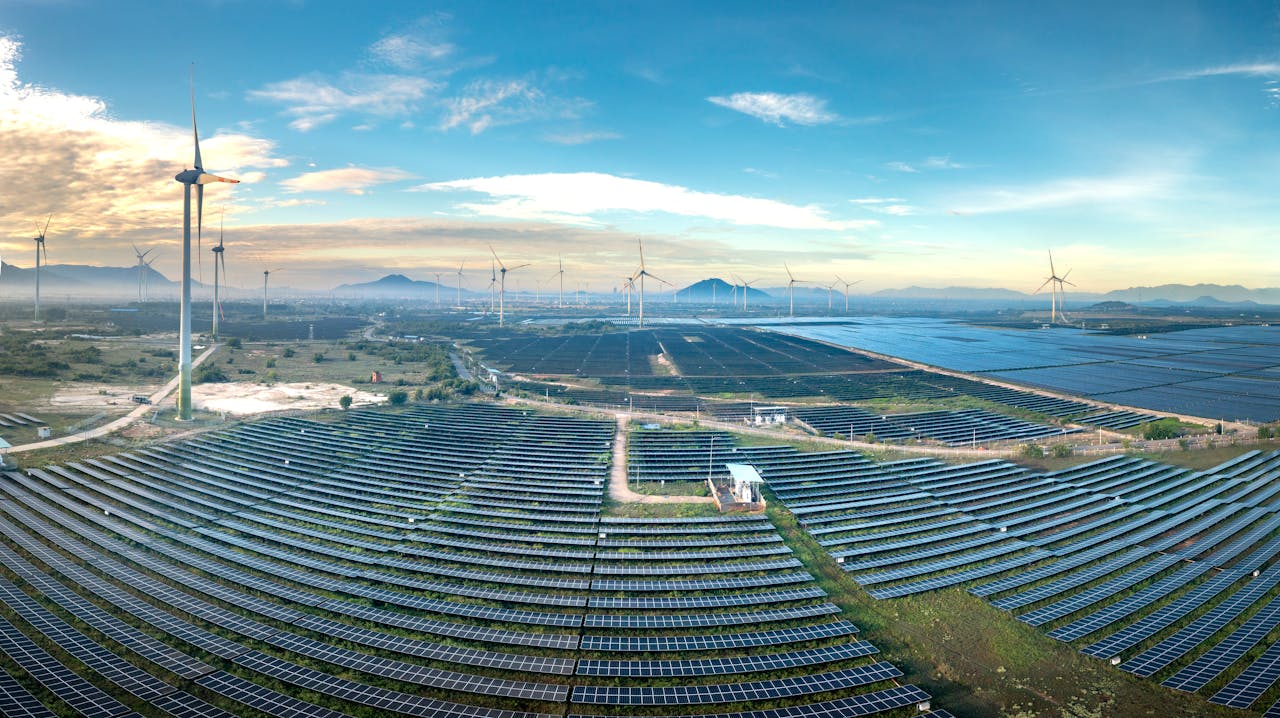
Vietnam and Japan have established a broad framework for cooperation on energy transition and clean energy. The next challenge is to translate these national commitments into concrete projects at the local level. As provinces and cities take a more active role in aligning national policies with local resources, industrial demand and investment opportunities, Tay Ninh has recently emerged as a notable case, particularly in renewable energy and green hydrogen.
Japan–Vietnam clean energy cooperation: From policy commitments to project development
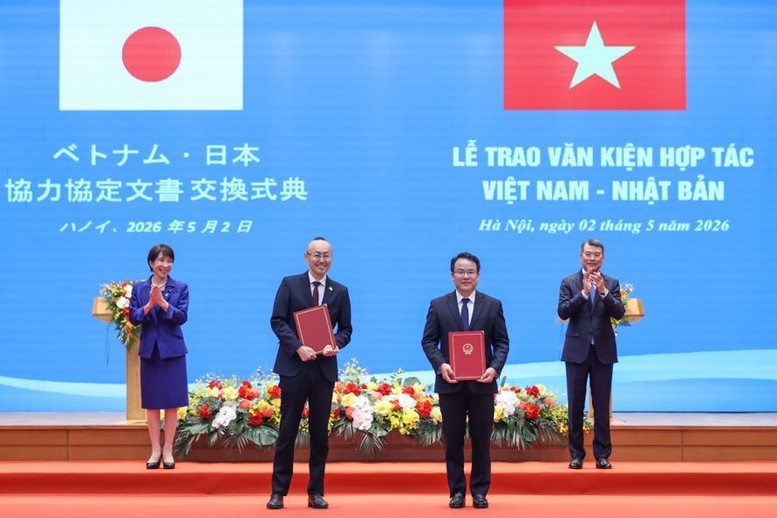
Vietnam and Japan are moving from broad energy transition commitments toward the preparation of specific projects. In April 2025, the two governments agreed to promote cooperation in industrial zone decarbonisation, offshore wind and power grid development[1]. At the same time, 15 bilateral energy transition projects had been identified under the Asia Zero Emission Community framework, with 9 brought to the Project Acceleration Platform for more detailed discussion in November 2025[2]. The portfolio is broader than clean energy alone, but renewable power, industrial energy management and grid infrastructure have become increasingly visible areas of cooperation.
Financial support is beginning to reinforce this shift from policy dialogue to implementation. In April 2026, JBIC established a credit line of up to USD 200 million through BIDV, including USD 120 million from JBIC, for energy transition and electricity grid projects[3]. Recent discussions in July 2026 continued to focus on LNG, renewable energy and transmission infrastructure. For LNG projects in particular, officials highlighted challenges related to global price volatility, financing mechanisms and project schedules[4].
At the same time, project development is increasingly taking place at the local level, where investment conditions, industrial demand and suitable sites can be assessed more directly. Japan’s City to City Collaboration programme brings local governments together with companies and research institutions to identify decarbonisation opportunities, conduct feasibility studies and prepare projects that may later seek support through JCM financial schemes[5]. Several local government cooperation projects selected for FY2026 included energy-related components, particularly hydrogen technology, renewable energy, energy efficiency, energy management and the preparation of potential JCM projects. Notable examples include the following:
Table 1: Selected FY2026 Japan–Vietnam local cooperation programmes
| No. | Cooperating localities | Project name | Fields | Project description |
| 1 | Ehime Prefecture – Vinh Long Province | City-to-City Collaboration Project for Energy Transition and SDGs Model City Development | ・Renewable Energy
・Waste Management ・Hydrogen Technology ・Others (Wastewater treatment) |
The project conducts baseline and feasibility studies on wind power, potential JCM projects, green hydrogen and ammonia use, wastewater treatment and the production and use of refuse paper and plastic fuel (RPF) development to support Vinh Long’s energy transition |
| 2 | Shizuoka City – Hue City | City-to-City Collaboration Project for the Realization of a Decarbonized Society in Hue City, Vietnam | ・Energy Saving
・Renewable Energy ・Institutional Building Support ・Hydrogen Technology ・Smart City Development ・Others (CCU) |
The project supports Hue’s local decarbonisation framework and greenhouse gas management while examining the introduction of technologies from Shizuoka companies and developing potential JCM or other investment projects |
| 3 | Sakai City – Da Nang City | City-to-City Collaboration Project toward Decarbonisation of Port Infrastructure and Other Sectors in Sakai and Da Nang | ・Energy Saving
・Renewable Energy ・Waste Management ・Institutional ・Building Support ・Hydrogen ・Technology ・Others (Port Infrastructure) |
The project prepares potential JCM and non-JCM investments in renewable energy and energy-efficient equipment for ports, industrial parks, commercial facilities and hotels, while supporting Da Nang’s green port policies |
Source: B&Company’s synthesis from first round and second round of FY2026
These projects incorporate hydrogen technologies, covering methods to produce, store and use hydrogen as a low-carbon energy carrier, showing that clean energy is gaining a more distinct role in Japan–Vietnam local cooperation. However, the focus remains uneven: Ehime–Vinh Long includes a specific study on green hydrogen and ammonia, while Hue and Da Nang address hydrogen within broader decarbonisation programmes.
Tay Ninh as an emerging case of provincial clean energy cooperation
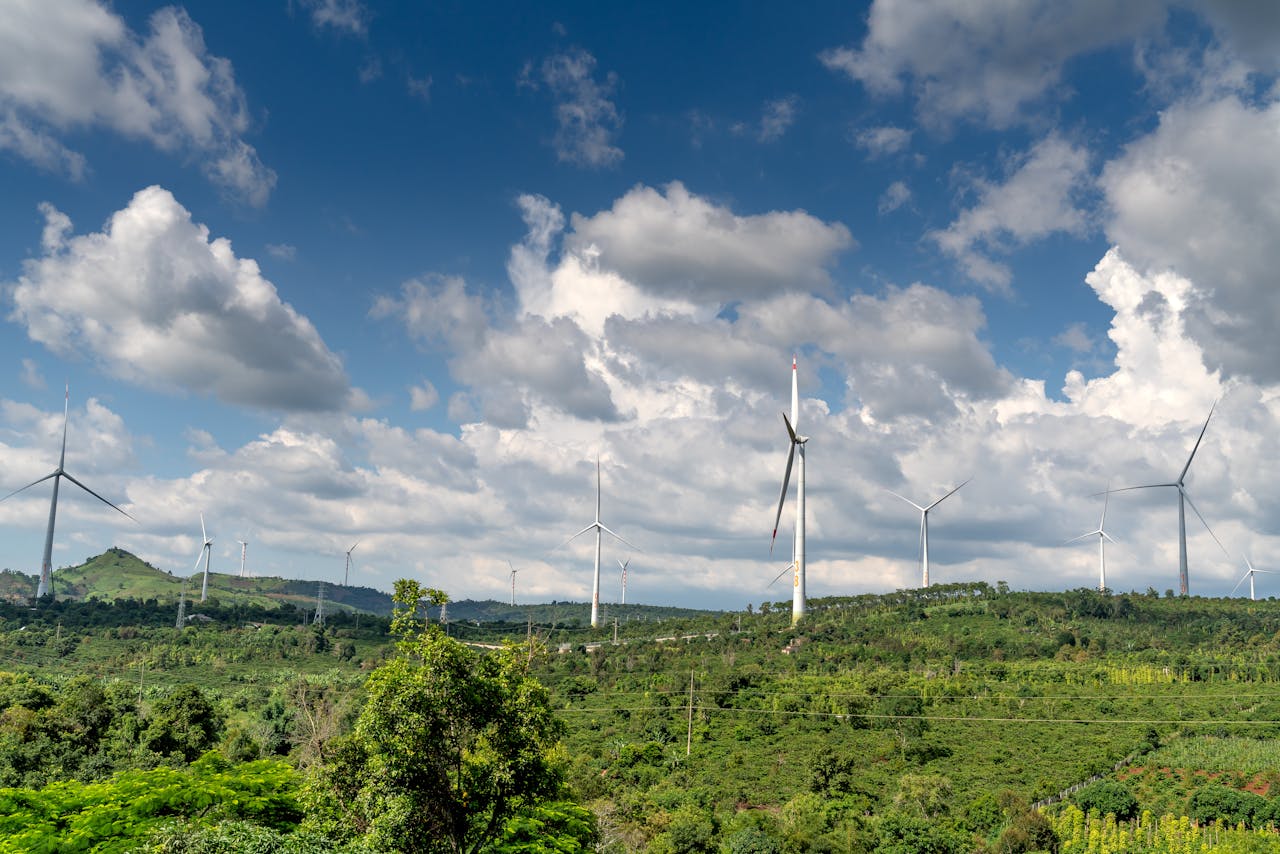
Against this shift, Tay Ninh provides a particularly relevant setting for such cooperation due to the combination of its renewable energy potential, expanding industrial base and presence of Japanese manufacturers. These factors create both potential clean energy supply and industrial demand for decarbonisation solutions, including emerging applications of green hydrogen.
Building on these conditions, business engagement, technical discussions and formal provincial cooperation are beginning to converge around renewable energy and green hydrogen.
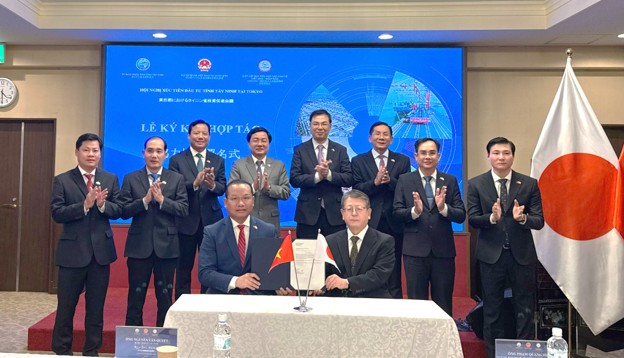
Signing an MoU between Obayashi Corporation and Tay Ninh Province on industrial hydrogen use
At an investment promotion conference in Tokyo in November 2025, Tay Ninh signed a memorandum with Japan’s Obayashi Corporation. Obayashi expressed interest in supporting Japanese manufacturers in the province’s industrial parks to shift toward hydrogen use, linking clean energy technology with the practical need to reduce industrial emissions. The agreement did not establish a confirmed investment project, but it provided an initial business framework for exploring hydrogen applications in Tay Ninh[6].
Signing ceremony for the MoU between Obayashi Corporation and Tay Ninh Province
Source: Baotayninh.vn
Technical discussions and memorandum signing with Yamanashi on green hydrogen
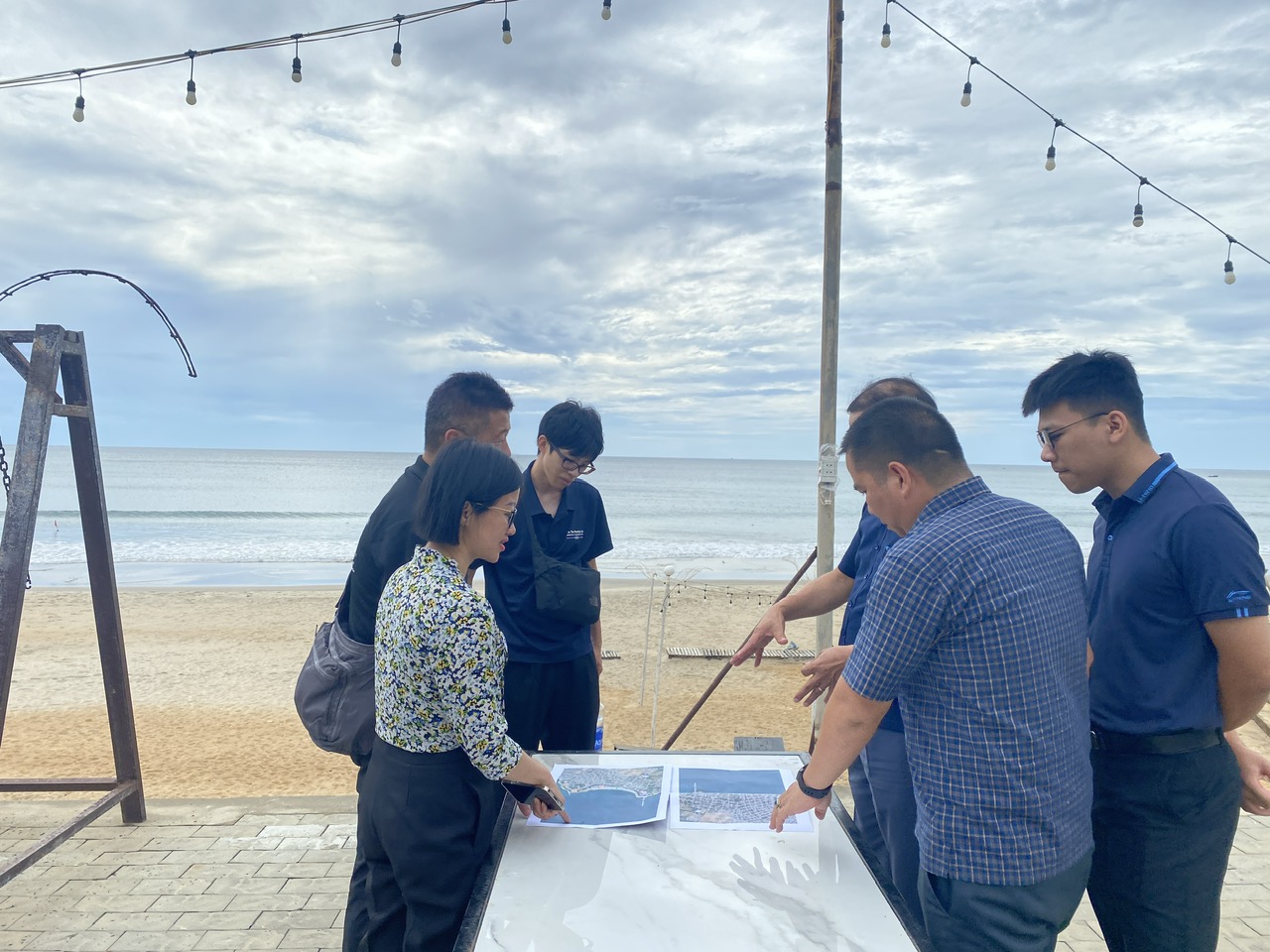
In January 2026, officials from Yamanashi Prefecture met Tay Ninh authorities to identify potential areas of cooperation. The discussions placed particular emphasis on green hydrogen and renewable energy and were presented as a preparatory step toward a formal agreement between the two provinces. This marked a move from general investment promotion toward more focused technical exchanges on clean energy[7].
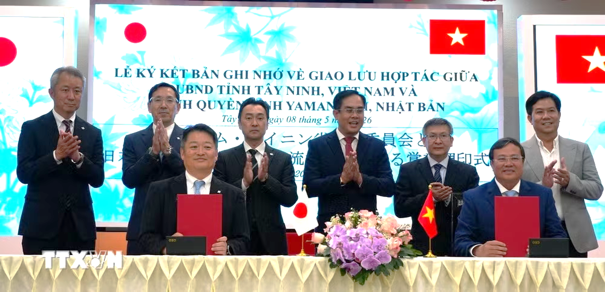
The relationship was formalised in May 2026, when Tay Ninh and Yamanashi signed a memorandum covering energy, agriculture, human resources, tourism, trade and investment. Under the agreement, the two provinces aim to strengthen cooperation in renewable energy and green hydrogen and share experience and technology in support of carbon neutrality[8].
Tay Ninh Provincial People’s Committee and Yamanashi Governor Kotaro Nagasaki sign an MoU on international exchange and cooperation
Source: Vietnam Plus.vn
Business implications and outlook: from diplomatic platform to investable projects
Japan–Vietnam clean energy cooperation is gradually moving from policy commitments to project implementation. Frameworks such as AZEC and the JCM are now supported by financing, feasibility studies and local partnerships, creating clearer links between Japanese technology and Vietnam’s energy needs.
Province-to-province cooperation can play a critical role in bridging national policy and project implementation. By connecting local resources and industrial needs with Japanese expertise, technology and business networks, these partnerships can help identify suitable sites, address infrastructure gaps and turn broader energy goals into concrete investment opportunities.
However, finance and technology alone are not enough. Projects still need clear users, viable business models, measurable emission reductions and workable regulations. Strong project preparation will determine which initiatives can proceed.
In the near term, renewable energy, grid development, energy efficiency and industrial energy management are likely to offer the most practical opportunities. Green hydrogen technology may gain attention, but most projects remain at the study or pilot stage and depend on cost, infrastructure and confirmed demand.
Conclusion
Overall, Japan – Vietnam clean energy cooperation is entering a more implementation-focused phase, supported by stronger links between policy, finance, technology and local partnerships. Its future success will depend on the ability to turn these frameworks into well-prepared, commercially viable projects that respond to actual local and industrial needs.
Read more
Can factories buy green power directly? Vietnam’s DPPA framework and manufacturing investment
* If you wish to quote any information from this article, please kindly cite the source along with the link to the original article to respect copyright.
| B&Company
The first Japanese company specializing in market research in Vietnam since 2008. We provide a wide range of services including industry reports, industry interviews, consumer surveys, business matching. Additionally, we have recently developed a database of over 1,000,000 companies in Vietnam, which can be used to search for partners and analyze the market. Please do not hesitate to contact us if you have any queries. info@b-company.jp + (84) 24 3978 5165 |
Cover photo: Baotayninh.vn
[1] https://www.meti.go.jp/english/press/2025/0429_001.html
[2] https://www.vietnamplus.vn/viet-nam-nhat-ban-mo-rong-hop-tac-chuyen-doi-nang-luong-sach-post1077533.vnp
[3] https://vir.com.vn/jbic-provides-120-million-green-financing-for-energy-transition-in-vietnam-151122.html
[4] https://vneconomy.vn/viet-nam-nhat-ban-day-manh-hop-tac-trong-linh-vuc-nang-luong-xanh.htm
[5] https://www.env.go.jp/earth/coop/lowcarbon-asia/english/project/
[6] https://baotayninh.vn/tay-ninh-to-chuc-thanh-cong-hoi-nghi-xuc-tien-dau-tu-tai-tokyo-nhat-ban-133932.html
[7] https://baotayninh.vn/tay-ninh-tang-cuong-hop-tac-nong-nghiep-cong-nghe-cao-va-nang-luong-tai-tao-voi-nhat-ban-135929.html
[8] https://www.vietnamplus.vn/tay-ninh-tang-cuong-ket-noi-voi-dia-phuong-giau-the-manh-cong-nghe-cua-nhat-ban-post1109339.amp
Related article















Log in / Register
SUBSCRIBE NEWSLETTER